
Navigating the vibrant, pulsating heart of New York City, an experience sought by millions annually, often brings with it an inherent question for potential visitors: “How safe is it?” This inquiry, while common, deserves a nuanced answer that goes beyond sensational headlines and embraces statistical reality. New York City, a global epicenter of culture, commerce, and unforgettable experiences, has undergone significant transformations in its safety landscape over the decades. Understanding the current reality requires looking at crime statistics, examining specific neighborhoods, and considering the practical measures every traveler can take to ensure a secure and enjoyable visit.
Understanding the Modern Safety Landscape of New York City
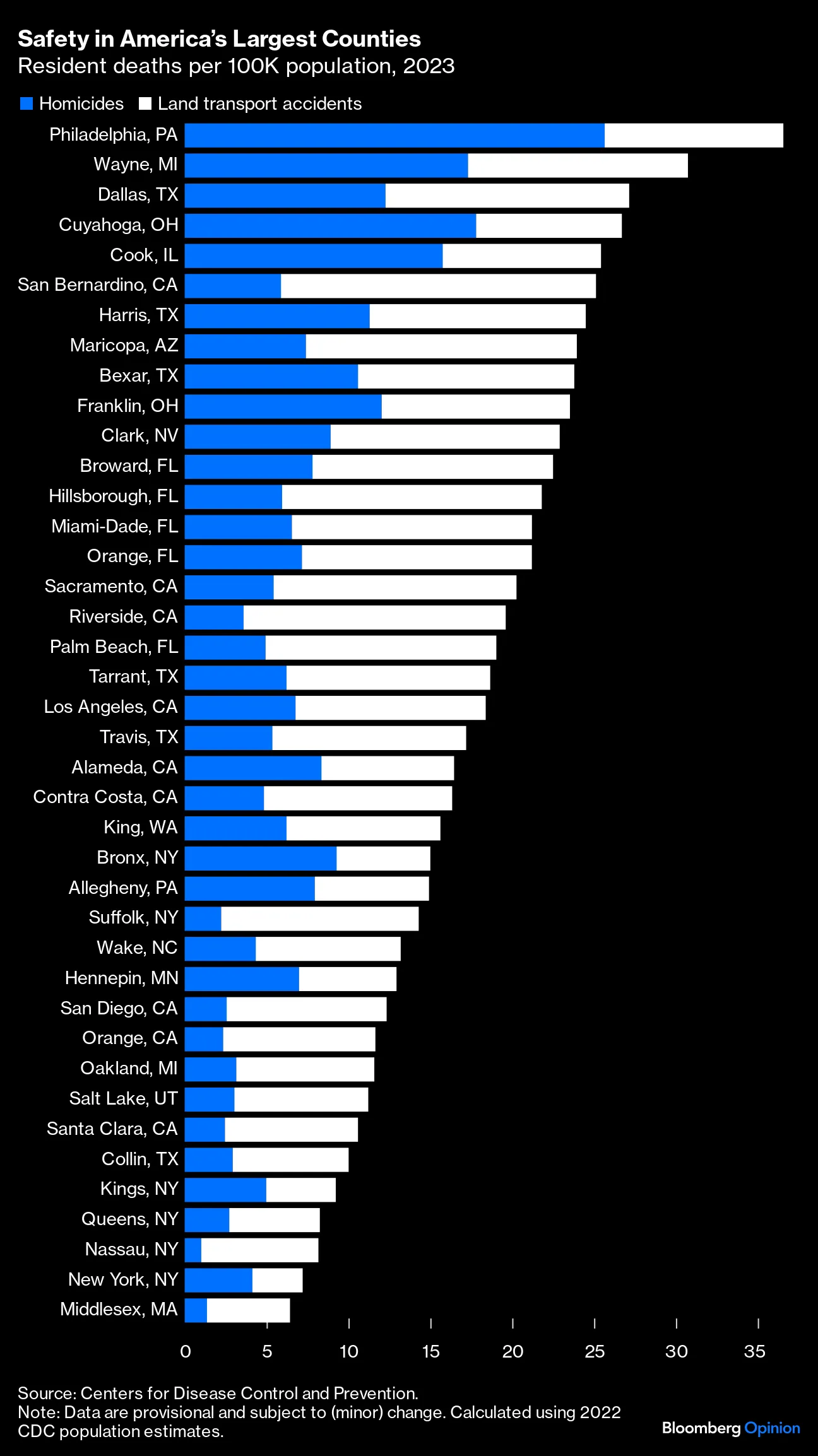
The narrative surrounding New York City safety has evolved dramatically. While the city once grappled with notoriously high crime rates in the latter half of the 20th century, a sustained and multi-faceted effort has led to a remarkable decrease in crime over the past thirty years. This has made it, in many respects, one of the safest large cities in America. However, like any major metropolitan area, New York City is not monolithic, and safety perceptions can vary widely depending on the specific borough, neighborhood, time of day, and individual experiences.
Crime Statistics: A Data-Driven Perspective
Official crime statistics provide the most objective measure of safety. Year after year, New York City consistently ranks among cities with lower rates of violent crime per capita when compared to other large U.S. cities. Major crimes, such as murder, robbery, and felony assault, have seen significant declines from their peaks in the early 1990s. While there can be fluctuations from year to year, the overall trend has been one of increasing safety.
It is important to distinguish between different types of crime. While violent crime rates are generally low and continue to trend downwards, certain property crimes, like pickpocketing or petty theft, can still occur, particularly in crowded tourist areas. These incidents are often opportunistic rather than indicators of widespread danger and can be mitigated with common-sense precautions.
Neighborhood Variations: Navigating the Boroughs
New York City is comprised of five distinct boroughs, each with its own unique character and, consequently, varying safety profiles. However, it is crucial to dispel the myth that certain areas are inherently “dangerous” for tourists. The vast majority of neighborhoods frequented by visitors, including popular spots like Times Square, Central Park, SoHo, Greenwich Village, and the Financial District, are considered very safe, with a constant presence of both residents and tourists, as well as visible law enforcement.
Even neighborhoods that historically may have had higher crime rates have undergone significant revitalization and are now popular destinations for dining, nightlife, and cultural exploration. For instance, areas like Brooklyn’s Williamsburg and Bushwick, or parts of Queens like Long Island City, are bustling with activity and are generally safe for visitors. As with any urban environment, exercising awareness, especially when venturing into less tourist-centric areas or during late hours, is always advisable.
Practical Safety Tips for the New York Traveler
Ensuring a safe trip to New York City is largely about adopting a proactive and aware approach, much like one would in any major global city. The city’s infrastructure and public services are designed to facilitate a secure visitor experience.
Navigating Public Transportation
The New York City subway system is an iconic and essential part of experiencing the city, carrying millions of passengers daily. It is generally a very safe way to travel, even late at night. However, like any busy public transit, it can be a target for petty theft.
- Stay Aware: Keep your belongings close and be mindful of your surroundings, especially on crowded platforms and trains. Avoid displaying expensive electronics or large amounts of cash.
- Travel Smart: During late-night hours, it can be beneficial to stand near the conductor’s booth or in cars with other passengers. Most stations are well-lit and patrolled.
- Plan Your Route: Familiarize yourself with your route beforehand to avoid confusion and to be more aware of your surroundings upon exiting the train.

Walking and Exploring
New York City is a walker’s paradise, with incredible sights at every turn. Walking is often the best way to soak in the city’s atmosphere.
- Stick to Well-Lit Areas: Especially at night, opt for well-lit streets and paths, particularly if you are unfamiliar with the area.
- Be Mindful of Pedestrian Traffic: While not a safety concern in the traditional sense, the sheer volume of pedestrians can be overwhelming. Stay aware of your surroundings to avoid collisions.
- Trust Your Instincts: If a situation or area feels uncomfortable, it is perfectly acceptable to leave and find a more populated or familiar route.
Accommodation Safety
Choosing safe and reputable accommodation is paramount. New York City offers a vast range of options, from luxurious hotels like the Plaza Hotel and the St. Regis New York to boutique inns and budget-friendly stays.
- Research Your Hotel: Read recent reviews, paying attention to comments about safety and location.
- Secure Your Room: Always lock your hotel room door, even when you are inside. Utilize the in-room safe for valuables.
- Be Cautious with Strangers: While New Yorkers are generally friendly, be discerning about who you share personal information with.
Dealing with Scams and Unsolicited Services
Like many major tourist destinations, New York City can attract individuals looking to take advantage of unsuspecting tourists. These often involve common scams rather than overt threats.
- Street Performers and Vendors: Be aware of individuals who may offer unsolicited “help” or try to engage you in activities that require payment without clear indication. It is often best to politely decline.
- Ticket Scams: Purchase tickets for shows, attractions, or tours only from official vendors or reputable online sources. Avoid overly aggressive salespeople on the street.
- “Found” Items: Be skeptical of people who approach you claiming to have found something valuable and ask for your help or money in return.
The Role of Law Enforcement and Emergency Services
New York City boasts one of the largest and most visible police forces in the world, the New York City Police Department (NYPD). Their presence is a significant deterrent to crime and a source of reassurance for residents and visitors alike.
- Visible Presence: Police officers are a common sight on the streets, in subway stations, and at major attractions, contributing to a sense of security.
- Emergency Services: In the event of any emergency, dialing 911 connects you to New York City’s comprehensive emergency services, including police, fire, and medical assistance. Operators are multilingual.
- Community Policing: The NYPD engages in community policing initiatives to build trust and cooperation within neighborhoods, further enhancing safety.

Embracing the City with Confidence
New York City is an exhilarating destination that offers unparalleled cultural experiences, world-class dining, and iconic landmarks like the Statue of Liberty, the Empire State Building, and the Metropolitan Museum of Art. The overwhelming majority of visitors experience the city without incident, enjoying its dynamic energy and endless discoveries.
By understanding the statistical realities, being aware of your surroundings, and employing simple precautions, travelers can confidently explore all that New York City has to offer. The city’s commitment to safety, combined with the inherent vibrancy and resilience of its people, ensures that a visit to the Big Apple remains a safe, memorable, and profoundly rewarding adventure. The question is not whether New York is safe, but rather how to best experience its undeniable allure with informed confidence.
LifeOutOfTheBox is a participant in the Amazon Services LLC Associates Program, an affiliate advertising program designed to provide a means for sites to earn advertising fees by advertising and linking to Amazon.com. Amazon, the Amazon logo, AmazonSupply, and the AmazonSupply logo are trademarks of Amazon.com, Inc. or its affiliates. As an Amazon Associate we earn affiliate commissions from qualifying purchases.