
The vast expanse of the United States often necessitates air travel for swift transit between its distant corners. For those contemplating a journey from Texas, the second-largest state by area and population, to California, the nation’s most populous state and a global economic powerhouse, understanding flight duration is paramount for effective trip planning. This cross-country route spans roughly 1,200 to 1,500 miles, depending on the specific departure and arrival points, and offers a gateway to diverse landscapes, cultures, and opportunities. The flight is a crucial component of the travel experience, dictating not just arrival time but also the overall efficiency and comfort of the journey.

Understanding the Core Flight Duration
Determining the precise flight time from Texas to California is not as simple as quoting a single number. Several variables come into play, primarily whether the flight is direct or involves connections, and the specific cities chosen for departure and arrival.
Direct Flights vs. Connecting Flights
The most significant factor influencing total travel time is the type of flight. A direct flight, also known as a non-stop flight, takes you from your origin to your destination without any intermediate stops. These are invariably the quickest option. The scheduled flight time for direct routes typically accounts for airborne time plus taxiing.
In contrast, connecting flights involve one or more stops at intermediate airports, requiring passengers to disembark one plane and board another. While often more economical, these flights significantly extend the total travel duration, as layover times can range from a brief 45 minutes to several hours, or even overnight. This makes choosing a direct flight a priority for travelers prioritizing speed and convenience.
Key Departure and Arrival Cities
Texas and California are both geographically expansive states with multiple major airports. The specific city pair chosen for your journey critically impacts the flight duration due to varying distances.
Major Departure Hubs in Texas include:
- Dallas/Fort Worth International Airport (DFW), serving the Dallas and Fort Worth metropolitan area.
- George Bush Intercontinental Airport (IAH) and William P. Hobby Airport (HOU), serving Houston.
- Austin-Bergstrom International Airport (AUS), serving Austin.
Major Arrival Hubs in California include:
- Los Angeles International Airport (LAX), serving Los Angeles and Southern California.
- San Francisco International Airport (SFO), serving San Francisco and the Bay Area.
- San Diego International Airport (SAN), serving San Diego.
- Sacramento International Airport (SMF), serving Sacramento.
The shortest direct flights, for example, from El Paso, Texas, to San Diego, California, might be around 2 hours and 30 minutes, due to their proximity in comparison to other city pairs. Conversely, flying from Houston to San Francisco typically represents a longer journey, often pushing toward 4 hours for a direct route.
Factors Influencing Your Total Travel Time
Beyond the directness of a flight and the specific city pair, several other elements can subtly, or sometimes significantly, impact your journey’s overall duration.
Aircraft Type and Air Speed
Modern commercial aircraft typically cruise at speeds between 500 to 600 miles per hour. While larger, more fuel-efficient planes like the Boeing 787 or Airbus A350 might offer slightly faster cruise speeds or more efficient routing, the difference in flight duration between various modern jetliners on the same route is usually negligible from a passenger’s perspective, perhaps only a few minutes. However, older or smaller regional jets might have slightly slower speeds, potentially adding a small amount of time to the journey.
Headwinds and Tailwinds
Atmospheric conditions, particularly prevailing winds, can have a noticeable effect on flight duration. When flying west, from Texas to California, aircraft often encounter headwinds (winds blowing against the direction of travel). These headwinds necessitate more power from the engines and can increase flight times by 10 to 30 minutes, sometimes even more during severe weather systems. Conversely, flying east often benefits from tailwinds, which can shorten flight times. Pilots and air traffic controllers plan routes to minimize the impact of headwinds, but they remain an uncontrollable variable.
Air Traffic Control Delays
The airspace around major metropolitan areas like Los Angeles and Dallas is among the busiest in the world. High traffic volume, combined with weather conditions, runway closures, or operational issues, can lead to air traffic control (ATC) delays. These delays might manifest as extended taxiing times on the ground, holding patterns in the air before landing, or rerouting. While airlines account for some buffer time in their schedules, significant ATC delays can extend the overall journey well beyond the advertised flight time.
Layover Durations for Connecting Flights
If a direct flight isn’t available or is prohibitively expensive, a connecting flight becomes the alternative. The duration of the layover is critical. A short layover (e.g., 45-60 minutes) might seem appealing for minimizing travel time, but it carries a higher risk of missing your connecting flight due to delays from the first leg or lengthy gate changes. Conversely, a longer layover (2-4 hours) offers a safer buffer, allowing time to relax, eat, or even explore the connecting airport’s amenities. Some travelers even intentionally book extended layovers to explore a new city, but this naturally adds significantly to the total travel time from origin to final destination.
Popular Routes and Typical Flight Durations
For most travelers, the primary concern revolves around the major city pairs. Here’s a breakdown of typical direct flight durations for common routes:

Dallas/Fort Worth to Los Angeles
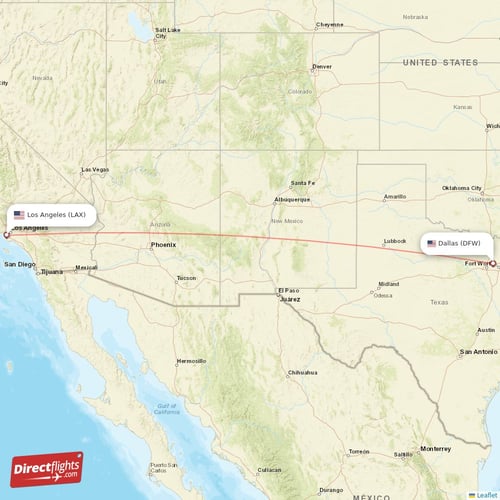
This is one of the busiest air corridors in the United States. Direct flights from Dallas/Fort Worth International Airport (DFW) to Los Angeles International Airport (LAX) generally range from 3 hours to 3 hours and 30 minutes. These routes are frequently serviced by major airlines, offering numerous daily options.
Houston to San Francisco
Another prominent route, connecting the energy hub of Texas with California’s tech capital. Direct flights from George Bush Intercontinental Airport (IAH) to San Francisco International Airport (SFO) typically take between 3 hours and 30 minutes to 4 hours. The slightly longer duration reflects the increased distance compared to Southern California destinations.
Austin to San Diego
Connecting Texas’s state capital with Southern California’s coastal gem, this route is popular for both business and leisure. Direct flights from Austin-Bergstrom International Airport (AUS) to San Diego International Airport (SAN) usually fall within the 2 hours and 45 minutes to 3 hours and 15 minutes range.
Other Routes and Variations
Flights to other destinations like Sacramento (SMF) or smaller regional airports in California from major Texas hubs will generally adhere to similar direct flight durations, adjusted for specific distances. Less common city pairs often require connecting flights, which, as noted, can push total travel times to 6-8 hours or more, including layovers. Always verify the most up-to-date flight times with your chosen airline or booking platform.
Maximizing Your Travel Experience
Beyond simply knowing the flight duration, strategic planning can significantly enhance your travel experience from Texas to California.
Choosing the Right Flight
Consider the time of day. Early morning flights often experience fewer delays than afternoon or evening flights. Red-eye flights (overnight flights) can allow you to arrive in California early, maximizing your first day, but may require you to sleep on the plane. Evaluate the airline’s reputation for on-time performance and its in-flight amenities. Seat selection can also make a difference; aisle seats offer easier movement, while window seats provide views and a wall to lean on.
In-Flight Comfort and Entertainment
Even a 3-4 hour flight can feel long without proper preparation. Pack essential comfort items like a neck pillow, eye mask, and noise-canceling headphones. Download movies, TV shows, podcasts, or e-books before departure, as in-flight Wi-Fi or entertainment systems might not always be reliable or free. Stay hydrated, stretch periodically, and wear comfortable clothing to make the journey more pleasant.
Airport Experience on Both Ends
Arrive at your departure airport with ample time to navigate security, especially during peak travel periods. Major airports like DFW and LAX can have lengthy security lines. Utilize mobile boarding passes and airport apps for real-time updates. Upon arrival in California, be prepared for potentially crowded baggage claim areas and factor in time for ground transportation to your final destination.
Planning Your Journey: Beyond Flight Duration
While flight duration is central to travel planning, it’s just one piece of the puzzle. A holistic approach ensures a seamless trip.
Time Zone Changes
When flying from Texas to California, you will cross two time zones. Most of Texas observes the Central Time Zone, while California operates on the Pacific Time Zone. This means that upon arrival in California, you will “gain” two hours. For example, a flight departing Dallas at 9:00 AM CT and lasting 3 hours will land in Los Angeles at 10:00 AM PT (9 AM CT + 3 hours flight = 12 PM CT; 12 PM CT – 2 hours = 10 AM PT). This time difference is crucial for scheduling meetings, tours, or simply informing loved ones of your arrival.
Ground Transportation Upon Arrival
Once your flight lands in California, you’ll need to consider how to reach your final destination. Major California airports offer a range of options, including rental cars, ride-sharing services (Uber, Lyft), taxis, shuttle services, and public transportation (e.g., LAX FlyAway in Los Angeles, BART in San Francisco). Research and pre-book if necessary, especially if arriving during peak hours or to a less accessible location.
Booking Strategy
To secure the best flight times and fares, it’s generally advisable to book your tickets in advance, typically 1-3 months out for domestic travel. Flexibility with your travel dates can also yield better deals. Utilize flight comparison websites but also check airline websites directly, as they sometimes offer exclusive deals. Consider flying during off-peak seasons or on weekdays for potentially shorter lines and lower costs.
In conclusion, a direct flight from Texas to California will typically range from 2.5 to 4 hours, depending on the specific cities. Accounting for time zone changes, potential delays, and ground transportation will provide the most accurate estimate of your overall travel time, ensuring a smooth and enjoyable journey across the Southwestern United States.
LifeOutOfTheBox is a participant in the Amazon Services LLC Associates Program, an affiliate advertising program designed to provide a means for sites to earn advertising fees by advertising and linking to Amazon.com. Amazon, the Amazon logo, AmazonSupply, and the AmazonSupply logo are trademarks of Amazon.com, Inc. or its affiliates. As an Amazon Associate we earn affiliate commissions from qualifying purchases.