
The allure of a perfectly grilled steak is a universal pleasure, and for many aficionados, the New York strip stands as a paragon of beefy excellence. Its distinctive texture, robust flavor, and satisfying chew make it a perennial favorite on menus and at backyard barbecues alike. But what exactly defines this sought-after cut, and what sets it apart from its steakhouse brethren? Delving into the anatomy of a New York Steak reveals a fascinating story of bovine anatomy, culinary tradition, and the discerning palate.
The Anatomy of a Prime Cut: Understanding the Sirloin
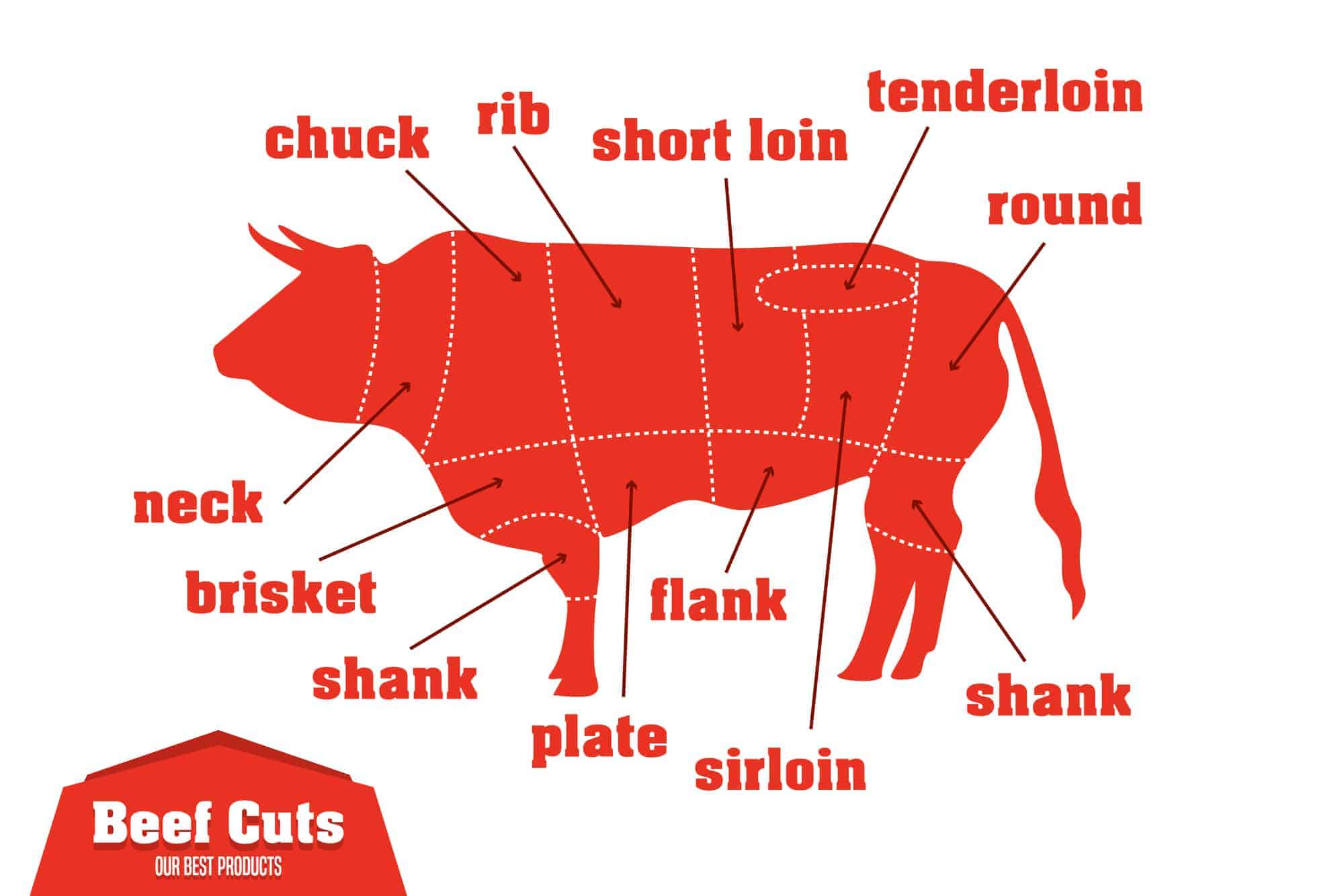
At its core, the New York steak originates from the short loin primal cut of the cow. Specifically, it is derived from the top sirloin section, a muscle that is relatively less worked by the animal. This lack of strenuous activity contributes significantly to the steak’s desirable tenderness. The short loin itself is a highly prized area, also yielding other premium cuts like the filet mignon (tenderloin) and the porterhouse and T-bone steaks. The New York strip, however, occupies a distinct position within this esteemed region.
Locating the New York Strip
To visualize its origin, imagine the cow’s back, running from the rib cage towards the hindquarters. The short loin is situated just behind the rib section. The New York strip is cut from the forward portion of the short loin, adjacent to the ribeye. It is separated from the tenderloin by the vertebral bones, which are removed during the butchering process for this particular cut. This placement ensures that the New York steak benefits from the tenderness of the loin while retaining a more pronounced beefy character than the filet mignon.
The Marbling Factor
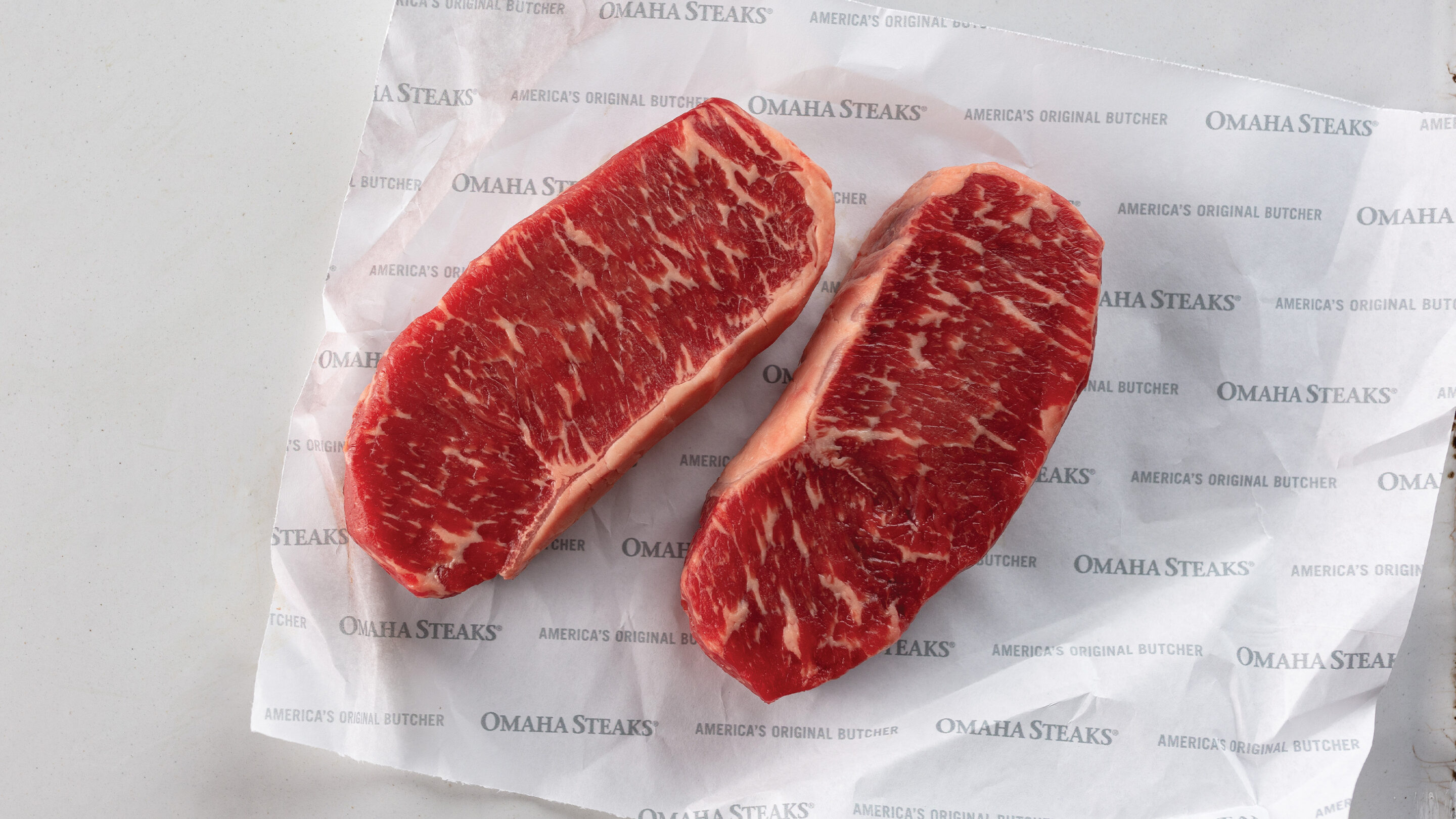
A key characteristic of a high-quality New York steak is its marbling – the intricate web of intramuscular fat. These thin streaks of fat, when rendered during cooking, melt into the muscle fibers, basting the meat from within. This internal lubrication is responsible for much of the steak’s juiciness and rich flavor. The ideal New York strip will exhibit a good, even distribution of marbling throughout the cut. While the Wagyu breed is renowned for its extreme marbling, even prime cuts of traditional breeds like Angus will display this crucial trait. The presence and quality of marbling are often indicators of the beef’s grade, with higher grades like Prime and Choice featuring more abundant marbling than Select or Standard.
Distinguishing Features: What Makes It a New York?
Beyond its anatomical origin, several visual and textural cues define a New York steak, differentiating it from other popular cuts.
Shape and Size
New York steaks are typically rectangular or oval in shape, with a consistent thickness, usually ranging from 1 to 1.5 inches. This uniformity in thickness is crucial for even cooking, allowing home cooks and professional chefs alike to achieve a perfect sear on the exterior while maintaining the desired internal temperature. The edges of the steak often feature a strip of fat, which contributes to flavor and can be trimmed before or after cooking, depending on personal preference.
Texture and Grain
The grain of a New York steak is noticeably coarser than that of a filet mignon. This more robust grain structure contributes to its characteristic chew, which many steak lovers find highly satisfying. When cooked properly, the meat remains tender and succulent, but with a firmer bite than the melt-in-your-mouth texture of a tenderloin. This textural contrast is part of what makes the New York strip so appealing; it offers a substantial, meaty experience.
The Absence of the Bone
Unlike its close cousins, the T-bone and porterhouse steaks, a true New York strip is boneless. The bone that separates the New York strip from the tenderloin in the short loin is removed during the butchering process for this specific cut. This makes it easier to handle and cook, and it ensures that all the delicious meat is available for consumption without the presence of a bone.

Culinary Versatility: From Grill to Pan
The New York steak’s robust flavor and satisfying texture lend themselves to a variety of cooking methods, making it a favorite in kitchens around the world.
Grilling Excellence
Perhaps the most popular method for preparing a New York steak is grilling. The high heat of the grill sears the exterior to a beautiful crust, while the internal fat renders, basting the meat. Grilling imparts a desirable smoky flavor that complements the beef’s natural richness. For optimal results, it’s recommended to grill over direct, high heat, searing each side before moving to a slightly cooler part of the grill to finish cooking to the desired internal temperature.
Pan-Searing Mastery
Pan-searing is another highly effective method, particularly for achieving an exceptional crust. A heavy-bottomed skillet, such as cast iron, is ideal for this technique. Searing the steak in a hot pan with a bit of oil or butter creates a deeply browned exterior, often referred to as the “Maillard reaction.” Basting the steak with melted butter, garlic, and herbs during the final stages of pan-searing can add layers of aromatic flavor.
Broiling and Roasting
While less common for individual steaks, broiling can mimic the intense heat of grilling, and a thick New York steak can also be roasted in the oven after an initial sear. These methods require careful monitoring of internal temperature to avoid overcooking.
Seasoning and Pairing
The inherent flavor of a New York steak is complex enough to shine with simple seasoning, often just salt and freshly cracked black pepper. However, it also pairs beautifully with a range of sauces and accompaniments. Classic steak sauces like béarnaise, peppercorn sauce, or a red wine reduction can elevate the experience. For those seeking a lighter touch, grilled or roasted vegetables, creamy mashed potatoes, or a crisp salad provide perfect counterpoints.
Why the “New York” Name?
The origin of the name “New York steak” is a subject of some debate, but it is widely believed to stem from its popularity in the classic steakhouses of New York City. These establishments, many of which have operated for decades, served this cut with great success, cementing its association with the city’s legendary culinary scene. It’s also known by other names in different regions, such as the “strip steak,” “Kansas City strip,” or “top loin steak.” Regardless of the moniker, the cut itself remains consistent in its appeal and quality.
Choosing and Cooking the Perfect Steak
When selecting a New York steak, look for bright red color, firm texture, and good marbling. The thickness is also important for achieving a balance of a well-seared exterior and a tender, juicy interior.
Cooking Temperatures
- Rare: 120-125°F (49-52°C) – Cool, red center.
- Medium-Rare: 130-135°F (54-57°C) – Warm, red center. This is often considered the ideal temperature for a New York strip.
- Medium: 135-145°F (57-63°C) – Hot, pink center.
- Medium-Well: 145-155°F (63-68°C) – Slightly pink center.
- Well-Done: 155°F+ (68°C+) – Little to no pink.
Using a meat thermometer is the most accurate way to ensure your steak reaches the desired doneness. Always allow your steak to rest for 5-10 minutes after cooking before slicing. This crucial step allows the juices to redistribute throughout the meat, resulting in a more tender and flavorful steak. The New York steak, with its satisfying chew, rich flavor, and excellent cooking versatility, rightfully holds its place as a beloved staple in the world of premium beef.
LifeOutOfTheBox is a participant in the Amazon Services LLC Associates Program, an affiliate advertising program designed to provide a means for sites to earn advertising fees by advertising and linking to Amazon.com. Amazon, the Amazon logo, AmazonSupply, and the AmazonSupply logo are trademarks of Amazon.com, Inc. or its affiliates. As an Amazon Associate we earn affiliate commissions from qualifying purchases.