
Venturing into the pristine wilderness of California for a deer hunt offers an unparalleled outdoor experience, blending the thrill of the chase with the serene beauty of the state’s diverse landscapes. For both seasoned hunters and those new to the sport, understanding the financial commitment involved, particularly the cost of a deer tag, is a crucial first step in planning a successful and compliant expedition. This guide delves into the specifics of deer tag pricing, associated fees, and essential regulatory insights for anyone considering deer hunting as an activity in the Golden State.
Understanding California’s Deer Hunting Landscape
California presents a complex yet rewarding environment for deer hunting, primarily focusing on Black-tailed deer, Mule deer, and Columbian black-tailed deer across various geographical zones. Before even considering the cost of a tag, it’s vital to grasp the regulatory framework set forth by the California Department of Fish and Wildlife (CDFW). This department meticulously manages wildlife populations to ensure sustainability and ethical hunting practices.
Deer Hunting as a California Outdoor Activity
Deer hunting in California is more than just an activity; it’s often a tradition, a means of connecting with nature, and a component of wildlife management. The state’s vast public lands, from the dense forests of the north to the rugged mountains of the Sierra Nevada and the arid expanses of the desert, provide diverse habitats for deer populations. Hunters contribute significantly to conservation efforts through license and tag fees, which directly fund wildlife research, habitat restoration, and enforcement programs. Engaging in this activity requires not only physical preparedness but also a deep respect for the environment and the animals. For many, it’s an annual pilgrimage, a chance to escape urban life and immerse themselves in the quiet solitude of California’s wild places, often extending into a multi-day trip that includes camping, hiking, and exploring the local natural culture.
Zones, Seasons, and Regulations
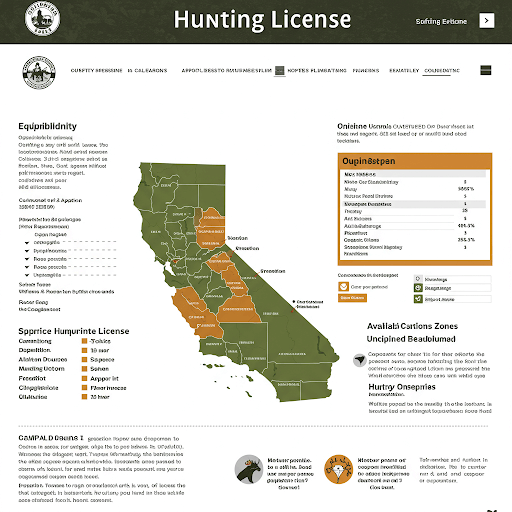
California is divided into numerous deer hunting zones (e.g., A, B, C, D, X zones), each with specific regulations, bag limits, and hunting seasons. These zones are established based on deer population densities, habitat conditions, and management goals. For instance, “A zones” typically cover the coastal ranges and have earlier, often longer, archery and general seasons, while “X zones” in the northeastern part of the state are known for trophy-quality deer and are often managed through a draw system due to limited tags.
Understanding which zone you intend to hunt in is paramount, as it directly impacts the type of tag you apply for and its availability. Seasons vary widely by zone and weapon type (archery, general firearms, muzzleloader). The CDFW publishes detailed regulations annually, which are accessible online and at license agents. These regulations specify legal hunting hours, permitted weaponry, mandatory hunter education requirements, and carcass tagging procedures. Non-compliance can lead to severe penalties, underscoring the importance of thorough preparation and adherence to all rules.
The Cost Breakdown: Deer Tags and Related Fees
The monetary investment for deer hunting in California extends beyond just the deer tag itself. It involves a combination of licenses, stamps, and potentially draw application fees. These costs vary significantly between residents and non-residents, reflecting the state’s interest in prioritizing local conservation funding and opportunities.
Resident vs. Non-Resident Tags
The primary factor influencing the cost of a deer tag is residency status. California residents typically enjoy significantly lower fees, which is a common practice across states to encourage local participation in wildlife management and provide affordable recreational opportunities for taxpayers.
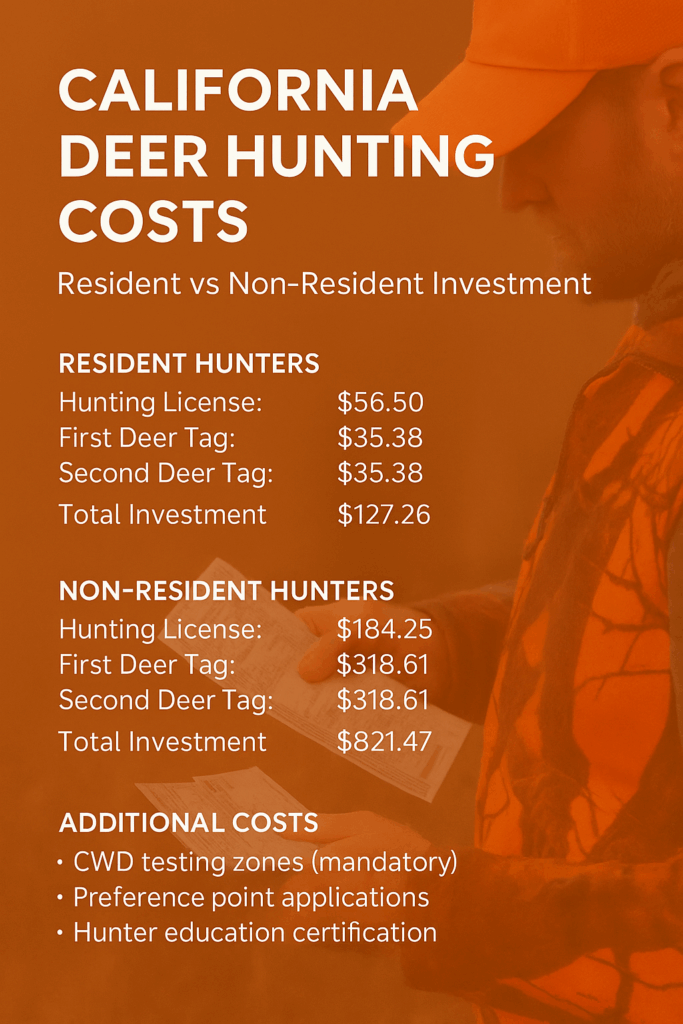
As of recent seasons, a general deer tag for a California resident typically costs in the range of $35 to $45. This fee covers one deer tag, which allows the harvest of one deer, usually a buck with specific antler requirements depending on the zone. For youth hunters (under 16), the cost is often considerably lower, sometimes under $10, to encourage participation from a young age.
For non-residents, the cost is substantially higher, reflecting the privilege of hunting in a state where they do not contribute to the general tax base that supports wildlife management. A non-resident general deer tag can range from $300 to $350 or more. This significant difference aims to balance hunting pressure and revenue generation for conservation programs. Non-residents must also be aware of the process for obtaining a California hunting license, which is a prerequisite for purchasing any tags.
Additional Licenses and Stamps
A deer tag cannot be purchased in isolation. It requires a foundational California hunting license. This license is an annual requirement and serves as your permit to hunt any game animals in the state.
- Resident Hunting License: Expect to pay around $55 to $60 for an annual resident hunting license.
- Non-Resident Hunting License: For non-residents, this license is much more expensive, typically costing around $190 to $200.
Beyond the basic hunting license, certain specific activities or species may require additional stamps or validations. While a deer tag typically doesn’t require extra stamps like a waterfowl validation, it’s crucial to review the current CDFW regulations annually, as requirements can change. For example, if you plan to hunt on federal lands, additional permits from the U.S. Forest Service or Bureau of Land Management might be necessary, though these are typically not related to the deer tag itself but rather access or camping.
Special Draw Tags and Preference Points
Many of California’s most coveted deer hunting opportunities, particularly in the “X zones” known for larger deer or specific herd management units, are allocated through a lottery or draw system. These “premium” or “limited entry” tags offer a higher chance of success due to restricted hunter numbers and carefully managed populations.
Applying for these special draw tags usually involves an application fee, which is typically a nominal amount (e.g., $5 to $10 per application) in addition to the cost of the tag if successful. Importantly, you often purchase the tag fee upfront when applying, and if unsuccessful, the tag fee is refunded, but the application fee is usually non-refundable.
California utilizes a preference point system for deer tag draws. For every year an applicant is unsuccessful in drawing a tag in the first choice hunt, they accrue one preference point. These points increase your odds in subsequent draws, giving a significant advantage to those who consistently apply. There might also be a small fee to purchase a preference point without applying for a tag, enabling hunters to build points for future opportunities. Understanding and strategically using the preference point system is a key tip for serious California deer hunters.
Navigating the Application Process
Once you understand the costs, the next step is the application and purchase process. The CDFW has streamlined methods, but awareness of deadlines and quotas is critical.
Online vs. In-Person Purchases
The CDFW offers multiple convenient avenues for purchasing hunting licenses and tags.
- Online: The most common and often easiest method is through the CDFW’s online license sales system. Hunters can create an account, purchase their annual hunting license, and then apply for or purchase deer tags. This system allows for convenient payment and often provides immediate access to printable licenses and tags (though physical tags are usually mailed for some categories).
- In-Person: Licenses and tags can also be purchased at authorized license agents throughout California. These agents include many sporting goods stores, bait and tackle shops, and some department stores. Purchasing in person allows for direct interaction and immediate receipt of physical documents, which some hunters prefer. You can find a list of authorized vendors on the CDFW website.
- CDFW Offices: A limited number of CDFW regional offices also process license and tag sales, particularly for more complex transactions or assistance.
Regardless of the method, ensure you have all necessary identification and, if applicable, proof of hunter education completion. For first-time hunters in California, a hunter education certificate is mandatory.
Deadlines and Quotas
Adhering to application deadlines is perhaps the most critical aspect of securing a deer tag, especially for the popular draw-only zones (X zones). The application period for these draw tags typically runs from late April through early June. Missing this window means missing out on the opportunity for that hunting season.
For general tags (over-the-counter tags), while they are available for purchase throughout the season, some zones have limited quotas that can sell out. For example, certain B zones or D zones might have a finite number of tags. It’s advisable to purchase these tags well in advance of the season opener to avoid disappointment, particularly if you have a specific zone in mind. Quotas are established to manage deer populations and hunting pressure within specific areas, ensuring sustainable wildlife resources. Always consult the current year’s CDFW hunting regulations booklet for precise dates and quotas.
Essential Tips for California Deer Hunters
Beyond the financial and administrative aspects, a successful and enjoyable deer hunt in California hinges on preparation, ethical conduct, and leveraging available resources.
Safety and Ethics
Hunter safety is paramount. All hunters must complete a hunter education course before purchasing their first California hunting license. Beyond the legal requirement, safe firearm handling, knowledge of your hunting grounds, and awareness of your surroundings are non-negotiable. Ethical hunting practices, including fair chase principles, proper shot placement, and immediate retrieval of harvested game, uphold the integrity of the sport. Respect for private property, obtaining necessary permissions, and adhering to all hunting regulations are fundamental responsibilities of every hunter.
Planning Your Hunt and Gear
California’s diverse terrain means vastly different hunting conditions. A hunt in the Siskiyou Mountains will require different gear and tactics than one in the Mojave Desert. Thorough scouting, understanding the local habitat, and being prepared for varying weather conditions are crucial. Essential gear includes appropriate clothing, navigation tools (GPS, maps, compass), first-aid supplies, water, food, and reliable hunting equipment. If planning a multi-day trip, consider camping gear and food storage solutions to minimize impact on the environment. For non-residents, planning accommodation and travel logistics early is a wise tip.
Engaging with Local California Department of Fish and Wildlife Resources
The CDFW is an invaluable resource for hunters. Their website offers comprehensive guides, maps, regulations, and often forecasts for various hunting zones. Biologists and game wardens are dedicated to conservation and can provide insightful information. Attending local hunter forums, joining conservation organizations like the California Deer Association, or speaking with experienced local hunters can also provide invaluable tips and knowledge, helping you prepare for your hunt and better understand the local culture surrounding this activity.
Beyond the Tag: Maximizing Your California Hunting Experience
While the cost of a deer tag is a vital consideration, the overall value of a California deer hunting trip extends far beyond the monetary outlay. It’s an investment in an experience, a contribution to conservation, and an opportunity to explore some of the most beautiful natural landscapes in the country.
Exploring California’s Diverse Habitats
Hunting in California naturally leads to exploring its unparalleled ecological diversity. From the redwood forests of the north coast to the alpine meadows of the Sierra Nevada, and the chaparral-covered hillsides of the central coast, each zone offers a unique natural experience. Hunters often combine their pursuit of deer with other outdoor activities such as hiking, photography, birdwatching, or simply enjoying the tranquility of nature. This broad engagement with the state’s natural beauty enhances the overall tourism experience, making the trip memorable regardless of hunting success.

Contributing to Conservation
Every dollar spent on hunting licenses and deer tags in California directly supports the CDFW’s vital conservation efforts. These funds are critical for habitat preservation, wildlife population monitoring, scientific research, and law enforcement. By participating in regulated hunting, individuals become active stewards of California’s wildlife resources, playing a crucial role in ensuring that deer populations thrive for future generations. This aspect makes the cost of a deer tag not merely an expense, but an investment in the sustained health and biodiversity of the state’s wildlands, aligning perfectly with responsible tourism practices that emphasize local impact and sustainability.
LifeOutOfTheBox is a participant in the Amazon Services LLC Associates Program, an affiliate advertising program designed to provide a means for sites to earn advertising fees by advertising and linking to Amazon.com. Amazon, the Amazon logo, AmazonSupply, and the AmazonSupply logo are trademarks of Amazon.com, Inc. or its affiliates. As an Amazon Associate we earn affiliate commissions from qualifying purchases.