
The question of when Sean “Diddy” Combs was arrested in New York is a complex one, often intertwined with various legal proceedings and public scrutiny. While the mogul has faced numerous legal challenges throughout his career, a specific, widely publicized arrest in New York City has not occurred in the way some public narratives might suggest. It is crucial to differentiate between official arrests, warrants, investigations, and civil lawsuits when discussing such high-profile individuals. The nature of these legal entanglements can often be misconstrued in the public sphere, leading to confusion regarding specific dates and locations of official detentions.
This article aims to clarify the timeline and nature of legal actions involving Sean Combs in New York, focusing on events that have been publicly documented and officially confirmed, while acknowledging the broader context of his legal landscape. Understanding the nuances of legal processes is essential to forming an accurate picture of events.
Legal Scrutiny and High-Profile Investigations
Sean Combs, a figure synonymous with New York City and the music industry, has been the subject of significant legal attention at various points. This scrutiny often stems from his immense success and the visibility it affords him, making any legal entanglement a matter of public interest. However, the distinction between an active investigation, a search warrant execution, and an actual arrest is paramount.
Investigations and Law Enforcement Actions
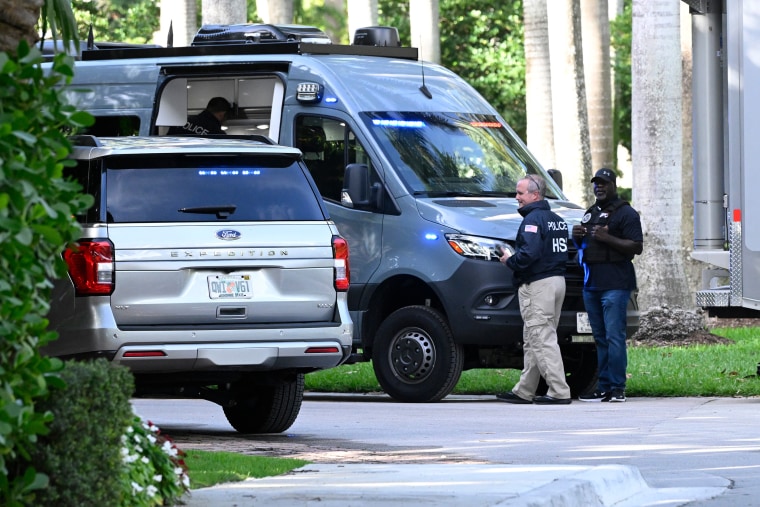
In March 2024, federal agents executed search warrants at multiple properties associated with Sean Combs, including his residences in Los Angeles and New York City. These actions were part of an ongoing federal investigation, reportedly involving allegations of sex trafficking, although official charges have not been brought against him in relation to these specific warrants. The execution of search warrants is a legal process that allows law enforcement to gather evidence but does not equate to an arrest. During such operations, individuals may be questioned, detained temporarily for safety and operational reasons, but an arrest is a formal charge of a crime.
The locations targeted in New York were significant, underscoring the rapper’s deep ties to the city where he built his empire. These properties, often seen as symbols of his success, became the focal points of a federal inquiry. The scope of these investigations, involving multiple agencies and jurisdictions, highlights the seriousness with which such allegations are treated.
Distinguishing Between Investigations and Arrests
It is vital to reiterate that the execution of search warrants, as occurred in March 2024, is not an arrest. An arrest signifies that law enforcement has probable cause to believe an individual has committed a crime and takes them into custody. While the events of March 2024 were highly publicized and involved law enforcement presence at Combs’ residences, reports at the time confirmed that no arrests were made during the execution of those warrants. The focus was on gathering evidence relevant to the ongoing investigation.
The legal landscape surrounding high-profile individuals can be complex, with numerous proceedings potentially happening concurrently or sequentially. This can lead to public confusion regarding the status of any legal action. Understanding the specific legal terminology and the procedural differences between various law enforcement actions is key to accurate reporting and public comprehension.
Historical Legal Encounters and Public Perception
Sean Combs’ career has not been without its legal challenges prior to the recent federal investigations. These past events have also contributed to public perception and can sometimes be conflated with more recent developments. Examining these historical instances can provide a more complete picture of his interactions with the legal system.
Past Incidents and Legal Outcomes

One notable incident that led to an arrest occurred in December 1999. Sean Combs, along with his then-girlfriend Jennifer Lopez, was arrested in connection with a shooting at the now-closed Club New York in Manhattan. Combs was charged with criminal possession of a weapon and possession of stolen property. He was later acquitted of all charges in the subsequent trial. This event was a significant moment in his public life and is often recalled when discussions of his legal history arise.
Another instance involved an altercation in 2004 where Combs was arrested outside the Palladium nightclub in New York City after an argument with a police officer. He was charged with misdemeanor assault and was later released on bail. These past events, while distinct from the recent federal investigations, form part of a broader narrative of legal encounters that have played out under the public’s gaze.
The Role of Media and Public Information
The media’s role in reporting on legal matters involving celebrities is significant. The sensational nature of arrests and investigations often leads to widespread coverage, which can sometimes outpace official confirmation or lead to speculation. In the case of Sean Combs, the extensive media attention surrounding both past arrests and recent investigations necessitates a careful approach to understanding the facts.
Public perception is often shaped by headlines and initial reports. It is essential for consumers of news to seek out verified information and to understand the stages of legal proceedings. The distinction between an accusation, an investigation, and a conviction is a fundamental aspect of due process and fair reporting. The legal system is designed with specific protocols, and understanding these protocols is key to interpreting events accurately.
Navigating Legal Complexities in New York
New York City, as a major global hub and a center for entertainment and finance, often finds itself at the nexus of high-profile legal cases. The city’s legal infrastructure, including its law enforcement agencies and judicial system, handles a vast number of cases, from minor offenses to complex federal investigations. Understanding the legal framework within which individuals like Sean Combs operate is crucial.
Law Enforcement Agencies and Jurisdictions
The law enforcement agencies involved in any legal action in New York can vary. For incidents occurring within the five boroughs, the New York City Police Department (NYPD) is typically the primary responding agency. However, federal investigations, such as the one involving Sean Combs in March 2024, often involve agencies like the Federal Bureau of Investigation (FBI) and the Department of Homeland Security. These federal agencies operate under federal law and can conduct investigations that transcend city and state boundaries.
The distinction in jurisdiction is important. An arrest made by the NYPD would be processed through the New York State court system, while a federal investigation could lead to charges in federal court. The specific nature of the alleged crimes dictates which agencies are involved and which legal system will preside over the case.

The Legal Process: From Investigation to Resolution
The legal process is rarely instantaneous. Investigations can take months or even years to unfold. During an investigation, law enforcement may gather intelligence, interview witnesses, and execute search warrants. If sufficient evidence is found, prosecutors may decide to bring charges. An arrest is the formal initiation of the criminal justice process, where an individual is taken into custody.
Following an arrest, an individual is typically booked, informed of their rights, and may be brought before a judge for an arraignment. Bail may be set, or the individual may be held without bail depending on the charges and the jurisdiction. The subsequent stages involve pre-trial proceedings, potential plea bargains, or a trial. The resolution of a case can range from dismissal of charges to acquittal or conviction and sentencing.
For Sean Combs, the ongoing federal investigation means that the legal process is still unfolding. While there have been no confirmed arrests in New York directly related to this most recent federal inquiry, past incidents and the current scrutiny highlight the intricate legal challenges that public figures can face. Understanding these processes is key to interpreting news and developments accurately, especially within the dynamic legal environment of New York City.
LifeOutOfTheBox is a participant in the Amazon Services LLC Associates Program, an affiliate advertising program designed to provide a means for sites to earn advertising fees by advertising and linking to Amazon.com. Amazon, the Amazon logo, AmazonSupply, and the AmazonSupply logo are trademarks of Amazon.com, Inc. or its affiliates. As an Amazon Associate we earn affiliate commissions from qualifying purchases.