
Boston, Massachusetts, a city steeped in history, innovation, and vibrant culture, is a perpetual magnet for both residents seeking opportunity and visitors craving an authentic American experience. The question, “How many people live in Boston?” is far more complex than a simple number; it’s a gateway to understanding the city’s dynamic character, its economic engine, its diverse communities, and its ever-evolving urban landscape. This exploration delves beyond mere statistics to reveal the interplay between Boston’s permanent population, its transient student body, its daily influx of commuters, and the millions of tourists who grace its cobblestone streets annually, all contributing to the unique rhythm of this iconic New England metropolis.
Unpacking Boston’s Current Population Figures
To truly grasp the essence of Boston, it’s crucial to examine the various facets of its population, distinguishing between permanent residents and the broader metropolitan area that forms its economic and cultural sphere. These numbers tell a story of growth, change, and the constant ebb and flow that defines a major global city.
The Core Numbers: Residents vs. The Metropolitan Area
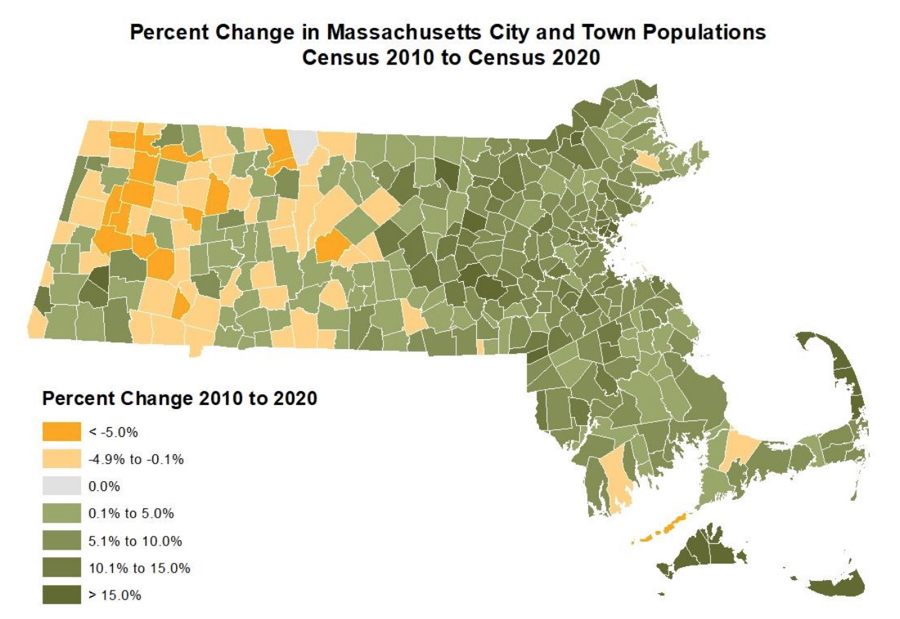
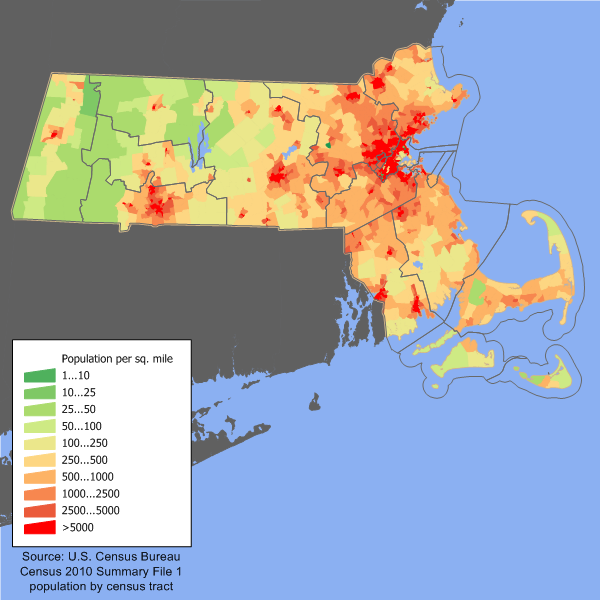
As of recent estimates, the population of Boston proper stands at approximately 670,000 residents. This figure represents the permanent inhabitants within the city’s official municipal boundaries. However, this number alone doesn’t capture the full scope of Boston’s influence or its daily vibrancy. The Greater Boston Metropolitan Statistical Area (MSA) is home to a staggering 4.9 million people, making it one of the largest metropolitan regions in the United States. This vast distinction highlights Boston’s role as the economic and cultural hub for a much larger region, drawing in workers, students, and shoppers from dozens of surrounding cities and towns. Each workday, the city’s population swells significantly with commuters traveling from across Massachusetts and neighboring states, contributing to the bustling streets and vibrant business districts. This daily influx places considerable demands on the city’s infrastructure, from public transportation like the MBTA to its array of dining establishments and retail spaces. Understanding the difference between the city proper and the broader metropolitan area is key to appreciating Boston’s true scale and impact.
Historical Growth and Demographic Shifts
Boston’s population history is a testament to its enduring appeal and adaptability. Founded in 1630 by Puritan colonists, it rapidly grew into a pivotal port city and intellectual center in colonial America. Over centuries, its population swelled with waves of immigration, from the Irish and Italians in the 19th and early 20th centuries to more recent arrivals from Asia, Latin America, and beyond. This rich tapestry of cultures has profoundly shaped Boston’s demographic profile, making it a diverse and multicultural metropolis.
Today, Boston boasts a highly educated populace, driven by its numerous world-class universities, including Harvard University and the Massachusetts Institute of Technology (MIT). A significant portion of its residents are young professionals and students, contributing to a dynamic, forward-thinking atmosphere. The median age in Boston is notably lower than the national average, reflecting its status as a magnet for young talent and academia. Ethnically, the city is a melting pot, with significant populations of white, Black, Hispanic, and Asian residents, each contributing to the city’s diverse culinary scene, vibrant neighborhoods, and unique cultural events. This blend of historical roots and modern diversity ensures that Boston remains a microcosm of global society, continually evolving while proudly preserving its heritage.
The Dynamic Interplay: Residents, Visitors, and the Urban Fabric
The number of people living in Boston is just one piece of the puzzle. The city’s true dynamism emerges from the constant interaction between its permanent residents, its substantial student population, the daily influx of commuters, and the millions of tourists who flock to its shores each year. This intricate interplay shapes everything from the city’s economy to its infrastructure and cultural offerings.
Boston as a Global Tourist Destination
Boston’s appeal as a tourist destination is undeniable. Annually, the city welcomes over 20 million domestic and international visitors, far outnumbering its resident population. These visitors are drawn to Boston for a multitude of reasons, making tourism a cornerstone of the city’s economy. History buffs come to walk the Freedom Trail, reliving pivotal moments of the American Revolution. Sports enthusiasts flock to Fenway Park to catch a Boston Red Sox game or to TD Garden for the Celtics or Bruins. Art and culture lovers explore institutions like the Museum of Fine Arts and the Isabella Stewart Gardner Museum, while foodies indulge in the diverse culinary scene, from fresh seafood in the Seaport District to authentic Italian in the North End.
Major events, conventions, and academic conferences also contribute significantly to visitor numbers, solidifying Boston’s reputation as a premier destination for business and leisure travel. The influx of tourists supports a vast ecosystem of tourism-related businesses, from tour operators and souvenir shops to restaurants and entertainment venues, all of which thrive on the city’s vibrant atmosphere and historical allure. The careful balance between accommodating residents and catering to the needs of millions of visitors is a continuous task for city planners and businesses alike.
Impact on Accommodation and Hospitality
The sheer volume of both residents and visitors has a profound impact on Boston’s accommodation landscape. The city boasts a comprehensive range of options, catering to every budget and travel style, reflecting the diverse demands placed upon its hospitality sector. For those seeking luxury, Boston offers an array of high-end hotels, such as the Four Seasons Hotel Boston overlooking Boston Public Garden or the modern Omni Boston Hotel at the Seaport, providing opulent suites, exceptional amenities, and unparalleled service. Boutique hotels, often housed in historic buildings in neighborhoods like Beacon Hill or Back Bay, offer a more personalized and charming experience, blending local character with contemporary comforts.
Mid-range and budget-friendly hotels are strategically located throughout the city and near major transportation hubs, ensuring accessibility for all travelers. Beyond traditional hotels, the rise of serviced apartments and extended-stay hotels caters to business travelers and families seeking more space and home-like conveniences for longer visits. The academic community, with its constant flow of visiting scholars, researchers, and families of students, also contributes to the demand for diverse lodging options. This robust and varied accommodation sector is a direct response to the consistent demand generated by Boston’s bustling population and its status as a top-tier travel destination. Investing in sustainable and efficient booking systems and offering transparent reviews and comparison tools are crucial for visitors navigating this rich market.
Landmarks and Attractions: A Magnet for All
Boston’s iconic landmarks and attractions serve as focal points for both its residents and its visitors, embodying the city’s rich narrative and cultural vibrancy. These sites are not merely historical relics but living spaces that continually engage and inspire. The Freedom Trail, a 2.5-mile red-lined path connecting 16 historically significant sites, is a prime example. While tourists traverse it to absorb the stories of the Revolution, locals frequently pass by or use portions of it, appreciating the historical backdrop of their daily lives.
Boston Common and the adjacent Boston Public Garden offer vital green spaces for both urban dwellers seeking respite and visitors looking for picturesque scenery or a Swan Boat ride. Faneuil Hall Marketplace, once a bustling meeting house, is now a vibrant center for shopping, dining, and street performances, attracting both tourists and locals for entertainment and culinary delights. Cultural institutions like the New England Aquarium, the Museum of Science, and the Boston Children’s Museum provide educational and recreational experiences for families from across the metropolitan area, complementing their appeal to out-of-town guests. The continued preservation and dynamic use of these landmarks ensure they remain central to Boston’s identity, catering to a broad spectrum of interests and fostering a shared sense of place for everyone who experiences them.
Life in Boston: What the Numbers Tell Us About the Lifestyle
The population figures of Boston are not merely abstract data points; they reveal crucial insights into the quality of life, economic opportunities, and lifestyle choices available in this bustling metropolis. From its robust economy to its distinct neighborhoods, the numbers underscore Boston’s unique character.
Economic Powerhouse and Innovation Hub
Boston’s dense, highly educated population is the bedrock of its formidable economy. The city is a global leader in several key sectors, driven by its intellectual capital and innovative spirit. Biotechnology and pharmaceuticals thrive here, with a concentration of research institutions and companies in areas like Cambridge and the Longwood Medical Area. Education is another cornerstone, employing thousands and attracting top talent from around the globe to its numerous colleges and universities. Finance, asset management, and venture capital also have a strong presence, contributing to Boston’s status as a major financial center.
The vibrant tech scene, often dubbed “Bostons Silicon Valley,” continues to grow, fostering startups and innovation. The high concentration of skilled workers and a culture of collaboration fuels these industries, leading to a dynamic job market and a relatively high median household income. This economic strength not only sustains the resident population but also attracts new talent, ensuring a continuous cycle of growth and innovation. The city’s robust economy is a primary driver for many choosing to live, work, and even visit Boston, solidifying its role as a hub of opportunity.

Navigating Urban Living: Neighborhoods and Culture
Living in Boston means embracing a rich tapestry of distinct neighborhoods, each with its own character and charm, shaped by the diverse populations that call them home. From the historic brownstones of Beacon Hill to the bustling Italian eateries of the North End, and the modern high-rises of the Seaport District, there’s a place for every lifestyle. This rich diversity fosters a dynamic cultural scene, with live music venues, theaters, art galleries, and an abundance of ethnic restaurants reflecting the city’s multicultural populace.
However, urban living in Boston also comes with its challenges, most notably the high cost of living, particularly housing, which is among the highest in the United States. This factor influences population density and accessibility for different income brackets. The city’s efficient public transportation system, the MBTA, is crucial for daily commutes, connecting residents across various neighborhoods to their workplaces and attractions, reducing reliance on personal vehicles in the often-congested city center. Despite the challenges, the high quality of life, access to world-class education and healthcare, and a strong sense of community draw people to make Boston their home, creating a lifestyle that is both demanding and deeply rewarding.
Challenges and Opportunities of a Growing Metropolis
As a continuously growing metropolis, Boston faces a unique set of challenges and opportunities directly tied to its population dynamics. The increasing number of residents and commuters places pressure on urban infrastructure, demanding ongoing investments in transportation, public services, and green spaces. Housing affordability remains a critical concern, prompting city initiatives aimed at expanding affordable housing options and managing gentrification. Environmental sustainability, particularly in a coastal city vulnerable to climate change, is another key focus, with efforts to develop resilient infrastructure and promote eco-friendly urban planning.
However, growth also brings immense opportunities. The expanding population fuels continued economic prosperity, attracting further investment and talent. The city’s commitment to innovation and education positions it well for future industries. Public art initiatives, community events, and the preservation of historical sites enrich the urban experience, fostering a stronger sense of identity and belonging for its inhabitants. Looking ahead, Boston’s ability to strategically manage its growth, address social equity, and foster sustainable development will define its future, ensuring it remains a vibrant, thriving city for both its current residents and generations to come.
In conclusion, the question of “How many people live in Boston, Massachusetts?” serves as a fascinating entry point into understanding a city that is far more than the sum of its parts. With a resident population of approximately 670,000, bolstered by a metropolitan area nearing 5 million, and hosting over 20 million annual visitors, Boston is a vibrant, interconnected ecosystem. It’s a city where historical echoes blend seamlessly with cutting-edge innovation, where diverse communities thrive, and where every street corner tells a story. Whether you’re considering a move, planning a visit, or simply curious about this iconic American city, understanding its population dynamics is essential to appreciating the true depth and enduring appeal of Boston.
LifeOutOfTheBox is a participant in the Amazon Services LLC Associates Program, an affiliate advertising program designed to provide a means for sites to earn advertising fees by advertising and linking to Amazon.com. Amazon, the Amazon logo, AmazonSupply, and the AmazonSupply logo are trademarks of Amazon.com, Inc. or its affiliates. As an Amazon Associate we earn affiliate commissions from qualifying purchases.