
The sun-drenched landscape of Central Florida is globally synonymous with magical theme parks, luxury resorts, and unparalleled family vacations. Millions flock annually to Orlando, Florida, seeking the quintessential American holiday experience, often centered around the enchantment of Walt Disney World Resort. However, beneath this shimmering veneer of fantasy lies a different reality, one starkly illuminated by the critically acclaimed film, “The Florida Project.” This poignant movie offers a captivating, albeit often heartbreaking, glimpse into the lives of those existing on the fringes of this tourism behemoth, redefining what “accommodation” and “travel” mean for a segment of the population.

For anyone interested in travel beyond the brochure, understanding the full spectrum of a destination’s social landscape is crucial. “The Florida Project” serves as a powerful narrative, encouraging viewers to look past the curated tourist experiences and explore the complexities that define a region. It challenges our perceptions of hotels and resorts, demonstrating how these transient spaces can become permanent homes for the working poor, existing in the shadow of opulent vacation havens. This article delves into the core themes of the film, connecting them to the broader topics of travel, hotels, tourism, accommodation, landmarks, and lifestyle, as explored on lifeoutofthebox.com. It’s a journey into the unseen corners of a world-renowned destination, prompting reflection on ethical tourism and the diverse realities of life adjacent to global entertainment.
A Glimpse into the Unseen Side of Orlando Tourism
“The Florida Project” is set primarily in Kissimmee, Florida, a town immediately adjacent to Walt Disney World Resort. This proximity is not incidental; it is central to the film’s narrative and thematic power. While visitors to Kissimmee typically seek its budget-friendly hotels as a gateway to Disney World and other Orlando attractions like Universal Studios or SeaWorld, the film exposes a different purpose for these accommodations. It peels back the layers of the tourism industry, revealing the societal structures that sustain the illusion of perpetual happiness for some, while others struggle for basic stability just a few miles away. This perspective is vital for any traveler seeking a more profound understanding of the places they visit, moving beyond superficial attractions to the heart of local communities.
The Magic Highway: Life Along US 192
The film’s primary setting is along US 192, often dubbed the “Magic Highway,” a stretch of road lined with discount souvenir shops, fast-food restaurants, and most importantly, an abundance of brightly painted, budget motels. These establishments, such as the fictional Magic Castle Inn & Suites where much of the story unfolds, and its equally colorful neighbor, the Futureland Inn, are typically designed for short-term tourist stays. However, for the characters in “The Florida Project,” these motels are not temporary holiday lodgings but rather permanent residences. They serve as the last resort for families who cannot afford conventional housing, often cycling through the transient living provided by weekly rates at places like Motel 6 or Super 8 equivalents.
This unique form of “accommodation” highlights a critical issue within the tourism-driven economy: the creation of a working-class demographic that supports the industry but often struggles to afford its benefits or even stable housing. For budget travelers, understanding that these ostensibly affordable options can also serve as makeshift homes for vulnerable populations adds a layer of complexity to their choices. It forces a re-evaluation of what constitutes a “destination” and the unseen lives intertwined with its economic engine. The stark contrast between the vibrant, almost whimsical exteriors of these motels and the harsh realities faced by their long-term residents is a central theme, inviting travelers to consider the wider social impact of their holiday choices.
Child’s Eye View: Innocence Amidst Hardship
At the heart of “The Florida Project” is the captivating performance of Moonee, a spirited six-year-old girl, and her friends, Scooty and Jancey. Their daily adventures form the narrative backbone, as they navigate the motel grounds and the surrounding commercial wasteland with an unbridled sense of childlike wonder. For them, the sprawling parking lots, abandoned condos, and gaudy gift shops become playgrounds, a canvas for imaginative escapades. They beg for spare change for ice cream, explore forbidden areas, and engage in mischievous pranks, seemingly oblivious to the adult struggles unfolding around them, often orchestrated by Moonee’s young mother, Halley.
This perspective is crucial for understanding the film’s message on lifestyle and travel. It portrays childhood resilience and the universal desire for play, even in challenging circumstances. From a travel perspective, it encourages a deeper look at family trips and the diverse experiences children can have. While many families plan elaborate trips to Walt Disney World for a curated childhood memory, Moonee’s story reminds us that joy and adventure can be found, or created, in unexpected places. It highlights the stark class divide: children only a few miles apart experience vastly different versions of Florida, one characterized by fantasy castles and carefully planned entertainment, the other by the raw, often unsupervised, exploration of their immediate, unglamorous environment. This narrative asks us to consider what truly constitutes a fulfilling childhood experience, regardless of economic status.
Accommodation as a Lifestyle: More Than Just a Stay
The very concept of accommodation is redefined in “The Florida Project.” What are designed as short-term lodging solutions for tourists become de facto homes, blurring the lines between a temporary stay and a permanent residence. This shift has profound implications for understanding hotels, apartments, and villas, moving beyond their utility as mere places to sleep to recognizing their role in shaping the daily lives and livelihoods of their inhabitants. The film delves into the intricacies of managing such properties and the unique challenges faced by those who rely on them for shelter, offering a compelling study of the social dynamics within a transient community.
The Motel Manager: Bobby Hicks’s Role
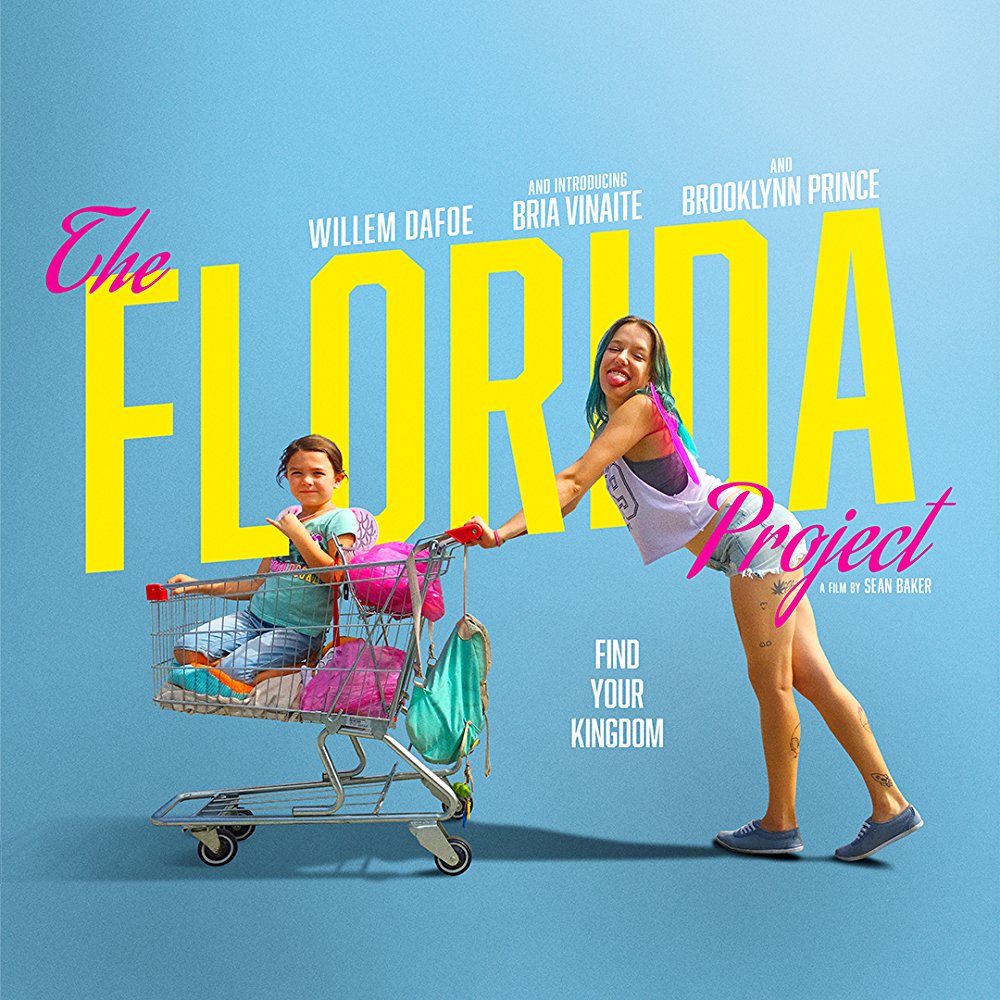
A pivotal character in the film is Bobby Hicks, the manager of the Magic Castle Inn & Suites. Bobby is not just a landlord; he is the reluctant patriarch of this makeshift community. His character epitomizes the complex role of hotel management in these unique circumstances. While his primary responsibility is to maintain order, collect rent, and ensure the smooth operation of the motel for its paying guests (both short-term tourists and long-term residents), he often finds himself acting as a mediator, a confidant, and even a de facto social worker. He’s constantly putting out fires – literally and figuratively – dealing with everything from leaky roofs and unruly children to domestic disputes and attempts at illicit activities.
Bobby’s efforts highlight the hidden human element behind the hospitality industry. For guests accustomed to the seamless amenities of a Grand Hyatt Hotel or a luxurious resort, the film reveals the often-strenuous daily grind of maintaining a budget property and the immense empathy required when your tenants are simultaneously your customers and your neighbors. His quiet acts of kindness and his underlying compassion for the residents, even as he enforces strict rules, demonstrate the profound impact that individuals in service roles can have on the lives of others. This portrayal challenges our typical understanding of hotels and resorts as purely transactional spaces, revealing a deeper, more human dimension to accommodation management.
Budget Stays and Long-Term Living
The film vividly illustrates the precarious nature of living in budget motels on a long-term basis. For families like Moonee’s, the motels represent a fragile last bastion against homelessness. The weekly rent cycle dictates their existence, with constant anxiety about making the next payment. This contrasts sharply with the typical booking process for holidaymakers, who compare reviews and amenities for a comfortable, worry-free stay. For these residents, the “amenities” are basic survival: a roof over their heads, a bed, and perhaps a small refrigerator. The concept of long-term stay is twisted from an extended vacation into an involuntary, perpetual transience.
The daily routines of these families are dictated by their living situation. Access to cooking facilities is often limited, leading to reliance on unhealthy fast food. Privacy is scarce, and the constant threat of eviction looms large. This lifestyle, while a stark reality for many, is a far cry from the luxury travel or even budget travel most people envision. It offers a powerful counter-narrative to the glossy image of Florida tourism, urging travelers to consider the broader socio-economic context of their destinations. It underscores the importance of housing stability and the often-unseen struggles within affluent regions, providing a crucial lens through which to understand the true cost of affordable living in a high-tourism area.
Beyond the Theme Parks: A Different Kind of Florida Experience
“The Florida Project” ultimately serves as an invitation to engage with destinations on a deeper, more empathetic level. It compels us to look beyond the iconic landmarks and curated experiences, to recognize the diverse realities that coexist within a single geographical space. For lifeoutofthebox.com, which champions authentic travel experiences and a holistic understanding of local cultures, the film is a powerful reminder that true exploration involves acknowledging the full spectrum of a place – its joys, its struggles, and its hidden stories.
Redefining Florida Landmarks
When one thinks of Florida landmarks, images of Cinderella’s Castle at Magic Kingdom, the geodesic sphere of Epcot, or the pristine beaches of the Gulf Coast often come to mind. “The Florida Project” subtly redefines what constitutes a “landmark.” The colorful, if dilapidated, motels along US 192 become their own kind of iconic structures. Their faded pastel hues and whimsical architecture, while perhaps once intended to attract tourists, now stand as poignant symbols of forgotten dreams and resilient communities. The “purple wall” of the Magic Castle Inn & Suites, for instance, has gained an almost cult-like status among film enthusiasts, ironically mirroring the photographic fame of actual theme park backdrops.
Beyond the motels, the film elevates everyday places into significant locales: the local diner, the tacky gift shops, the vast parking lots, and even abandoned construction sites become meaningful spaces for Moonee and her friends. This shift in perspective encourages travelers to consider the unsung architectural styles and the unglamorous historical narratives that shape a place. It suggests that landmarks are not solely determined by fame or beauty, but also by their significance to the people who inhabit them, offering a richer understanding of local character and history.

Implications for Responsible Travel and Tourism
The narrative of “The Florida Project” carries significant implications for responsible travel and tourism. It challenges the notion of passive consumption of a destination, urging travelers to be more mindful of the social and economic ecosystems they enter. By showcasing the lives of those who serve the tourism industry but remain largely invisible to its beneficiaries, the film promotes a deeper appreciation for local culture and the real impact of visitor economies.
For individuals planning their next trip, the movie prompts questions: How do my travel choices affect local communities? Am I supporting businesses that also support their employees and residents? What are the tips for engaging with a destination in a way that is respectful and informed? It encourages an approach to travel that seeks authentic experiences beyond the tourist traps, advocating for a curiosity that extends to the nuanced social fabric of a place. By watching “The Florida Project,” travelers gain a unique perspective on the United States and its internal complexities, transforming a seemingly simple vacation into an opportunity for greater cultural understanding and empathy. It’s an essential viewing for anyone who believes that true travel is about connecting with people and places, not just passively observing them.
In conclusion, “The Florida Project” is far more than just a film; it is a profound commentary on the multi-faceted nature of modern tourism and accommodation. It takes us from the glittering promise of Walt Disney World Resort to the poignant reality of life just beyond its gates, forcing us to confront the unseen human stories that underpin our travel dreams. For the lifeoutofthebox.com community, it serves as a powerful reminder that every destination has layers, and truly enriching travel means exploring them all, with an open mind and an empathetic heart. It encourages us to re-evaluate our notions of lifestyle, landmarks, and the true meaning of a “home,” wherever it may be found.