
Embarking on the journey to obtain a driver’s permit in Texas is more than just navigating bureaucratic procedures; it’s about unlocking a new level of independence and freedom. For residents and those considering a longer-term stay in the Lone Star State, understanding this process is paramount. Texas is a vast and diverse state, boasting everything from the bustling urban landscapes of Houston, Dallas, and Austin to the serene beauty of Big Bend National Park and the sandy shores of the Gulf Coast. A driver’s permit is your first step towards experiencing this rich tapestry firsthand, offering the flexibility to explore destinations, discover local culture, and truly immerse yourself in the Texas way of life.
Whether you’re planning a family trip to San Antonio to see the Alamo, dreaming of a road trip through rolling hill country, or simply seeking the convenience of driving to work or school, securing a driver’s permit is a pivotal moment. This comprehensive guide will walk you through every essential step, from understanding eligibility requirements to successfully obtaining your permit, ensuring your path to independent travel in Texas is as smooth as possible.
The Foundation: Eligibility and Initial Steps
Before you even think about hitting the road, understanding the fundamental requirements and gathering the necessary documents is crucial. The Texas Department of Public Safety (DPS) meticulously outlines these prerequisites to ensure all prospective drivers are prepared and legally qualified.
Who Can Apply? Age and Residency Requirements
The journey for a driver’s permit in Texas typically begins at age 15, which is the minimum age to apply for a learner’s license (officially known as an Instruction Permit or Learner License). This permit allows individuals to begin supervised driving practice. For those new to Texas, whether relocating for work, study, or an extended stay that requires various forms of accommodation from hotels to villas, proving Texas residency is a non-negotiable step.
You must be able to demonstrate that Texas is your current primary residence. This requirement ensures that the state can properly track and regulate its drivers, contributing to overall road safety. The residency requirement is especially important for those transitioning from out-of-state, making sure their lifestyle within Texas aligns with the state’s legal framework for vehicle operation.
Gathering Your Documentation: The Essential Checklist
The Department of Public Safety has stringent documentation requirements. Being thoroughly prepared with all the correct paperwork before visiting a DPS office will save you considerable time and potential frustration. Think of this as preparing for an important international trip – every piece of identification matters.
Here’s a detailed checklist of what you’ll typically need:
- Proof of Identity: This is usually a birth certificate or an unexpired U.S. passport. If you’re not a U.S. citizen, proof of lawful presence is required.
- Proof of Social Security Number (SSN): Your Social Security card or another document showing your SSN (e.g., W-2 form, SSA-1099).
- Proof of Texas Residency: You’ll need two documents showing your name and current Texas residential address. Examples include a current utility bill (electricity, water, gas, cable), a current Texas voter registration card, a property deed, mortgage statement, or a residential lease agreement – particularly relevant for those who have recently found accommodation in the state.
- Proof of U.S. Citizenship or Lawful Presence: For U.S. citizens, this is typically satisfied by your birth certificate or passport. Non-U.S. citizens will need documents like an unexpired foreign passport with a visa, I-94, or other immigration documents that prove legal presence.
- Proof of School Enrollment and Verification of Enrollment (VOE): If you are under 18, you must provide a Verification of Enrollment and Attendance (VOE) form from your school. This form certifies that you are currently enrolled and attending school, or that you’ve graduated or obtained a GED. This highlights the importance of balancing educational commitments with the pursuit of a driver’s permit.
- Application for Driver License or ID Card (DL-14A): This form can often be filled out online and printed, or obtained at the DPS office.
- Proof of Completion of an Approved Driver Education Course: For applicants under 18, this is a critical step, which we’ll delve into further.
- Application Fee: Be prepared to pay the required fee, which can vary. Check the DPS website for the most current rates.
Collecting these documents is similar to meticulous planning for complex travel arrangements – organization is key to avoiding delays.
The Learning Phase: Driver Education and Knowledge Testing
Once your documents are in order, the next significant hurdle is acquiring the theoretical knowledge necessary to operate a vehicle safely and legally. This involves completing a driver education course and passing a written knowledge test.
Driver Education Programs: Choosing Your Path
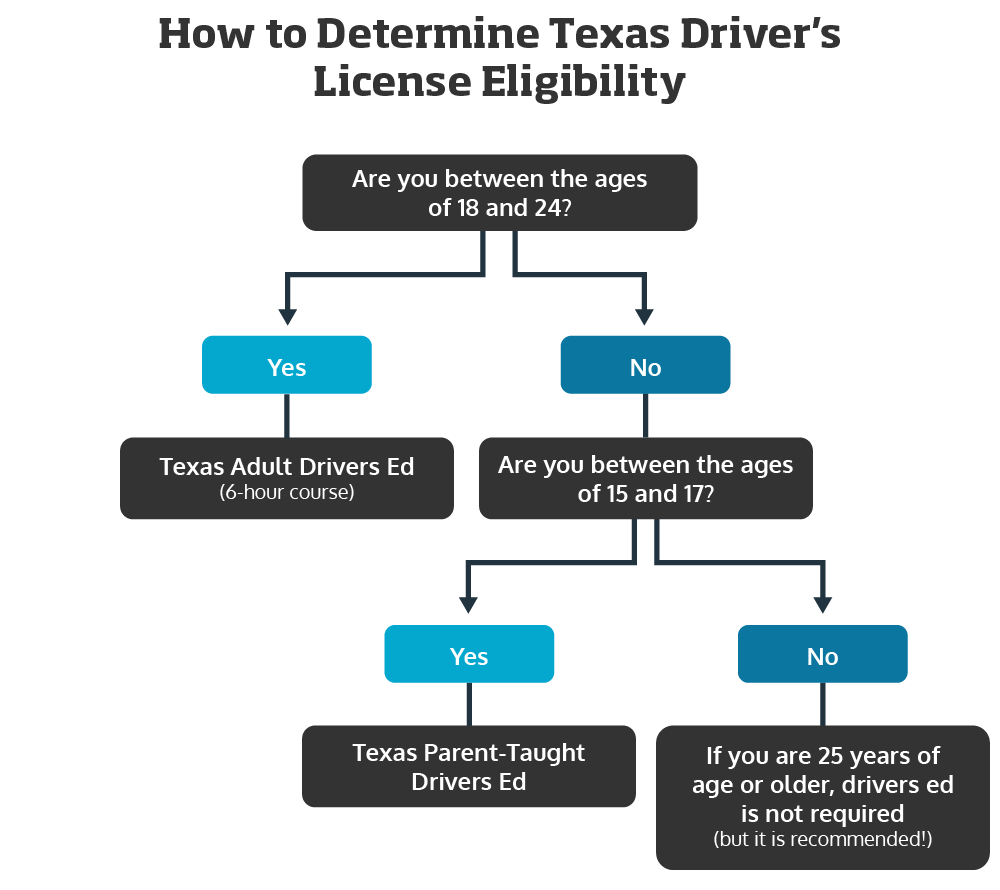
For individuals under 18, completing a state-approved driver education course is mandatory before applying for a learner’s permit. Texas offers flexibility in how you fulfill this requirement, catering to various learning styles and family situations.
- Parent-Taught Driver Education (PTDE): This popular option allows a qualified parent, step-parent, grandparent, or legal guardian to instruct the student. The instructor must be licensed, have a clean driving record, and complete a PTDE program guide. This approach can be particularly beneficial for families who prefer a more personalized learning experience and control over the schedule, perhaps fitting around school terms or family trips.
- Approved Commercial Driving Schools: Numerous professional driving schools across Texas offer comprehensive driver education programs. These schools provide structured classroom instruction and behind-the-wheel training with certified instructors. This option is ideal for those who prefer professional guidance and a dedicated learning environment.
- Online Courses: Many state-approved driver education courses are available online, offering unparalleled flexibility. Students can complete coursework at their own pace, making it convenient for busy schedules or those living in areas without easy access to physical driving schools. This aligns with a modern lifestyle that values digital solutions and self-paced learning.
Regardless of the path chosen, the goal is to instill a deep understanding of Texas traffic laws, road signs, and safe driving practices. This knowledge isn’t just for passing a test; it’s fundamental for navigating the diverse road conditions you’ll encounter, whether driving through the bustling streets of Houston or on scenic routes leading to state landmarks.
Conquering the Knowledge Test: What to Expect
After completing the initial phase of your driver education course (usually the first six hours of classroom instruction), you become eligible to take the written knowledge test. This test assesses your understanding of road signs, traffic laws, and general safe driving practices.
- Study Materials: The official Texas Driver Handbook is your primary resource. It contains all the information you need to pass the test. Many online platforms also offer practice tests, which are invaluable for familiarizing yourself with the format and types of questions.
- Test Content: Expect questions on various topics, including speed limits, right-of-way rules, signaling requirements, parking regulations, and the meaning of different road signs. Understanding these rules is crucial for safe travel throughout the state, whether you’re heading to a hotel in a new city or exploring rural attractions.
- Scheduling and Location: You will typically take the knowledge test at a DPS office. Some driver education schools are authorized to administer the test, so check with your chosen program. It’s often recommended to schedule an appointment online to minimize wait times, especially if you’re visiting a DPS office in a major city like Dallas or Austin.
Passing this test is a significant milestone, demonstrating your readiness to apply your theoretical knowledge in real-world driving scenarios. This foundation is essential for safely navigating Texas’s vast network of roads, from the Panhandle to Padre Island National Seashore.
Your Visit to the DPS: Application and Permit Issuance
With your documents compiled and your knowledge test passed, the next step is the official application process at a DPS office. This is where all your preparation culminates in the issuance of your learner’s permit.
The Application Process: A Step-by-Step Guide
Visiting the DPS office can seem daunting, but with proper planning, it can be a straightforward experience.
- Complete the Application (DL-14A): Ensure your Application for Driver License or ID Card (DL-14A) is fully and accurately completed.
- Schedule an Appointment: While walk-ins are sometimes accepted, scheduling an appointment online is highly recommended. This allows you to pick a convenient time and significantly reduces potential wait times, a boon for anyone with a busy lifestyle or on a tight travel itinerary.
- Present Documents: At your appointment, you will present all the original documents from your essential checklist. A DPS representative will review them for accuracy and completeness.
- Vision Test: You will undergo a simple vision test to ensure your eyesight meets the minimum legal requirements for driving. If you wear corrective lenses, be sure to bring them.
- Fingerprints and Photo: Your fingerprints will be taken for identification purposes, and a photograph will be taken for your permit. This photo will be used on your official permit, so make sure you’re ready!
- Pay Fees: You will pay the required fee for the learner’s permit.
- Interim Permit Issuance: Upon successful completion of all steps, you will typically receive a temporary, interim learner’s permit. Your official, card-style permit will then be mailed to your residential address within a few weeks.
This process, while detailed, is a vital part of ensuring road safety for everyone enjoying Texas’s extensive network of roads, whether for daily commutes or exploring attractions like the Space Center Houston or the Fort Worth Stockyards.
Understanding Your Learner’s Permit Restrictions
Your Texas learner’s permit, or Instruction Permit, comes with specific restrictions designed to ensure safe and supervised learning. These restrictions are in place to help new drivers gain experience responsibly.
The most crucial restriction is that you must always be accompanied by a licensed driver who is at least 21 years old. This supervising driver must be seated in the front passenger seat and hold a valid driver’s license. This rule ensures that an experienced individual is always present to offer guidance and intervention if needed, mirroring the kind of careful planning one undertakes for important travel experiences.
While driving with a learner’s permit, you are encouraged to practice driving in various conditions and environments. This could include navigating local streets, practicing parallel parking near urban landmarks, or driving on highways during different times of the day. This supervised practice is invaluable for building confidence and developing critical driving skills. It also provides the perfect opportunity to familiarize yourself with routes to nearby attractions, the best restaurants, or even the path to your favorite hotel or resort for a weekend getaway.
Beyond the Permit: Preparing for the Driver’s License
The learner’s permit is just the first stage in becoming a fully licensed driver. It’s a foundational step that leads to gaining a provisional license and eventually a full, unrestricted driver’s license.
Accumulating Driving Experience: The Importance of Practice
For young drivers in Texas, the permit phase is dedicated to extensive supervised driving practice. State law requires individuals under 18 to complete a minimum of 30 hours of supervised driving, including at least 10 hours at night, before they can apply for a provisional driver’s license.
This period of practice is vital for several reasons:
- Skill Development: Consistent practice helps new drivers develop essential skills like defensive driving, hazard perception, and vehicle control.
- Confidence Building: The more hours you spend behind the wheel with a trusted supervisor, the more confident and comfortable you will become in various driving situations.
- Exposure to Diverse Conditions: Driving during different times of day, in varying weather conditions, and across different types of roads (city streets, rural roads, highways) prepares you for the realities of independent driving. This experience is directly transferable to the diverse travel scenarios you’ll encounter across Texas, from foggy mornings on the Gulf Coast to clear nights in the West Texas desert.
Parents or guardians who supervise this practice must certify the completion of these hours, emphasizing their active role in fostering safe driving habits. This extensive training ensures that when you eventually embark on road trips to landmarks like the Dallas Arts District or Galveston Island, you do so with competence and responsibility.

The Provisional License and Full License
Once you meet the age requirement (typically 16) and have completed your 30 hours of supervised driving, as well as the full driver education course, you can apply for a provisional driver’s license. This involves passing a driving skills test (road test) at the DPS office. The provisional license comes with its own set of restrictions, such as limits on the number of passengers under 21 and restrictions on driving between certain late-night and early-morning hours, especially during the first year. These restrictions gradually ease as you gain more experience, aligning with a phased approach to full driving privileges.
Finally, upon reaching 18 years of age (and having held a provisional license for at least six months), the restrictions are lifted, and you become eligible for a full, unrestricted Texas driver’s license. This is the ultimate symbol of driving independence, enabling you to explore every corner of the state, from historic missions to natural parks, without supervision or significant limitations. The freedom to plan spontaneous trips, drive to distant hotels, or simply enjoy the open road becomes a tangible reality, enriching your lifestyle and offering boundless travel opportunities.
Obtaining a driver’s permit in Texas is a structured, multi-step process that demands attention to detail, commitment to education, and consistent practice. However, the reward is immense: the unparalleled freedom to navigate the vast and vibrant landscapes of Texas on your own terms. This journey isn’t just about getting a piece of plastic; it’s about gaining a skill that profoundly enhances your independence, opens doors to countless travel experiences, and integrates you more fully into the dynamic lifestyle that the Lone Star State offers. Drive safely, responsibly, and enjoy every mile of your Texas adventure.
LifeOutOfTheBox is a participant in the Amazon Services LLC Associates Program, an affiliate advertising program designed to provide a means for sites to earn advertising fees by advertising and linking to Amazon.com. Amazon, the Amazon logo, AmazonSupply, and the AmazonSupply logo are trademarks of Amazon.com, Inc. or its affiliates. As an Amazon Associate we earn affiliate commissions from qualifying purchases.