
Navigating the temporal landscape of a new destination can be surprisingly crucial for seamless travel planning. For many, understanding time zones is a foundational element of ensuring flights are booked correctly, meetings are scheduled appropriately, and the overall rhythm of their trip aligns with their expectations. This is especially true for a city like Oklahoma City, a vibrant hub in the American heartland with a rich history and a growing appeal for tourists and business travelers alike. Knowing the precise time zone not only prevents logistical headaches but also allows for a more immersive experience, letting you sync up with local events and daily life without missing a beat. This guide aims to clarify the temporal positioning of Oklahoma City, providing essential information for anyone planning a visit or conducting business within its limits.
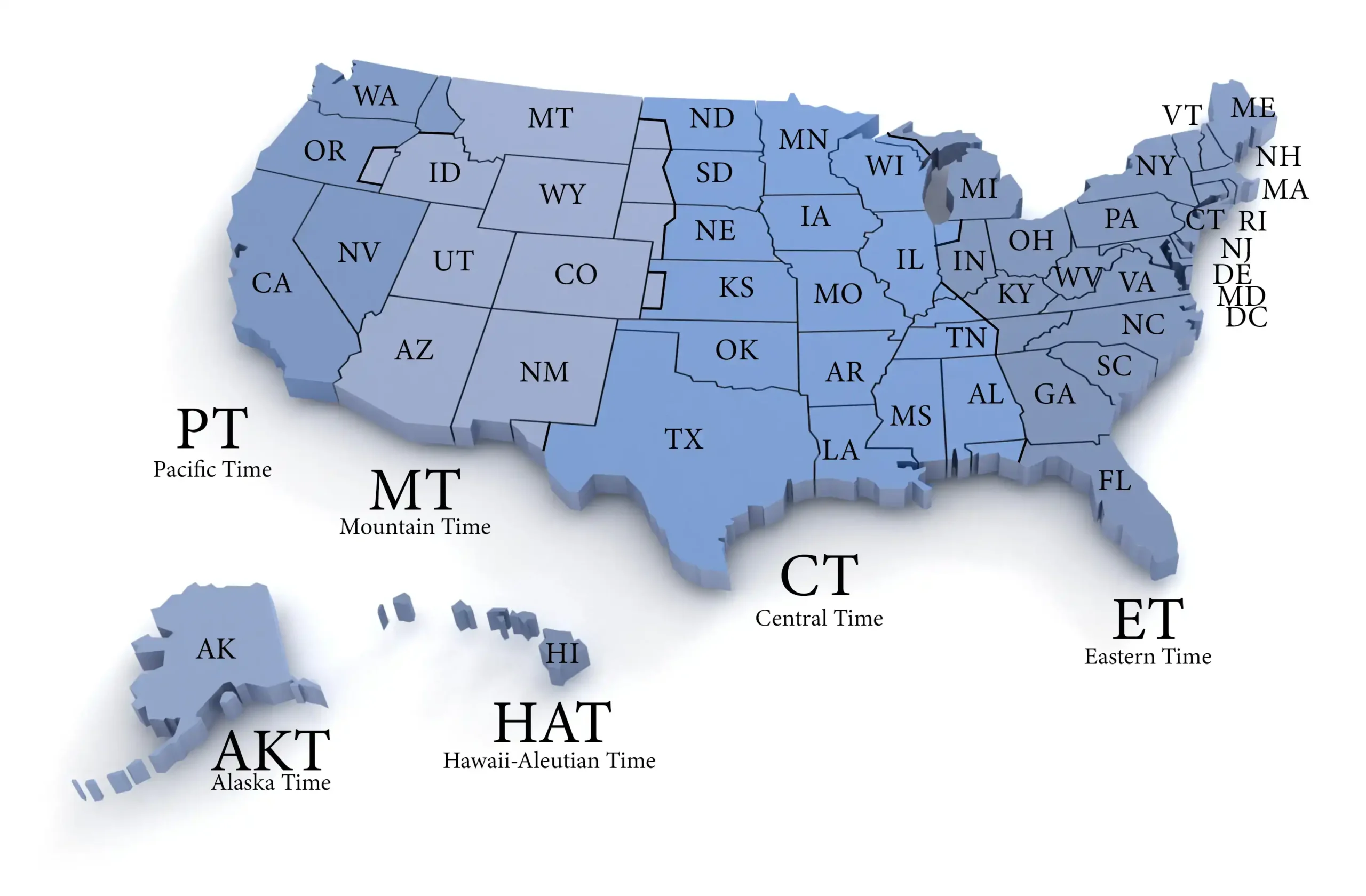
Understanding America’s Time Zone System
The United States, due to its vast continental expanse, operates on a system of distinct time zones. These zones are generally defined by longitudinal lines, dividing the country into periods that are typically one hour apart. The primary continental time zones, moving westward from the Atlantic coast, are Eastern Daylight Time (EDT) / Eastern Standard Time (EST), Central Daylight Time (CDT) / Central Standard Time (CST), Mountain Daylight Time (MDT) / Mountain Standard Time (MST), and Pacific Daylight Time (PDT) / Pacific Standard Time (PST). Beyond the contiguous states, Alaska and Hawaii also observe their own respective time zones.
The implementation of Daylight Saving Time (DST) further complicates this system. During the warmer months, many parts of the U.S. “spring forward” by an hour, moving to Daylight Time. As the days shorten, they “fall back” to Standard Time. This seasonal shift means that the observance of DST can influence which time zone a traveler perceives they are in, and it’s an important factor to consider when calculating time differences. While most of the United States observes DST, a few states, notably Arizona (with the exception of the Navajo Nation) and Hawaii, do not.
The Role of the Continental Divide
Geographically, the time zones are largely dictated by the continental divide and the need to keep time zones roughly aligned with solar time. This means that as you travel westward across the country, the clock time generally moves one hour earlier for each significant westward shift. This system is designed to ensure that noon is generally around the time the sun is at its highest point in the sky, and midnight corresponds with the middle of the night, thus maximizing the useful daylight hours for most populations. The boundaries between these zones are not perfectly straight lines and are often adjusted to accommodate specific states or regions for practical and economic reasons.
Daylight Saving Time in Practice
The observance of Daylight Saving Time is a crucial aspect of understanding U.S. time zones. In Oklahoma City, DST is observed annually. This means that from the second Sunday in March until the first Sunday in November, the local time will be adjusted forward by one hour. During these periods, Oklahoma City operates on Central Daylight Time (CDT). Outside of these dates, it reverts to Central Standard Time (CST). This seemingly small adjustment can have significant implications for coordinating travel, especially for international visitors or those with business dealings across different time zones. It’s always advisable to confirm the current status of DST when making travel arrangements or scheduling calls.
Oklahoma City’s Temporal Location
Oklahoma City, the capital and most populous city of Oklahoma, is situated squarely within the Central Time Zone. This designation places it alongside a vast swathe of the central United States, spanning from the Great Lakes region down to the Gulf Coast. The Central Time Zone is the second easternmost of the continental time zones.
Central Standard Time (CST) and Central Daylight Time (CDT)
When Daylight Saving Time is not in effect, Oklahoma City observes Central Standard Time (CST), which is UTC-6. This means it is six hours behind Coordinated Universal Time (UTC). During the period when Daylight Saving Time is active, the city switches to Central Daylight Time (CDT), which is UTC-5. This shift means that during CDT, Oklahoma City is five hours behind UTC. This is a critical detail for anyone connecting with individuals or services in other parts of the world. For example, if you are on the East Coast of the United States (Eastern Time), Oklahoma City will be one hour behind you during CST and still one hour behind you during CDT. If you are on the West Coast (Pacific Time), Oklahoma City will be two hours ahead of you, regardless of whether it’s Standard or Daylight Time.
Neighboring Time Zones and Potential Confusion
Understanding Oklahoma City’s placement within the Central Time Zone also helps in anticipating the time differences with neighboring states. To its west, states like New Mexico and most of Colorado observe Mountain Time (MST/MDT), which is one hour behind Central Time. To its east, states like Arkansas and Missouri are also in the Central Time Zone, meaning they share the same time as Oklahoma City. This can simplify travel within the immediate region but requires careful attention when crossing into Mountain Time territories. Travelers should always be mindful of crossing these time zone boundaries, as a seemingly small temporal shift can significantly impact schedules.
Practical Implications for Travelers and Visitors
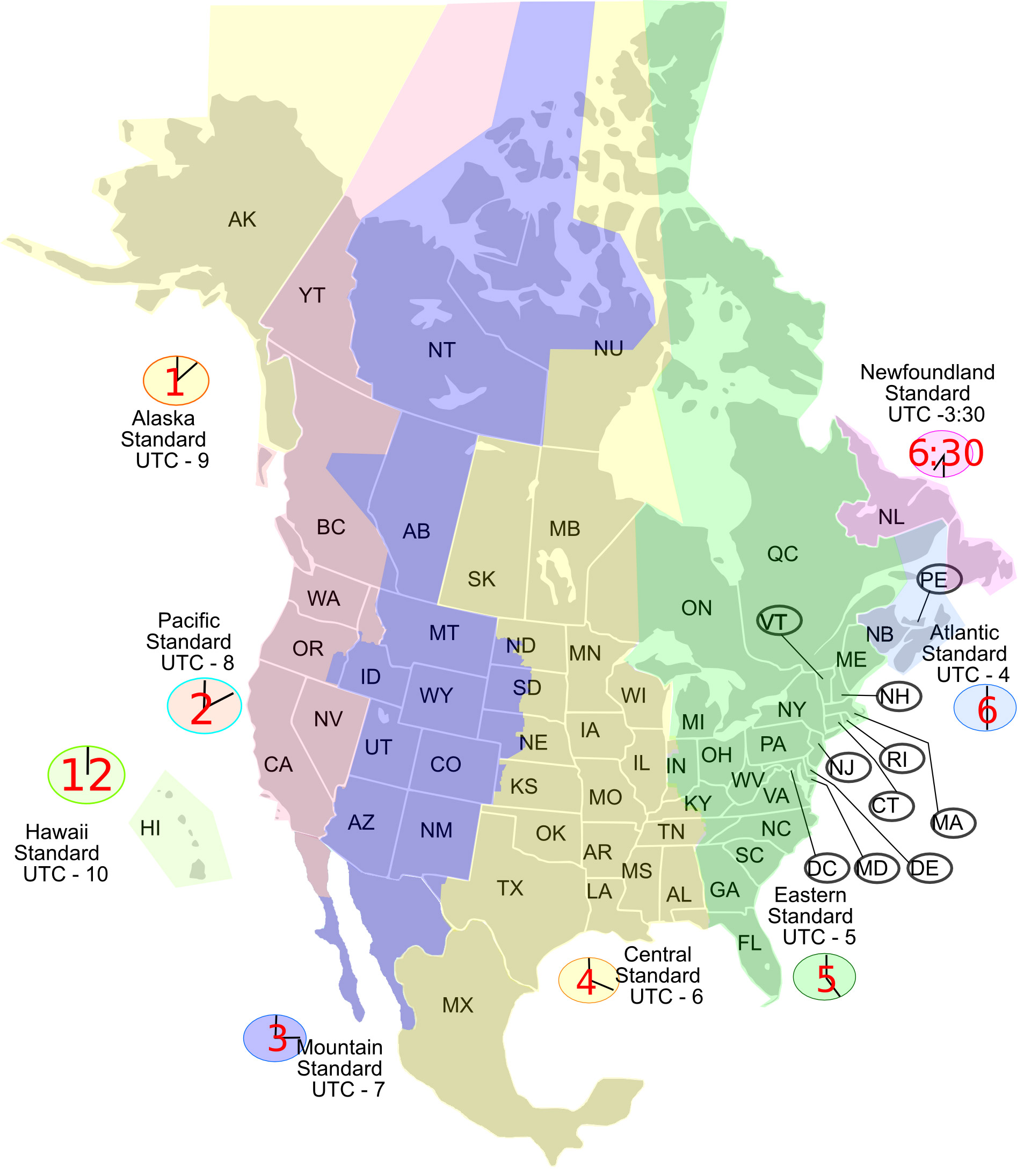
For travelers, knowing that Oklahoma City operates on Central Time has several practical implications, especially when booking flights and arranging accommodations. Airlines and booking platforms typically display times in the local time of the destination, but it’s always prudent to double-check. When booking a flight into Oklahoma City, confirm that the arrival and departure times are listed in Central Time. This is especially important if you are connecting through multiple cities that might be in different time zones.
Booking Flights and Travel Arrangements
When purchasing airline tickets, pay close attention to the arrival and departure times. If you are flying from, say, New York City (Eastern Time) to Oklahoma City (Central Time), a 3 PM departure from New York will translate to a 2 PM arrival time in Oklahoma City, assuming both cities are observing Daylight Saving Time or both are on Standard Time. Conversely, a 3 PM departure from Oklahoma City would mean a 5 PM arrival in New York. This one-hour difference is constant when both locations are within the contiguous U.S. and observing the same DST status. Always verify the stated time zone of the departure and arrival airports.
Coordinating Business and Meetings
For those visiting Oklahoma City for business, precise timekeeping is paramount. When scheduling meetings or conference calls with local businesses or individuals in Oklahoma City, always specify “Central Time” or “CT” to avoid any ambiguity. If your colleagues or clients are in a different time zone, such as the Pacific Time Zone, ensure that the meeting time is clearly stated in both time zones. For instance, a meeting scheduled for 10 AM Central Time would be 8 AM Pacific Time. Utilizing online time zone converters or calendar applications that automatically adjust for time zones can be invaluable tools for preventing scheduling errors.
Experiencing Local Life and Events
Beyond logistics, understanding the local time can enhance your travel experience. Knowing that Oklahoma City operates on Central Time allows you to better synchronize with local events. Whether it’s catching a show at the Civic Center Music Hall, attending a Thunder game at the Paycom Center, or enjoying the evening ambiance in the Bricktown Entertainment District, aligning with local schedules ensures you make the most of your visit. This temporal awareness helps you feel more connected to the city’s pulse and less like an outsider observing from a detached temporal perspective.
Exploring Oklahoma City’s Attractions with Time Zone Awareness
Oklahoma City offers a diverse array of attractions, from historical sites to modern entertainment venues. Being aware of its time zone is fundamental to planning your itinerary effectively, ensuring you don’t miss out on any key experiences.
Museums and Cultural Sites
The city boasts several significant museums, including the Oklahoma City National Memorial & Museum, a poignant tribute to the victims of the 1995 bombing. Visiting such sites often requires dedicated time, and knowing the local clock allows for proper scheduling. For instance, planning a museum visit in the morning means you can have lunch and then explore other attractions in the afternoon, all within the natural flow of the Central Time Day. Other notable cultural spots include the National Cowboy & Western Heritage Museum and the Oklahoma Museum of Natural History.
Outdoor Activities and Parks
For outdoor enthusiasts, Oklahoma City offers the expansive Myriad Botanical Gardens and the scenic Oklahoma River trails, popular for walking, cycling, and kayaking. These activities are best enjoyed during daylight hours, and understanding the time zone helps in maximizing your time outdoors, especially during seasons with shorter days. Planning an early morning walk along the river or an afternoon picnic in the gardens becomes straightforward when you have a clear grasp of the local time.
Entertainment and Dining
Bricktown, the city’s entertainment hub, comes alive in the evening. Restaurants, bars, and entertainment venues operate on Central Time schedules, so knowing this allows you to book reservations or plan your evening activities accordingly. Whether you’re looking for a casual dinner or a lively night out, aligning your plans with the local temporal rhythm ensures a more enjoyable experience. This temporal awareness also extends to events like concerts or sporting matches, allowing you to arrive on time and fully immerse yourself in the city’s vibrant nightlife.

Conclusion: Navigating Oklahoma City with Temporal Clarity
In summary, Oklahoma City resides firmly within the Central Time Zone of the United States. This means it observes both Central Standard Time (CST), UTC-6, and Central Daylight Time (CDT), UTC-5, during the periods of Daylight Saving Time. This temporal placement is a fundamental piece of information for any traveler, business professional, or curious visitor. By understanding this, you can effectively manage travel arrangements, schedule meetings, and immerse yourself in the local culture and activities without temporal confusion. Whether you are flying in from across the country or across the globe, a clear grasp of Oklahoma City’s time zone will undoubtedly contribute to a smoother and more enjoyable experience in this dynamic Oklahoma city. Always remember to factor in the potential for Daylight Saving Time shifts when making long-term plans or coordinating with contacts in different regions.
LifeOutOfTheBox is a participant in the Amazon Services LLC Associates Program, an affiliate advertising program designed to provide a means for sites to earn advertising fees by advertising and linking to Amazon.com. Amazon, the Amazon logo, AmazonSupply, and the AmazonSupply logo are trademarks of Amazon.com, Inc. or its affiliates. As an Amazon Associate we earn affiliate commissions from qualifying purchases.