
The question of whether citizens of Puerto Rico are, in fact, citizens of the United States is a complex one, steeped in history and legal precedent. While the U.S. Supreme Court has definitively ruled on the matter, the nuances of Puerto Rican status often lead to confusion. For travelers considering a visit, or for those simply interested in the intricate relationship between the island and the mainland, understanding this distinction is crucial for appreciating the unique identity and rights of its inhabitants. This exploration delves into the historical context, legal framework, and practical implications of Puerto Rican citizenship.
Historical Foundations: From Acquisition to Commonwealth Status
The journey of Puerto Rico into its current political standing began in 1898 with the Spanish-American War. Following the war, Spain ceded Puerto Rico, along with Cuba and Guam, to the United States under the Treaty of Paris. This marked the beginning of a new era for the island, one defined by its relationship with its new sovereign.
The Insular Cases and the Doctrine of Unincorporated Territories
Early legal interpretations, most notably the series of U.S. Supreme Court decisions known as the Insular Cases (decided between 1901 and 1922), established a critical distinction. These rulings declared that Puerto Rico was an “unincorporated territory” of the United States. This meant that while the island belonged to the U.S., the Constitution of the United States did not fully apply to it. This doctrine created a framework where the rights and protections afforded to citizens of the states might not automatically extend to residents of unincorporated territories.
The Foraker Act and the Granting of Citizenship
In 1917, the U.S. Congress passed the Jones-Shafroth Act, often referred to as the Jones Act. This legislation was a significant step, as it granted statutory citizenship to the people of Puerto Rico. Prior to this, Puerto Ricans were considered nationals of the United States. The Jones Act made them U.S. citizens by birth, but crucially, it was a citizenship granted by an act of Congress, not by constitutional amendment. This distinction would prove important in subsequent legal battles.
The Legal Landscape: Differentiating Citizenship Types
The core of the confusion surrounding Puerto Rican citizenship lies in the difference between constitutional and statutory rights. While individuals born in Puerto Rico are indeed U.S. citizens, the implications of this citizenship have been subject to legal interpretation.
Citizenship by Birth vs. Citizenship by the Constitution
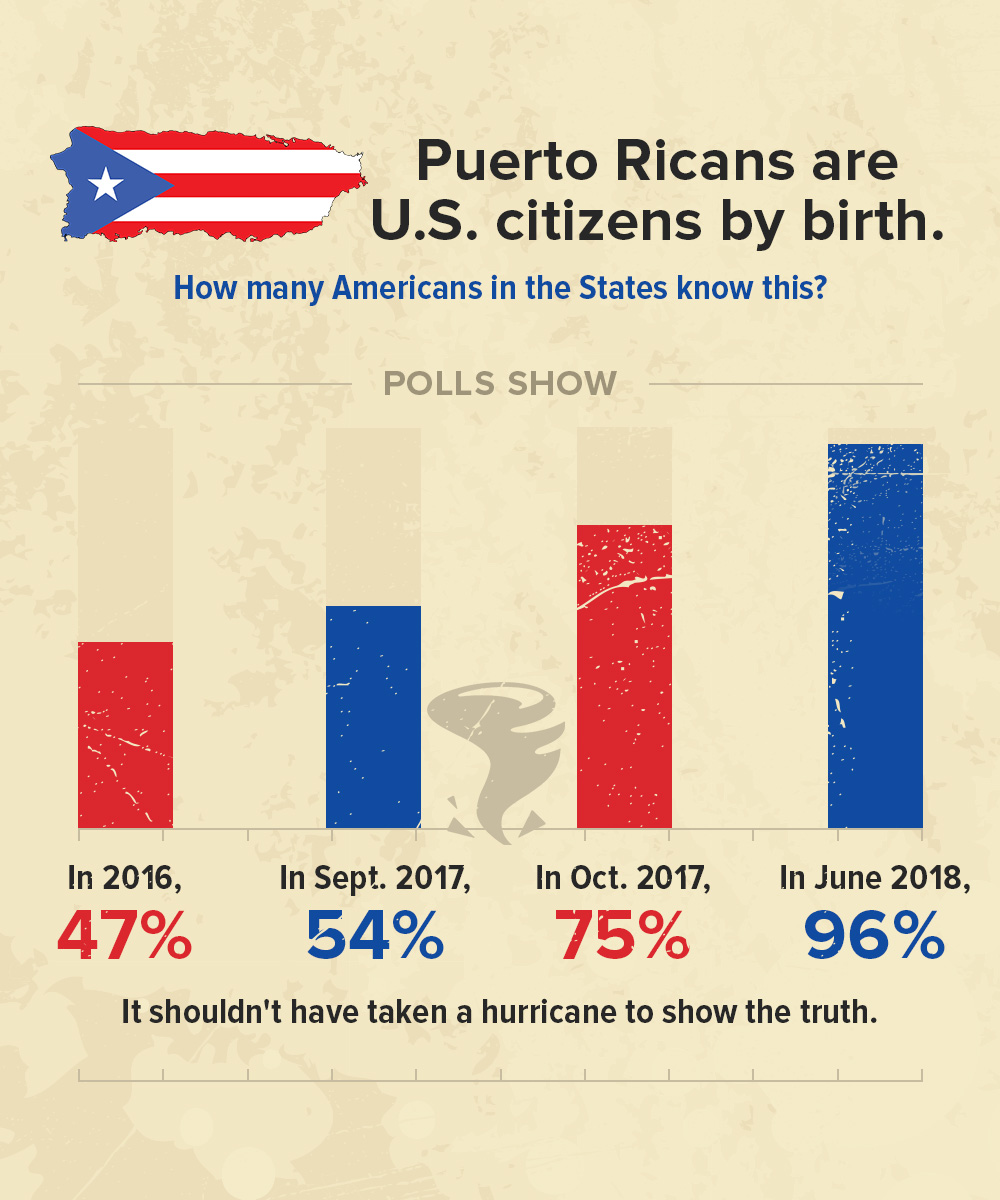
As established by the Jones-Shafroth Act, Puerto Ricans are U.S. citizens by birth. This means that if you are born in Puerto Rico, you are automatically a citizen of the United States, just as if you were born in California or New York. However, the nature of this citizenship has been the subject of debate.
The U.S. Supreme Court’s Stance: Examining the Doctrine of Territorial Incorporation
The U.S. Supreme Court has consistently upheld the principle that territories like Puerto Rico are subject to the plenary power of Congress. In the 2020 case United States v. Vaello-Madero, the Court affirmed that while Puerto Ricans are U.S. citizens, this citizenship does not grant them the same constitutional rights as citizens residing in the states, particularly concerning federal benefits like Supplemental Security Income (SSI). The Court reasoned that the Equal Protection Clause of the Fourteenth Amendment, which mandates equal treatment for all citizens, applies only to the states, not to unincorporated territories. This decision reinforced the legacy of the Insular Cases, suggesting that Congress has the authority to legislate differently for territories.
Implications for Federal Programs and Rights
The distinction has practical consequences. For instance, residents of Puerto Rico may not receive the same level of federal benefits or have access to certain federal programs that are available to residents of the states. This has led to ongoing political and legal discussions about the island’s status and the rights of its citizens. While U.S. citizens in Puerto Rico can vote in presidential primaries and their votes are counted in the general election if they vote for a slate of electors, they cannot vote in the general presidential election. They also do not have voting representation in the U.S. Congress, instead having a non-voting Resident Commissioner who can speak and vote in committees.
Practical Realities for Travelers and Residents
For travelers visiting Puerto Rico, the citizenship question is largely a non-issue in terms of entry and exit. As U.S. citizens, they do not need a passport to travel between the United States and Puerto Rico. The island is considered a domestic destination, meaning customs and immigration procedures are similar to traveling between any two U.S. states.
Travel Requirements and Regulations
- Identification: U.S. citizens traveling to Puerto Rico will need to present valid government-issued identification, such as a driver’s license or a state ID. A passport is not required but is always recommended for international travel, and can serve as a primary form of identification for those who do not possess a driver’s license.
- Customs and Immigration: Since Puerto Rico is a U.S. territory, there are no customs or immigration checks upon arrival from the mainland. The same applies to departing from Puerto Rico to the United States.
- Currency: The currency used in Puerto Rico is the U.S. dollar.
Rights and Responsibilities of U.S. Citizens in Puerto Rico
While the legal framework may present complexities, the practical reality is that individuals born in Puerto Rico are undeniably U.S. citizens. This grants them the right to live, work, and travel freely within the United States and its territories. They can own property, conduct business, and access federal services, albeit with some variations compared to those living in the states.
The status of Puerto Rico remains a subject of ongoing political debate and aspiration for statehood or a different form of self-governance. However, the current legal reality, as affirmed by the U.S. Supreme Court, is that its residents are U.S. citizens. This status, while unique and at times debated, shapes the island’s relationship with the mainland and its place within the broader context of American identity. Understanding these historical and legal underpinnings is key to appreciating the rich and multifaceted identity of the people of Puerto Rico.
The Evolving Relationship: Statehood, Independence, and Commonwealth Debates
The question of citizenship is intrinsically linked to the larger political status of Puerto Rico. For decades, the island’s residents have debated and voted on various options for their future, including statehood, independence, and enhanced commonwealth status.
Referendums and Political Aspirations
Puerto Rico has held several referendums to gauge public opinion on its political status. While the results have varied, a consistent theme has been the desire for a clearer and more equitable relationship with the United States. Proponents of statehood argue that it would grant Puerto Ricans full political equality, including voting representation in Congress and equal access to federal programs. Those who advocate for independence seek full sovereignty, allowing Puerto Rico to chart its own course. Others favor a strengthened commonwealth status, which would maintain ties to the U.S. while granting greater autonomy.
The Impact of Citizenship on Political Debates
The current status of U.S. citizenship for Puerto Ricans significantly influences these debates. For many, the existing citizenship is a fundamental link to the United States that they wish to preserve, even if they seek greater political power. The legal interpretations that differentiate their rights from those of citizens in states, however, fuel the desire for change, as they highlight perceived inequalities.

International Perceptions and U.S. Standing
The political status of Puerto Rico also has implications for the United States’s standing on the global stage. As a territory of the U.S., the island is subject to international scrutiny regarding its governance and the rights of its inhabitants. The ongoing debate about its status reflects broader discussions about self-determination and colonial legacies.
In conclusion, while the title “Are Citizens of Puerto Rico Citizens of the United States?” might suggest a simple yes or no, the reality is far more nuanced. The historical journey, legal rulings, and ongoing political discourse all contribute to a complex understanding of Puerto Rican citizenship. For travelers, the practicalities are straightforward: they are U.S. citizens traveling domestically. For residents, the question of their rights and the future of their homeland remains a vital and evolving issue.
LifeOutOfTheBox is a participant in the Amazon Services LLC Associates Program, an affiliate advertising program designed to provide a means for sites to earn advertising fees by advertising and linking to Amazon.com. Amazon, the Amazon logo, AmazonSupply, and the AmazonSupply logo are trademarks of Amazon.com, Inc. or its affiliates. As an Amazon Associate we earn affiliate commissions from qualifying purchases.