
New York’s moniker, the “Empire State,” is more than just a catchy nickname; it’s a historical badge of honor and a testament to the state’s enduring significance. While many might associate “empire” with vast, conquered territories and imperial rule, New York’s connection is rooted in its economic might, political influence, and its central role in the development of the United States. This exploration delves into the origins and evolution of this powerful title, examining the historical and contemporary reasons why New York has earned its imperial standing.
The Genesis of the Empire State
The origins of New York’s “Empire State” title are often traced back to the late 18th century, a period of significant national formation and state development. While no single definitive event cemented the nickname, several factors converged to bestow this honor upon the state.
Early Political and Economic Prowess
Even in its nascent stages as a state, New York demonstrated remarkable potential. Its strategic location, boasting the Hudson River and access to the Great Lakes via the Erie Canal, positioned it as a crucial hub for trade and commerce. The state’s agricultural output, coupled with its burgeoning manufacturing sector, quickly established it as a significant economic force. Politically, New York City served as the nation’s first capital and its largest metropolis, lending considerable weight to the state’s influence on the national stage.
DeWitt Clinton’s Vision
A key figure often credited with popularizing the “Empire State” moniker is DeWitt Clinton, a prominent statesman and three-time mayor of New York City, who also served as Governor of New York. Clinton was a visionary leader who championed ambitious infrastructure projects, most notably the construction of the Erie Canal. This monumental undertaking, completed in 1825, revolutionized transportation and trade, connecting the Atlantic coast to the Midwest and solidifying New York’s economic dominance. Clinton’s belief in New York’s vast potential and its destined role as a leading power in the nation is often cited as the wellspring of the “Empire State” identity. His speeches and writings frequently alluded to the state’s burgeoning power and its capacity to extend its influence, much like an empire.
The Enduring Symbolism
The term “empire” in this context does not imply territorial conquest or colonial subjugation. Instead, it evokes a sense of grandeur, power, and expansive influence. New York was perceived as an “empire” of commerce, culture, and innovation, capable of shaping the destiny of the young nation. Its economic resources, its vibrant population, and its strategic importance all contributed to this perception. The nickname began to gain widespread traction during the 19th century as New York continued its trajectory of growth and prosperity, far outpacing many other states in terms of population and economic output.
Modern Interpretations of the Empire State
While the historical roots of the nickname are important, the “Empire State” designation continues to resonate today, reflecting New York’s ongoing preeminence in various fields. The modern interpretation of the nickname encompasses its economic power, its cultural influence, and its iconic landmarks.
Economic Powerhouse
New York remains a global economic powerhouse. Its financial district, centered in Wall Street in New York City, is the heart of global finance, home to major stock exchanges like the New York Stock Exchange and Nasdaq, as well as the headquarters of countless multinational corporations. The state’s economy is diverse, encompassing not only finance but also technology, media, fashion, healthcare, and advanced manufacturing. This sustained economic strength directly contributes to its “empire” status, reflecting its ability to generate wealth and influence markets worldwide.
Cultural and Social Influence
Beyond its economic might, New York is a global epicenter of culture and innovation. New York City, in particular, is renowned for its vibrant arts scene, its world-class museums like the Metropolitan Museum of Art and the Museum of Modern Art, its legendary theater district on Broadway, and its diverse culinary landscape. It’s a melting pot of cultures, attracting talent and ideas from across the globe. This constant influx of creativity and diversity fuels its cultural influence, setting trends and shaping global tastes in art, music, fashion, and entertainment. The state’s cultural output is so pervasive that it often defines global perceptions of American culture.
Iconic Landmarks and Global Recognition

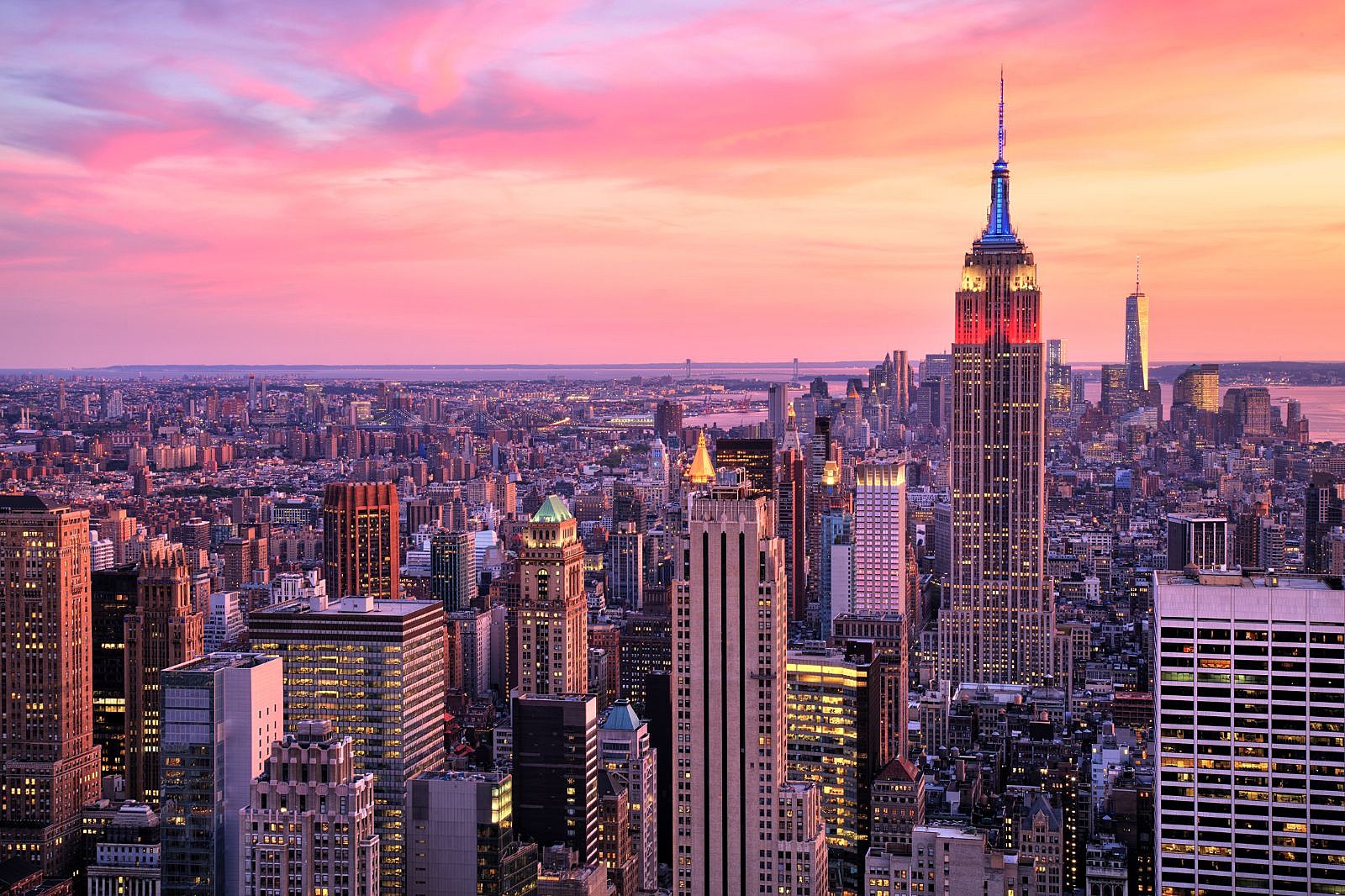
The “Empire State” is also visually represented by its towering skyscrapers and iconic landmarks. The Empire State Building itself, a majestic art deco skyscraper that was once the tallest building in the world, stands as a physical embodiment of the state’s ambition and architectural prowess. Its silhouette is instantly recognizable globally, symbolizing New York’s urban dynamism. Other landmarks, such as the Statue of Liberty in New York Harbor, the bustling streets of Times Square, and the sprawling green expanse of Central Park, all contribute to New York’s status as a destination of global significance and appeal. These landmarks are not merely structures; they are potent symbols of American achievement and aspiration, firmly cementing New York’s place on the world stage.
The “Empire State” as a Tourism Magnet
The rich history, economic dynamism, and unparalleled cultural offerings make New York a prime destination for tourists from around the world. The “Empire State” moniker itself serves as an invitation, promising experiences that are grand, influential, and unforgettable.
Exploring the Urban Metropolis
New York City is, without question, the crown jewel of tourism in the “Empire State.” Visitors flock to experience its iconic sights and sounds. They can ascend to the observation decks of the Empire State Building and Top of the Rock for breathtaking panoramic views of the cityscape. They can immerse themselves in the dazzling lights and vibrant energy of Times Square, catch a world-class performance on Broadway, or wander through the cultural treasures housed within the Metropolitan Museum of Art. The city offers an endless array of experiences, from exploring the historic streets of Greenwich Village to enjoying the tranquility of Central Park.
Beyond the City: Natural and Historical Wonders
While New York City often dominates the tourism narrative, the rest of the state offers a wealth of attractions that contribute to its “Empire” legacy. Tourists can explore the majestic beauty of the Niagara Falls, a natural wonder of immense power and spectacle. The Adirondack Mountains provide opportunities for outdoor adventure, from hiking and camping in the summer to skiing and snowboarding in the winter. History buffs can delve into the past at sites like Saratoga National Historical Park, a pivotal battlefield of the American Revolutionary War, or explore the charming historic towns scattered throughout the state. The wine regions of the Finger Lakes offer picturesque vineyard tours and tastings, adding a touch of refined leisure to any itinerary.
Cultural Immersion and Gastronomic Delights
The “Empire State” experience is incomplete without engaging with its diverse cultures and culinary offerings. New York is a culinary melting pot, with an astounding variety of restaurants, from Michelin-starred establishments to humble street food vendors. Visitors can savor authentic Italian cuisine in Little Italy, explore the vibrant flavors of Chinatown, or indulge in the diverse global cuisines found in neighborhoods across the state. Cultural festivals, ethnic enclaves, and community events offer visitors a chance to experience the rich tapestry of traditions that make up the state’s unique identity. The blend of iconic attractions, natural beauty, and cultural richness truly solidifies New York’s reputation as a multifaceted empire of experiences.
The Legacy and Future of the Empire State
The title “Empire State” is not merely a historical artifact; it is a living testament to New York’s enduring capacity for growth, innovation, and influence. As the state continues to evolve, its “empire” status is likely to be redefined by new challenges and opportunities.
Adapting to a Changing World
The 21st century presents new economic landscapes and societal shifts. New York is actively adapting, fostering growth in emerging sectors like biotechnology, renewable energy, and artificial intelligence. Its commitment to higher education and research, with institutions like Columbia University and the State University of New York (SUNY) system, ensures a pipeline of talent and innovation. The state’s resilience in the face of economic downturns and global crises further underscores its robust foundations.
A Beacon of Opportunity and Diversity
New York has historically been a land of opportunity, attracting immigrants and individuals seeking a better life. This legacy of welcoming diversity continues to be a driving force behind its cultural richness and economic vitality. The state’s commitment to social progress and its role in shaping national conversations on various issues contribute to its broader societal “empire.”

The “Empire” in a Global Context
In an increasingly interconnected world, New York’s influence extends far beyond its borders. Its role in international diplomacy, its contributions to global arts and culture, and its position as a hub for international business solidify its status as an “empire” in a globalized sense. The title “Empire State” encapsulates a rich history of ambition, a present of unparalleled influence, and a future poised for continued leadership and innovation on both a national and international scale. It is a name that evokes a powerful narrative of achievement, a story that continues to unfold with every passing year.
LifeOutOfTheBox is a participant in the Amazon Services LLC Associates Program, an affiliate advertising program designed to provide a means for sites to earn advertising fees by advertising and linking to Amazon.com. Amazon, the Amazon logo, AmazonSupply, and the AmazonSupply logo are trademarks of Amazon.com, Inc. or its affiliates. As an Amazon Associate we earn affiliate commissions from qualifying purchases.