
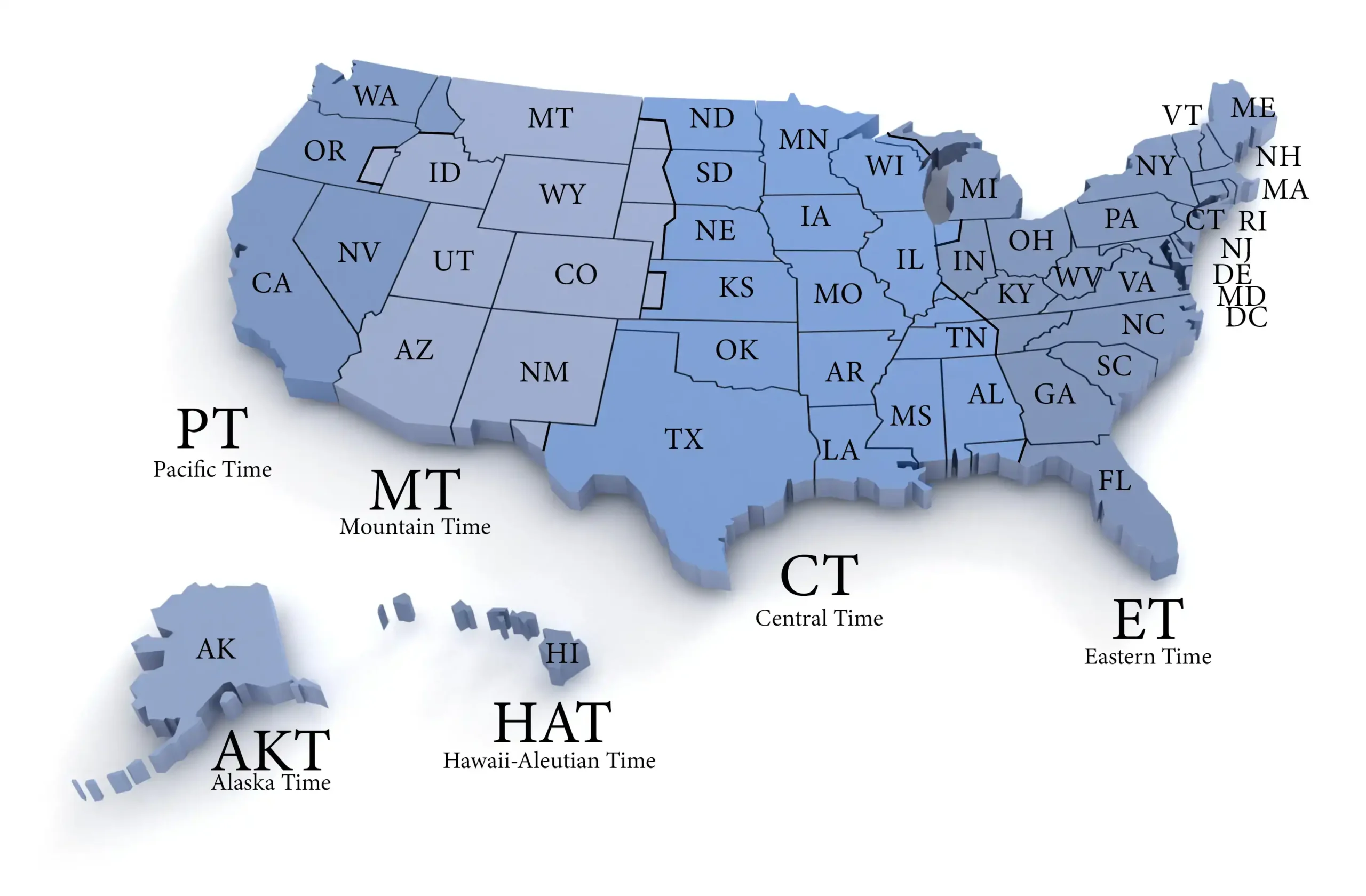
Understanding time zones can be a perplexing aspect of travel planning, especially when a destination deviates from standard practices. Arizona presents one of the most distinctive time zone scenarios in the United States, largely due to its steadfast refusal to observe Daylight Saving Time (DST). This unique approach means that while much of the country springs forward and falls back, Arizona largely remains constant, leading to shifting time differences with other regions, including those on Central Time (CT). For travelers, this often begs the question: what time is it truly in Arizona when it’s 7 PM Central? The answer, as with many things in the Grand Canyon State, depends on the time of year.
Arizona’s Unique Time Zone Status
Arizona’s decision to opt out of Daylight Saving Time dates back to 1968. The primary rationale was practical: the intense summer heat. Extending daylight into the evening would mean more hours of scorching sun, increasing energy consumption for air conditioning and disrupting natural rhythms for residents who preferred cooler evenings. This makes Arizona an anomaly, as most other states adjust their clocks twice a year.
No Daylight Saving Time
For the majority of Arizona, the time remains Mountain Standard Time (MST) year-round. MST is consistently seven hours behind Coordinated Universal Time (UTC-7). This is where the confusion with other time zones, like Central Time, arises. When the rest of the country moves to Daylight Saving Time (e.g., Central Daylight Time, CDT), Arizona does not. This creates a fluctuating time difference that travelers must account for.
The Navajo Nation Exception
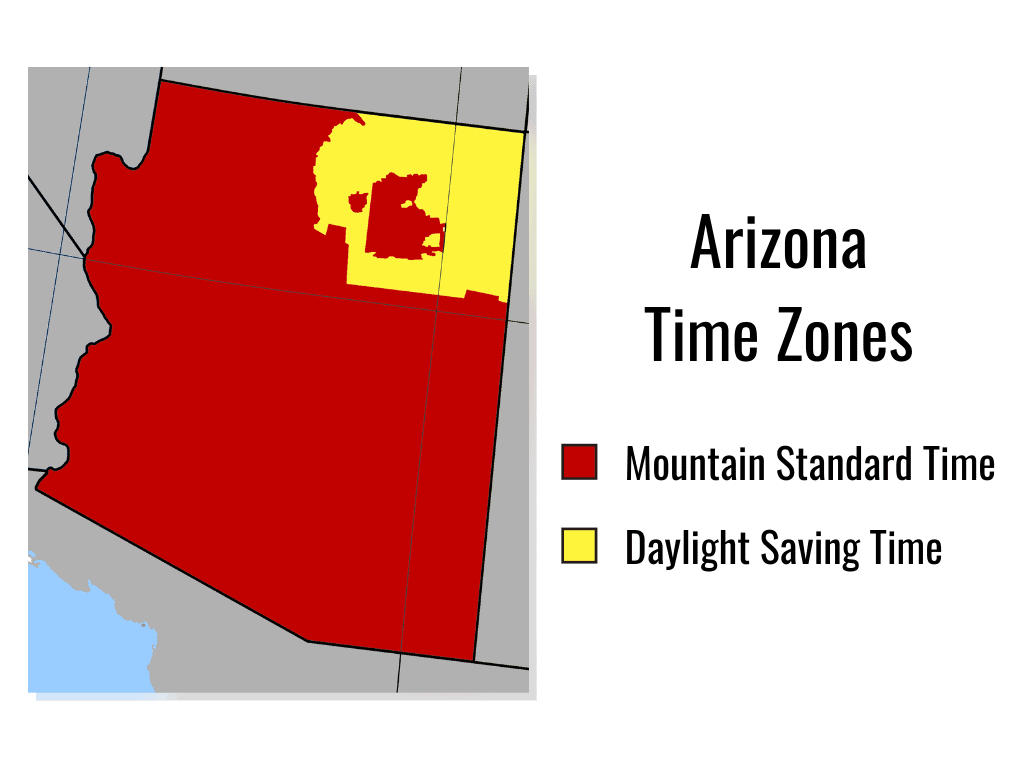
Adding another layer of complexity is the Navajo Nation, a sovereign territory that spans parts of northeastern Arizona, New Mexico, and Utah. Unlike the rest of Arizona, the Navajo Nation does observe Daylight Saving Time. This decision is largely attributed to administrative consistency with the tribal lands in Utah and New Mexico, which do observe DST. Consequently, if you are traveling within the Navajo Nation (which includes popular tourist destinations like Monument Valley and parts of the Grand Canyon‘s east rim), you will need to adjust your clock, even though the rest of Arizona does not. This is a critical detail for itinerary planning.
Converting Central Time to Arizona Time
To accurately determine what 7 PM Central Time is in Arizona, one must consider whether Daylight Saving Time is in effect in the Central Time Zone.
During Standard Time (Fall/Winter)
Central Standard Time (CST) is UTC-6. Arizona remains on Mountain Standard Time (MST), which is UTC-7.
This means Arizona is one hour behind CST.
Therefore, if it is 7 PM CST, it is 6 PM MST in most of Arizona.
This period typically runs from early November to mid-March.
During Daylight Saving Time (Spring/Summer)
Central Daylight Time (CDT) is UTC-5. Arizona remains on Mountain Standard Time (MST), which is UTC-7.
This means Arizona is two hours behind CDT.
Therefore, if it is 7 PM CDT, it is 5 PM MST in most of Arizona.
This period typically runs from mid-March to early November.
It is crucial to remember the Navajo Nation exception. During Daylight Saving Time, when the Central Time Zone is observing CDT (UTC-5), the Navajo Nation will be observing Mountain Daylight Time (MDT), which is UTC-6. In this specific scenario, if it is 7 PM CDT, it would be 6 PM MDT in the Navajo Nation. This brings the Navajo Nation back to being only one hour behind Central Time during DST, while the rest of Arizona is two hours behind.
Practical Implications for Travelers
Understanding Arizona’s time zone quirks is not merely academic; it has significant practical implications for travelers. Miscalculating the time difference can lead to missed flights, appointments, or even a frustrating start to a carefully planned vacation.
Flight Schedules and Connections
For travelers arriving from or connecting through the Central Time Zone, paying close attention to flight times is paramount. An airline ticket might list arrival times in local time. If you’re flying from Dallas (CT) to Phoenix (MST) during the summer, a 7 PM departure from Dallas (CDT) would mean an arrival time in Phoenix (MST) that is two hours earlier than the flight duration suggests. For instance, a 3-hour flight departing at 7 PM CDT would arrive at 8 PM MST, not 10 PM MST. Conversely, flying east from Arizona, you “lose” two hours during DST, making connections tighter or requiring earlier departures. Always confirm times with airlines and cross-reference with your personal clock.
Hotel Check-ins and Reservations
Most hotels adhere strictly to local time for check-in and check-out. If you’ve booked a room and plan to arrive late, ensuring your estimated arrival time aligns with the hotel’s local time is crucial. For example, telling a hotel in Tucson you’ll arrive at 8 PM “Central Time” when it’s summer could mean they expect you at 6 PM local time, or conversely, if you thought you were arriving at 8 PM local and meant 8 PM CT, you would be two hours later than expected. Always specify “local Arizona time” when making arrangements or communicating with establishments.
Event Planning and Tour Bookings
Arizona is rich with attractions, from Grand Canyon tours to sporting events in Phoenix. When booking tours, concert tickets, or dinner reservations, always confirm the scheduled time in Arizona local time. Missing the start of a guided hike or a theatrical performance because of a time zone miscalculation can be disappointing and costly. Reputable tour operators and venues will always publish times in local Arizona time, but cross-referencing is a good habit.
Business Meetings and Communications
For business travelers or those needing to conduct remote work, the time difference can be a significant factor. Scheduling conference calls or virtual meetings with colleagues in the Central Time Zone requires careful planning. A 9 AM meeting in Chicago (CT) during summer would mean an uncomfortable 7 AM start in Phoenix. Clear communication, specifying the time zone for all participants, is essential to avoid missed connections and maintain productivity.
Navigating Time Across Arizona Regions
While the majority of Arizona adheres to MST year-round, awareness of the specific region you are visiting is vital due to the Navajo Nation’s exception.
Phoenix and Tucson
The major metropolitan areas of Phoenix, Tucson, and Flagstaff all remain on Mountain Standard Time (MST) throughout the year. This simplifies things for travelers focused on these popular destinations, as they will consistently be one hour behind CST during standard time and two hours behind CDT during daylight saving time. If it’s 7 PM Central Time (CDT), it’s 5 PM in Phoenix. If it’s 7 PM Central Time (CST), it’s 6 PM in Phoenix.
Grand Canyon Visits
The Grand Canyon National Park is generally on MST. However, its proximity to the Navajo Nation can cause confusion. The South Rim and West Rim (part of the Hualapai Reservation, which also does not observe DST) are on MST. The North Rim is also on MST. The main area of potential confusion lies if you venture into the Grand Canyon East Rim or other areas within the Navajo Nation boundaries, where clocks will spring forward. Always confirm local time, especially when dealing with tour operators who might operate from the Navajo Nation or areas adjacent to it.
The Four Corners Area
The Four Corners Monument, where Arizona, New Mexico, Utah, and Colorado meet, is perhaps the most time zone-dense spot in the country. The monument itself is located within the Navajo Nation and therefore observes Daylight Saving Time (MDT). This means that during DST, it will be one hour ahead of the rest of Arizona. Adding to the complexity, the Hopi Nation, an independent reservation entirely surrounded by the Navajo Nation in Arizona, does not observe DST. This creates a literal time island within a time-observing nation, within a non-time-observing state. While most travelers won’t crisscross these boundaries constantly, awareness is key when exploring this fascinating region.

Essential Tips for a Seamless Trip
To avoid any time-related complications during your Arizona travels, consider these practical tips:
- Always Set Your Device to Automatic Time Zone: Most smartphones and GPS devices will automatically adjust to the local time, which is invaluable. However, be wary of manual overrides or areas with poor signal where the device might not update immediately.
- Confirm with Locals: When in doubt, simply ask. A quick query at your hotel front desk or a local shop can clarify the current time.
- Specify “Local Arizona Time”: When making reservations, booking tours, or scheduling calls, always specify that you are referring to “local Arizona time” or “MST” to prevent miscommunication.
- Be Mindful of the Date: Remember that the time difference with Central Time (and other time zones) changes depending on whether Daylight Saving Time is in effect elsewhere. Mark these dates on your calendar if your travel spans them.
- Consider the Navajo Nation: If your itinerary includes destinations within the Navajo Nation (such as Monument Valley or parts of the Grand Canyon East Rim), be prepared for an additional clock adjustment during DST.
By understanding Arizona’s unique approach to time zones and the specific nuances of its regions, travelers can ensure their journey is smooth, efficient, and free from any temporal disruptions. What might seem like a small detail can significantly impact the overall travel experience, making careful planning well worth the effort.
LifeOutOfTheBox is a participant in the Amazon Services LLC Associates Program, an affiliate advertising program designed to provide a means for sites to earn advertising fees by advertising and linking to Amazon.com. Amazon, the Amazon logo, AmazonSupply, and the AmazonSupply logo are trademarks of Amazon.com, Inc. or its affiliates. As an Amazon Associate we earn affiliate commissions from qualifying purchases.