
The allure of professional sports extends far beyond the immediate thrill of a game. For many, particularly those who engage with the broader cultural landscape of a city or region, the achievements of a beloved team become significant landmarks of local identity and pride. The San Francisco 49ers are a cornerstone of San Francisco and the wider Bay Area’s sporting heritage. Their storied history is punctuated by periods of immense dominance, and the most tangible symbols of this success are their Super Bowl championships, often referred to as “rings.” Understanding the number of these coveted rings provides a crucial insight into the team’s historical significance and its place in the pantheon of National Football League franchises. This exploration delves into the rich tapestry of the 49ers’ championship seasons, contextualizing their achievements within the evolution of the league and the cultural impact they’ve had on California.

A Legacy Forged in Championship Gold
The San Francisco 49ers have amassed an impressive collection of Super Bowl victories, solidifying their status as one of the most successful franchises in NFL history. The quest for a championship is the ultimate goal in professional football, and for the 49ers, this quest has culminated in multiple triumphs on the grandest stage. These victories are not merely statistical achievements; they represent eras of unparalleled excellence, featuring legendary players and innovative coaching strategies that have left an indelible mark on the sport. Examining these championship seasons allows us to appreciate the sustained excellence required to reach and win the Super Bowl, a feat that few teams achieve even once.
The Dynasty of the 1980s and Early 1990s
The most prolific period for the San Francisco 49ers in terms of championship success occurred from the early 1980s through the mid-1990s. This era is widely regarded as one of the greatest dynasties in NFL history, characterized by an innovative offensive scheme and a host of Hall of Fame talent.
Super Bowl XVI: The Dawn of a New Era
The first Super Bowl title for the San Francisco 49ers came after the 1981 season, with their victory in Super Bowl XVI. This game, played on January 24, 1982, pitted the 49ers against the Cincinnati Bengals at the Pontiac Silverdome. The 49ers, led by quarterback Joe Montana and head coach Bill Walsh, showcased their revolutionary West Coast offense, a system that prioritized short, precise passes and strategic ball control. Despite a strong effort from the Bengals, the 49ers emerged victorious with a 26-21 win, earning their first championship ring and signaling the beginning of their golden age. This victory was a testament to Walsh’s offensive philosophy and Montana’s uncanny ability to perform under pressure.
Super Bowl XIX: A Statement Victory
The San Francisco 49ers continued their dominance into the mid-1980s. After a near-perfect 1984 season, they faced the Miami Dolphins in Super Bowl XIX, held at Stanford Stadium in Stanford, California. This was a highly anticipated matchup between Joe Montana and the 49ers, and Dan Marino and the Dolphins. The 49ers delivered a masterful performance, defeating the Dolphins 38-16. This victory marked their second Super Bowl title and further cemented their reputation as an offensive juggernaut. The game was a showcase for the 49ers’ balanced attack, with both the running and passing games proving highly effective.
Super Bowl XXIII: A Legendary Game-Winning Drive
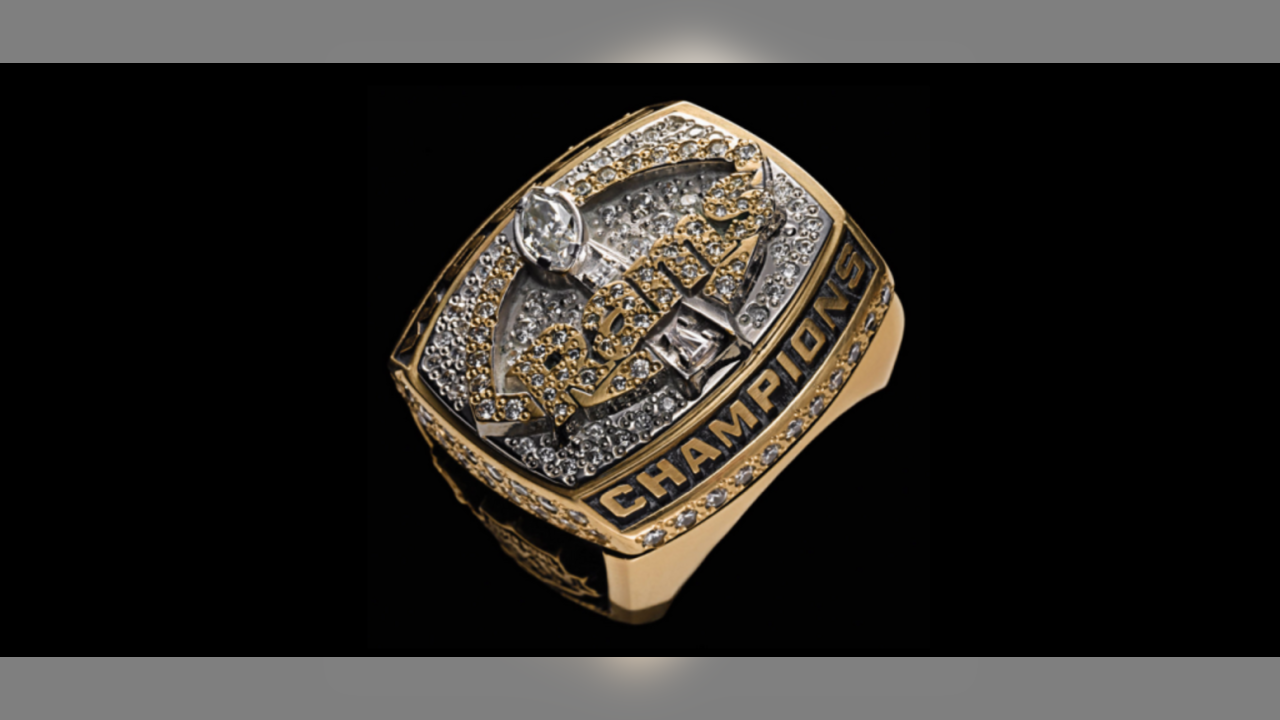
The dynasty’s momentum continued into the late 1980s. After the 1988 season, the San Francisco 49ers found themselves in Super Bowl XXIII, facing the Cincinnati Bengals once again. The game, played at Joe Robbie Stadium in Miami, Florida, is remembered for one of the most iconic game-winning drives in Super Bowl history. With just over three minutes left and trailing by three points, Joe Montana calmly led the 49ers down the field, culminating in a touchdown pass to John Taylor with just 34 seconds remaining. The 49ers secured their third Super Bowl championship with a 20-16 victory, a triumph that highlighted their clutch performance and resilience.
Super Bowl XXIV: A Dominant Performance
The dynasty reached its zenith with a resounding victory in Super Bowl XXIV following the 1989 season. Facing the Denver Broncos, the San Francisco 49ers delivered arguably their most dominant Super Bowl performance. The game, held at the Louisiana Superdome in New Orleans, saw the 49ers overwhelm the Broncos with a 55-10 victory. This remains the largest margin of victory in Super Bowl history. Joe Montana threw for five touchdowns in the game, earning MVP honors and securing his fourth Super Bowl ring. This was a true display of offensive prowess and a fitting capstone to an incredible run.
Super Bowl XXIX: Steve Young’s Moment
Following the retirement of Joe Montana, the torch was passed to quarterback Steve Young. Under his leadership, the San Francisco 49ers continued their championship tradition. After the 1994 season, they appeared in Super Bowl XXIX against the San Diego Chargers. The game, played at Joe Robbie Stadium in Miami, was a resounding success for the 49ers, who won 49-26. Steve Young had a record-breaking performance, throwing for six touchdowns and earning the Super Bowl MVP award. This fifth Super Bowl victory secured the 49ers’ place among the elite franchises, demonstrating their ability to adapt and maintain excellence through generational talent changes.
Beyond the Rings: The Cultural Impact of 49ers’ Success
The San Francisco 49ers Super Bowl victories are more than just statistics; they are woven into the fabric of Bay Area culture and national sports consciousness. These championships have inspired generations of fans, created iconic moments that are etched in sports history, and contributed significantly to the identity of San Francisco as a major sports city. The success of the 49ers has often coincided with periods of economic and social change in the region, providing a unifying force and a source of collective pride.
The 49ers as a Tourist Attraction and Cultural Symbol
For visitors to San Francisco, the legacy of the San Francisco 49ers offers a unique angle for exploring local culture. While not a physical landmark in the traditional sense, the team’s history of success acts as a powerful cultural attraction. Fans and enthusiasts may visit the Levi’s Stadium, the team’s modern home in Santa Clara, to experience the atmosphere and perhaps explore the team’s museum or memorabilia. The team’s iconic gold helmets and jerseys are instantly recognizable symbols, evoking memories of legendary players like Joe Montana, Jerry Rice, and Steve Young. These figures and their achievements are a significant part of the Bay Area narrative, influencing local pride and providing talking points for residents and tourists alike. The team’s influence can be seen in local businesses, fan gatherings, and the general sporting enthusiasm that permeates the region during football season.

The Enduring Appeal of Championship Teams
The quest for championship rings is what drives every professional sports franchise. For the San Francisco 49ers, the five Super Bowl rings they have earned are a testament to sustained excellence, strategic brilliance, and the dedication of countless individuals. These victories are not just historical footnotes; they are vibrant chapters in the ongoing story of the National Football League and a source of enduring fascination for sports enthusiasts worldwide. The history of the 49ers’ championships provides a compelling narrative of ambition, perseverance, and ultimate triumph, making them a cornerstone of professional football lore and a significant cultural touchstone for the city of San Francisco and beyond. The enduring appeal of teams with such a rich championship history often translates into ongoing tourism interest, as fans seek to connect with the legacy of these celebrated athletes and their iconic achievements.
LifeOutOfTheBox is a participant in the Amazon Services LLC Associates Program, an affiliate advertising program designed to provide a means for sites to earn advertising fees by advertising and linking to Amazon.com. Amazon, the Amazon logo, AmazonSupply, and the AmazonSupply logo are trademarks of Amazon.com, Inc. or its affiliates. As an Amazon Associate we earn affiliate commissions from qualifying purchases.