
The iconic San Francisco cable cars are more than just a mode of transportation; they are a quintessential San Francisco experience, a rolling piece of history, and a vital part of the city’s charm. For many visitors, navigating the city’s famous hills via these historic vehicles is a must-do activity. Understanding how to pay for your cable car journey is essential for a seamless and enjoyable visit. This guide will break down the various payment options, ticket types, and best practices for experiencing this unique San Francisco attraction.
Understanding Cable Car Fares and Ticketing
The San Francisco Municipal Transportation Agency (SFMTA) operates the historic cable car system. Fares are set and can be subject to change, so it’s always wise to check the official SFMTA website for the most up-to-date pricing. However, as of recent information, a single ride on the cable car typically costs a set fare. This fare grants you access to one continuous journey on any of the three cable car lines.

Single Ride Fares
For the casual rider who plans on taking the cable car for a specific journey, purchasing a single ride ticket is the most straightforward option.
- Where to Purchase: Single ride tickets can be purchased directly from the cable car conductor on board the car itself. Please note that conductors often prefer cash for these transactions, though some may accept credit card payments. It is highly recommended to have exact change or small bills ready to expedite the process and ensure a smooth boarding experience.
- Cost: The fare for a single ride is designed to cover the operational costs of this unique heritage system. While it might seem higher than a standard bus fare, it reflects the historical significance and the specialized maintenance required to keep these vintage vehicles running.
Multi-Day Visitor Passes
If you plan to use public transportation extensively during your stay in San Francisco, including multiple cable car rides, a visitor pass can offer significant value. These passes provide unlimited rides on Muni buses, streetcars, light rail, and, importantly, the cable cars, for a specified number of consecutive days.
- Types of Passes: The SFMTA typically offers 1-day, 3-day, and 7-day visitor passes. The choice depends on the length of your visit and your planned itinerary.
- Where to Purchase: These passes are generally available for purchase online through the official SFMTA website, via the MuniMobile app, or at select visitor centers and transit hubs. Purchasing in advance can save you time upon arrival.
- Benefits: The primary benefit of a visitor pass is convenience and cost savings. If you anticipate taking the cable car more than a couple of times, or plan to use other Muni services to explore different neighborhoods, the pass often becomes the most economical choice. It eliminates the need to purchase individual tickets for each ride, allowing for spontaneous exploration.
The MuniMobile App
In the digital age, the SFMTA has embraced technology to simplify fare payment. The MuniMobile app is a convenient and efficient way to purchase fares and passes.
- How it Works: Download the MuniMobile app onto your smartphone. You can then purchase single rides or multi-day passes directly through the app using a credit or debit card. Once purchased, your ticket or pass is stored on your phone.
- Activation and Validation: When you board the cable car, you will need to activate your ticket or pass through the app. There may be a QR code to scan or a confirmation to show the conductor. Following the app’s instructions is crucial to ensure your fare is validated correctly.
- Advantages: The MuniMobile app is ideal for travelers who prefer to go cashless, want to avoid queues, or appreciate the ease of managing their transportation tickets digitally. It also provides access to real-time service information and alerts.
Clipper Card
The Clipper Card is the Bay Area’s all-in-one transit card. While not exclusively for cable cars, it can be used to pay for cable car fares and offers flexibility.
- How to Use: You can load money onto a Clipper Card (like a debit card for transit) or purchase a specific pass on it. When boarding the cable car, you tap your Clipper Card on the fare reader. The appropriate fare will be deducted from your card’s balance or your pass will be validated.
- Purchasing: Clipper Cards can be purchased at various retail locations throughout San Francisco, at Clipper Card vending machines at major transit stations, or online.
- Considerations: If you plan to use multiple transit agencies in the Bay Area (beyond just Muni), the Clipper Card offers the most comprehensive solution. For a trip focused solely on San Francisco’s public transit, a Muni visitor pass or the MuniMobile app might be more direct.
Best Practices for Cable Car Payment

To ensure a smooth and enjoyable cable car experience, consider these practical tips regarding payment:
Planning Your Rides
- Route Familiarity: Before you hop on, have a general idea of which cable car line you want to ride and where you intend to go. The three lines – Powell-Hyde, Powell-Mason, and California Street – offer different routes and scenic views.
- Boarding Locations: Cable cars have designated boarding stops, particularly at the turnaround points at Ghirardelli Square and Fisherman’s Wharf for the Powell lines, and along California Street for the California Street line. Arriving at these key points can sometimes reduce wait times.
Payment Etiquette and Preparation
- Cash is King (Often): While digital options are increasingly prevalent, conductors often appreciate and sometimes prefer cash for single rides. Having exact change or smaller denominations ($1, $5, $10 bills) can significantly speed up the boarding process, especially during peak hours when lines can be long.
- Check Fares in Advance: Fares can change. A quick visit to the SFMTA website or checking the MuniMobile app before your trip will ensure you’re aware of the current pricing.
- Understand Pass Validity: If you opt for a multi-day pass, understand its activation and deactivation policy. Most are activated upon first use and remain valid for the duration selected.
Managing Wait Times
- Peak vs. Off-Peak: Cable cars are incredibly popular, especially during weekends, holidays, and summer months. Be prepared for potentially long queues, particularly at the main starting points. Boarding at intermediate stops can sometimes offer a shorter wait, though availability might be limited.
- Consider Other Transit: If the wait for a cable car is excessively long, remember that San Francisco has an extensive network of Muni buses and streetcars that can also take you to many of the city’s attractions, often with shorter wait times.
The Cable Car Experience: Beyond the Fare
Paying for your cable car ride is just the first step in a memorable San Francisco adventure. The fare you pay contributes to the preservation of this unique historical transit system, allowing future generations to experience the thrill of clinging to the side of an open-air car as it ascends and descends the city’s famously steep hills.
Historical Significance
The cable car system, first introduced in the 1870s, was a revolutionary innovation that made San Francisco navigable. These manually operated marvels of engineering are the last of their kind in the world, operating on a complex underground system of cables. Riding them is like taking a step back in time, offering a tangible connection to the city’s past.
Scenic Routes and Attractions
Each cable car line offers a distinct perspective of the city.
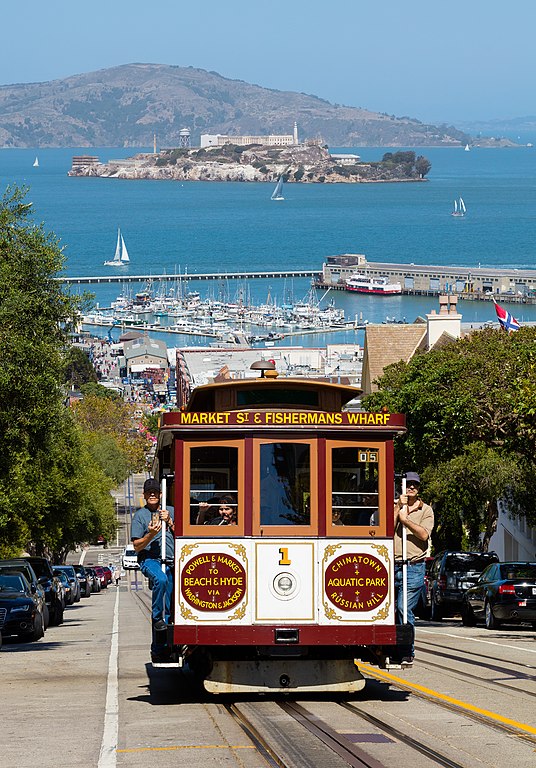
- Powell-Hyde Line: This is arguably the most scenic route, offering breathtaking views of Alcatraz Island and San Francisco Bay. It passes by Lombard Street’s “most crooked street” and descends into Fisherman’s Wharf.
- Powell-Mason Line: Also starting from the heart of Union Square, this line also ends near Fisherman’s Wharf, offering a slightly different route that passes through more of the city’s vibrant neighborhoods.
- California Street Line: This line operates east-west, offering stunning views of the Transamerica Pyramid and the financial district, before continuing towards Chinatown. It’s generally less crowded than the Powell lines.
Tips for Maximizing Your Ride
- Hold On Tight: When the car is in motion, especially on steep descents, hold onto the poles firmly.
- Enjoy the View: Don’t be afraid to stand on the running boards (safely, of course!) to get the best vantage point.
- Ring the Bell: The conductors often let passengers ring the bell for fun, a classic cable car experience.
- Photography: Capture the iconic scenery, but be mindful of other passengers and conductors when taking photos.
By understanding the payment options and planning accordingly, you can fully immerse yourself in the unparalleled experience of riding a San Francisco cable car, a truly unforgettable journey through the heart of the City by the Bay.
LifeOutOfTheBox is a participant in the Amazon Services LLC Associates Program, an affiliate advertising program designed to provide a means for sites to earn advertising fees by advertising and linking to Amazon.com. Amazon, the Amazon logo, AmazonSupply, and the AmazonSupply logo are trademarks of Amazon.com, Inc. or its affiliates. As an Amazon Associate we earn affiliate commissions from qualifying purchases.