
Understanding Seattle’s Tax Landscape for Visitors and Residents
The question of whether Seattle has an income tax is a common one, particularly for those planning a visit or considering a relocation to this vibrant Pacific Northwest metropolis. Understanding the tax implications of a city is crucial for budgeting and financial planning. Seattle, unlike many other major cities across the United States, operates under a unique tax structure that might differ from what visitors or prospective residents expect. This exploration delves into the specifics of taxation in Seattle, focusing on what it means for individuals engaging with the city, whether for short-term tourism or long-term residency.

The Absence of a City-Wide Income Tax
One of the most significant aspects of Seattle’s tax system, and often a point of clarification, is the absence of a broad-based municipal income tax. This means that neither residents nor visitors are subject to a direct tax levied by the city on their earnings, salaries, or wages. This distinction sets Seattle apart from a number of other large American cities that do impose such a tax, which can significantly impact an individual’s disposable income.
However, it’s essential to understand that this absence does not mean there are no taxes to consider. Seattle and the state of Washington employ other forms of taxation that collectively contribute to the city’s revenue and fund public services. These alternative tax streams are a vital part of the economic fabric and directly affect the cost of living and doing business within the city limits.
State and Federal Income Taxes
While Seattle itself does not impose an income tax, individuals earning income within the city are still subject to state and federal income taxes.
Federal Income Tax
All U.S. residents and citizens earning income are subject to federal income tax. This tax is levied by the Internal Revenue Service (IRS) and is based on gross income, deductions, and tax credits. The rates and rules are determined at the federal level and apply universally across the United States.
State Income Tax in Washington
A key characteristic of Washington State, and therefore Seattle, is that it does not have a statewide personal income tax. This has been a long-standing policy and a significant draw for individuals and businesses seeking to minimize their tax burden on earned income. This means that if you earn money while living or working in Seattle, you will not have to pay a portion of your income to the Washington State government in the form of income tax.
Other Significant Taxes in Seattle
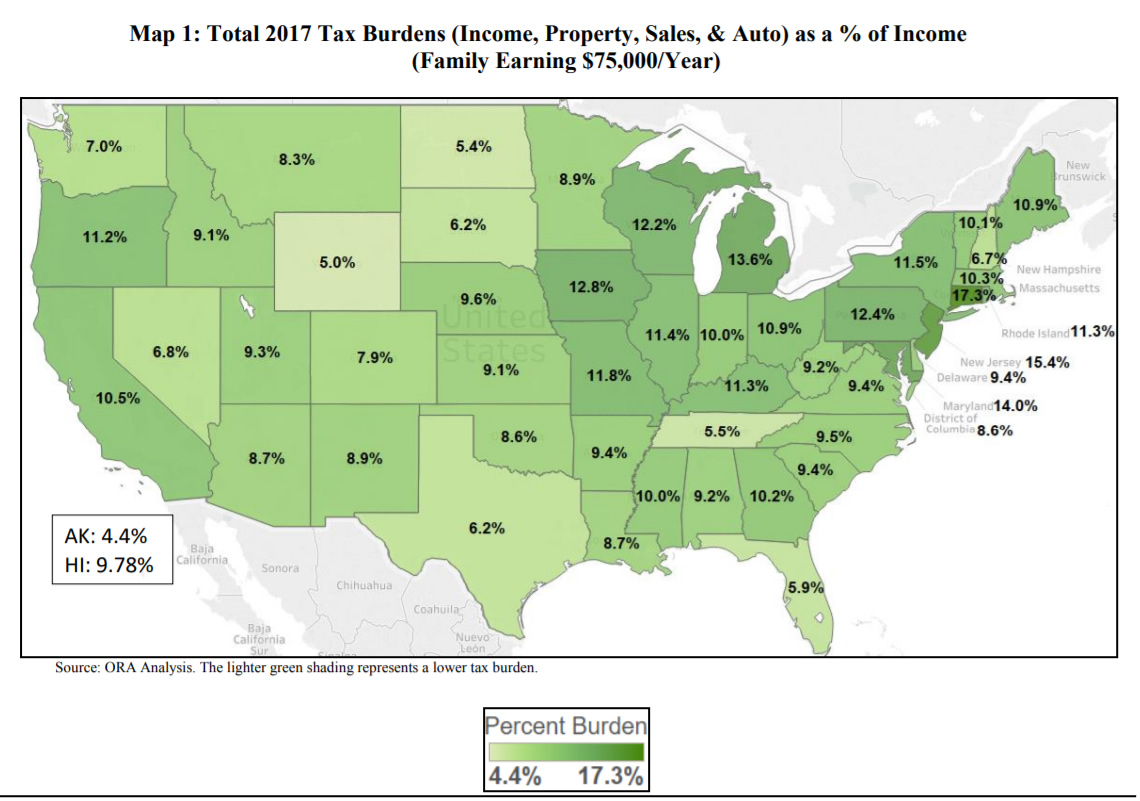
Despite the lack of a city income tax, Seattle and Washington rely on other tax revenue streams to fund their operations and services. These include sales tax, property tax, and various business-related taxes and fees. For visitors, the sales tax is often the most noticeable. For residents and property owners, property taxes are a significant consideration.
Sales Tax
Seattle has a notable sales tax rate, which is a combination of state, county, and city taxes. This tax is applied to the retail sale of most goods and some services. When you purchase items in Seattle, whether at a bustling market like Pike Place Market or at a retail store in areas like South Lake Union, you will see this tax added to your bill. For tourists, this means that the advertised price of goods and services will be increased by the applicable sales tax rate. The current combined sales tax rate in Seattle is among the higher rates in the United States, reflecting the city’s reliance on this revenue source.
Components of Seattle’s Sales Tax

The sales tax you pay in Seattle is not a single figure but an aggregation of different governmental levies:
- State of Washington Sales Tax: A base rate set by the state.
- King County Sales Tax: An additional tax levied by King County, the county in which Seattle is located.
- City of Seattle Sales Tax: A specific portion allocated to the city government to fund local services and infrastructure.
Understanding these components can help individuals comprehend the total tax burden on consumer purchases. For businesses operating in Seattle, accurate collection and remittance of sales tax are critical compliance requirements.
Property Tax
For individuals who own property in Seattle, property tax is a significant annual expense. This tax is levied by local government entities, including the city, county, and various special districts (such as school districts or fire districts). Property taxes are based on the assessed value of the property and the millage rates set by these taxing authorities.
Impact on Homeowners and Businesses
Homeowners in Seattle will see property taxes reflected in their mortgage payments or receive annual tax bills. For businesses that own commercial real estate, property taxes are a substantial operating cost. The rising property values in Seattle have, in turn, led to increases in property tax revenues for the city, which are then reinvested in public amenities and services.
Business and Occupation (B&O) Tax
Washington State imposes a Business and Occupation (B&O) tax, and Seattle also has its own version of a B&O tax, which is a gross receipts tax. This tax is levied on businesses operating within the city, based on their gross income. Unlike an income tax, which is applied to net profits, the B&O tax is applied to total revenue before expenses are deducted. The rates vary depending on the business activity.
Business Implications
This tax structure is a key consideration for businesses looking to establish or expand operations in Seattle. While the absence of a corporate income tax can be attractive, the B&O tax is a factor that businesses must incorporate into their financial models. The city has from time to time adjusted its B&O tax rates and structures, often in response to economic conditions and revenue needs, making it a dynamic element for the business community.
Navigating Seattle’s Tax Environment
For visitors planning a trip to Seattle, the most immediate tax consideration will be the sales tax on purchases. This is a relatively straightforward aspect of the tax system that is applied at the point of sale. Understanding the rate will help in budgeting for expenses, from dining at renowned restaurants in neighborhoods like Capitol Hill to purchasing souvenirs or enjoying attractions like the Museum of Pop Culture (MoPOP).
For individuals considering a move to Seattle, the absence of a personal income tax at both the state and city levels is a significant financial advantage. However, it is crucial to factor in other costs, such as the higher sales tax and potentially higher property taxes if purchasing a home. The overall cost of living in Seattle is influenced by a complex interplay of housing costs, sales taxes, and the absence of income tax.
Tax Reforms and Future Considerations
It is important to note that tax policies are subject to change. While Seattle has historically opted against a municipal income tax, public discourse and economic pressures can lead to reevaluations of tax structures. Any significant shifts in policy would likely be widely reported and debated. For long-term residents and businesses, staying informed about potential tax reforms is always advisable.
For instance, discussions around progressive taxation or alternative revenue generation methods for municipal services are ongoing in many cities, and Seattle is no exception. While no concrete changes to an income tax have materialized, the conversation reflects a broader societal engagement with how cities fund essential public services in an equitable manner.
In conclusion, the answer to “Does Seattle Have Income Tax?” is a definitive no, in terms of a direct city-level income tax on individuals. However, a comprehensive understanding of Seattle’s tax environment necessitates an appreciation for the state and federal income taxes that apply universally, as well as the significant role of sales tax, property tax, and business taxes in funding the city’s vibrant urban life and essential services. This nuanced approach is key for anyone engaging with the financial landscape of this dynamic city.
LifeOutOfTheBox is a participant in the Amazon Services LLC Associates Program, an affiliate advertising program designed to provide a means for sites to earn advertising fees by advertising and linking to Amazon.com. Amazon, the Amazon logo, AmazonSupply, and the AmazonSupply logo are trademarks of Amazon.com, Inc. or its affiliates. As an Amazon Associate we earn affiliate commissions from qualifying purchases.