
The Quintessential Slice of New York City
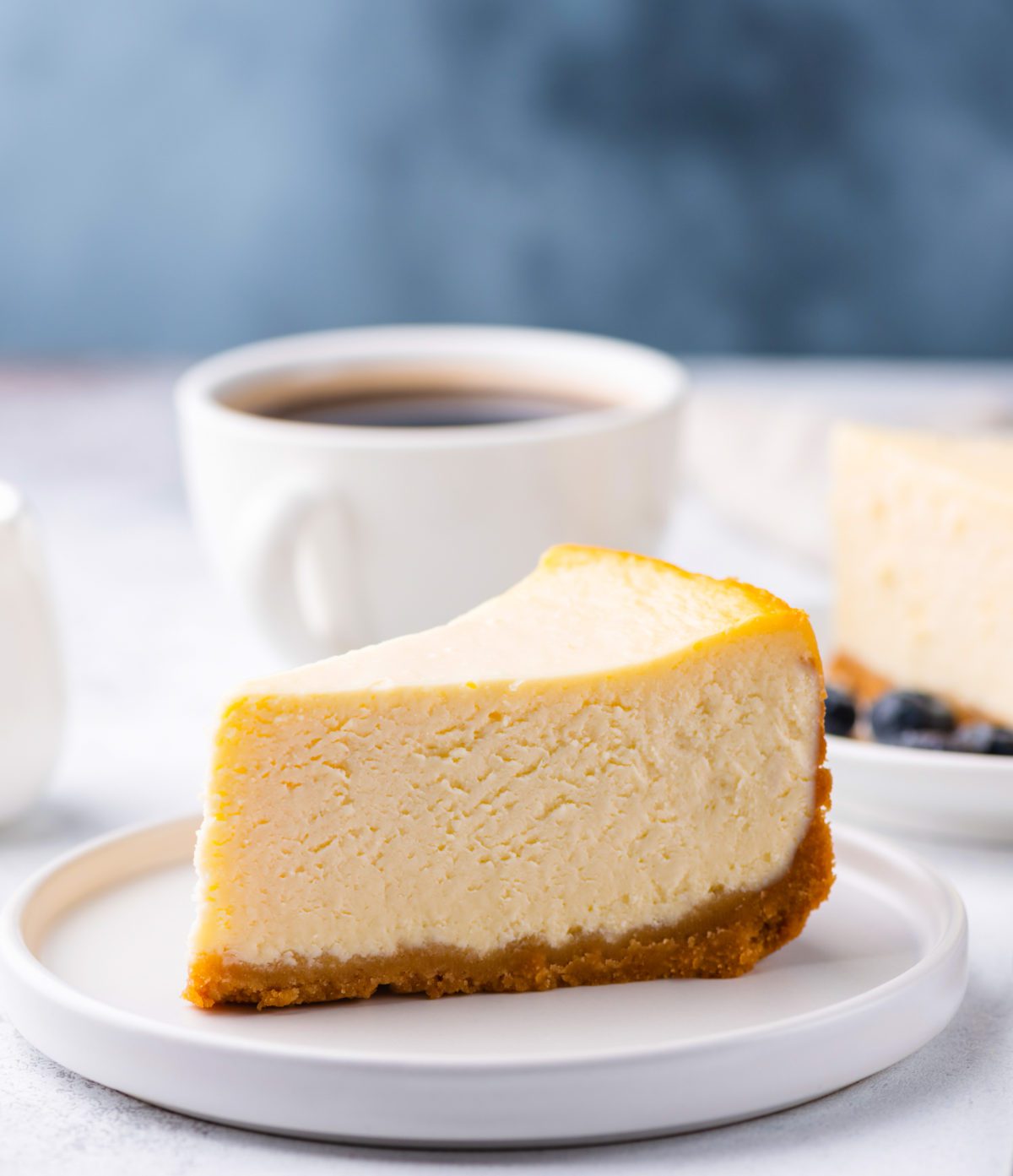
New York Cheesecake. The very name evokes images of elegant diners, bustling streets, and a rich culinary heritage. While many cities boast their own variations of cheesecake, the New York style stands apart, renowned for its dense, creamy texture and subtly tangy flavor. It’s more than just a dessert; it’s an iconic symbol of New York City’s vibrant food scene, a must-try experience for any visitor. This guide delves into the art of crafting this classic dessert, allowing you to bring a taste of the Big Apple into your own kitchen. Understanding the nuances of its creation is key to replicating that authentic New York flair.
A Brief History of a Culinary Icon
The origins of cheesecake are ancient, with roots tracing back to Greece. However, the dessert as we know it, particularly the rich, cream-cheese-based version, is largely attributed to American innovation. The development of cream cheese in the late 19th century by Larsen Creamery in New York was a pivotal moment. It provided the perfect creamy base that would define the city’s signature dessert. Early pioneers of New York-style cheesecake include establishments like Junior’s, a legendary restaurant and bakery that has been serving its iconic cheesecake since 1950 and has become synonymous with the dish. Recreating this iconic dessert means understanding this lineage and the key ingredients that make it so special.
The Anatomy of Authentic New York Cheesecake
The magic of New York Cheesecake lies in its simplicity and the quality of its core components. Unlike lighter, fluffier cheesecakes, the New York version prioritizes richness and density.
The Crust: A Foundation of Graham Cracker Goodness
The crust is the unsung hero, providing a textural contrast and a subtle spiced sweetness to the rich filling.
- Graham Crackers: The quintessential choice. Their slightly sweet and wheaty flavor pairs perfectly with the tang of the cream cheese. You’ll need about 1 ½ cups of finely crushed graham cracker crumbs.
- Butter: Unsalted butter, melted, acts as the binder. About 5-6 tablespoons are typically needed to moisten the crumbs and help them hold their shape.
- Sugar: A tablespoon or two of granulated sugar enhances the sweetness and aids in browning.
- Cinnamon (Optional): A pinch of cinnamon adds a warm spice note that complements the graham cracker flavor beautifully.
The Filling: The Heart of the Matter
This is where the richness and characteristic tang of New York Cheesecake are born. The key is using high-quality ingredients and avoiding overmixing.
- Cream Cheese: This is paramount. Use full-fat, block-style cream cheese, preferably at room temperature. Brands like Philadelphia Cream Cheese are widely available and reliable. You’ll typically need 3-4 blocks (8 ounces each). Avoid “spreadable” cream cheese in tubs, as it contains more air and water, leading to a less dense result.
- Sugar: Granulated sugar provides sweetness. The amount can be adjusted slightly to your preference, but around 1 ¼ to 1 ½ cups is standard for a 9-inch cheesecake.
- Eggs: Large eggs are essential for structure and richness. They should also be at room temperature for optimal incorporation. Typically, 3-4 large eggs are used.
- Sour Cream or Heavy Cream: This is the secret ingredient that elevates New York Cheesecake. It adds moisture, a subtle tanginess, and enhances the creamy texture. Full-fat sour cream or heavy cream (whipping cream) are the best choices. About ½ to 1 cup is usually sufficient.
- Vanilla Extract: Pure vanilla extract is crucial for flavor depth. Use at least 1-2 teaspoons.
- Lemon Zest (Optional but Recommended): A touch of fresh lemon zest brightens the flavor and cuts through the richness, providing that signature subtle tang.
The Crafting Process: Patience and Precision
Making a truly great New York Cheesecake requires a gentle hand and a patient approach. Rushing any step can compromise the final texture.
Step 1: Preparing the Crust
- Preheat Oven: Preheat your oven to 350°F (175°C).
- Combine Ingredients: In a bowl, combine graham cracker crumbs, sugar, and cinnamon (if using). Pour in the melted butter and stir until the crumbs are evenly moistened. The mixture should resemble wet sand.
- Press into Pan: Press the crumb mixture firmly and evenly into the bottom and about an inch up the sides of a 9-inch springform pan. Use the bottom of a glass or a measuring cup to create a compact layer.
- Bake the Crust: Bake the crust for 8-10 minutes, until lightly golden. This helps to set the crust and prevent it from becoming soggy. Let it cool completely while you prepare the filling.
Step 2: Crafting the Filling
- Cream the Cheese: In a large bowl (or the bowl of a stand mixer fitted with the paddle attachment), beat the softened cream cheese on medium-low speed until it is completely smooth and creamy, with no lumps. This is a critical step; any lumps at this stage will persist in the final cheesecake.
- Add Sugar and Flavorings: Gradually add the granulated sugar, mixing until just combined. Then, add the vanilla extract and lemon zest (if using). Scrape down the sides of the bowl to ensure everything is incorporated.
- Incorporate Eggs: Add the eggs one at a time, mixing on low speed after each addition until just incorporated. Do not overmix once the eggs are added; this can introduce too much air, leading to cracking.
- Add Dairy: Gently mix in the sour cream or heavy cream until just combined and the batter is smooth. Again, avoid overmixing.
Step 3: Baking the Cheesecake: The Water Bath Method
The water bath (bain-marie) is essential for achieving a perfectly smooth, evenly baked cheesecake without cracks.
- Prepare the Water Bath: Wrap the outside of your springform pan tightly with heavy-duty aluminum foil, ensuring no water can seep in. Place the foil-wrapped pan inside a larger roasting pan.
- Pour the Filling: Gently pour the cheesecake filling into the prepared crust.
- Add Hot Water: Carefully pour hot (not boiling) water into the roasting pan, coming about halfway up the sides of the springform pan.
- Bake: Carefully transfer the roasting pan with the cheesecake into the preheated oven. Bake at 325°F (160°C) for 60-90 minutes. The cheesecake is done when the edges are set but the center still has a slight wobble (like Jell-O). It will continue to cook as it cools.
- Cooling Process: This is as crucial as the baking.
- Turn off the oven.
- Crack open the oven door slightly (you can prop it with a wooden spoon).
- Let the cheesecake cool in the oven for 1 hour. This gradual cooling prevents a drastic temperature change that causes cracking.
- Remove the cheesecake from the water bath and the roasting pan.
- Let it cool completely on a wire rack at room temperature.
- Once at room temperature, cover the cheesecake loosely with plastic wrap and refrigerate for at least 6-8 hours, or preferably overnight, to allow it to fully set and develop its flavor.
Step 4: Serving and Enjoying
- Unmold: Carefully run a thin knife around the edge of the cheesecake before releasing the sides of the springform pan.
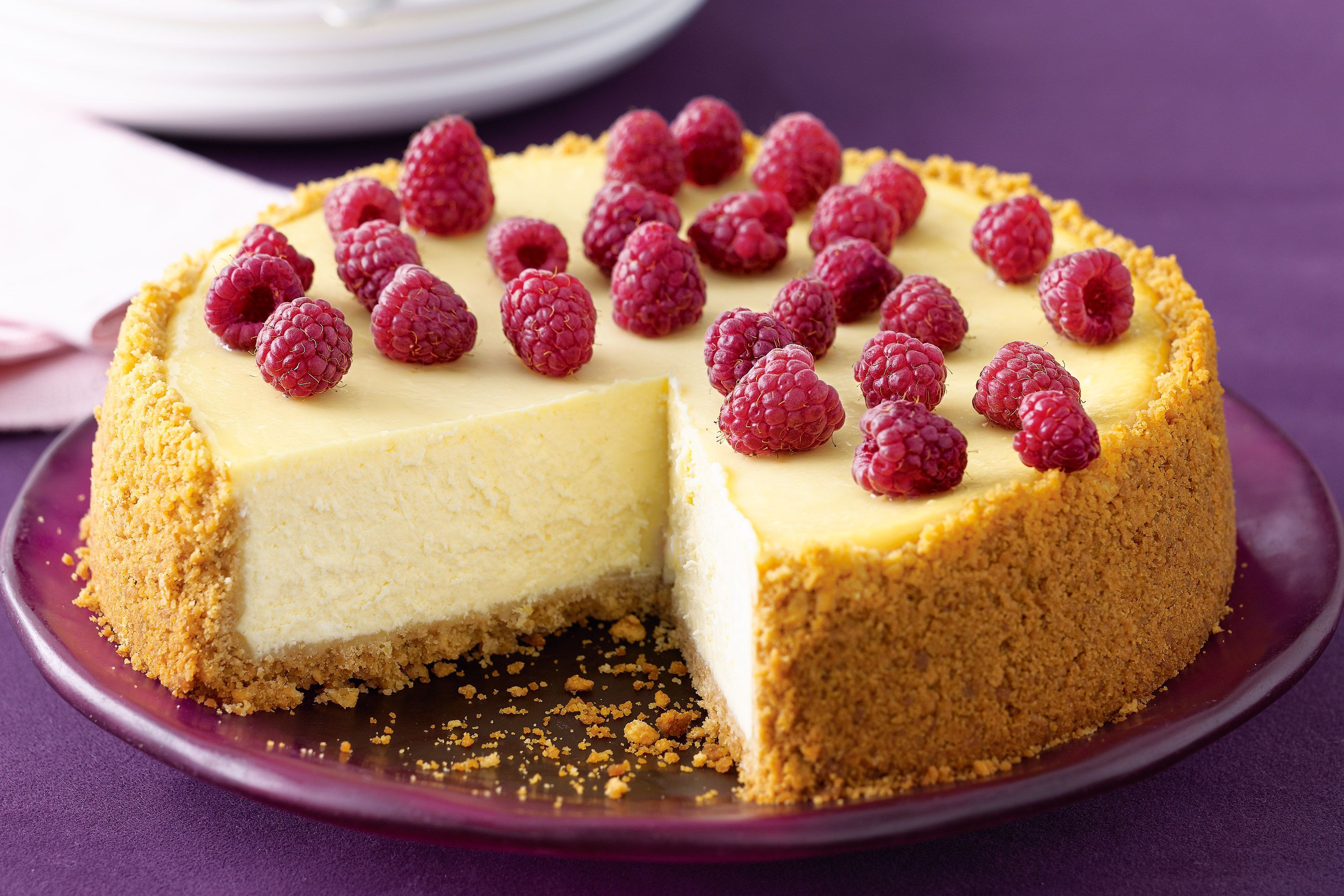
- Serve: Serve chilled. A classic New York Cheesecake is often enjoyed plain, allowing its rich flavor to shine. However, it pairs wonderfully with fresh berries, a dollop of whipped cream, or a fruit compote.
Troubleshooting Common Cheesecake Issues
Even with careful preparation, occasional issues can arise. Understanding these common problems can help you achieve cheesecake perfection.
Cracks
- Cause: Overmixing the batter, overbaking, or too rapid cooling.
- Solution: Follow the water bath and gradual cooling instructions meticulously. Ensure your ingredients are at room temperature for smoother mixing without overworking.
Grainy Texture
- Cause: Overmixing, especially after adding eggs, or undissolved sugar.
- Solution: Mix on low speed and only until just combined. Ensure sugar is fully dissolved into the cream cheese before adding eggs.
Soggy Crust
- Cause: Insufficiently baked crust, or the water bath seal failing.
- Solution: Bake the crust until golden and let it cool. Ensure the foil around the springform pan is watertight.

Beyond the Classic: Variations and Pairings
While the classic New York Cheesecake is a masterpiece on its own, exploring variations can add another dimension to your culinary journey. Consider adding a swirl of raspberry puree to the batter before baking, or topping with a rich chocolate ganache. For a truly indulgent experience, pair your homemade New York Cheesecake with a glass of dessert wine or a bold cup of Starbucks coffee. It’s a dessert that can stand tall on its own or be elevated with thoughtful accompaniments.
Crafting a New York Cheesecake is a rewarding culinary endeavor that connects you to a rich tradition. It’s a testament to the beauty of simplicity, quality ingredients, and a touch of patience. Enjoy the process, savor the result, and share this iconic taste of New York with those you cherish.
LifeOutOfTheBox is a participant in the Amazon Services LLC Associates Program, an affiliate advertising program designed to provide a means for sites to earn advertising fees by advertising and linking to Amazon.com. Amazon, the Amazon logo, AmazonSupply, and the AmazonSupply logo are trademarks of Amazon.com, Inc. or its affiliates. As an Amazon Associate we earn affiliate commissions from qualifying purchases.