
The question “How much is CRV in California?” is a common one, particularly for those looking to understand the financial implications of vehicle ownership in the Golden State. CRV, or California Refund Value, is a deposit paid on certain beverage containers that can be redeemed for cash when the containers are returned for recycling. This program, established by the California Beverage Container Recycling Act of 1986, aims to reduce waste and encourage recycling by providing a monetary incentive. Understanding the CRV is crucial for consumers, businesses, and anyone involved in the recycling ecosystem within California.

Understanding the California Refund Value (CRV) Program
The California Refund Value program is a cornerstone of the state’s waste reduction efforts. It applies to most empty beverage containers, including those made of aluminum, glass, and plastic. The value of the CRV is fixed by law and is designed to be substantial enough to motivate consumers to return their containers rather than discard them.
What Containers Are Eligible for CRV?
The California Department of Resources Recycling and Recovery (CalRecycle) oversees the CRV program and provides definitive guidelines on eligible containers. Generally, the following types of beverage containers are included:
- Aluminum Cans: Most aluminum cans that originally contained carbonated or non-carbonated beverages are eligible.
- Glass Bottles: Glass bottles that held beverages like soda, juice, or water are typically covered. However, some exceptions may apply, such as for wine or distilled spirits.
- Plastic Bottles: Most plastic beverage bottles, particularly those made from PET (polyethylene terephthalate), are included. Like glass, certain types of plastic containers might be exempt.
- Bimetal Containers: These are containers made from a combination of aluminum and steel.
- Coated Cardboard (less common for CRV): While some beverage cartons are recyclable, the CRV program primarily focuses on the more traditional aluminum, glass, and plastic types.
It’s important to note that the CRV is not applied to containers of dairy products, medical substitutes, or certain infant formulas. Additionally, containers that are not intended for individual sale, such as large beverage dispensers, are typically excluded. The presence of a California Redemption Value (CRV) logo on the container is often a good indicator of its eligibility, though not always present on all redeemable items.
How is the CRV Determined?
The CRV amount is set by the state legislature and is subject to change. Historically, the CRV has been a consistent and easily recognizable amount.
- For containers less than 24 ounces: The CRV is typically $0.05 (five cents) per container. This covers the vast majority of single-serve beverage containers found in grocery stores and convenience stores across California.
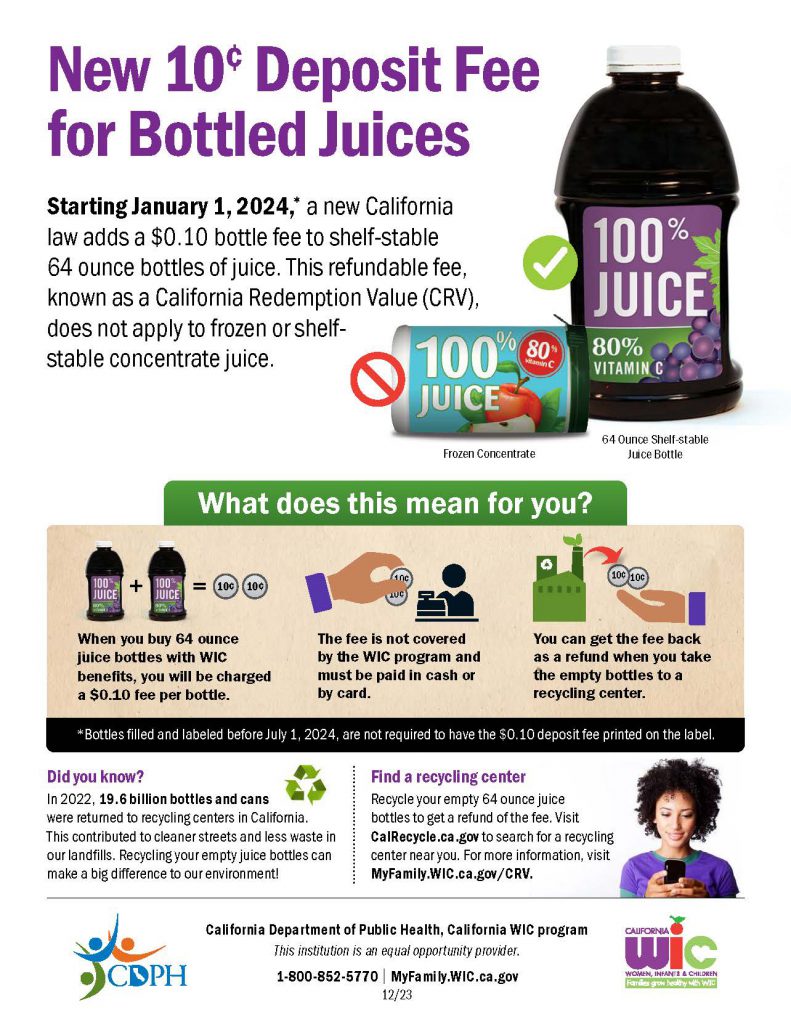
- For containers 24 ounces or greater: The CRV is typically $0.10 (ten cents) per container. This applies to larger bottles of water, juice, or soda.
These rates have remained stable for a considerable period, providing predictability for consumers and businesses. However, it is always advisable to check the latest guidelines from CalRecycle for any potential updates or adjustments.
Where to Redeem Your CRV in California
Redeeming your CRV in California is a straightforward process, thanks to a network of recycling centers and drop-off locations. The state mandates that retailers who sell eligible beverages must either redeem CRV containers directly at their point of sale or contract with a certified recycling center.
Types of Redemption Locations
- Supermarkets and Grocery Stores: Many larger grocery stores, particularly those that sell a significant volume of beverages, offer in-store redemption. This can range from reverse vending machines (RVMs) where you insert your containers and receive a printed receipt, to manual redemption stations staffed by employees. The Save Mart or Safeway chains, for instance, often have these facilities.
- Independent Recycling Centers: These are dedicated facilities focused solely on collecting and processing recyclable materials, including CRV-eligible beverage containers. They are often found in more industrial areas or accessible community locations. These centers typically pay out the redeemed CRV directly in cash or by check.
- Farmers Markets and Community Events: Some organized events or markets may host temporary collection points, particularly during or after a large gathering, to facilitate the collection of beverage containers.
When redeeming your containers, it is important to ensure they are empty and relatively clean. Damaged or excessively dirty containers may be rejected by redemption centers.
The Redemption Process
The process for redeeming CRV is generally as follows:
- Collect Eligible Containers: Gather your empty aluminum cans, glass bottles, and plastic bottles that meet the CRV criteria.
- Sort if Necessary: Some redemption centers may prefer containers to be sorted by material type (aluminum, glass, plastic).
- Visit a Redemption Location: Take your collected containers to a participating supermarket, grocery store, or a certified recycling center.
- Redemption:
- In-Store Machines: Insert your containers into the provided machine. The machine will count them and issue a receipt.
- Manual Stations: Hand over your sorted containers to an attendant. They will weigh or count them and provide a receipt.
- Recycling Centers: These centers often have more sophisticated sorting and weighing equipment. They will process your containers and pay you the redeemed CRV value.
- Receive Your Refund: Your refund will typically be provided as cash or a check, depending on the redemption location and the volume of your return. Some retailers might offer store credit.
It is crucial to understand that the CRV is a deposit. You are essentially getting your money back for participating in the recycling process. The cost of the CRV is added to the purchase price of eligible beverages at the point of sale.
The Impact of CRV on the California Economy and Environment
The California Refund Value program is more than just a consumer incentive; it has significant implications for the state’s economy and environmental sustainability.
Environmental Benefits
The primary goal of the CRV program is to divert recyclable materials from landfills. By making recycling financially attractive, California has achieved some of the highest recycling rates in the nation for beverage containers. This has several positive environmental effects:
- Reduced Landfill Waste: Fewer containers ending up in landfills means less strain on limited landfill space and a reduction in potential soil and groundwater contamination.
- Conservation of Natural Resources: Recycling aluminum, glass, and plastic reduces the need to extract and process virgin raw materials, which are often energy-intensive and environmentally damaging. For example, recycling aluminum requires up to 95% less energy than producing it from bauxite ore.
- Lower Greenhouse Gas Emissions: The manufacturing processes for recycled materials generally produce fewer greenhouse gas emissions compared to producing new materials, contributing to California’s climate goals.

Economic Benefits
The CRV program also generates economic activity and supports jobs within the state:
- Recycling Industry Jobs: The collection, processing, and remanufacturing of recycled materials create numerous jobs. This includes roles at recycling centers, transportation companies, and manufacturing facilities that utilize recycled content.
- Revenue Generation for Local Governments and Recycling Centers: Certified recycling centers are businesses that operate within the framework of the CRV program, generating revenue from the collected materials.
- Support for Local Economies: The presence of accessible redemption centers and recycling facilities can support local economies by providing convenient services and employment opportunities.
While the CRV amounts themselves are relatively small on an individual container basis, the aggregate impact of millions of redeemed containers contributes significantly to both environmental protection and economic development in California. It serves as a model for other states and countries looking to enhance their recycling infrastructure and achieve ambitious waste diversion targets. The program underscores the principle that environmental responsibility can be effectively integrated with economic incentives, creating a win-win scenario for both the planet and its inhabitants.
LifeOutOfTheBox is a participant in the Amazon Services LLC Associates Program, an affiliate advertising program designed to provide a means for sites to earn advertising fees by advertising and linking to Amazon.com. Amazon, the Amazon logo, AmazonSupply, and the AmazonSupply logo are trademarks of Amazon.com, Inc. or its affiliates. As an Amazon Associate we earn affiliate commissions from qualifying purchases.