
Absolutely, for travelers pondering the most efficient and enjoyable way to journey between the historic streets of Boston and the bustling metropolis of New York, the answer is a resounding yes. A robust and reliable train service connects these two iconic Northeast cities, offering a compelling alternative to driving, flying, or bus travel. The primary operator for this essential route is Amtrak, providing both standard and high-speed options designed to cater to a diverse range of preferences and budgets. Choosing the train often means trading airport security lines and highway traffic for spacious seating, scenic views, and the convenience of city-center arrivals, making it a highly attractive choice for both leisure and business travelers.
The Northeast Regional: Your Primary Rail Link
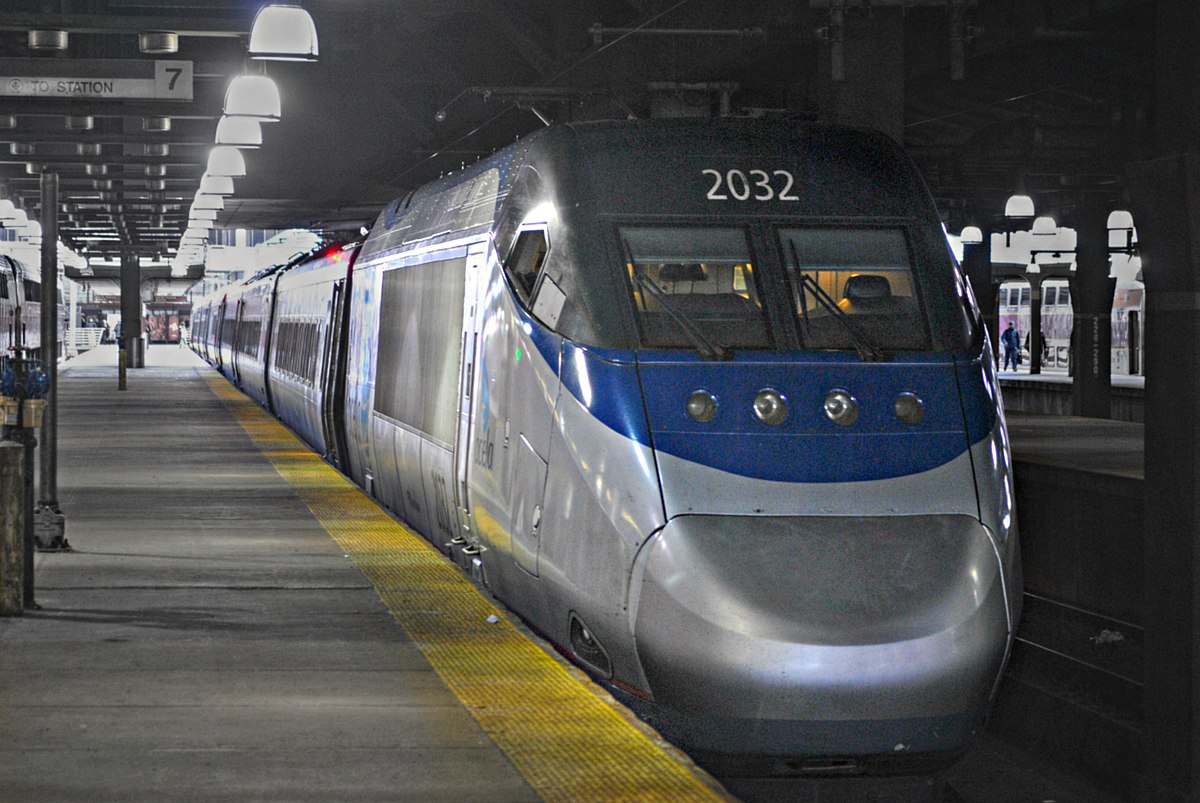
The backbone of rail travel between Boston and New York is undoubtedly Amtrak’s Northeast Regional service. This popular route offers frequent departures throughout the day, ensuring flexibility for planning your trip. It’s a journey that combines comfort with practicality, traversing some of the most populated and economically vital regions of the United States.
Understanding the Route and Schedule
The Northeast Regional typically operates multiple times daily, with services starting early in the morning and continuing late into the evening. The average travel time between Boston’s South Station and New York’s Moynihan Train Hall (Penn Station) is approximately four hours. This duration can vary slightly based on the specific train, track conditions, and the number of stops. Key intermediate stops along the route often include Providence, New London, New Haven, and Stamford, providing convenient access for travelers to various Northeast cities.
The departure point in Boston is South Station, a historic and central transportation hub easily accessible by the city’s subway system (the “T”), local buses, and taxis. Upon arrival in New York City, trains pull into Moynihan Train Hall, an impressive new facility directly across from the historic Penn Station. Both stations are strategically located in the heart of their respective cities, offering seamless connections to local public transportation, ride-sharing services, and a plethora of hotels, attractions, and business districts. This city-center to city-center convenience is a major advantage that train travel holds over air travel.
Onboard Experience and Amenities
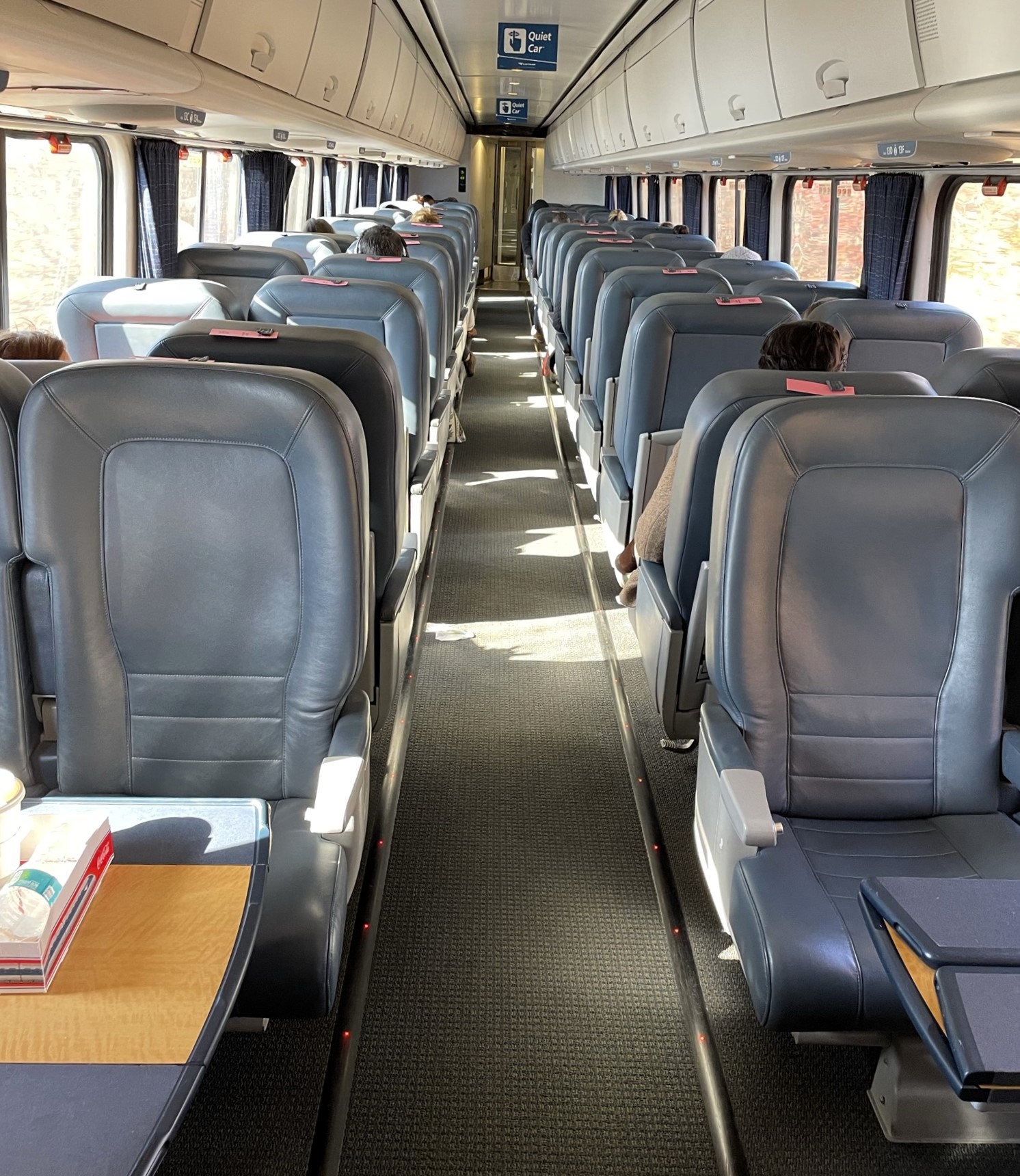
Traveling on the Northeast Regional is designed for comfort and productivity. Passengers can choose between Coach Class and Business Class seating. Coach Class provides comfortable, reclining seats with ample legroom, often more generous than what’s found on airplanes. Each seat typically includes a power outlet, allowing passengers to keep their electronic devices charged throughout the journey. Wi-Fi access is generally available, though its reliability can vary along the route, making it suitable for light browsing and email rather than heavy streaming or large downloads.
For those seeking an elevated experience, Business Class offers larger, more spacious seats, often with extra recline and additional legroom. These seats are usually located in a dedicated car, providing a quieter environment ideal for working or relaxing. Business Class tickets also often include complimentary non-alcoholic beverages. All Northeast Regional trains feature a Cafe Car, where passengers can purchase a variety of snacks, sandwiches, light meals, and both alcoholic and non-alcoholic beverages. The journey itself offers glimpses of the diverse Northeast Corridor landscape, from urban sprawl to coastal vistas and charming small towns.
The Acela Express: High-Speed Alternative
For travelers prioritizing speed and premium comfort, Amtrak also operates the Acela Express service between Boston and New York. Marketed as America’s only high-speed train service, the Acela provides a faster, more exclusive travel experience tailored for business travelers and those willing to pay a premium for enhanced amenities.
Faster Travel for a Premium
The Acela Express significantly cuts down travel time compared to the Northeast Regional. A journey on the Acela between Boston South Station and New York Penn Station typically takes around three and a half hours, saving approximately 30 minutes to an hour. This speed advantage comes from its ability to reach higher speeds on dedicated sections of track and its more limited number of stops, often bypassing some of the smaller towns served by the Northeast Regional.
Naturally, this expedited service and superior comfort come with a higher price tag. Acela tickets are generally more expensive than Northeast Regional fares, reflecting its premium positioning. However, for those on a tight schedule or seeking a more refined travel environment, the investment is often considered worthwhile.
Enhanced Comfort and Business-Class Focus
The Acela Express is exclusively configured with First Class and Business Class seating, meaning there is no standard coach class. Both classes offer a significantly upgraded experience from the Northeast Regional.
Business Class on the Acela features wider, more plush seats with leather upholstery, ample personal space, and power outlets at every seat. It’s an ideal environment for working remotely, with quiet cars often available for minimal distractions. First Class takes luxury a step further, offering an even more spacious seating arrangement, at-seat meal and beverage service (often included in the fare), and priority boarding. Passengers in First Class also benefit from a dedicated attendant who caters to their needs, making the journey feel more akin to an airline’s first-class experience, but on rails. Both classes provide reliable Wi-Fi, allowing passengers to stay connected throughout their journey between Boston and New York.
Booking Your Journey: Tips for a Smooth Trip

Securing your train ticket between Boston and New York is a straightforward process, but a few strategic considerations can enhance your travel experience and potentially save you money.
When to Book and How to Save
Like airfares, train ticket prices on Amtrak can fluctuate based on demand, time of day, and how far in advance you book. For the best fares, especially on the popular Acela Express, it is highly recommended to book your tickets as far in advance as possible. Amtrak often releases tickets up to 11 months ahead of time, and early birds frequently benefit from lower “saver” fares.
If your travel dates are flexible, try searching for tickets on weekdays or during off-peak hours, as these tend to be less expensive than weekend or holiday travel. Amtrak also offers various discounts for seniors, students, military personnel, and children. Joining the Amtrak Guest Rewards program can also lead to earning points for future travel or upgrades. Always check the official Amtrak website or their mobile app for the most up-to-date schedules, fares, and special promotions. Comparing prices between the Northeast Regional and Acela is also wise, as sometimes an Acela fare might not be significantly higher if booked far enough in advance.
Station Logistics and Arrival
Both Boston South Station and New York Penn Station are major transportation hubs. Arriving at least 30-45 minutes before your scheduled departure is advisable, especially if you need to check luggage or are unfamiliar with the station layout. While train travel doesn’t involve the stringent security checks of airports, it’s good practice to allow ample time.
At South Station, you’ll find numerous shops, restaurants, and waiting areas. Track assignments are typically posted on departure boards closer to the departure time. Upon arrival at Moynihan Train Hall in New York City, you are directly connected to the city’s extensive subway network, numerous bus lines, and a constant stream of taxis and ride-share vehicles, making onward travel throughout Manhattan and beyond exceptionally convenient.
Amtrak’s luggage policy is generous, typically allowing two carry-on items and two personal items per passenger at no extra charge. Checked baggage service is also available at most major stations, including Boston South Station and New York Penn Station, for an additional fee or as part of certain fare classes.
Why Choose the Train Over Other Modes?
The journey between Boston and New York offers several transportation choices, but the train frequently stands out as the superior option for many discerning travelers.
Convenience and Comfort
Perhaps the most compelling argument for train travel is its unparalleled convenience. Unlike flying, which involves commuting to distant airports, navigating security lines, enduring cramped seating, and then repeating the process upon arrival, train travel is a seamless city-center to city-center experience. You board at South Station and disembark directly into the heart of Manhattan. There are no strict liquid restrictions, no need to remove shoes, and often less hassle with baggage.
The comfort level on a train far surpasses that of a bus and often even an economy-class flight. Passengers have the freedom to move about the train, stretch their legs, and visit the Cafe Car. The spacious seating allows for working on a laptop, reading a book, or simply enjoying the scenery without feeling confined. It’s an environment conducive to both productivity and relaxation, a stark contrast to the often-stressful nature of airport and air travel.
Environmental and Experiential Benefits
Choosing the train also aligns with more environmentally conscious travel practices. Rail travel generally has a lower carbon footprint per passenger mile compared to air or individual car travel, making it a greener choice for those mindful of their ecological impact.
Beyond the practicalities, the train offers a unique travel experience. The Northeast Corridor journey is a chance to witness the diverse landscape of New England and the Mid-Atlantic, passing through charming towns, alongside rivers, and catching glimpses of the Atlantic Ocean. It’s an opportunity to unplug (or stay connected with Wi-Fi) and simply enjoy the journey itself, rather than solely focusing on the destination. This experiential aspect adds significant value, transforming travel from a mere means to an end into an integral part of the adventure.
Comparing with Buses, Driving, and Flying
When stacked against other transportation methods, the train presents a balanced and often superior proposition:
- Buses: While typically the cheapest option, buses are often slower, less comfortable, and more susceptible to traffic delays. The onboard amenities are usually basic.
- Driving: Offers flexibility for exploring areas off the main route, but comes with significant drawbacks: potential traffic jams (especially around New York City and Boston), expensive tolls, and exorbitant parking fees in urban centers. The fatigue of driving for four hours or more also detracts from the experience.
- Flying: Appears fastest on paper, with flight times around one hour. However, when factoring in travel to and from airports (like Boston Logan International Airport or Newark Liberty International Airport / LaGuardia Airport / JFK Airport for NYC), security checks, boarding, and deplaning, the total travel time often rivals or exceeds that of the Acela Express, and with far more stress.
In conclusion, for those asking “Is there a train from Boston to New York?”, the answer is not only yes, but it is also one of the most practical, comfortable, and enjoyable ways to make this popular Northeast Corridor journey.
LifeOutOfTheBox is a participant in the Amazon Services LLC Associates Program, an affiliate advertising program designed to provide a means for sites to earn advertising fees by advertising and linking to Amazon.com. Amazon, the Amazon logo, AmazonSupply, and the AmazonSupply logo are trademarks of Amazon.com, Inc. or its affiliates. As an Amazon Associate we earn affiliate commissions from qualifying purchases.