
Colorado, a state synonymous with majestic mountains, vibrant cities, and a burgeoning craft beer scene, often sparks curiosity beyond its geographical wonders. While its natural beauty and recreational opportunities are universally appreciated, the political landscape of the Centennial State is a topic that frequently arises, particularly in discussions surrounding its identity and future. Understanding whether Colorado leans Democrat involves delving into its demographic shifts, voting patterns, and the cultural undercurrents that shape its political leanings. This exploration aims to provide an insightful overview, focusing on the tourism and lifestyle aspects that are intrinsically tied to the state’s evolving narrative.
Shifting Sands: Demographic and Political Trends
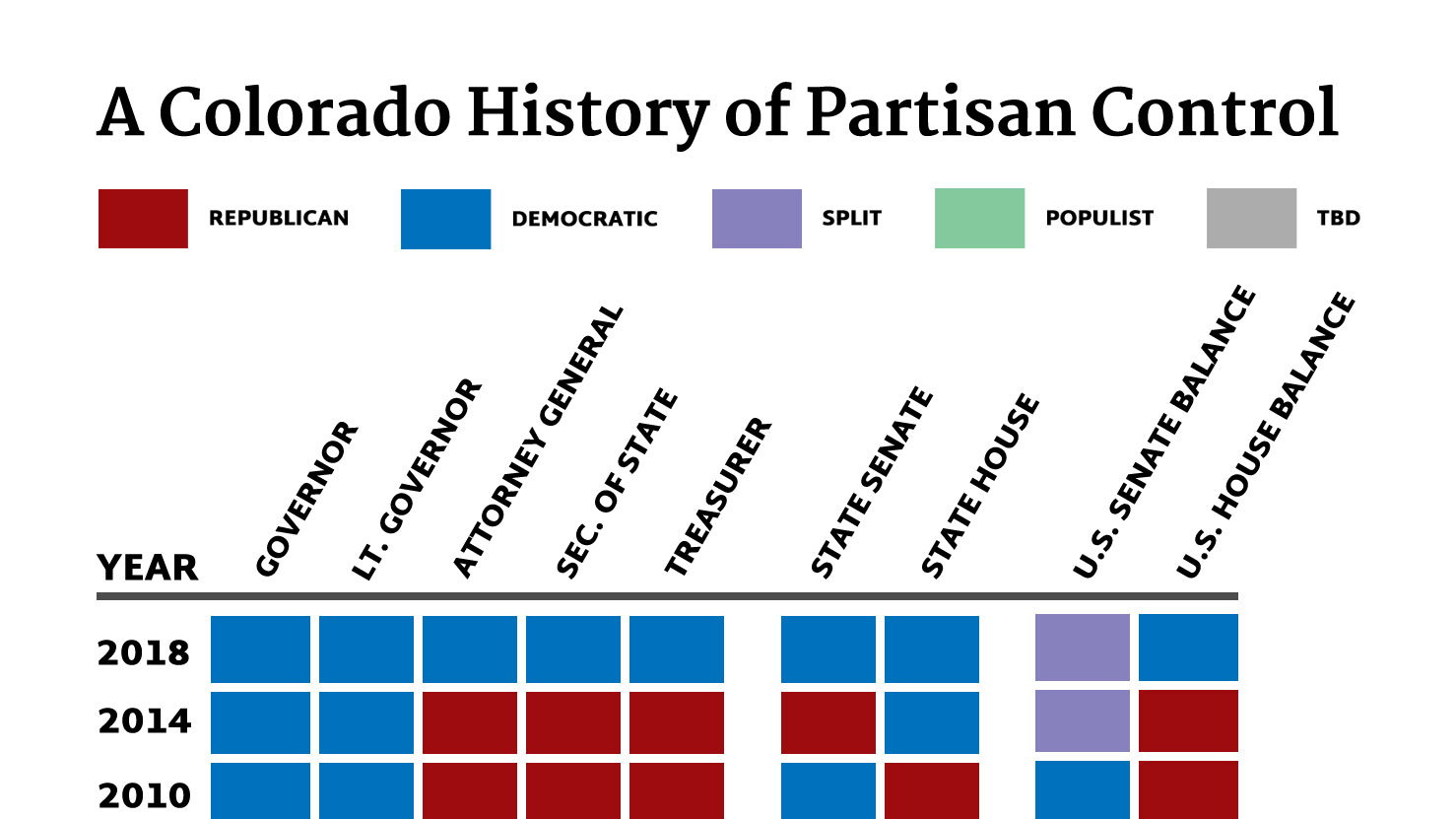
Colorado’s political identity has not always been as clearly defined as it appears today. Historically, the state has seen periods of both Republican and Democratic dominance. However, recent decades have witnessed a significant transformation, largely driven by demographic changes and the influx of new residents. The growth of its major metropolitan areas, particularly Denver, Boulder, and the Colorado Springs corridor, has brought in a younger, more diverse population with different political inclinations.
The Urban-Rural Divide
A persistent theme in Colorado’s political discourse is the growing divide between its urban and rural communities. The densely populated Front Range, encompassing cities like Denver, Fort Collins, and Aurora, has become a Democratic stronghold. These areas benefit from a strong presence of tech industries, higher education institutions, and a younger, often more liberal electorate. This demographic shift has been instrumental in tilting the state towards Democratic candidates in recent elections.
Conversely, many of Colorado’s more remote, rural counties, particularly in the western and eastern plains, tend to favor Republican candidates. These regions often have economies tied to agriculture, natural resources, and a more traditional lifestyle. The cultural and economic differences between these areas contribute to varying political priorities and voting behaviors, creating a complex tapestry that defines Colorado’s overall political leanings. This divide is not unique to Colorado; it’s a trend observed across many states in the United States.
The Rise of the Millennial and Gen Z Electorate
A critical factor in Colorado’s political evolution has been the increasing influence of younger generations, particularly Millennials and Gen Z. These demographics, often drawn to the state’s outdoor lifestyle, progressive social values, and economic opportunities, have consistently shown a preference for Democratic candidates and policies. The emphasis on environmental protection, social justice, and economic equality resonates strongly with these groups, shaping their voting decisions and contributing to the state’s Democratic tilt.
The influx of young professionals and families, attracted by the vibrant culture and recreational pursuits available in areas like Denver and Boulder, has amplified this trend. As these demographics mature and become more politically engaged, their collective voice continues to shape the state’s political trajectory. This demographic wave is a key indicator of Colorado’s ongoing shift towards a more Democratic-leaning electorate.
Economic Drivers and Political Affiliations
Colorado’s robust and diversified economy plays a significant role in its political leanings. The state has experienced substantial growth in sectors such as technology, aerospace, and renewable energy, which tend to attract a workforce with more progressive political views. The economic success of these industries, particularly in the Denver metropolitan area and cities like Boulder, has provided fertile ground for Democratic policies and candidates.
The Tech Boom and Its Influence

The booming technology sector in Colorado has been a major catalyst for change. Cities like Denver and Boulder have become hubs for innovation and entrepreneurship, attracting a highly educated and diverse workforce. This demographic, often characterized by its embrace of progressive social and economic policies, has significantly contributed to the state’s Democratic orientation. The demand for skilled labor in these sectors fuels a continuous influx of new residents, many of whom bring their political ideologies with them. This economic engine is directly influencing the political composition of key urban centers.
The Role of Tourism and Outdoor Recreation
While not directly an economic driver in the same vein as tech, the thriving tourism and outdoor recreation industry is undeniably linked to Colorado’s lifestyle and, by extension, its political leanings. The state’s commitment to preserving its natural beauty and promoting sustainable tourism practices aligns with the environmental values held by a significant portion of its population, particularly those who choose to live in or visit areas like Aspen, Vail, and Telluride.
The emphasis on conservation, access to public lands, and environmental stewardship is a policy area where Democratic platforms often find strong resonance. Tourists and residents alike are drawn to the pristine wilderness, national parks like Rocky Mountain National Park, and the abundant opportunities for skiing, hiking, and other outdoor activities. The preservation of these natural assets is a key concern that often transcends partisan lines, but the approach to managing and protecting them frequently aligns with Democratic environmental policies. The lifestyle associated with these activities, characterized by an appreciation for nature and a desire for healthy, outdoor living, often correlates with more liberal political viewpoints.
Cultural Identity and Political Leaning
Beyond demographics and economics, Colorado’s cultural identity plays a crucial role in its political landscape. The state has cultivated an image of independence, innovation, and a deep appreciation for the outdoors, all of which contribute to its progressive leanings.
Progressive Values and Social Issues
Colorado has often been at the forefront of adopting progressive social policies. From the legalization of recreational marijuana to its embrace of LGBTQ+ rights, the state has demonstrated a willingness to lead on issues that are often championed by the Democratic party. These policy choices reflect a broader cultural shift towards greater social liberalism, particularly in its urban centers. The vibrant arts scenes in cities like Denver and the intellectual dynamism of university towns like Boulder foster an environment that is generally receptive to progressive ideals.
Lifestyle Choices and Political Alignment
The “Colorado lifestyle” itself is often associated with a certain set of values that align more closely with the Democratic party. The emphasis on outdoor recreation, health and wellness, sustainability, and a generally more laid-back, yet active, way of life appeals to a population that often prioritizes quality of life and environmental consciousness. When people choose to move to Colorado, they are often seeking this particular lifestyle, and their political views frequently reflect these aspirations. This includes a desire for accessible public lands, robust environmental regulations, and community-oriented social policies that support this way of life.
Consider the appeal of destinations like the Great Sand Dunes National Park and Preserve or the ski resorts in Aspen and Vail. The preservation of these natural wonders and the infrastructure that supports their enjoyment are often championed by policies that resonate with the Democratic platform. The economic vitality derived from these areas, while benefiting many, also fuels a demand for services and amenities that can be better supported by progressive fiscal policies.

Conclusion: A State of Evolving Identity
In response to the initial question, “Is Colorado Democrat?”, the answer is nuanced but increasingly leans towards yes, particularly in its major urban centers and in statewide elections. The state has undergone a significant political transformation driven by demographic shifts, economic growth in progressive sectors, and a cultural embrace of liberal values. While pockets of Republican support remain, especially in rural areas, the trajectory of Colorado suggests a continued embrace of Democratic policies and candidates. This evolving identity is deeply intertwined with its identity as a premier destination for outdoor adventure, cultural exploration, and a lifestyle that values progress and sustainability. As Colorado continues to grow and diversify, its political landscape will undoubtedly continue to adapt, reflecting the dynamic spirit of the Centennial State.
LifeOutOfTheBox is a participant in the Amazon Services LLC Associates Program, an affiliate advertising program designed to provide a means for sites to earn advertising fees by advertising and linking to Amazon.com. Amazon, the Amazon logo, AmazonSupply, and the AmazonSupply logo are trademarks of Amazon.com, Inc. or its affiliates. As an Amazon Associate we earn affiliate commissions from qualifying purchases.