
As the sun-drenched days of summer begin to wane, a perennial question arises for families across the Golden State: when does California start school? While the academic calendar might seem like a fixed entity, the reality for California is a fascinating tapestry of varying start dates, district-level decisions, and a growing trend towards earlier transitions. Understanding this nuanced landscape is crucial for parents, educators, and even seasonal travelers planning visits around educational schedules. This exploration delves into the typical school year commencement in California, the factors influencing these dates, and what families can expect as they navigate the annual back-to-school transition.
The Shifting Sands of the Academic Calendar
Historically, the traditional school year in the United States began in early September, a relic of an agrarian past when children were needed for summer harvests. However, California, like many states, has seen a significant evolution in this timeline. The primary driver of this change is the move towards a year-round or balanced calendar model, which aims to reduce learning loss over extended summer breaks and improve student engagement.
Traditional vs. Year-Round Calendars
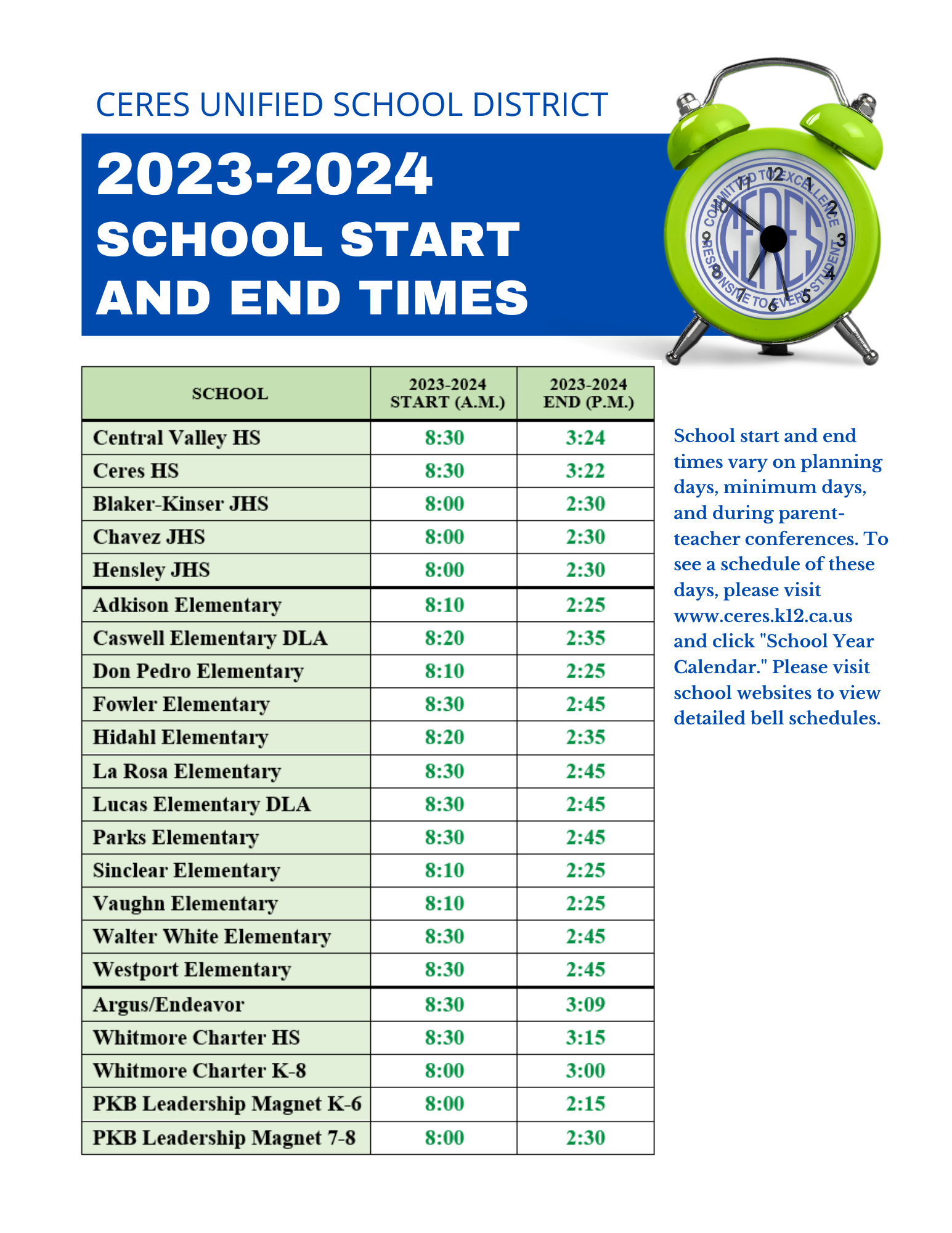
The “traditional” calendar still holds sway in many districts, with school typically commencing in late August or early September. This often means a summer vacation stretching from mid-June to early September. However, a substantial and growing number of California school districts have adopted various forms of the year-round calendar. These calendars redistribute the same number of instructional days throughout the year, interspersing shorter breaks more frequently.
A common year-round model in California is the “45/15” plan, where students attend school for 45 days followed by a 15-day break. Other models might involve longer instructional blocks followed by shorter breaks. The key takeaway is that under these year-round systems, the start date can be significantly earlier than the traditional September start, often falling in mid-to-late July or early August. This allows for a more consistent learning environment throughout the year, with students returning from breaks feeling refreshed and ready to learn, rather than experiencing the substantial “summer slide” that can occur with a lengthy summer vacation.
District-Level Autonomy
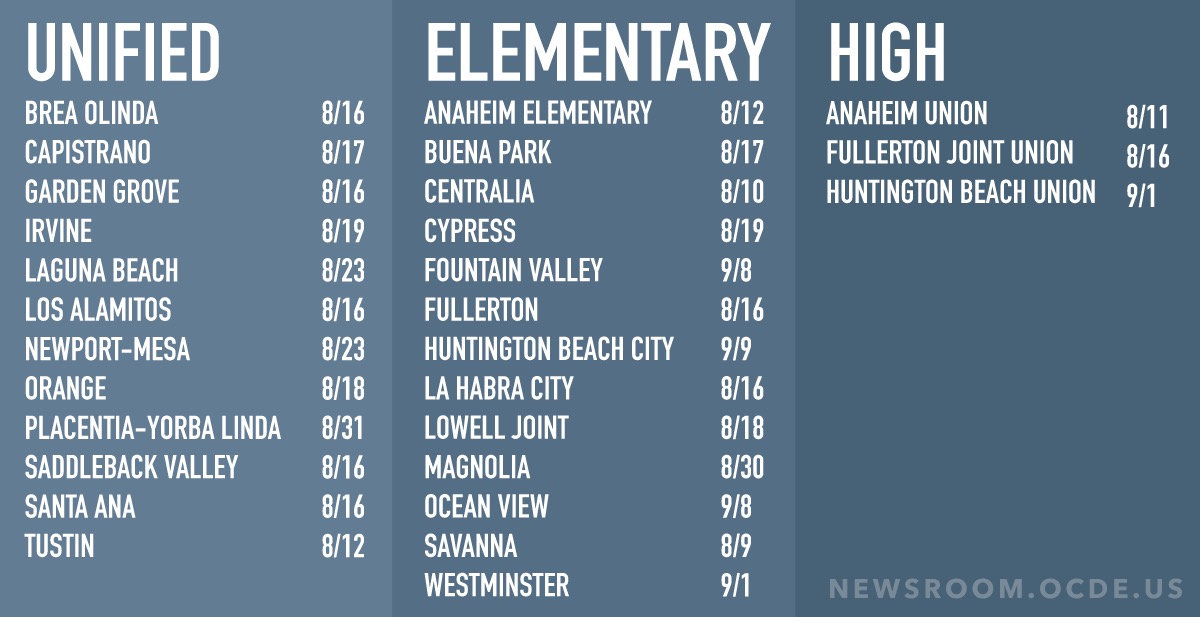
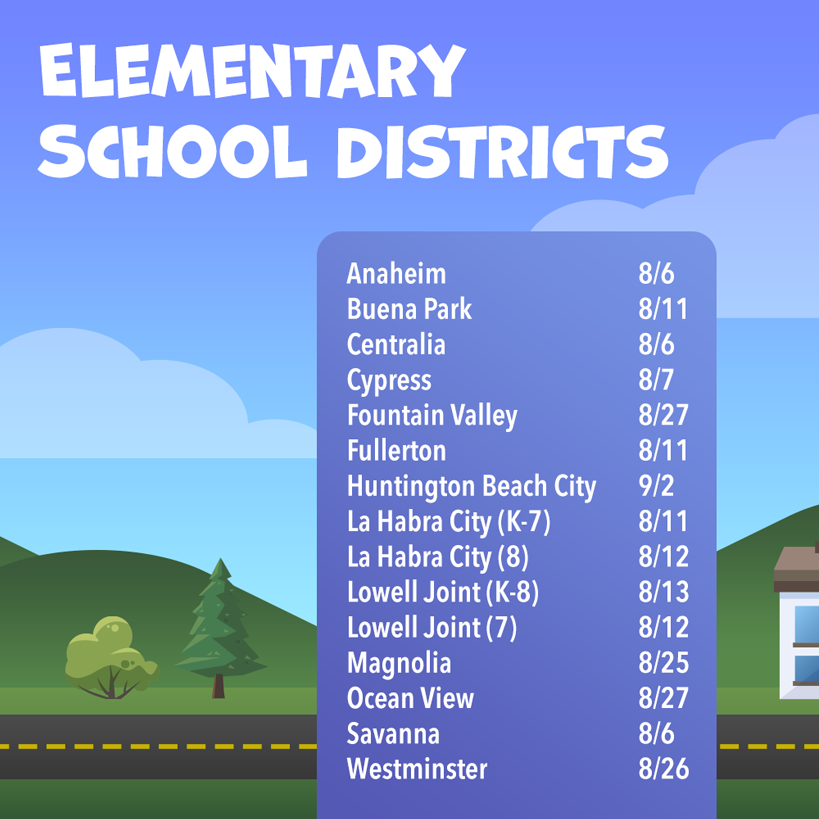
It is essential to recognize that California is a vast state with over 1,000 school districts, each possessing a degree of autonomy in setting its academic calendar. While the California Department of Education provides guidelines and mandates for instructional days and student attendance, the specific start and end dates of the school year are largely determined at the local level. This means that the start date for a school in Los Angeles Unified School District might differ from that of a school in the San Diego Unified School District, and even within larger districts, individual schools might offer slightly different calendar options.
This decentralization of calendar setting is a result of California’s long-standing commitment to local control in education. Districts consider various factors when devising their calendars, including community input, the needs of their student population, and the availability of school facilities. For example, districts in warmer inland regions might opt for an earlier start to take advantage of cooler weather for outdoor activities during the early part of the school year or to optimize air conditioning usage. Conversely, districts near coastal areas might align more closely with the traditional calendar to accommodate seasonal tourism patterns and family vacation plans.
Factors Influencing School Start Dates
Beyond the broader calendrical models, several specific factors influence when California schools open their doors each year. These considerations often involve a delicate balancing act between educational best practices, logistical realities, and community needs.
Community and Parental Input
School districts frequently solicit feedback from parents, teachers, and the wider community when setting academic calendars. This input can significantly shape start dates, especially for districts considering a shift to a year-round model or making adjustments to their existing schedule. Parents often voice concerns about childcare during shorter breaks, impact on family vacations, and the timing of extracurricular activities. Understanding these concerns is paramount for districts to implement calendars that are both educationally sound and practically viable for the families they serve. The goal is to find a calendar that minimizes disruption and maximizes student well-being and academic success.
Teacher Contracts and Professional Development
The start date of the school year is also influenced by teacher contracts, which often stipulate the number of professional development days required before students begin their instruction. These crucial days allow educators to prepare classrooms, engage in curriculum planning, and participate in training sessions that enhance their teaching methodologies. The logistics of scheduling these professional development sessions, often involving entire school faculties or district-wide initiatives, can play a role in determining the earliest possible start date for students. Ensuring teachers have adequate preparation time is a non-negotiable aspect of a successful school year.
State Mandates and Local Flexibility
While California law mandates a minimum number of instructional days for public schools, it generally grants significant flexibility to individual school districts in determining the precise calendar. This balance between state oversight and local autonomy allows districts to tailor their schedules to their unique circumstances. The key state requirement revolves around providing a specified duration of learning time, rather than dictating a fixed start date. This flexibility enables districts to innovate and adapt their calendars to better serve their students’ educational needs and the community’s broader interests.
Impact on Tourism and Seasonal Businesses
The timing of school starts and breaks can have a notable impact on California’s robust tourism industry. For regions that rely heavily on summer tourism, a very early school start date can affect family travel patterns. Conversely, districts with later starts might align better with some family vacation plans. This interplay between the academic calendar and seasonal businesses is a consideration for some communities, although the primary focus for school districts remains on educational outcomes and student support. Understanding these economic ripple effects can inform district decisions, but they are rarely the sole determinant of the school calendar.
Navigating the California School Year: Tips for Families
For parents and guardians in California, staying informed about their specific school district’s calendar is paramount. The diversity of start dates means that a one-size-fits-all approach to back-to-school planning is impossible.
Checking Your District’s Official Calendar
The most reliable way to determine when school starts in your area is to consult your local school district’s official website. Most districts publish their academic calendars well in advance, typically in the spring or early summer, detailing important dates such as the first day of school, holidays, intersession breaks, and the last day of school. These calendars are usually easily accessible through a dedicated “Calendar” or “Academic Calendar” section on the district’s homepage. If you are new to a district or a particular school, bookmarking this page is an essential first step.
Understanding Different Calendar Types
As previously discussed, California districts employ various calendar structures. If your district utilizes a year-round calendar, be sure to understand the specific cycle. This might involve understanding which “track” your child is assigned to, as year-round schools often divide students into multiple groups, each with its own staggered schedule of instructional periods and breaks. Familiarizing yourself with the specific breaks and intersessions is crucial for planning family activities, appointments, and childcare arrangements throughout the year.
Planning for the Transition
Regardless of the specific start date, the transition back to school requires thoughtful preparation. For younger students, easing back into a routine in the weeks leading up to the first day can be beneficial. This might involve adjusting sleep schedules, reintroducing earlier bedtimes, and engaging in activities that promote focus and learning. For older students, discussing academic expectations and extracurricular opportunities can help them feel more prepared and enthusiastic about the upcoming year.
For families that travel, understanding the school calendar is critical for booking flights and accommodations. If your family prefers to take advantage of the traditional summer break, you’ll want to ensure your travel plans conclude before your district’s early August or late July start dates. Conversely, if your district operates on a year-round schedule, you may find more flexibility in planning family trips during the shorter, more frequent breaks throughout the year. This requires a shift in mindset from a single, long summer vacation to a more dispersed pattern of breaks.
Preparing for Academic Success
Beyond the logistical aspects of the school year start, focusing on academic readiness is key. This includes ensuring your child has the necessary school supplies, has a designated quiet space for homework, and has access to resources that can support their learning. Many California schools and districts offer back-to-school events or orientations that provide valuable information about curriculum, school policies, and opportunities for parental involvement. Attending these events can be an excellent way to connect with educators and gain a deeper understanding of the school year ahead.
In conclusion, the question of “When Does California Start School?” is not met with a single, definitive answer. It is a question that highlights the dynamic nature of educational systems, the importance of local autonomy, and the evolving strategies for student learning. By understanding the various calendar models, the factors that influence them, and by actively engaging with their local school districts, California families can navigate the back-to-school season with confidence and prepare their children for a successful academic year.
LifeOutOfTheBox is a participant in the Amazon Services LLC Associates Program, an affiliate advertising program designed to provide a means for sites to earn advertising fees by advertising and linking to Amazon.com. Amazon, the Amazon logo, AmazonSupply, and the AmazonSupply logo are trademarks of Amazon.com, Inc. or its affiliates. As an Amazon Associate we earn affiliate commissions from qualifying purchases.