
The iconic structure known affectionately as “The Bean” is more than just a striking piece of modern art; it is a multifaceted symbol deeply embedded in the identity and spirit of Chicago. Officially titled “Cloud Gate,” this reflective sculpture by artist Anish Kapoor has become a quintessential landmark and a magnetic draw for travelers from around the globe. Its presence in Millennium Park signifies innovation, public art’s transformative power, and the captivating allure of this vibrant American city.
The Artistic Vision Behind Cloud Gate
Conceived by Anish Kapoor, “Cloud Gate” was commissioned as part of a public art program for Chicago and officially unveiled in 2006. The artist’s initial sketches reveal a fascination with reflective surfaces and their ability to distort and interact with their surroundings. He envisioned a sculpture that would capture and mirror the ever-changing skyline of Chicago, the dynamic weather patterns, and the vibrant life of the city’s residents and visitors.
Inspiration and Design Principles
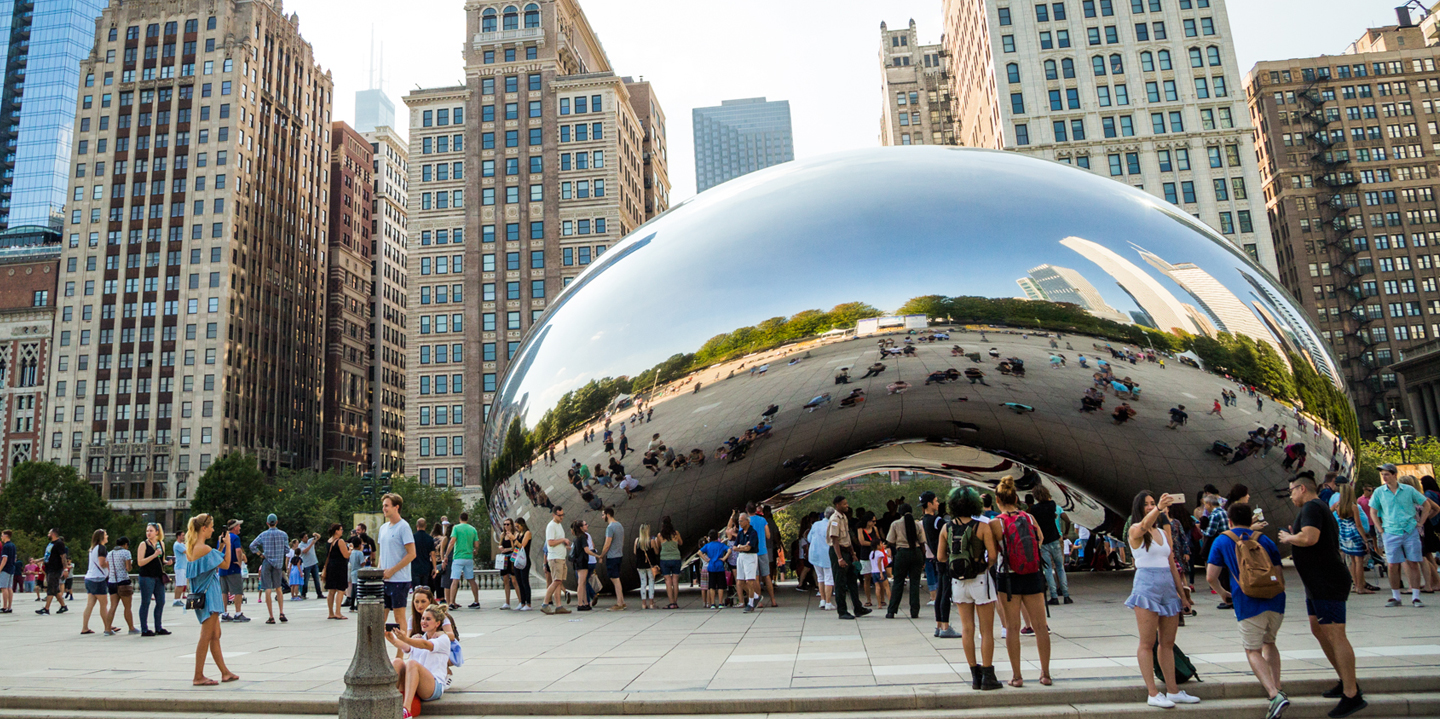
Kapoor’s inspiration drew from various sources, including liquid mercury and the awe-inspiring vastness of the night sky. The name “Cloud Gate” itself hints at this celestial connection, suggesting a portal or an entrance to another dimension, one where the earthly and the ethereal converge. The sculpture’s highly polished, seamless stainless steel exterior is meticulously crafted to reflect the environment in a way that is both expansive and intimate.
The design deliberately eschews traditional artistic pedestals, allowing the sculpture to emerge directly from the plaza. This integration with the ground reinforces the idea of public art belonging to everyone, an accessible and democratic piece of urban sculpture. The curvature of the bean-like form is not arbitrary; it is mathematically calculated to create specific visual effects, bending and warping the reflected images in intriguing ways. This intentional distortion invites viewers to engage with their own reflections and the surrounding environment, fostering a unique personal experience.
The Fabrication Challenge
The creation of “Cloud Gate” was an engineering marvel. Each of the 168 highly polished stainless steel plates had to be individually shaped and welded together, with the seams then ground and polished to achieve a flawless, mirror-like finish. This painstaking process, overseen by UAP Polished Metal, took over two years and ensured that the final product was a single, cohesive entity rather than a collection of individual panels. The scale of the project, standing 33 feet long, 14 feet wide, and 13 feet tall, presented significant challenges in terms of material handling, precision welding, and achieving the desired reflective quality across its entire surface.
“The Bean” as a Symbol of Chicago’s Identity
Beyond its artistic and engineering merits, “The Bean” has evolved into a powerful symbol of Chicago itself, embodying the city’s spirit, its architectural prowess, and its welcoming nature. Its amorphous, fluid shape stands in contrast to the rigid geometry of the surrounding skyscrapers, offering a softer, more organic element to the urban landscape.
A Mirror to the City
The most striking characteristic of “The Bean” is its reflective surface. This feature allows the sculpture to act as a dynamic mirror, capturing and presenting the ever-changing panorama of Chicago. Visitors can see themselves, their companions, and the iconic skyline – including landmarks like the Willis Tower and the Aon Center – distorted and reimagined in its curved facade. This constant interplay between the sculpture and its environment makes each viewing experience unique, dependent on the time of day, the weather, and the season. The reflection of the Chicago Riverwalk can also be glimpsed, further weaving the sculpture into the urban fabric.
A Hub of Public Interaction
“The Bean” has become an undisputed focal point for tourism and public engagement in Chicago. Its accessible location in Millennium Park, a popular destination, draws millions of visitors annually. People flock to the sculpture to take photographs, to marvel at its reflective qualities, and to experience its unique spatial effects. The underbelly of the sculpture features an archway that visitors can walk through, offering a different perspective and a distorted reflection of themselves and the surrounding park. This interactive element encourages a personal connection with the artwork, making it more than just something to observe but something to experience.
A Global Icon
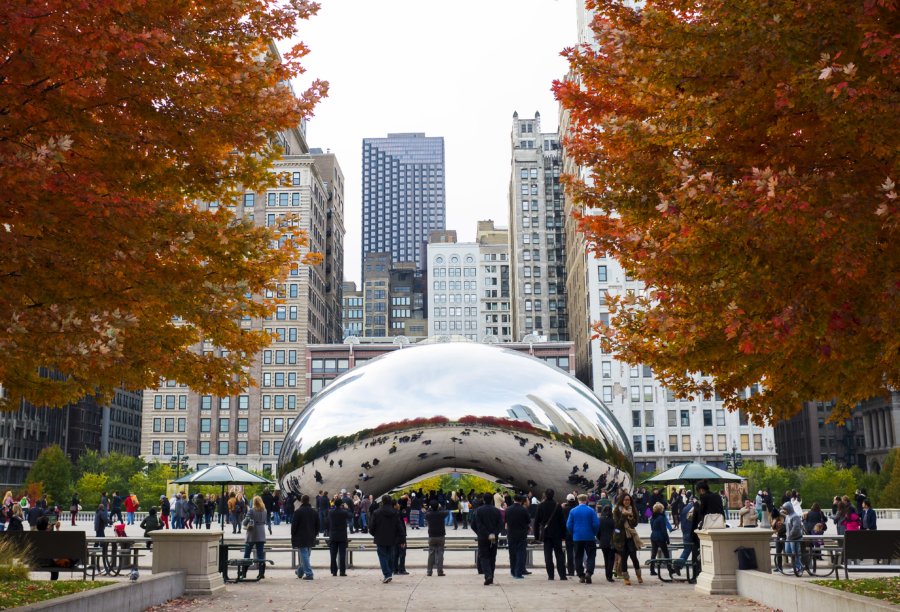
In its relatively short existence, “The Bean” has achieved global recognition. It is featured in countless travel guides, social media posts, and promotional materials for Chicago. Its distinctive shape and reflective surface make it instantly recognizable, cementing its status as one of the most photographed public artworks in the world. This global appeal contributes to Chicago’s reputation as a world-class city with a thriving arts and culture scene.
Experiencing “The Bean”: A Traveler’s Guide
For any visitor to Chicago, experiencing “The Bean” is an essential part of their travel itinerary. Its location in Millennium Park places it in the heart of the city’s cultural and recreational district, making it easy to combine with visits to other nearby attractions.
Location and Accessibility
“Cloud Gate” is situated on the AT&T Plaza of Millennium Park, located between Michigan Avenue and Columbus Drive. The park is easily accessible by public transportation, with numerous bus lines and the ‘L’ train serving the surrounding area. Visitors arriving by car will find several parking garages nearby, though pre-booking is often recommended, especially during peak seasons. The sculpture is accessible 24 hours a day, though visiting during daylight hours offers the best experience for photography and viewing the reflections.
Best Times to Visit
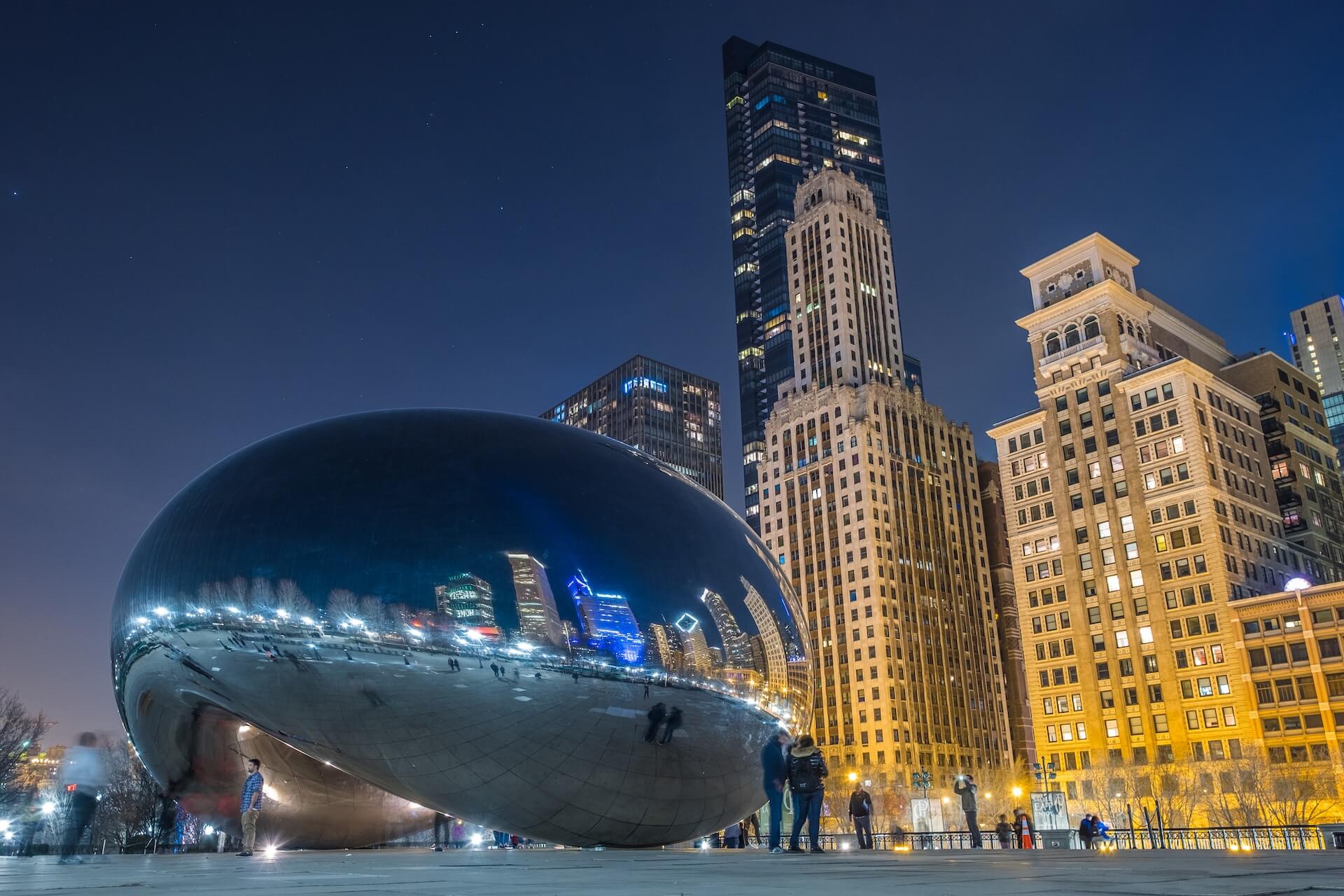
The optimal times to visit “The Bean” are during the early morning or late afternoon. Sunrise and sunset cast a warm, golden light that creates breathtaking reflections. Early mornings offer fewer crowds, allowing for a more intimate experience with the sculpture. Conversely, evenings can be magical as the city lights begin to twinkle and are mirrored on the sculpture’s surface. Even on a cloudy or rainy day, “The Bean” offers a unique perspective, reflecting the dramatic weather patterns of Chicago.
Photography Tips
Capturing the essence of “The Bean” requires a bit of creativity. Experiment with different angles to get unique shots of the skyline and yourself reflected in its surface. The underside of the arch is a popular spot for capturing distorted selfies. Consider using a wide-angle lens to encompass the entire sculpture and its surroundings. For a truly unique perspective, try capturing the reflections of other park features, such as the Crown Fountain or the trees in the Lurie Garden. Drone photography is strictly prohibited in Millennium Park to ensure visitor safety and preserve the artistic integrity of the space.
Beyond The Bean: Exploring Millennium Park
“The Bean” is just one jewel in the crown of Millennium Park. After experiencing “Cloud Gate,” visitors can explore other renowned attractions within the park, including the aforementioned Crown Fountain, the Pritzker Pavilion, and the serene Lurie Garden. The nearby Art Institute of Chicago offers a world-class collection of art, and the shops and restaurants along Magnificent Mile are just a short walk away, making “The Bean” a perfect starting point for a full day of sightseeing and cultural immersion in Chicago.
The Enduring Legacy of “Cloud Gate”
“The Bean” has transcended its role as a mere public artwork to become an indispensable part of the Chicago experience. Its innovative design, its profound connection to the urban environment, and its universal appeal have solidified its status as a beloved landmark.
A Testament to Public Art
The success of “Cloud Gate” serves as a powerful testament to the transformative impact of public art on urban spaces. It has breathed life into Millennium Park, creating a vibrant gathering place and a focal point for community interaction and artistic appreciation. Its presence encourages dialogue about art, design, and the role of creativity in shaping our cities.
An Unforgettable Encounter
For visitors, “The Bean” offers an unforgettable encounter with art and architecture. It is a place where the mundane is made extraordinary through reflection, where the city is seen anew, and where personal moments are captured against a backdrop of urban grandeur. It represents the dynamic, ever-changing spirit of Chicago, a city that constantly reinvents itself while holding onto its iconic character. The sculpture, much like the city it inhabits, is a continuous work in progress, shaped by the light, the weather, and the people who engage with it.
LifeOutOfTheBox is a participant in the Amazon Services LLC Associates Program, an affiliate advertising program designed to provide a means for sites to earn advertising fees by advertising and linking to Amazon.com. Amazon, the Amazon logo, AmazonSupply, and the AmazonSupply logo are trademarks of Amazon.com, Inc. or its affiliates. As an Amazon Associate we earn affiliate commissions from qualifying purchases.