
The introduction of High Occupancy Vehicle (HOV) lanes has significantly reshaped the commuting landscape in California, offering a tangible benefit to those willing to carpool or utilize alternative transit. For drivers of eligible vehicles, correctly displaying the corresponding California HOV stickers is not merely a matter of compliance; it’s a crucial step in maximizing the utility of these dedicated lanes. Understanding the precise placement guidelines ensures a smooth and penalty-free experience, allowing you to navigate the state’s often congested roadways with greater efficiency. This guide delves into the specifics of where to affix your California HOV stickers, ensuring you are fully prepared to take advantage of this valuable transportation initiative.

Understanding California’s HOV Sticker Program
California’s HOV sticker program, officially known as the Clean Air Vehicle (CAV) decal program, incentivizes the use of vehicles that meet certain emissions standards and are occupied by the minimum number of people required for HOV lane access. These decals are issued by the California Department of Motor Vehicles (DMV) and are specific to certain types of vehicles, including plug-in hybrids and zero-emission vehicles that can operate on clean fuels.
Eligibility and Decal Types
The program has evolved over time, with different types of decals offering varying levels of access. Initially, the Green Clean Air Vehicle (CAV-G) decal allowed access to HOV lanes with one occupant. However, as more vehicles qualified, the demand on HOV lanes increased. Consequently, the program now offers different colored decals that may have specific occupancy requirements or time-of-day restrictions depending on the specific highway segment and enforcement policies.
- Current Decal Colors: While the specific colors and their associated benefits can change, historically California has utilized decals such as the Green (CAV-G), Blue (CAV-B), and White (CAV-W) decals. Each color designation corresponds to specific eligibility criteria based on the vehicle’s emissions profile and its ability to operate as a zero-emission vehicle for a certain distance or time.
- Purpose of the Decals: The primary purpose is to encourage the adoption of environmentally friendly vehicles and the practice of carpooling, thereby reducing traffic congestion and improving air quality across the state, particularly in major metropolitan areas like Los Angeles and the San Francisco Bay Area.
The Importance of Correct Placement
The California DMV provides clear instructions on where these decals must be affixed to a vehicle. Failure to adhere to these guidelines can result in being cited for improper display, which could negate the benefits of having the decal altogether and potentially lead to fines. The placement is designed to ensure that law enforcement officials can easily and quickly verify the legitimacy of the decal and the vehicle’s eligibility for HOV lane use.
Official Placement Guidelines for HOV Stickers
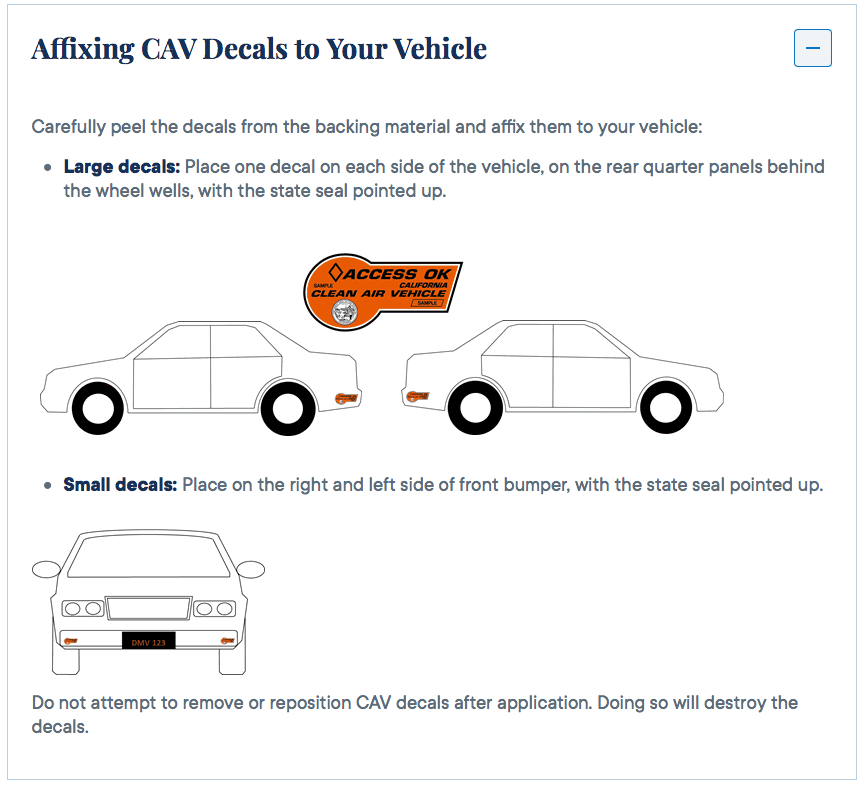
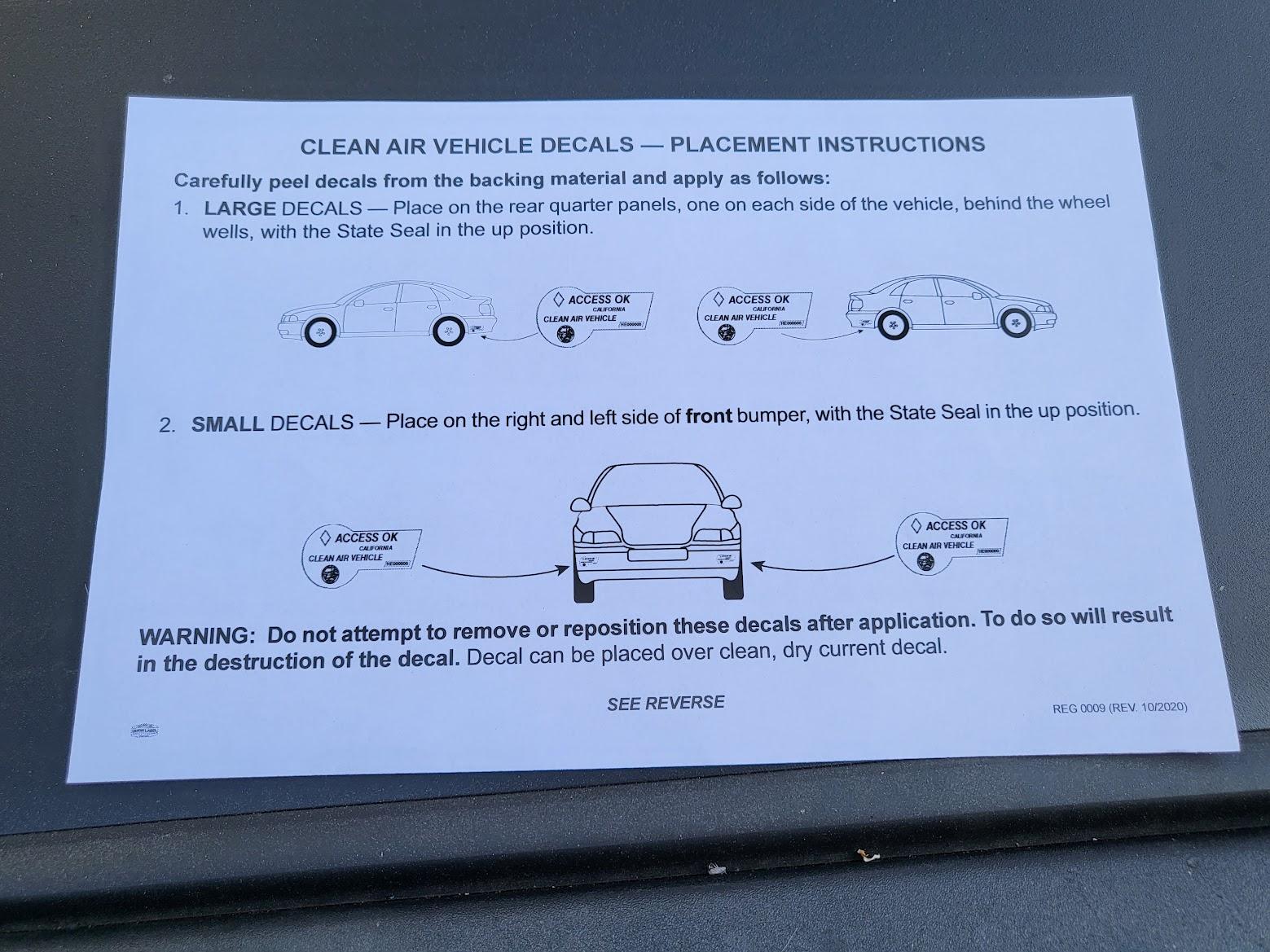
The California DMV mandates specific locations for the placement of HOV stickers to ensure visibility and prevent tampering. Adhering to these guidelines is paramount for avoiding any potential issues with law enforcement. The general principle is that the stickers should be placed on the rear of the vehicle, in a location that is easily visible and accessible.
Rear Windshield Placement
The most common and officially recommended placement for California HOV stickers is on the rear windshield. This location offers excellent visibility from behind, allowing enforcement officers to identify eligible vehicles without needing to stop them unnecessarily.
- Specific Location: The stickers are typically placed on the lower corner of the rear windshield. While the exact corner is not strictly mandated, most drivers opt for the lower driver’s side or passenger’s side corner. It is important to ensure the sticker is not obstructing the driver’s view or any critical safety equipment.
- Clean Surface: Before applying the sticker, ensure the area of the rear windshield is clean and dry. This will help the adhesive bond properly and prevent the sticker from peeling off prematurely. Gently cleaning the surface with glass cleaner and a lint-free cloth is recommended.
- Orientation: The sticker should be applied upright, with any text or logos facing the correct direction for easy readability.
Interior vs. Exterior Application
It is crucial to note that California HOV stickers are designed for interior application on the rear windshield. This is a deliberate safety measure to protect the sticker from weather elements, road debris, and potential vandalism, thereby extending its lifespan and maintaining its readability.
- Why Interior? Applying the sticker on the inside of the glass protects it from rain, dirt, and car washes. It also prevents the sticker from being easily removed or defaced.
- Application Process: When applying the sticker, peel off the backing paper carefully and press the adhesive side firmly against the chosen spot on the interior of the rear windshield. Smooth out any air bubbles to ensure a flush and secure fit.
Alternatives and Prohibited Locations
While the rear windshield is the primary placement area, the California DMV may offer guidance on alternative placements in specific circumstances, though these are rare and typically only if the rear windshield is impractical or unavailable for sticker application. However, there are definitively prohibited locations.
- Prohibited Areas: Stickers should never be placed on:
- The front windshield.
- Exterior surfaces of the vehicle (body panels, bumpers, side windows).
- Any location that obstructs the driver’s vision or the operation of vehicle lights or signals.
- Areas that could be mistaken for official license plates or registration tags.
Navigating Different Vehicle Types and Their Specifics
While the general rule for HOV sticker placement is consistent, there might be nuances depending on the type of vehicle and its specific configuration. Understanding these variations ensures that you are applying the stickers correctly for your particular situation.
Sedans, SUVs, and Trucks
For most standard passenger vehicles, including sedans, SUVs, and pickup trucks, the interior application on the lower rear windshield corner remains the standard and recommended method. The dimensions of these vehicles generally do not present any challenges in finding an appropriate and visible spot.
Motorcycles
Motorcycles present a unique challenge due to their limited surface area. The California DMV recognizes this and provides specific guidance for motorcycle riders.
- Motorcycle Placement: HOV stickers for motorcycles are typically smaller and designed to be affixed to a visible, flat surface on the rear of the motorcycle. This might be a fender, a rear storage compartment, or a specialized mounting plate. The key is that the sticker must be clearly visible from behind. Riders should consult the latest DMV guidelines or visit a DMV field office if they are unsure about the best placement for their specific motorcycle model.
Vans and RVs
Larger vehicles like vans and recreational vehicles (RVs) also follow the primary guideline of interior rear windshield placement. However, the size of these vehicles often means there is ample space, and drivers should select a location that is easily visible to following traffic without being overly intrusive.
Special Cases and Clarifications
In rare instances, vehicles may have modifications or unique designs that make traditional rear windshield placement difficult.
- Consult the DMV: If you have a highly customized vehicle, a commercial vehicle that has been adapted for personal use with an HOV decal, or if you encounter any uncertainty, it is always best to contact the California DMV directly or visit a local California DMV field office for clarification. They can provide specific advice tailored to your vehicle.
Maintaining and Replacing Your HOV Stickers
HOV stickers, like any adhesive application, can degrade over time due to exposure to sunlight, temperature fluctuations, and cleaning. It is essential to maintain their condition and know how to replace them if they become damaged or illegible.
Durability and Lifespan
California HOV stickers are designed to be durable, but their lifespan can vary. Direct sunlight exposure through the rear windshield can cause the adhesive to weaken and the colors to fade over several years.
- Signs of Wear: Look for signs of peeling, fading, cracking, or if the sticker becomes difficult to read. If the sticker is no longer clearly identifiable or is coming loose, it’s time for a replacement.
Replacement Process
If your HOV stickers are damaged, have expired, or you have purchased a new eligible vehicle, you will need to apply for replacement decals.
- Application for New Decals: The process for obtaining new decals generally involves submitting an application to the California DMV, often accompanied by proof of vehicle eligibility and the old decal number if applicable. There may be a fee associated with replacement decals.
- Transferring Decals: HOV decals are typically vehicle-specific. If you sell or transfer ownership of your eligible vehicle, the decals should be removed and are not transferable to a new owner or a different vehicle. You will need to apply for new decals for any new qualifying vehicle.
Legal Compliance and Enforcement
Understanding and adhering to these placement guidelines is not just about convenience; it’s about legal compliance. Law enforcement officers are trained to identify vehicles that are improperly displaying HOV decals or are using them without proper authorization.
- Penalties: Violations can result in citations, fines, and the revocation of your HOV lane privileges. It’s important to stay informed about any changes to the program regulations or enforcement policies.
By carefully following these instructions for placing your California HOV stickers, you can confidently utilize the state’s HOV lanes, contributing to a more efficient commute and a cleaner environment. Remember to always refer to the latest official guidance from the California DMV to ensure you remain compliant with all program requirements.
LifeOutOfTheBox is a participant in the Amazon Services LLC Associates Program, an affiliate advertising program designed to provide a means for sites to earn advertising fees by advertising and linking to Amazon.com. Amazon, the Amazon logo, AmazonSupply, and the AmazonSupply logo are trademarks of Amazon.com, Inc. or its affiliates. As an Amazon Associate we earn affiliate commissions from qualifying purchases.