
The Emerald City, renowned for its stunning natural beauty, often finds its azure skies clouded by a persistent haze. Understanding why Seattle air quality deteriorates is crucial for both residents and the millions of tourists who flock to this vibrant Pacific Northwest gem. While Seattle boasts a generally pleasant climate, specific environmental factors can significantly impact its air quality, transforming a picturesque destination into one where breathing deeply requires a second thought. This phenomenon is not a random occurrence but a complex interplay of geography, meteorology, and human activity.
The Persistent Shadow of Wildfires
One of the most significant and increasingly prevalent contributors to poor air quality in Seattle is smoke originating from wildfires. These fires, often ignited by dry conditions and lightning strikes, can rage hundreds or even thousands of miles away in regions like British Columbia, Oregon, California, and even further afield in Canada.

How Distant Fires Impact Local Air
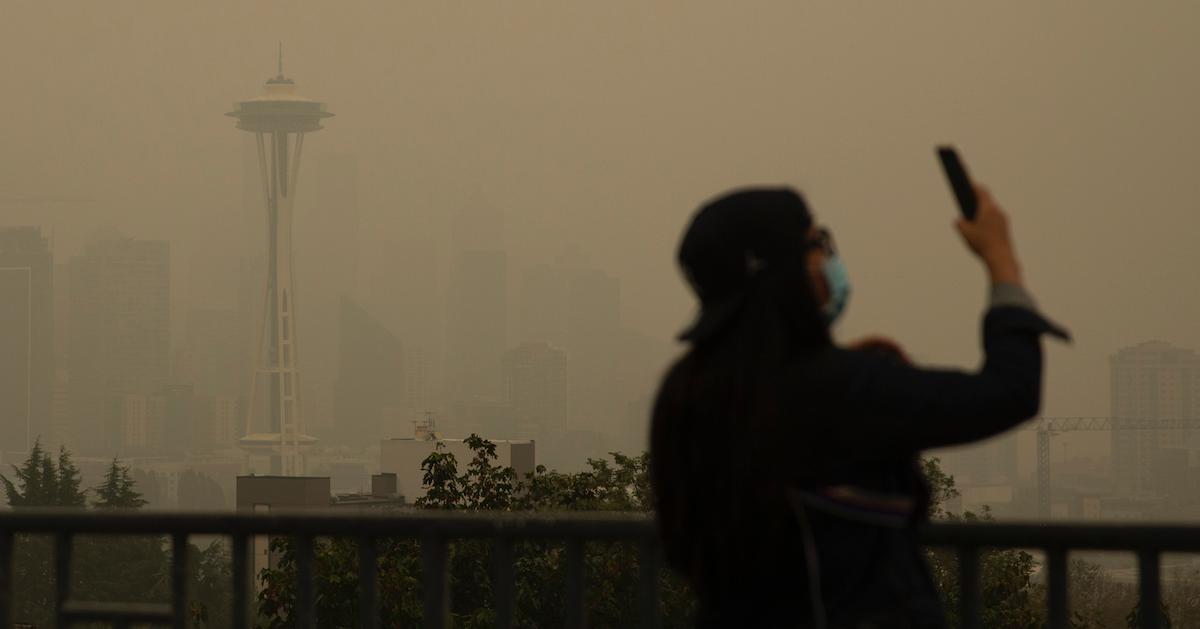
The sheer scale of these infernos produces immense plumes of smoke, laden with fine particulate matter (PM2.5), carbon monoxide, and other harmful pollutants. Prevailing wind patterns, particularly during the drier summer months, can carry this smoke across vast distances, directly affecting Seattle.
- Particulate Matter (PM2.5): These microscopic particles are smaller than the width of a human hair and can penetrate deep into the lungs, causing respiratory and cardiovascular problems. Wildfire smoke is a primary source of elevated PM2.5 levels.
- Ozone Formation: While ozone is beneficial in the stratosphere, ground-level ozone is a harmful air pollutant. Smoke particles can interact with sunlight and other atmospheric gases to contribute to ozone formation, exacerbating respiratory issues.
- Visibility Reduction: The dense smoke dramatically reduces visibility, impacting the iconic views of Mount Rainier and the Olympic Mountains, and can even disrupt air travel.
The frequency and intensity of wildfires have been on the rise due to climate change, making this a recurring challenge for Seattle and the wider region. Tourists might find their outdoor activities, such as visiting the Space Needle or exploring Pike Place Market, significantly curtailed by the unhealthy air.
Local Emissions: A Constant Factor
While wildfires are a dramatic, often seasonal, cause of poor air quality, Seattle also contends with pollutants generated within its metropolitan area. These emissions, though less acutely impactful than wildfire smoke, contribute to the baseline air quality and can worsen on days when other factors are at play.
Sources of Urban Air Pollution

- Transportation: As a major West Coast hub, Seattle experiences significant traffic congestion. Vehicles, particularly those with internal combustion engines, release nitrogen oxides (NOx), volatile organic compounds (VOCs), and particulate matter. The extensive ferry system and the prevalence of personal vehicles contribute to this.
- Industrial Activity: While Seattle is not as heavily industrialized as some other major cities, manufacturing facilities, port operations, and construction projects all release pollutants into the atmosphere. The Port of Seattle itself, a vital economic engine, contributes through the emissions from ships, trucks, and cargo handling equipment.
- Residential and Commercial Heating: During colder months, heating systems in homes and businesses can contribute to particulate matter and other emissions, especially if older, less efficient systems are in use.
These local sources are more evenly distributed throughout the year but can become more noticeable when combined with unfavorable weather patterns that trap pollutants.
Meteorological Factors: The Silent Accomplice
The natural landscape and prevailing weather patterns in the Puget Sound region play a critical role in how pollutants accumulate and disperse, thus dictating air quality.
The Role of Inversions and Airflow
- Temperature Inversions: These occur when a layer of warm air traps a layer of cooler air near the ground. In Seattle, temperature inversions, particularly common in the fall and winter, can prevent pollutants from rising and dispersing, leading to a buildup of smog and haze. This can trap emissions from vehicles and heating systems close to street level.
- Atmospheric Stagnation: Periods of little to no wind, known as atmospheric stagnation, prevent the natural cleansing effect of air circulation. When the air is still, pollutants emitted from local sources or carried in from distant wildfires can linger over the city, gradually increasing in concentration.
- Topography: Seattle is situated in a basin surrounded by mountains. While the proximity to the Cascade Mountains and the Olympic Mountains offers stunning scenery, it can also act as a barrier, limiting the natural ventilation of the region and exacerbating the effects of inversions and stagnation.
Even on a day when wildfire smoke might not be the primary culprit, a combination of local emissions and stagnant, inversion-prone weather can lead to noticeably poor air quality, impacting the experience for visitors planning to enjoy the city’s outdoor attractions.
Navigating Seattle with Air Quality Concerns
For travelers, understanding the dynamics of Seattle’s air quality can help in planning their visit and staying informed.
Practical Tips for Visitors
- Check Air Quality Indexes (AQI): Before and during your trip, consult real-time AQI reports. Websites and apps dedicated to air quality monitoring provide daily updates and forecasts, often categorizing air quality from good to hazardous. This information is invaluable for deciding whether to engage in outdoor activities.
- Be Flexible with Itineraries: If the AQI is high, consider prioritizing indoor attractions. Seattle offers a wealth of indoor experiences, including world-class museums like the Museum of Pop Culture (MoPOP) and the Seattle Art Museum, vibrant indoor markets such as Pike Place Market, and the fascinating exhibits at the Chihuly Garden and Glass.
- Consider Respiratory Health: Individuals with pre-existing respiratory conditions, such as asthma or COPD, should be particularly cautious and may wish to limit strenuous outdoor activity when air quality is poor. Carrying necessary medications is always recommended.
- Stay Hydrated and Rest: When air quality is compromised, staying hydrated can help your body cope with irritants. Prioritizing rest is also beneficial.
- Support Sustainable Travel: When possible, opt for public transportation, cycling, or walking to minimize your personal contribution to local emissions. Seattle has a robust public transit system, including light rail and bus networks, which can be an excellent way to explore the city.
By understanding the multifaceted reasons behind Seattle’s air quality fluctuations, visitors can better prepare, adapt their plans, and still enjoy the many wonders this dynamic city has to offer, even when the air is less than pristine.
LifeOutOfTheBox is a participant in the Amazon Services LLC Associates Program, an affiliate advertising program designed to provide a means for sites to earn advertising fees by advertising and linking to Amazon.com. Amazon, the Amazon logo, AmazonSupply, and the AmazonSupply logo are trademarks of Amazon.com, Inc. or its affiliates. As an Amazon Associate we earn affiliate commissions from qualifying purchases.