
The allure of the Japanese Domestic Market (JDM) has captivated automotive enthusiasts worldwide, and among the most distinctive vehicles are the compact and utilitarian Kei trucks. These miniature workhorses, designed for Japanese domestic use, offer a unique blend of practicality, fuel efficiency, and quirky charm. For those residing in the vast and diverse landscape of Texas, a natural question arises: can these fascinating vehicles legally navigate the Lone Star State’s roads? The answer, as with many regulations, is nuanced, hinging on specific criteria and compliance with state and federal laws.
Understanding Kei Trucks and Their Classification
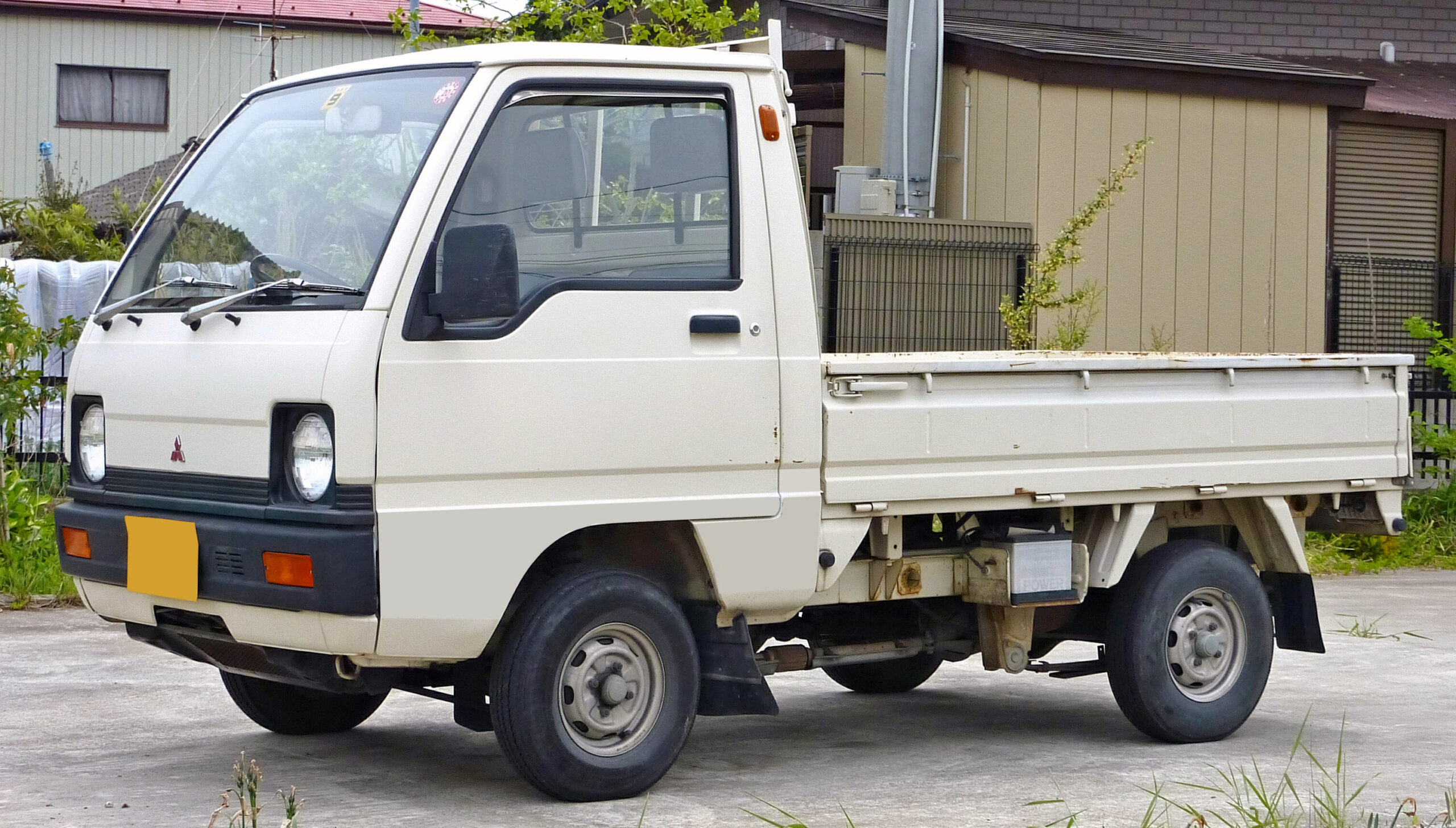
Kei trucks, short for “Keijidosha,” are a class of small vehicles in Japan subject to specific size, engine displacement, and power limitations. This categorization is designed to offer tax and insurance benefits to owners within Japan, encouraging the use of smaller, more efficient vehicles. In their native environment, they are ubiquitous, serving as essential tools for farmers, small business owners, and individuals needing a nimble transport solution.

Key characteristics of Kei trucks typically include:
- Engine Displacement: Generally limited to 660cc.
- Maximum Power Output: Restricted to a set limit, often around 64 horsepower.
- Physical Dimensions: Strict constraints on length (usually up to 3.4 meters), width (up to 1.48 meters), and height (up to 2 meters).
- Seating Capacity: Typically designed for two occupants.
These specifications are crucial because they often place Kei trucks into a classification that differs significantly from standard passenger vehicles or larger trucks commonly found in the United States. Understanding these fundamental differences is the first step in determining their legality on Texas roads.
Federal and Texas Regulations for Vehicle Importation
The legality of any vehicle on public roads, including Kei trucks, is governed by both federal and state laws. The primary federal regulation that impacts the importation of vehicles into the United States is the National Traffic and Motor Vehicle Safety Act. This act requires all vehicles sold in the U.S. to meet specific safety standards.
The 25-Year Import Exemption
One of the most significant pathways for importing vehicles that may not initially meet U.S. standards is the 25-year exemption. Under this rule, vehicles that are at least 25 years old (calculated from their month and year of manufacture) are exempt from federal motor vehicle safety standards (FMVSS) that were in effect at the time of their original production. This exemption is a cornerstone for the burgeoning JDM import scene, allowing enthusiasts to bring classic and collectible vehicles, including many Kei trucks, into the country without the prohibitive cost of retrofitting them to meet modern U.S. safety mandates.
For Texas, this federal exemption is the primary determinant of whether a particular Kei truck can be legally imported. If a Kei truck is 25 years or older, it generally bypasses the stringent federal safety compliance hurdles.
State-Level Registration and Titling in Texas
Once a vehicle is legally imported into the United States under the 25-year exemption, it must then be registered and titled in the state where it will be operated. Texas has its own set of requirements for vehicle registration, which primarily focus on ensuring the vehicle is roadworthy and that taxes and fees are paid.
Texas utilizes the Texas Department of Motor Vehicles (TxDMV) for vehicle registration and titling. The process generally involves:
- Proof of Ownership: This typically includes an import declaration, bill of sale, and the vehicle’s original title from its country of origin.
- Vehicle Identification Number (VIN) Verification: The VIN must be present and legible. For older imported vehicles, the VIN may differ from U.S. standard formats, but the TxDMV has procedures for verifying these.
- Texas Safety Inspection: In Texas, most vehicles require a safety inspection sticker to be renewed annually. This inspection ensures the vehicle meets basic roadworthiness standards. The critical question for Kei trucks is whether they can pass this inspection, particularly regarding lighting, brakes, tires, and emissions (though emissions testing requirements vary by county).
- Texas Insurance: Proof of financial responsibility (i.e., auto insurance) is mandatory for all registered vehicles in Texas.
The TxDMV will assess the imported Kei truck to ensure it meets Texas registration requirements. For vehicles over 25 years old, the primary hurdles are typically related to passing the state safety inspection and having the correct documentation for titling.
Navigating the Safety Inspection in Texas
The Texas safety inspection is a crucial step for any vehicle seeking legal road use. For Kei trucks, this can present the most significant practical challenge, even if they are legally imported.
Common Inspection Concerns for Kei Trucks
- Lighting: Headlights, taillights, brake lights, turn signals, and reflectors must function correctly and meet U.S. color and brightness standards. Some older Kei trucks may have lighting configurations that differ from U.S. regulations, potentially requiring modifications.
- Brakes: The braking system must be in good working order and meet minimum performance standards.
- Tires: Tires must be of appropriate size, tread depth, and in good condition.
- Wipers and Horn: Functional windshield wipers and a working horn are standard requirements.
- Mirrors: The vehicle must have at least one side mirror or a rearview mirror. Many Kei trucks come with only one side mirror from the factory, which might necessitate adding another to comply with Texas law.
- Emissions: While emissions testing is not required in all Texas counties, it is a factor in many urban areas. Older vehicles, especially those with unique engine configurations, might face challenges passing stringent emissions tests. However, vehicles over 25 years old are often exempt from federal emissions standards, and states typically follow suit or have specific exemptions for classic vehicles.
Modifications for Compliance
Many owners of imported Kei trucks find that minor modifications are necessary to pass the Texas safety inspection. These can include:
- Replacing or adapting headlights to meet U.S. beam patterns and brightness.
- Ensuring all turn signals are amber in the rear and red or amber in the front, as per U.S. standards.
- Adding a second side mirror if the truck only has one.
- Ensuring the speedometer displays speeds in miles per hour (MPH), although some older vehicles might have dual displays or require conversion.
It is advisable to consult with a Texas-licensed inspection station that has experience with imported or unusual vehicles to understand specific requirements before attempting the inspection.
Practical Considerations for Owning a Kei Truck in Texas
Beyond the legalities of registration, prospective Kei truck owners in Texas should consider the practical aspects of ownership.
Usage Restrictions and Limitations
While a legally registered Kei truck can be driven on Texas roads, its inherent design and size may impose practical limitations.
- Highway Use: Due to their small engines and often lower top speeds, Kei trucks are generally not ideal for extended highway driving, especially on high-speed interstates. They are much better suited for local roads, rural areas, and urban commuting.
- Cargo Capacity: While designed for utility, their payload capacity is limited compared to full-sized trucks.
- Durability and Parts: Finding replacement parts for older JDM vehicles can sometimes be challenging and may require importing them, adding to the ownership cost and time. However, the growing popularity of JDM imports means that specialized parts suppliers and online communities are becoming more accessible.
The “Off-Road” Vehicle Loophole
It’s important to note that some individuals might attempt to register Kei trucks as off-road vehicles. However, Texas law has specific definitions and restrictions for off-road vehicles, and operating them on public roads, even with temporary tags, is generally illegal and can lead to citations. The most straightforward and legal path is through the standard vehicle registration process for street-legal vehicles.
The Role of the 25-Year Rule in Texas
The 25-year rule remains the most critical factor for legal operation. Any Kei truck manufactured less than 25 years ago, without meeting U.S. Federal Motor Vehicle Safety Standards (FMVSS), cannot be legally registered for road use in Texas. Importing such a vehicle would be in violation of federal law. Therefore, when inquiring about legality, the age of the specific Kei truck is paramount.

Conclusion: A Glimpse of JDM Charm on Texas Roads
The dream of owning a legal Kei truck in Texas is certainly achievable, provided the vehicle meets the crucial 25-year import exemption and can successfully navigate the Texas safety inspection and registration process. These miniature marvels offer a unique and charming way to navigate local roads, run errands, or simply enjoy a piece of automotive history. With careful attention to the federal import regulations, a thorough understanding of Texas’s registration requirements, and a willingness to potentially make minor modifications for safety compliance, enthusiasts can indeed bring the distinct appeal of a Kei truck to the highways and byways of the Lone Star State. The growing community of JDM enthusiasts in Texas continues to explore and enjoy these vehicles, proving that with the right approach, legality and JDM passion can go hand-in-hand.
LifeOutOfTheBox is a participant in the Amazon Services LLC Associates Program, an affiliate advertising program designed to provide a means for sites to earn advertising fees by advertising and linking to Amazon.com. Amazon, the Amazon logo, AmazonSupply, and the AmazonSupply logo are trademarks of Amazon.com, Inc. or its affiliates. As an Amazon Associate we earn affiliate commissions from qualifying purchases.