
The state of Texas is renowned for its vast landscapes, vibrant culture, and booming economy. Beyond its more widely recognized attractions and industries, Texas also boasts a significant and growing healthcare sector, underpinned by a robust network of medical schools. For aspiring physicians, researchers, and healthcare professionals, understanding the landscape of medical education in the Lone Star State is crucial. This exploration delves into the institutions that are shaping the future of medicine in Texas, offering a comprehensive overview for those interested in pursuing medical studies or understanding the state’s capacity for medical training.

The Landscape of Medical Education in Texas
Texas is home to a diverse array of medical schools, ranging from large, public research universities to private institutions with specialized focuses. These schools are instrumental in not only training the next generation of doctors but also in driving critical medical research and providing essential healthcare services to the state’s burgeoning population. The presence of these institutions is a testament to Texas’s commitment to advancing medical knowledge and patient care.
The number of medical schools can fluctuate slightly due to new programs being established or existing ones undergoing changes. However, as of recent data, Texas hosts a substantial number of accredited medical schools, catering to both Doctor of Medicine (MD) and Doctor of Osteopathic Medicine (DO) degrees. This extensive network ensures a broad reach across the state, from its major metropolitan centers to more rural areas.
Public vs. Private Institutions
Texas’s medical schools are broadly categorized into public and private institutions.
- Public Medical Schools: Primarily affiliated with the state’s university systems, these schools often benefit from state funding, allowing for extensive research opportunities and competitive tuition rates for in-state students. They tend to be larger in scale, with multiple affiliated hospitals and research centers. Examples include institutions within the University of Texas System and the Texas A&M University System.
- Private Medical Schools: These institutions are independently funded and often have a more specialized mission or a smaller student body. While tuition may be higher, they can offer unique learning environments and strong affiliations with private healthcare networks.
MD vs. DO Programs
It’s important to distinguish between MD and DO programs, as both are fully accredited pathways to becoming a physician.
- MD Programs: These are the traditional medical schools, focusing on a science-based approach to diagnosis and treatment. Graduates earn a Doctor of Medicine degree.
- DO Programs: Doctor of Osteopathic Medicine schools emphasize a “whole person” approach to medicine, incorporating hands-on manipulative techniques in addition to traditional medical training. Graduates earn a Doctor of Osteopathic Medicine degree and practice with the full scope of medical practice.
Key Medical Schools Across Texas
Texas boasts several prominent medical schools, each contributing uniquely to the state’s healthcare ecosystem. Understanding these institutions provides insight into the breadth and depth of medical training available.
Major University Affiliated Medical Centers
Many of Texas’s leading medical schools are integral parts of larger university systems, leveraging their research capabilities and vast clinical networks.
- The University of Texas Southwestern Medical Center (UT Southwestern) – Dallas: Consistently ranked among the nation’s top medical schools, UT Southwestern in Dallas is a powerhouse for medical education, research, and patient care. It comprises the Harold C. Simmons Comprehensive Cancer Center, the Lyda Hill Department of Biophysics, and the O’Donnell Brain Institute, among other renowned departments. Its School of Health Professions also offers a range of allied health degrees.
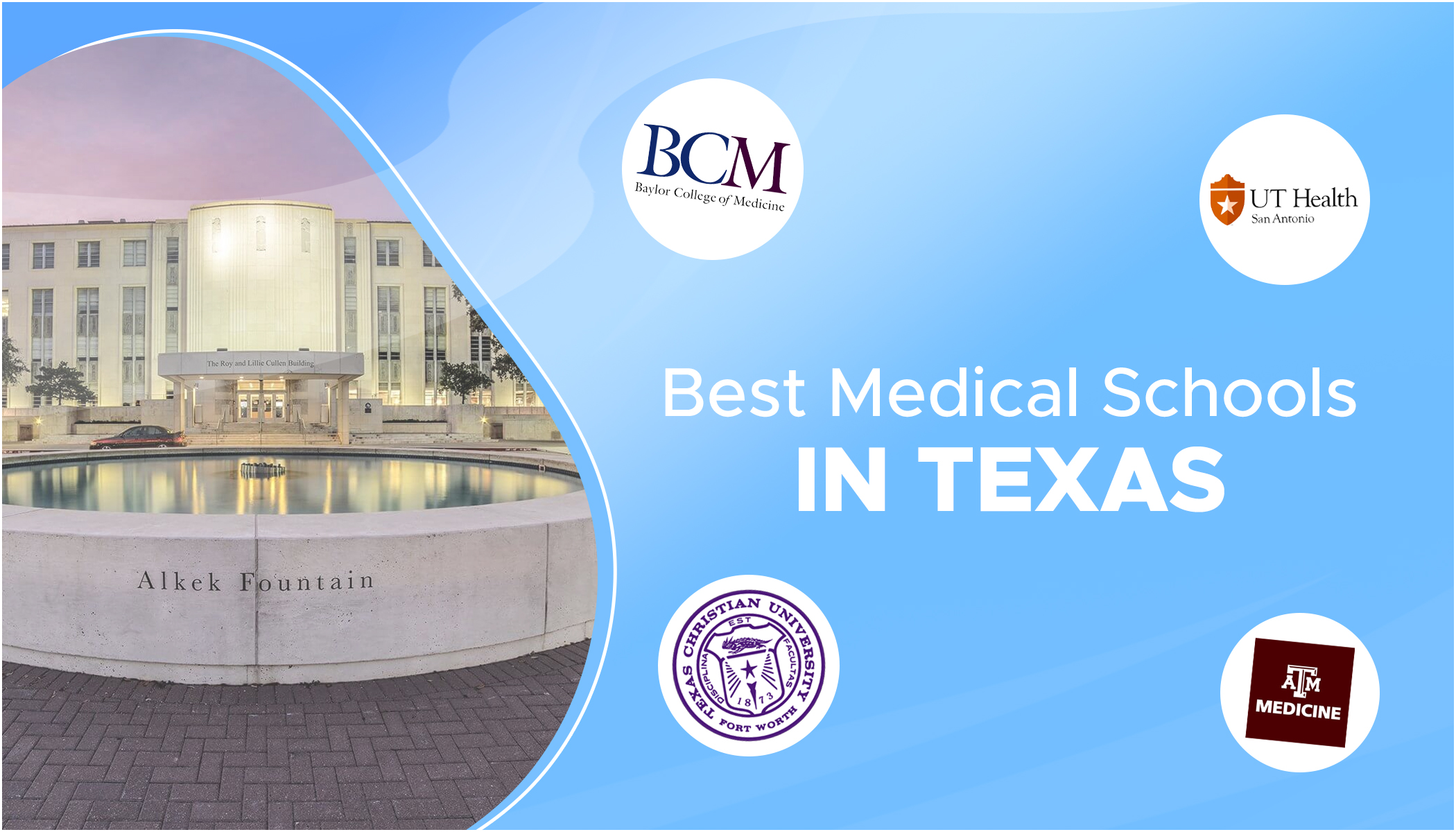
- Baylor College of Medicine – Houston: Located in the world-renowned Texas Medical Center in Houston, Baylor College of Medicine is a private institution with a long-standing reputation for excellence in research and patient care. It is known for its innovative teaching methods and its commitment to addressing health disparities.
- McGovern Medical School at UTHealth Houston: Also situated within the Texas Medical Center, the McGovern Medical School is a vital component of the University of Texas Health Science Center at Houston. It is dedicated to educating future physicians and advancing medical knowledge through research and community outreach.
- Dell Medical School at The University of Texas at Austin – Austin: A newer addition to the medical education landscape, Dell Medical School in Austin was founded with a mission to revolutionize healthcare delivery and medical education. It emphasizes innovation, interdisciplinary collaboration, and community engagement, aiming to improve health outcomes for the Austin community and beyond.
- Texas A&M Health Science Center College of Medicine – Bryan/College Station: With its main campus in Bryan/College Station, the Texas A&M College of Medicine is a major contributor to medical training, particularly in the rural health sector. It operates multiple clinical campuses across Texas, increasing its reach and impact.
Other Significant Medical Schools
Beyond the large university-affiliated institutions, several other medical schools contribute to Texas’s capacity for physician training.

- University of Texas Health Science Center at San Antonio (UT Health San Antonio) – San Antonio: This institution is a comprehensive academic health center, including the Long School of Medicine. It plays a crucial role in medical research, education, and patient care in the San Antonio region.
- Texas Tech University Health Sciences Center School of Medicine – Lubbock: With campuses in Lubbock and other West Texas locations, Texas Tech University Health Sciences Center is dedicated to serving the healthcare needs of West Texas and beyond, emphasizing primary care and rural health.
- University of North Texas Health Science Center (UNTHSC) – Fort Worth: Located in Fort Worth, UNTHSC is home to the Texas College of Osteopathic Medicine (TCOM), a leading DO-granting institution. It also houses other health professions schools and research centers.
- Sam Houston State University College of Osteopathic Medicine (SHSU-COM) – Conroe: A newer addition to the osteopathic medical education landscape, SHSU-COM in Conroe aims to address the physician shortage, particularly in primary care, and serve the growing needs of the Houston metropolitan area.
- Burrell College of Osteopathic Medicine at New Mexico State University – Las Cruces (with Texas presence): While primarily based in New Mexico, the Burrell College of Osteopathic Medicine has established partnerships and clinical rotations that extend into Texas, particularly in El Paso.
Impact on Healthcare and Research
The presence of numerous medical schools across Texas has a profound impact on the state’s healthcare infrastructure and scientific innovation.
Training Future Healthcare Professionals
These institutions are the primary pipeline for physicians, researchers, and allied health professionals who will serve the diverse population of Texas. Graduates often choose to practice within the state, helping to alleviate physician shortages, especially in underserved areas. The comprehensive training provided equips them with the skills necessary to address a wide range of health challenges.
Driving Medical Research and Innovation
Medical schools are at the forefront of medical research, making groundbreaking discoveries that improve patient outcomes and advance medical knowledge globally. From cancer research at UT Southwestern to neuroscience at Baylor College of Medicine, these institutions contribute significantly to the scientific community. This research often translates into new treatments, diagnostic tools, and preventative strategies, benefiting patients not only in Texas but worldwide.
Economic Contribution
The medical education sector is a significant economic driver for Texas. It creates numerous jobs, attracts federal and private research funding, and supports affiliated hospitals and healthcare systems. The presence of world-class medical facilities also enhances the attractiveness of Texas as a destination for skilled professionals and for medical tourism.
The Growing Demand for Medical Education
The population of Texas continues to grow rapidly, creating an increasing demand for healthcare services and, consequently, for physicians. Medical schools in the state are working to expand their capacity to meet this demand. New programs are being established, and existing ones are increasing their class sizes and clinical training sites.
This expansion is often supported by state initiatives and private philanthropy, recognizing the critical role of medical education in public health and economic development. The focus is not just on increasing the number of physicians but also on ensuring a diverse and well-distributed workforce that can serve all communities in Texas.
Addressing Physician Shortages
Specific efforts are underway to address physician shortages in primary care and in rural and underserved urban areas. Medical schools are implementing strategies such as increasing admissions for DO programs (which often have a strong focus on primary care), offering incentives for students to practice in underserved areas, and expanding clinical training sites in these regions.
Future Trends in Medical Education
The future of medical education in Texas is likely to be characterized by continued innovation. This includes the integration of new technologies like artificial intelligence in diagnostics and education, a greater emphasis on interdisciplinary training, and a focus on population health and preventative medicine. The medical schools in Texas are poised to remain at the forefront of these advancements, ensuring the state’s continued leadership in healthcare.
Conclusion: A Thriving Hub for Medical Learning
Texas hosts a substantial and impressive network of medical schools, solidifying its position as a vital center for medical education, research, and healthcare delivery. From established institutions like UT Southwestern and Baylor College of Medicine to emerging programs focused on innovation and community needs, the state offers a diverse and dynamic landscape for aspiring medical professionals. The continued growth and evolution of these institutions are critical for meeting the healthcare demands of a growing population and for advancing the frontiers of medical science. For anyone looking into medical training opportunities or the healthcare infrastructure of the Lone Star State, the robust presence of medical schools in Texas presents a compelling picture of a state committed to the health and well-being of its residents.
LifeOutOfTheBox is a participant in the Amazon Services LLC Associates Program, an affiliate advertising program designed to provide a means for sites to earn advertising fees by advertising and linking to Amazon.com. Amazon, the Amazon logo, AmazonSupply, and the AmazonSupply logo are trademarks of Amazon.com, Inc. or its affiliates. As an Amazon Associate we earn affiliate commissions from qualifying purchases.