
Divorce is an emotionally taxing and often complicated process, and for those navigating it in the great state of Texas, understanding the financial implications is crucial. While the emotional toll is immeasurable, the monetary costs can vary significantly, influenced by a multitude of factors. This guide aims to provide a comprehensive overview of the expenses associated with a divorce in Texas, covering everything from court filing fees to the potential need for professional assistance.
Understanding the Core Costs of a Texas Divorce
The most fundamental costs associated with any legal proceeding, including divorce, are the official fees charged by the court system. These are generally unavoidable and represent the entry point into the legal framework of dissolving a marriage.
Court Filing Fees
When initiating a divorce case in Texas, the filing spouse, known as the Petitioner, must pay a filing fee to the district clerk’s office in the county where the divorce is filed. This fee can vary slightly from county to county but typically falls within a range. As of recent information, these fees often hover around the $300 to $400 mark. This initial payment grants access to the court system and allows the divorce petition to be officially processed.
Beyond the initial filing fee, there may be additional fees throughout the divorce proceedings. These can include fees for serving the other spouse (the Respondent), obtaining certified copies of court orders, and in some cases, fees for mediation or arbitration if those alternative dispute resolution methods are utilized.
Service Fees
Once the divorce petition is filed, the Respondent must be officially notified of the legal action. This is typically done through a process called “service,” where a sheriff, constable, or a private process server personally delivers legal documents to the Respondent. The cost for this service varies based on the chosen method and the fees charged by the server. A typical range for service fees might be between $75 and $150, though this can increase if the Respondent is difficult to locate or if multiple attempts are required.
The Impact of Legal Representation on Divorce Costs
The decision to hire an attorney is perhaps the most significant factor influencing the overall cost of a divorce in Texas. Legal representation provides expertise, guidance, and advocacy, but it comes at a price.
Attorney Fees: Hourly Rates and Retainers
Divorce attorneys in Texas typically charge an hourly rate for their services. These rates can vary widely based on the attorney’s experience, reputation, the complexity of the case, and the geographical location within the state. In major metropolitan areas like Houston, Dallas, or Austin, hourly rates might range from $250 to $750 or even higher for highly specialized or sought-after attorneys. In smaller towns or for attorneys with less experience, the rates might be on the lower end of this spectrum.
Upon hiring an attorney, most clients are required to pay a retainer fee. This is an upfront payment that the attorney draws from as they work on the case. Retainers can range from $3,000 to $10,000 or more, depending on the anticipated complexity of the divorce. If the retainer is depleted, the client will be billed for additional work and may need to provide another retainer.
Complexity of the Case
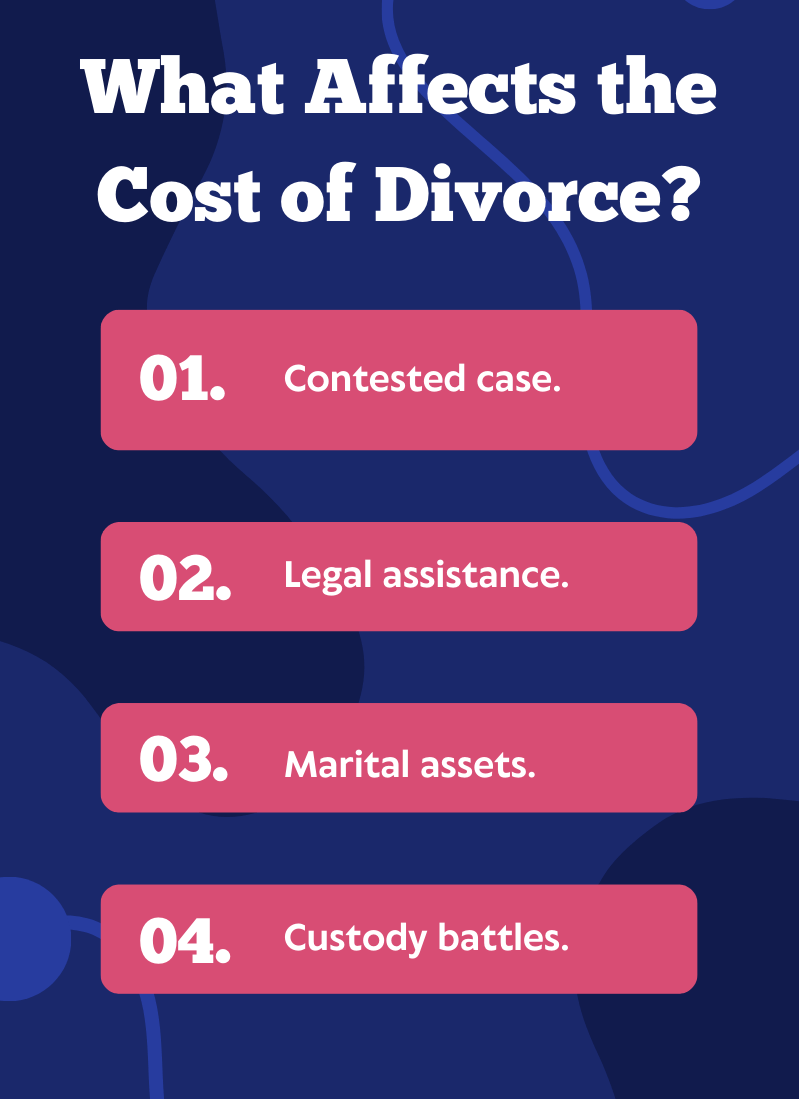
The more complex a divorce is, the more attorney time it will require, and consequently, the higher the costs will be. Complexity can arise from various factors:
- Uncontested vs. Contested Divorce: An uncontested divorce, where both spouses agree on all terms (property division, child custody, spousal support), is significantly less expensive than a contested divorce. In an uncontested divorce, an attorney might be able to finalize the matter with minimal court appearances and paperwork, potentially keeping costs in the lower thousands.
- Child Custody Disputes: Disagreements over child custody, visitation schedules, and child support can escalate the legal process, leading to extensive negotiations, court hearings, and potentially custody evaluations or guardian ad litem appointments, all of which add to the legal fees.
- Complex Property Division: Divorces involving significant assets, businesses, multiple properties, or intricate financial portfolios require thorough investigation, valuation, and negotiation. This can involve forensic accountants, appraisers, and extended legal strategizing.
- Spousal Support/Alimony: Debates over the amount and duration of spousal support can also prolong negotiations and lead to increased legal expenses.
- Domestic Violence or High Conflict: Cases involving allegations of domestic violence or extreme high conflict between spouses invariably require more intensive legal intervention and can significantly drive up costs.

Cost-Saving Strategies with Legal Counsel
While attorneys add to the cost, they can also, in some cases, save money by preventing costly mistakes, negotiating favorable settlements, and navigating the legal system efficiently. To manage attorney fees, clients can:
- Be Prepared: Gather all necessary financial documents and information before meetings to make consultations more efficient.
- Communicate Effectively: Be concise and organized when communicating with your attorney.
- Consider Mediation: If both parties are amenable, mediation can be a more cost-effective way to resolve disputes than prolonged litigation.
- Choose Your Battles: Focus on the issues that are most important to you, rather than prolonging disputes over minor points.
Ancillary Costs Beyond Legal Fees
In addition to court fees and attorney expenses, a divorce in Texas can incur several other significant costs, particularly when financial and property matters are complex.
Experts and Professionals
- Forensic Accountants: If there are suspicions of hidden assets or complex business valuations, a forensic accountant may be necessary. Their fees can range from $300 to $700 per hour, and their work can be extensive, adding thousands to the divorce costs.
- Property Appraisers: To accurately divide real estate or valuable personal property, professional appraisers are often employed. The cost for an appraisal can vary based on the asset but might range from $300 to $1,000 or more per appraisal.
- Child Custody Evaluators/Guardians Ad Litem: In contentious custody cases, the court may appoint a child custody evaluator or a guardian ad litem to represent the child’s best interests. These professionals charge fees, which can range from $100 to $500 per hour, and their services can contribute significantly to the overall expense.
Costs Associated with Property Division
The division of assets and debts is a central aspect of any divorce. While the goal is an equitable distribution, the process of valuing and dividing these can incur costs:
- Real Estate: If a couple owns a home or other real estate, decisions must be made about selling it, one spouse buying out the other, or refinancing. Costs associated with these actions include appraisal fees, title insurance, closing costs, and potential capital gains taxes if sold.
- Businesses: Valuing a business can be a complex and expensive undertaking, often requiring specialized business appraisers.
- Retirement Accounts: Dividing retirement accounts like 401(k)s or pensions often requires a Qualified Domestic Relations Order (QDRO), which involves legal drafting fees.
Budgeting for Your Texas Divorce
Given the wide range of potential expenses, it’s prudent to create a realistic budget for your divorce.
Estimating the Total Cost
The cost of an uncontested divorce with minimal assets and no children in Texas can potentially be as low as $2,000 to $5,000, primarily covering filing fees and basic legal advice.
However, a contested divorce involving complex property division, child custody disputes, and significant attorney involvement can easily range from $15,000 to $50,000 or more. In extremely high-conflict or high-asset cases, legal fees can escalate into the hundreds of thousands of dollars.

Financial Planning During Divorce
- Separate Finances: As soon as divorce is contemplated, it’s wise to start separating finances to understand individual financial positions.
- Seek Financial Advice: Consider consulting with a financial advisor to understand the long-term financial implications of the divorce settlement.
- Understand Court Orders: Be aware of any temporary court orders regarding spousal support, child support, or the use of marital property during the divorce process, as these will impact your immediate financial situation.
Navigating a divorce in Texas requires careful consideration of both emotional and financial aspects. By understanding the various cost components, from court fees to expert witness expenses, individuals can better prepare for and manage the financial journey of dissolving their marriage. Consulting with experienced legal professionals is paramount to ensuring a fair and efficient resolution, while diligent financial planning can help mitigate the long-term economic impact.
LifeOutOfTheBox is a participant in the Amazon Services LLC Associates Program, an affiliate advertising program designed to provide a means for sites to earn advertising fees by advertising and linking to Amazon.com. Amazon, the Amazon logo, AmazonSupply, and the AmazonSupply logo are trademarks of Amazon.com, Inc. or its affiliates. As an Amazon Associate we earn affiliate commissions from qualifying purchases.