
Understanding the New Orleans area code is a fundamental piece of knowledge for anyone planning a trip to, communicating with residents of, or simply interested in the vibrant culture of this iconic American city. While the primary area code associated with New Orleans is readily identifiable, the geographic and technological evolution of telecommunications means that understanding the full picture involves more than just a single three-digit number. This exploration delves into the origins and current landscape of New Orleans’ telephone numbering plan, offering insights relevant to travelers and those connecting with the city’s unique spirit.
The Foundation: Original Area Codes and Their Significance
The North American Numbering Plan (NANP), which governs telephone numbering in the United States, Canada, and several Caribbean nations, assigned its first area codes in the late 1940s. These initial allocations were designed to create a systematic way for long-distance calls to be routed. For New Orleans, the initial assignment was a significant marker of its growing importance as a metropolitan center.
The Genesis of 504
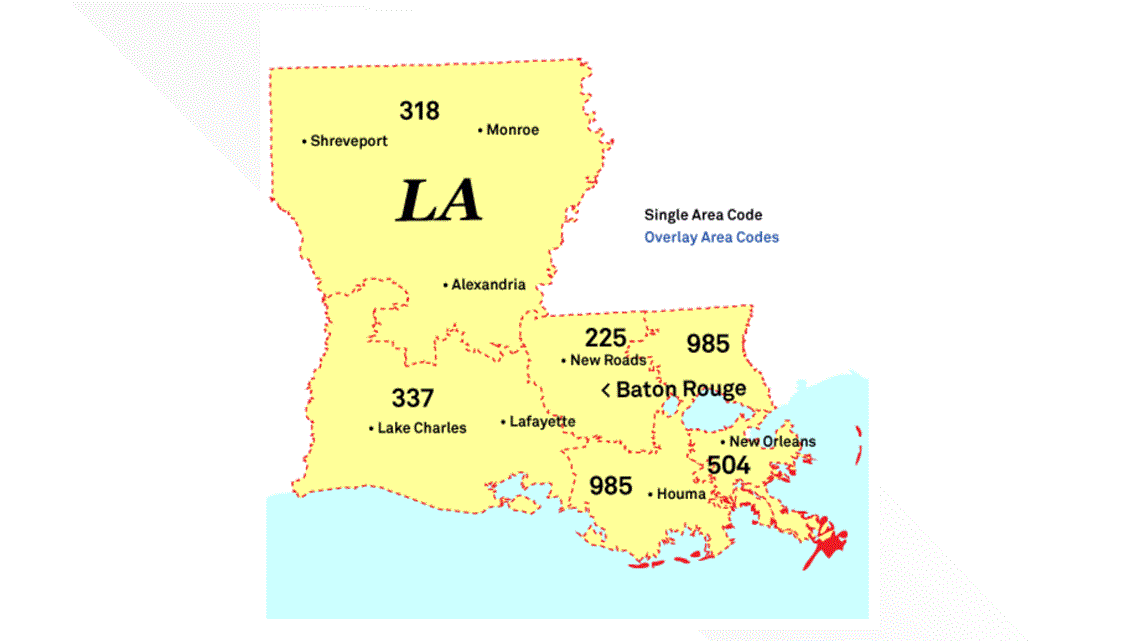
The original and most historically significant area code for New Orleans is 504. This code was implemented as part of the initial rollout of the NANP. At the time, it covered not only the city of New Orleans itself but also a much broader geographical region of southeastern Louisiana. This expansive coverage was typical in the early days of telecommunications, when the demand for numbers was less intense and the population density in many areas was lower.
The 504 area code became synonymous with the identity of New Orleans and its surrounding parishes. For decades, anyone calling into the region would dial 504 before the local seven-digit number. This area code carries with it a sense of history, having been the gateway to countless conversations, business transactions, and personal connections within one of America’s most culturally rich cities. From jazz clubs on Frenchmen Street to historic homes in the Garden District, the 504 was the numerical thread connecting callers to the heart of the city and its surroundings.
Expansion and Overlay: Adapting to Growth
As the population of the New Orleans metropolitan area grew, so did the demand for telephone numbers. The limited number of available prefixes within the 504 area code began to approach exhaustion, a common challenge for rapidly expanding urban centers. To address this, telecommunications authorities implement strategies to ensure sufficient numbering resources. For New Orleans, this involved a significant change in its numbering landscape.
The Arrival of 985
In the late 1990s and early 2000s, the increasing demand for phone numbers in the greater New Orleans area necessitated the creation of a new area code. This led to the implementation of an “overlay” plan. Unlike a geographic split, where an area code is divided and a new code is assigned to a new region, an overlay allows a new area code to be introduced within the same geographic boundaries as the existing one.
The new area code introduced to the New Orleans region was 985. This code was specifically designed to serve the suburban and surrounding areas that had previously been part of the 504 territory. This included many communities and parishes that are integral to the greater New Orleans experience for tourists and residents alike, such as parts of St. Tammany Parish, Tangipahoa Parish, and areas west of the city.
The introduction of 985 as an overlay meant that residents and businesses in the affected regions could be assigned phone numbers with either 504 or 985. This required a shift in dialing habits, as all calls, even local ones, within the overlay region eventually required dialing all ten digits (the area code plus the seven-digit number). This change, while initially a point of adjustment, was crucial for the continued growth and connectivity of the region. For travelers, understanding that both 504 and 985 are active and valid area codes for the greater New Orleans area is essential for successful communication.
Navigating the Area Codes: Practical Implications for Visitors
For visitors to New Orleans, understanding the area codes is primarily about ensuring smooth communication. Whether you’re booking a reservation at a historic hotel, arranging a tour of the French Quarter, or simply trying to reach a local contact, knowing which number to expect or dial is important.
Identifying the Correct Area Code
When you see a New Orleans phone number, pay attention to the area code. If it begins with 504, it is likely a number originating from the core city of New Orleans or older established areas within the greater metropolitan region. If it begins with 985, it generally indicates a number from the surrounding suburban or outlying parishes that are part of the expanded New Orleans calling area.
It’s important to note that due to the overlay nature of 985, some businesses or residences within the city of New Orleans itself might have numbers with the 985 area code, and vice versa. The best practice for travelers is to always dial the full ten-digit number provided.
Communication Tips for Travelers
- Reservations and Bookings: When making reservations for accommodations, dining, or tours, you will likely encounter both 504 and 985 numbers. Simply use the number provided by the establishment. Most modern phone systems and mobile devices will automatically recognize and dial these numbers correctly, especially if you are within the United States.
- Local Contacts: If you are connecting with local friends, family, or business contacts, be aware that their numbers may be in either area code. If you are given a seven-digit number, it is often understood within the context of the conversation which area code applies. However, if there is any doubt, it is always best to confirm the full ten-digit number.
- Emergency Services: In the rare event of an emergency, remember that dialing 911 connects you to emergency services regardless of the local area code. The dispatcher will be able to identify your location.
- International Calls: If you are calling New Orleans from outside the United States, you will need to dial the international dialing prefix for your country, followed by the country code for the United States (1), and then the full ten-digit New Orleans phone number (including either the 504 or 985 area code).

The Cultural Resonance of an Area Code
While the technicalities of telephone numbering might seem mundane, for a city like New Orleans, even its area code carries a subtle cultural weight. The 504 is deeply ingrained in the city’s identity, representing decades of its history, its iconic music, its unique cuisine, and its indomitable spirit. For many long-time residents, the 504 is more than just a number; it’s a symbol of home.
The introduction of 985 reflects the city’s continued growth and the expansion of its influence into the surrounding regions. It signifies a modernizing telecommunications infrastructure that supports a larger, more interconnected community. Both numbers, in their own way, are part of the narrative of New Orleans – a city that honors its past while embracing its future.
For travelers, acknowledging these area codes can add another layer of appreciation for the local context. When you see a phone number with 504, you’re looking at a connection to the historic heart of New Orleans. When you see 985, you’re connecting with the broader, thriving metropolitan region that surrounds and supports this unparalleled cultural hub. Understanding these details enhances the overall travel experience, offering a deeper connection to the place and its people. The area code is, in essence, a digital postcode, a quick identifier that hints at the geographical and historical context of the calls it facilitates.
LifeOutOfTheBox is a participant in the Amazon Services LLC Associates Program, an affiliate advertising program designed to provide a means for sites to earn advertising fees by advertising and linking to Amazon.com. Amazon, the Amazon logo, AmazonSupply, and the AmazonSupply logo are trademarks of Amazon.com, Inc. or its affiliates. As an Amazon Associate we earn affiliate commissions from qualifying purchases.