
Understanding the intricacies of residential tenancy, particularly the legal process of eviction, is crucial for both landlords and tenants in California. For those engaged in long-term accommodation, knowing the typical duration and stages of an eviction can help manage expectations and plan accordingly. The eviction process, officially known as an “unlawful detainer” lawsuit in California, is a formal legal procedure that allows a landlord to regain possession of a rental property. It is rarely a swift endeavor and involves multiple steps, each with specific legal requirements and potential timelines.
Understanding Eviction in Long-Term Stays
The concept of eviction is central to the stability and management of long-term accommodation. Whether you are a property owner providing a home or a resident establishing a life, the legal framework governing evictions in California impacts all parties involved. Unlike short-term hotel stays where guest removal can be immediate under certain conditions, residential tenancies are protected by robust tenant rights.
The Legal Framework for Accommodation
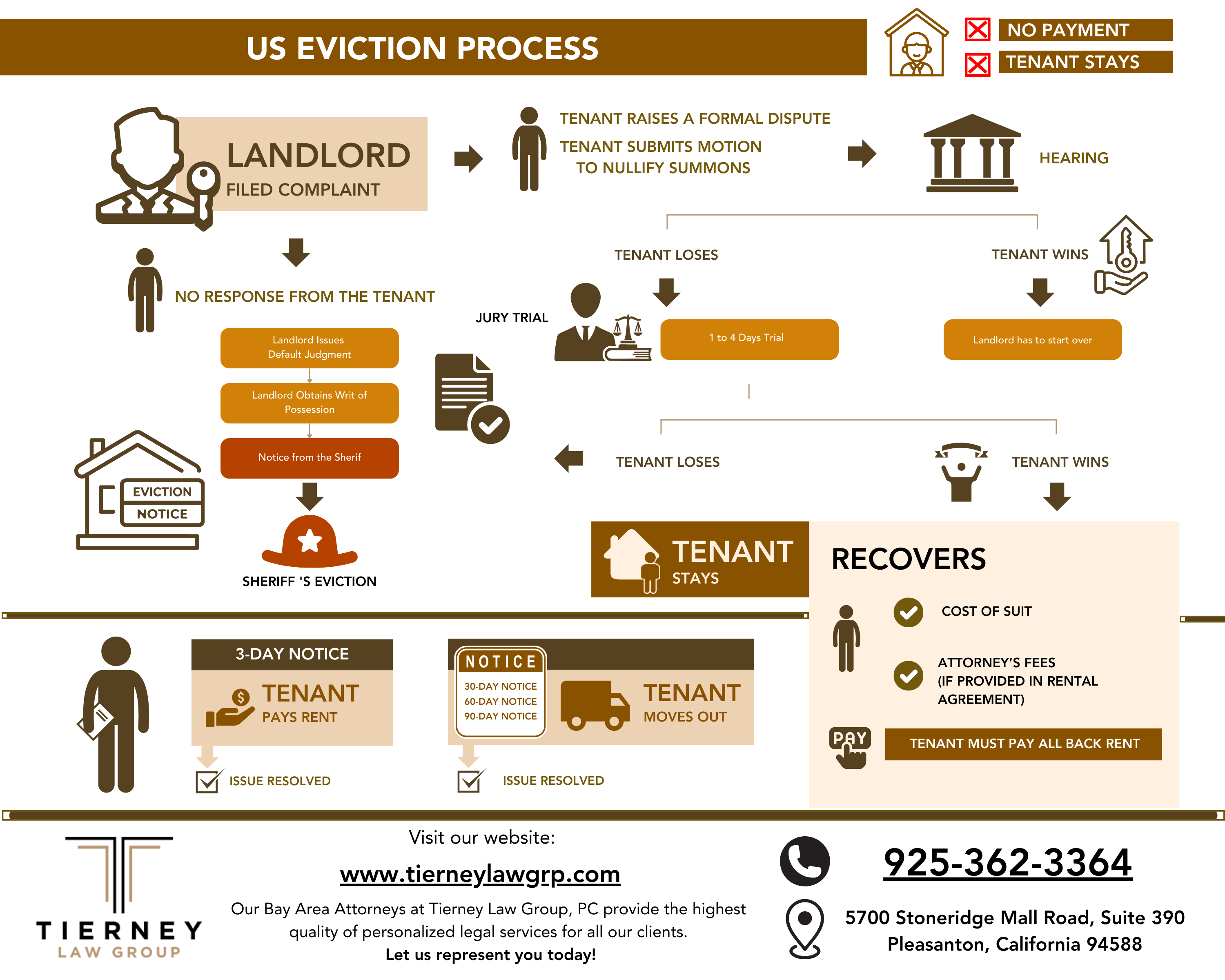
California law provides a detailed and often tenant-friendly framework for evictions. This framework aims to ensure due process and prevent arbitrary displacement. Key legislation, such as the Tenant Protection Act of 2019 (AB 1482), adds layers of complexity, particularly regarding “just cause” evictions and rent caps. For a landlord to legally evict a tenant, they must follow a strict judicial process, meaning self-help evictions (like changing locks or shutting off utilities) are illegal and can lead to severe penalties. This legal structure inherently adds time to the process, ensuring that adequate notice and opportunity for remedy are provided.
Key Players in the Process
Several parties are involved in an eviction proceeding, each contributing to the overall timeline:
- Landlord (Plaintiff): The property owner or manager seeking to regain possession.
- Tenant (Defendant): The resident living in the property who is subject to the eviction.
- Courts: Specifically, the Superior Court of California in the county where the property is located, which presides over the unlawful detainer lawsuit.
- Sheriff’s Department: Responsible for serving legal documents and, if necessary, executing a lockout order.
- Legal Counsel: Attorneys representing either the landlord or tenant, whose involvement can significantly impact the speed and outcome of the process.
The Stages of Eviction: A Timeline Breakdown
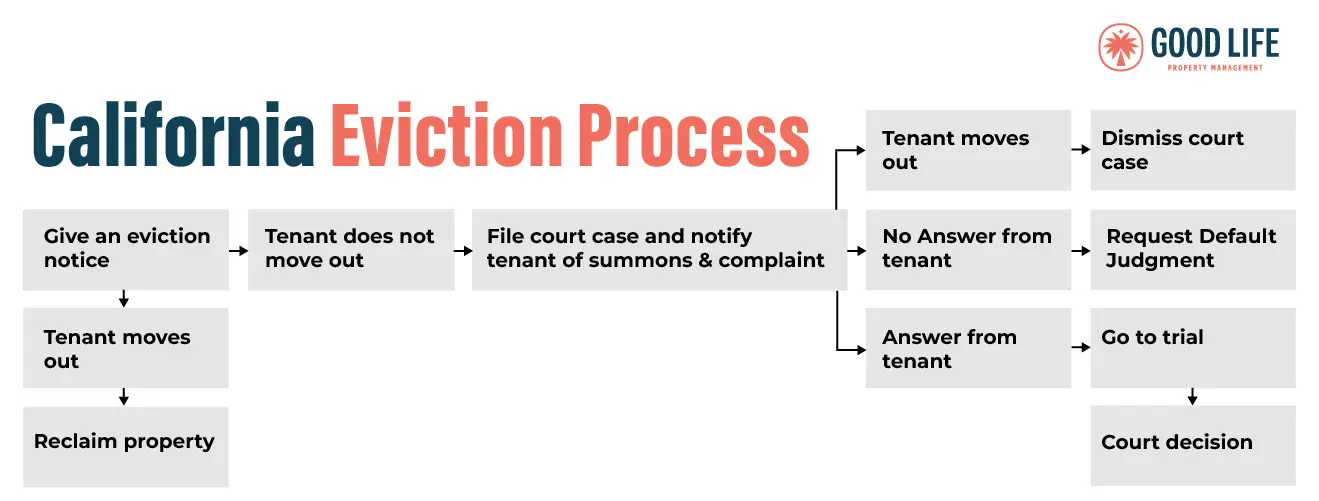
The eviction process in California typically spans several weeks to several months, depending on various factors. Here’s a general breakdown of the stages and their approximate durations:
Step 1: Serving Notice (3-30+ Days)
Before a landlord can file an unlawful detainer lawsuit, they must serve the tenant with a proper written notice. The type of notice and the required timeframe depend on the reason for eviction:
- 3-Day Notice to Pay Rent or Quit: This is the most common notice for non-payment of rent. It gives the tenant three business days to pay the overdue rent in full or move out. If the tenant does neither, the landlord can proceed with an eviction lawsuit.
- 3-Day Notice to Perform Covenants or Quit: Used when a tenant violates a term of the lease agreement (e.g., having unauthorized pets, excessive noise). It gives three business days to fix the violation or move out.
- 3-Day Notice to Quit (No Cure): For serious lease violations that cannot be remedied, such as illegal activity on the premises or causing significant damage. The tenant has three business days to move out without an option to cure.
- 30-Day or 60-Day Notice to Quit: For “no-fault” evictions (where the tenant has not violated the lease but the landlord wants them to leave), or for ending a month-to-month tenancy without just cause (if local ordinances allow). A 30-day notice is common for tenants who have lived in the property for less than one year, while a 60-day notice is required for those who have resided there for a year or more. Many California cities also have their own just cause eviction requirements, often extending notice periods.
The notice period must expire before any further action can be taken. This initial phase typically adds 3 to 60 days to the overall timeline, depending on the notice type.
Step 2: Filing the Unlawful Detainer Lawsuit (5-15 Days)
If the tenant does not comply with the notice, the landlord can file an unlawful detainer complaint with the Superior Court of California. This involves:
- Filing the Complaint: The landlord completes and files the necessary legal forms with the court. This typically takes a few days.
- Serving the Summons and Complaint: Once filed, the tenant must be legally served with these documents. Service must be done by a neutral third party (e.g., a sheriff, process server, or someone over 18 not involved in the case). This step can take 3 to 10 days, as multiple attempts might be needed for proper service.
- Tenant’s Response Time: After being served, the tenant generally has 5 court days (weekends and holidays excluded) to file an answer with the court. If the tenant doesn’t respond, the landlord can request a default judgment, which can speed up the process significantly.
This stage typically adds another 5 to 15 days to the timeline.
Step 3: Court Proceedings and Judgment (30-60+ Days)
If the tenant files an answer, the case proceeds to trial. This is where the bulk of the time is often spent:
- Scheduling the Trial: Unlawful detainer cases are given priority in California courts, but scheduling can still take 10 to 20 days depending on court congestion.
- Trial: The trial itself can be relatively quick, often lasting only a few hours to a few days.
- Judgment: If the landlord wins, the court issues a “Judgment for Possession.” This legally states that the landlord is entitled to regain possession of the property. This typically occurs immediately after the trial or within a few days.
- Writ of Possession: After judgment, the landlord requests a “Writ of Possession” from the court clerk. This document authorizes the sheriff to remove the tenant. This usually takes 1-3 days to process.
This stage can easily add 30 to 60 days or more, especially if the court calendar is crowded or if there are complex legal arguments.
Step 4: Sheriff’s Lockout (5-7 Days)
The final step is the physical removal of the tenant by the sheriff:
- Sheriff’s Notice: Once the landlord has the Writ of Possession, they deliver it to the county sheriff’s department. The sheriff will then post a “Notice to Vacate” on the tenant’s door, giving the tenant 5 calendar days to move out voluntarily.
- Sheriff’s Lockout: If the tenant still has not moved out after the 5-day notice period, the sheriff will return to the property and physically remove the tenant, changing the locks.
This final stage adds approximately 5 to 7 days to the process.
Total Estimated Eviction Timeline:
Adding up the minimums and maximums, a straightforward eviction in California can take anywhere from 30 days (for a very fast default judgment after a 3-day notice) to upwards of 90-120 days or more if the case goes to trial and involves complexities. In areas with stricter local ordinances, or during periods of eviction moratoriums, the process can extend even further.
Factors Influencing the Eviction Timeline
Several variables can significantly alter the estimated timeline for an eviction in California.
Tenant Defenses and Legal Aid
A tenant’s decision to defend themselves in court, especially with legal representation, can prolong the process. Common defenses include:
- Improper Notice: If the landlord failed to serve the notice correctly or used the wrong type of notice.
- Retaliation: The eviction is in response to the tenant exercising their legal rights (e.g., complaining about unsafe conditions).
- Discrimination: The eviction is based on a protected characteristic.
- Breach of Warranty of Habitability: The landlord failed to maintain safe and livable conditions.
- Payment Acceptance: The landlord accepted partial rent after serving a “Pay or Quit” notice, which might negate the notice.
Raising these defenses requires court hearings and potentially more extensive legal arguments, adding weeks or even months to the process.
Court Congestion and Scheduling
While unlawful detainer cases are prioritized, the sheer volume of cases in populous counties like Los Angeles or San Francisco can cause delays in scheduling hearings and trials. Judge availability, public holidays, and court backlogs all contribute to the overall pace.
Mediation and Settlement Opportunities
Both landlords and tenants might opt for mediation to reach a settlement outside of court. While this can sometimes be quicker and less costly than a full trial, the negotiation process itself takes time. If successful, it can lead to an agreement that avoids further litigation. If unsuccessful, it simply adds another layer of time before the court process resumes.
Navigating Tenant and Landlord Responsibilities
For anyone involved in long-term accommodation, understanding the respective rights and duties is paramount, especially when facing or initiating an eviction.
Rights of the Tenant
California tenants possess significant rights, including:
- Right to Proper Notice: Before eviction, tenants must receive legally compliant notice.
- Right to Cure (in many cases): For specific lease violations, tenants have the right to fix the issue within the notice period.
- Right to a Court Hearing: Tenants cannot be forcibly removed without a court order and sheriff involvement. They have the right to present their case in court.
- Protection Against Retaliation and Discrimination: Evictions motivated by retaliation or discrimination are illegal.
Duties of the Landlord
Landlords in California have duties that, if neglected, can impact the eviction process:
- Duty to Provide Habitable Premises: Landlords must ensure the property meets basic health and safety standards.
- Duty to Follow Legal Procedures: All eviction steps, from notice to lockout, must strictly adhere to California law.
- Duty to Avoid Self-Help Eviction: Landlords must not attempt to evict tenants by illegal means.
Seeking Professional Guidance
Given the complexity and legal nuances of the eviction process in California, both landlords and tenants are strongly advised to seek legal counsel. An attorney specializing in landlord-tenant law can provide invaluable guidance, ensure compliance with all legal requirements, and represent their client effectively in court. This can prevent costly mistakes and potentially expedite or successfully challenge the process.

Conclusion: Planning for Long-Term Accommodation Stability
The eviction process in California is a structured legal journey designed to protect the rights of both landlords and tenants in long-term accommodation agreements. While a simple case of non-payment might be resolved in approximately 30-45 days, various factors can extend this timeline significantly, often stretching it to 90 days or more. Understanding each stage, the required notices, court procedures, and potential defenses is crucial for anyone navigating this complex area of housing law. For landlords, diligent adherence to legal procedures is essential to avoid delays and legal challenges. For tenants, awareness of their rights and access to legal resources can be vital in preserving their housing. Ultimately, clear communication, adherence to lease agreements, and professional legal guidance offer the best path to stability in long-term accommodation.
LifeOutOfTheBox is a participant in the Amazon Services LLC Associates Program, an affiliate advertising program designed to provide a means for sites to earn advertising fees by advertising and linking to Amazon.com. Amazon, the Amazon logo, AmazonSupply, and the AmazonSupply logo are trademarks of Amazon.com, Inc. or its affiliates. As an Amazon Associate we earn affiliate commissions from qualifying purchases.