
Navigating the complexities of vehicle ownership in Texas can be a daunting task, especially when faced with the unexpected loss of a crucial document like a car title. The Certificate of Title is more than just a piece of paper; it’s legal proof of ownership and is essential for selling, transferring, or even registering your vehicle. If you find yourself in the unfortunate situation of having misplaced your Texas car title, don’t panic. This guide will walk you through the step-by-step process of applying for a replacement title, ensuring you can regain legal control of your vehicle without unnecessary stress. Understanding the procedures and requirements is key to a smooth and efficient resolution.
Understanding the Importance of Your Car Title
The Certificate of Title in Texas serves as the official record of a vehicle’s ownership. It contains vital information such as the vehicle identification number (VIN), the make and model of the car, the current owner’s name and address, and any lienholders. This document is indispensable for a variety of transactions:
- Selling Your Vehicle: Without a title, you cannot legally transfer ownership to a buyer. A buyer will require the title to register the vehicle in their name.
- Transferring Ownership: Whether gifting or inheriting a vehicle, the title is necessary for the legal transfer of ownership.
- Obtaining a Loan: If you plan to use your car as collateral for a loan, the lender will require the title as proof of ownership.
- Registering Your Vehicle: While not always required for initial registration, having the title can simplify the process and is often necessary for renewals or title transfers.
- Proving Ownership: In certain legal situations, the title serves as the primary document to prove you are the rightful owner of the vehicle.
Losing this document can create significant hurdles, but fortunately, the Texas Department of Motor Vehicles (TxDMV) has established a clear process for obtaining a duplicate or replacement title.
Steps to Apply for a Replacement Title
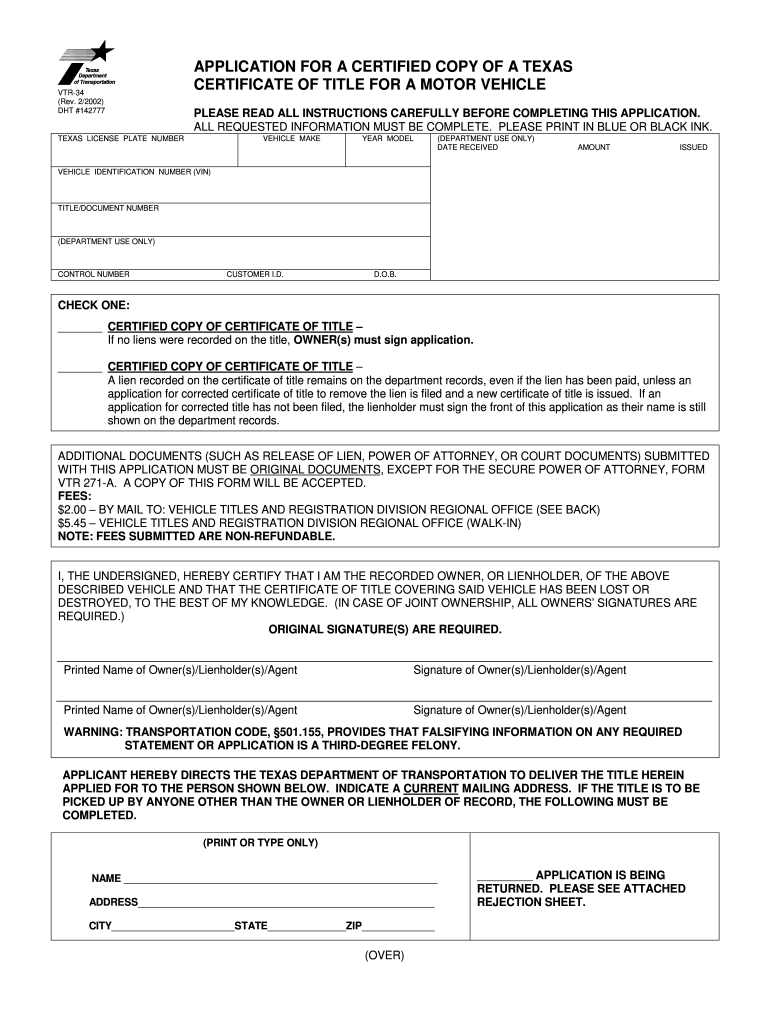
The application process for a lost car title in Texas primarily involves completing a specific form and submitting it to the Texas Department of Motor Vehicles (TxDMV). The primary form you will need is the Application for Certified Copy of Title (Form VTR-391).
Gathering Necessary Information and Documentation
Before you begin filling out the application, ensure you have the following information readily available:
- Vehicle Identification Number (VIN): This unique 17-digit number is crucial for identifying your specific vehicle. You can typically find it on your vehicle’s dashboard (visible through the windshield), on the driver’s side door jamb, or on your insurance policy.
- Current License Plate Number: If your vehicle is currently registered, having the license plate number will also aid in identification.
- Owner’s Name and Address: The name and address should match the information on the most recent title or vehicle registration.
- Proof of Identity: You may need to provide a copy of your driver’s license or other government-issued identification.
- Vehicle Details: Make, model, and year of the vehicle.
- Lienholder Information (if applicable): If there is an outstanding loan on the vehicle, the name and address of the lienholder will be required. They may also need to sign off on the application.
Completing the Application for Certified Copy of Title (Form VTR-391)
Form VTR-391 is available for download from the Texas Department of Motor Vehicles website. It is essential to fill out this form accurately and completely to avoid delays.
Key Sections of Form VTR-391:
- Vehicle Information: This section requires the VIN, license plate number, year, make, and model of the vehicle.
- Owner Information: Your full legal name, current address, and contact information. If the vehicle is jointly owned, all owners’ names should be provided.
- Lienholder Information (if applicable): If there is a lien on the vehicle, you will need to provide the name and address of the lienholder. The lienholder’s signature will likely be required to release their interest in the title.
- Reason for Replacement: You will need to state that the original title was lost, stolen, or destroyed.
- Certification and Signature: You will need to certify that the information provided is true and correct and sign the form.
It is highly recommended to download the latest version of the form directly from the TxDMV website, as forms can be updated periodically.
Submitting the Application
Once the form is completed, you have several options for submission:
- By Mail: You can mail the completed application and the required fee to the TxDMV address specified on the form. The TxDMV headquarters is located in Austin, Texas.
- In Person: Some TxDMV Regional Service Centers or county tax assessor-collector offices may accept these applications in person. It is advisable to contact your local office beforehand to confirm if they offer this service and what their specific requirements are.
- Online (limited): While full title applications are increasingly moving online, direct online submission for a lost title replacement might be limited. Always check the official TxDMV website for the most current submission methods.
Fees and Processing Times
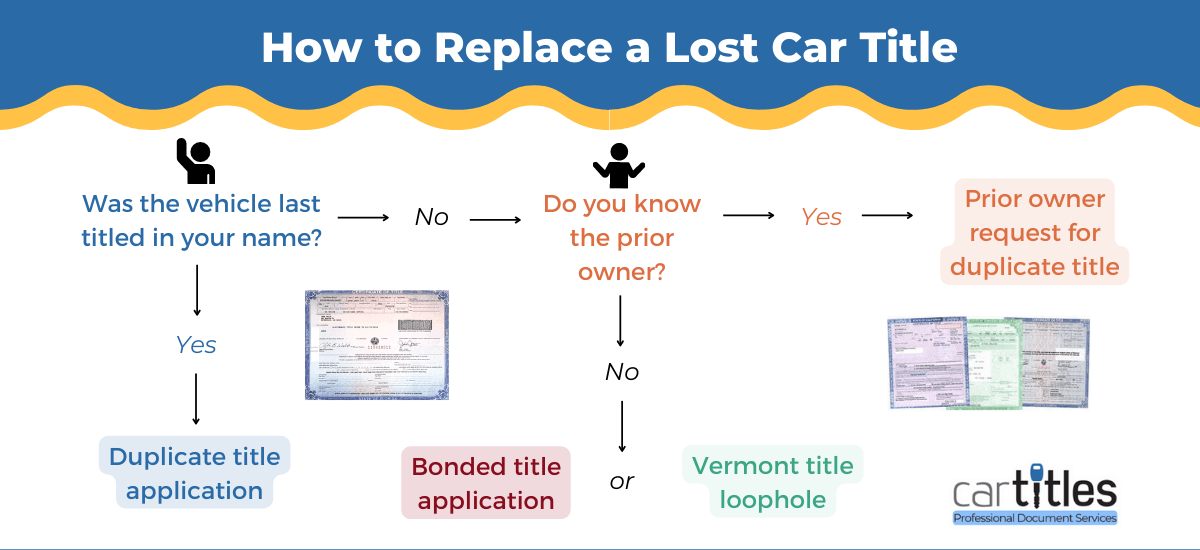
There is a fee associated with obtaining a certified copy of a lost title. The exact amount can change, so it’s best to check the TxDMV website or the form itself for the most up-to-date fee schedule. Payment is typically accepted via check, money order, or credit card (if applying in person or through specific online portals).
Processing times can vary depending on the volume of applications the TxDMV is handling. Generally, it can take anywhere from a few weeks to over a month to receive your replacement title by mail. It’s wise to plan ahead, especially if you anticipate needing the title for an imminent sale or registration renewal.
Special Circumstances and Considerations
While the process for a standard lost title is straightforward, certain situations require additional attention.
Vehicles with Liens
If your vehicle has a lien (an outstanding loan), the process becomes slightly more complex. The lienholder has a legal interest in the title until the loan is fully paid off.
- Lienholder Consent: You will need the signature of the lienholder on your application for a replacement title. This signifies their acknowledgment and consent to the issuance of a new title.
- Contacting Your Lienholder: Reach out to your bank or financial institution that holds the lien. They will have specific procedures for authorizing the replacement title. Some may require you to pay a small administrative fee.
- New Title Issuance: Once the lien is satisfied, the lienholder will typically sign off on the title, or you will receive a new title reflecting the release of the lien. If the loan is still active, the new title will be issued with the lienholder’s name still recorded.
Inherited Vehicles
If you are applying for a replacement title for a vehicle that has been inherited, the process will involve additional documentation. You will likely need to provide:
- Death Certificate: A certified copy of the deceased owner’s death certificate.
- Probate Documents: If the vehicle was part of an estate administered through probate court, you will need relevant court documents, such as a will or letters testamentary, proving your authority to transfer ownership.
- Affidavits: You may need to complete an affidavit of inheritance or heirship.
The TxDMV website often provides specific guidance and forms for handling inherited vehicles.
Salvaged or Rebuilt Titles
If the original title was a salvaged or rebuilt title and it has been lost, the application process may differ slightly, and additional inspections or documentation might be required to ensure the vehicle’s roadworthiness and legal status.
Previously Declared Lost or Stolen
If your original title was reported lost or stolen, and you later find it, it is crucial not to use it. You must proceed with applying for a replacement. The TxDMV will invalidate the old title once a replacement is issued. Using a found title that has been reported lost could lead to complications.

Tips for a Smooth Application Process
To ensure your application for a lost car title in Texas proceeds as smoothly as possible, keep these tips in mind:
- Be Thorough and Accurate: Double-check all information on your application. Errors or omissions are the most common cause of delays. Ensure names, addresses, and VINs are precisely as they should be.
- Use the Official TxDMV Website: Always download forms and refer to instructions from the official Texas Department of Motor Vehicles website (TxDMV.gov). This ensures you are using the most current and accurate information.
- Keep Copies: Make copies of your completed application and any supporting documents you submit. This provides you with a record in case of any discrepancies or if you need to follow up.
- Consider Certified Mail: If you are mailing your application, consider using certified mail with a return receipt requested. This provides proof that your application was received by the TxDMV.
- Be Patient: Government processing times can vary. While it’s good to be aware of typical timelines, remain patient. If an unusually long time passes beyond the expected processing window, you can contact the TxDMV for an update.
- Contact the TxDMV for Clarification: If you are unsure about any part of the process, or if you have a unique situation, don’t hesitate to contact the TxDMV directly. Their customer service lines or online contact forms can provide essential clarification.
By following these guidelines and meticulously completing the necessary paperwork, you can effectively navigate the process of obtaining a replacement car title in Texas, restoring your ability to legally manage your vehicle.
LifeOutOfTheBox is a participant in the Amazon Services LLC Associates Program, an affiliate advertising program designed to provide a means for sites to earn advertising fees by advertising and linking to Amazon.com. Amazon, the Amazon logo, AmazonSupply, and the AmazonSupply logo are trademarks of Amazon.com, Inc. or its affiliates. As an Amazon Associate we earn affiliate commissions from qualifying purchases.