
Courthouse weddings in Texas offer a straightforward, intimate, and often budget-friendly way to tie the knot. For couples seeking a simple yet legally binding ceremony, understanding the process is key. This guide will navigate you through the essential steps, from obtaining a marriage license to the ceremony itself, ensuring a smooth and memorable experience in the Lone Star State.
Understanding the Marriage License Requirements in Texas
The foundational step to any legal marriage in Texas is obtaining a marriage license. This document is a prerequisite for the ceremony and ensures your union is recognized by the state.

Eligibility and Age Restrictions
To obtain a marriage license in Texas, both individuals must be at least 18 years of age. For applicants aged 16 or 17, parental consent is required, and in certain circumstances, a court order may be necessary. Individuals under 16 cannot obtain a marriage license in Texas, except by court order for good cause. Both parties must also be unmarried. If either applicant has been divorced, they must provide the date of their final divorce decree. There is a mandatory 72-hour waiting period between the issuance of the marriage license and the solemnization of the marriage, although this waiting period can be waived under specific circumstances, such as active duty in the armed forces or completion of a premarital education course.
Required Documentation
When applying for a marriage license, you will need to present valid, government-issued identification. This typically includes a driver’s license, state ID card, passport, or military ID. Both applicants must be present at the time of application. If either applicant is not a U.S. citizen, a passport or other national identification document will be required. Some counties may have additional specific requirements, so it’s advisable to check with the county clerk’s office where you intend to apply beforehand.
Application Process and Fees
The application for a marriage license is typically completed in person at any county clerk’s office in Texas. The application will ask for personal information such as full names, addresses, dates of birth, and places of birth. You will also be asked if you have been previously married and, if so, the date of the final divorce decree. The fee for a marriage license varies by county but generally ranges from $60 to $85. This fee is usually payable in cash, but it’s best to confirm the accepted payment methods with the specific county clerk’s office. Once issued, the marriage license is valid for 90 days. If the marriage ceremony is not performed within these 90 days, the license will expire, and you will need to apply for a new one.
Planning Your Courthouse Ceremony
The courthouse wedding, while simple, still benefits from thoughtful planning to ensure it aligns with your vision for the day. This section outlines the considerations for scheduling and the ceremony itself.
Choosing a Courthouse and Scheduling
Texas has courthouses in every county, each offering a unique atmosphere and setting for your ceremony. Many county clerk offices are located within historic and architecturally significant buildings, adding a touch of grandeur to your simple wedding. When choosing a courthouse, consider its location for convenience, accessibility for guests, and any specific aesthetics that appeal to you.
It is crucial to contact the county clerk’s office in advance to inquire about their marriage ceremony services. Some courthouses have dedicated judges or justices of the peace who perform civil ceremonies, while others may allow you to bring your own officiant. You will need to schedule your ceremony appointment. Popular times and days may book up quickly, especially during peak wedding seasons, so early booking is recommended. Be prepared to provide your marriage license details when scheduling.
The Role of the Officiant
In Texas, a marriage ceremony can be performed by a qualified officiant. This can be a judge (active or retired), a justice of the peace, a minister of religion authorized by the church or denomination to perform marriages, or a priest. If you are having your ceremony performed at the courthouse by a judge or justice of the peace, they will act as your officiant. If you are opting for a civil ceremony at a courthouse but wish to have a specific person officiate, ensure they are legally authorized to perform marriages in Texas. They will need to sign your marriage license after the ceremony.
Ceremony Essentials: Witnesses and Personal Touches

While Texas law does not require witnesses for a marriage ceremony, it is often a good idea to have at least one or two guests present. They can serve as witnesses to the vows and add to the celebratory nature of the event. If you are getting married at the courthouse, inquire if they have a policy regarding witnesses or if they can provide them if needed.
Even though courthouse weddings are typically brief and legally focused, you can still infuse them with personal touches. Consider writing your own vows, selecting a meaningful reading, or incorporating a small piece of music. These elements can transform a basic ceremony into a deeply personal and cherished memory, without detracting from the simplicity of the occasion.
The Civil Ceremony and Post-Ceremony Procedures
Once you have your marriage license and your ceremony is scheduled, the actual wedding day is often straightforward, followed by essential post-ceremony steps to finalize your marital status.
What to Expect During the Ceremony
A courthouse wedding ceremony in Texas is generally brief and to the point. It typically involves the exchange of vows and the pronouncement of marriage by the officiant. The officiant will confirm that you are both willing to take each other as husband and wife (or spouses) and will then officiate the exchange of vows. You may choose to say your own written vows or use traditional vows provided by the officiant. Rings are often exchanged, though this is not a legal requirement. The ceremony usually lasts between five to twenty minutes, depending on whether you have chosen to include personal elements.
Signing and Returning the Marriage License
After the ceremony concludes, the marriage license needs to be signed by both spouses, the officiant, and any witnesses. It is the officiant’s responsibility to ensure the license is properly completed and then to return it to the county clerk’s office for recording. Some officiants will do this immediately after the ceremony, while others may request that you return it yourself within a specified timeframe. It is crucial to confirm this with your officiant. Once recorded, the marriage license becomes your official marriage certificate.
Obtaining Certified Copies of Your Marriage Certificate
Your marriage certificate is a vital legal document, necessary for numerous administrative tasks, such as updating your name on official documents (like driver’s licenses, social security cards, and passports), filing joint tax returns, or applying for benefits. After the marriage license has been recorded, you can request certified copies from the county clerk’s office where the license was originally issued. There is typically a small fee for each certified copy. It is advisable to obtain several certified copies, as different agencies may require them, and they are often non-transferable. Keep these documents in a secure place.
Embracing the Simplicity of a Texas Courthouse Wedding
A courthouse wedding in Texas offers a compelling alternative to larger, more elaborate affairs. It provides a focus on the legal and emotional commitment between two individuals, without the significant financial and logistical burdens often associated with traditional weddings.
Benefits of a Courthouse Ceremony
The primary advantage of a courthouse wedding is its affordability. The costs associated with obtaining a marriage license and a simple ceremony are significantly lower than traditional wedding expenses, allowing couples to allocate their resources elsewhere, such as a honeymoon or a down payment on a home. The process is also remarkably efficient. With the 72-hour waiting period and the relatively quick ceremony, couples can often get married within a few days of applying for their license. Furthermore, the simplicity allows for a more intimate and personal experience, free from the pressures and expectations that can accompany larger events. It prioritizes the core meaning of marriage: the union of two people.
Options for Post-Ceremony Celebrations
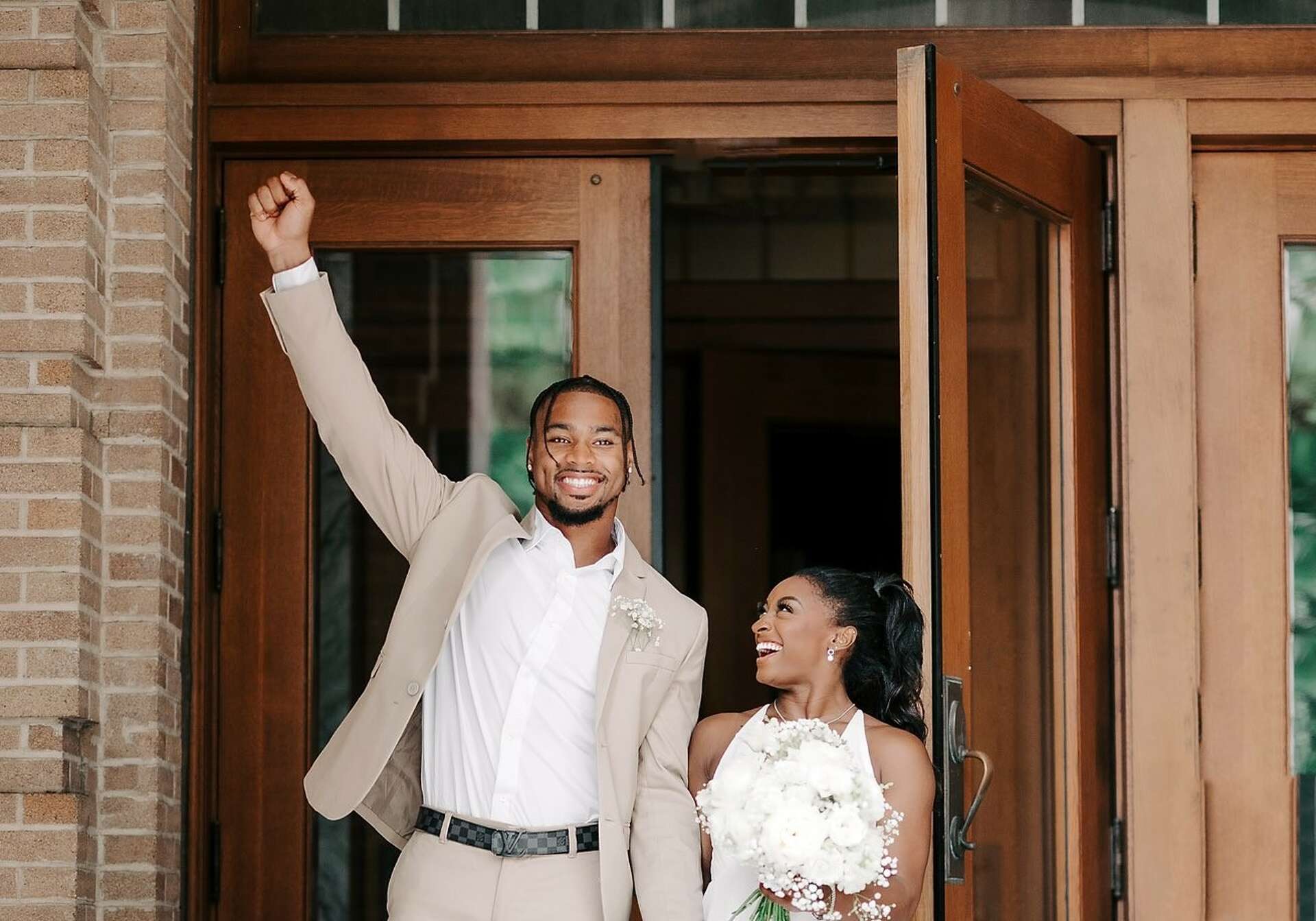
While the ceremony itself may be brief, the celebration does not have to end there. Couples who choose a courthouse wedding can opt for a variety of post-ceremony festivities. This can range from a romantic dinner for two at a fine dining establishment in a city like Austin or Dallas, to a casual gathering with close friends and family at a favorite local restaurant or even a backyard barbecue. Some couples choose to elope and then announce their marriage later, while others plan a larger reception at a later date to celebrate with a wider circle of loved ones. The flexibility of a courthouse wedding allows for a celebration that perfectly suits your style and budget.
Navigating Your New Marital Status
Legally marrying in Texas marks the beginning of a new chapter. The most immediate administrative task after obtaining certified copies of your marriage certificate is usually updating your name, if that is your intention. This process involves contacting various government agencies and private institutions. For example, you’ll need to inform the Social Security Administration, the Department of Public Safety (for your driver’s license or ID), the U.S. Postal Service, your employer, banks, credit card companies, and insurance providers. While this can seem daunting, approaching it systematically, with your certified marriage certificate in hand, makes it manageable. Many resources and guides are available online to help you navigate this administrative transition smoothly. Ultimately, a courthouse wedding in Texas is a pragmatic and heartfelt way to begin your married life together.
LifeOutOfTheBox is a participant in the Amazon Services LLC Associates Program, an affiliate advertising program designed to provide a means for sites to earn advertising fees by advertising and linking to Amazon.com. Amazon, the Amazon logo, AmazonSupply, and the AmazonSupply logo are trademarks of Amazon.com, Inc. or its affiliates. As an Amazon Associate we earn affiliate commissions from qualifying purchases.