
Navigating the process of obtaining a driver’s license in Texas as an adult over 18 years old is a straightforward yet detailed undertaking. While the Texas Department of Public Safety (DPS) oversees this process, understanding the specific requirements and steps involved can save you time and potential frustration. This guide aims to demystify the journey to getting your Texas driver’s license, ensuring you have all the necessary information before you head to your local driver’s license office.
Understanding the Texas Driver’s License Requirements for Adults
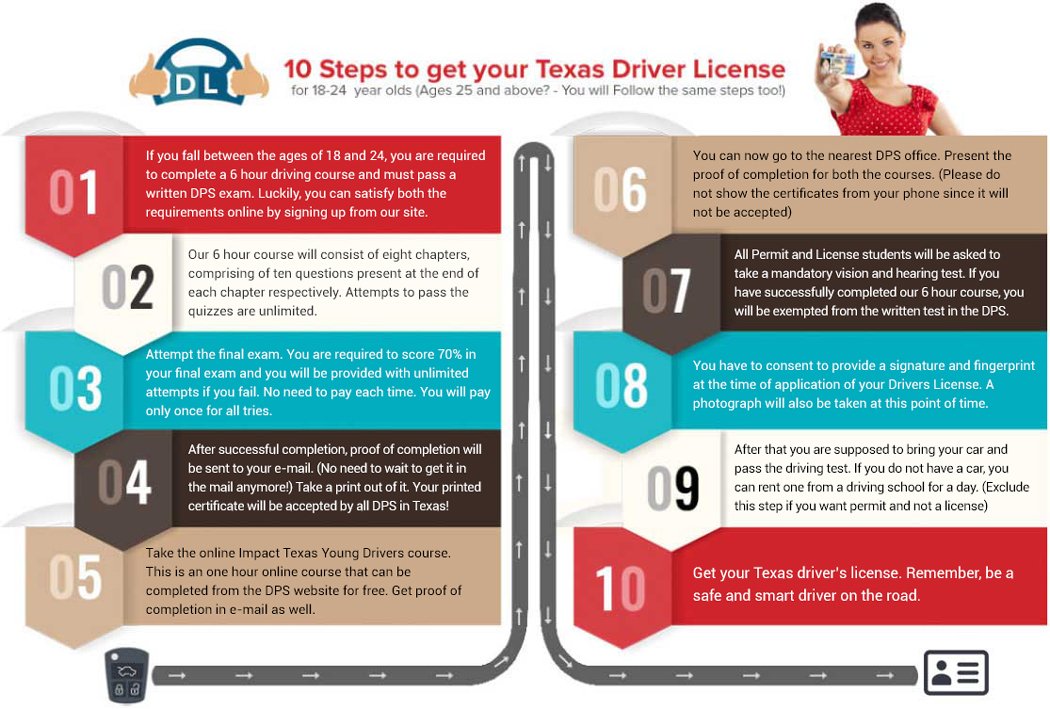
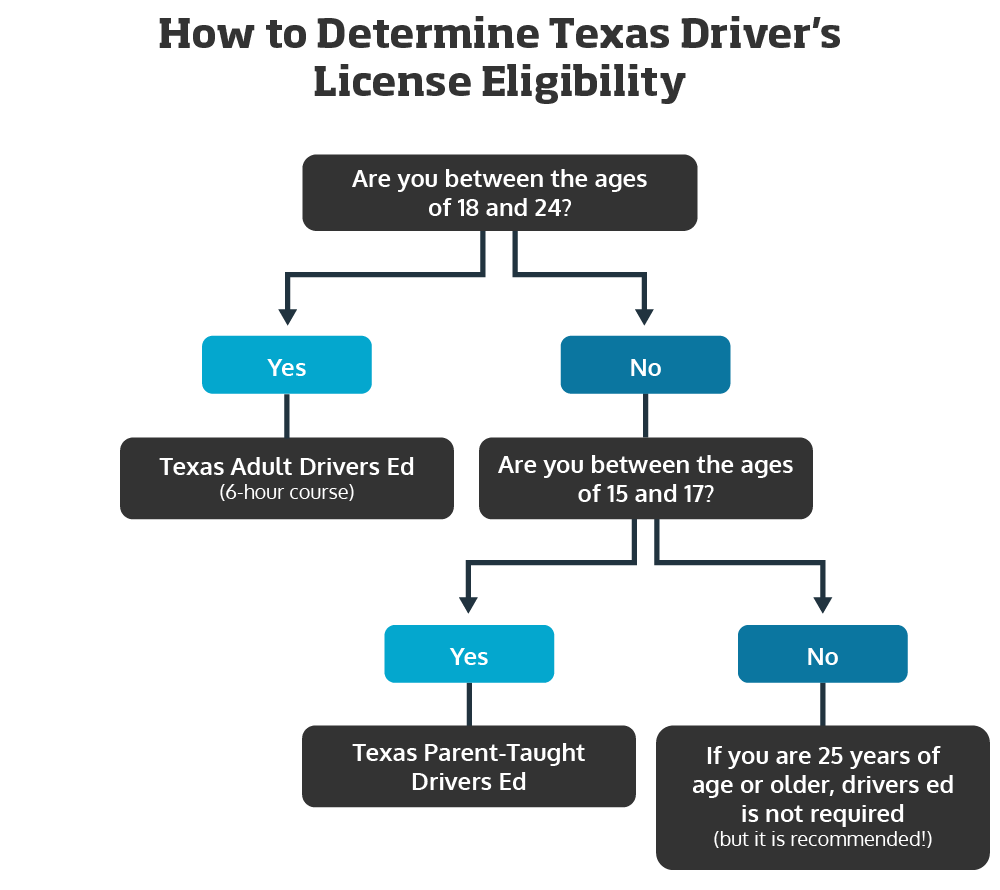
Texas has specific regulations for individuals aged 18 and older who are applying for their first driver’s license. Unlike minors who must complete a mandatory driver education program, adults have a slightly different, though equally important, set of prerequisites. The primary goal of these requirements is to ensure that all drivers on Texas roads are knowledgeable about traffic laws and capable of operating a vehicle safely.
Age and Residency Verification
The first crucial step is to establish your eligibility by proving you are at least 18 years of age and a legal resident of Texas. This requires presenting specific documentation. Acceptable forms of identification include a U.S. birth certificate, a U.S. passport, or a foreign passport with a valid U.S. visa and I-94. Proof of Texas residency can be demonstrated through utility bills, bank statements, or lease agreements in your name, with your current Texas address clearly visible. These documents are essential for verifying your identity and your commitment to residing in the state.
Social Security Number Verification
You will also need to provide proof of your Social Security number (SSN). This is typically done by presenting your Social Security card. In cases where the card is lost, other official documents that display your full SSN, such as W-2 forms or pay stubs, may be accepted. Ensuring your SSN is verifiable is a critical part of the application process.
Proof of Lawful Presence
For non-U.S. citizens, proof of lawful presence in the United States is a mandatory requirement. This can include your Certificate of Citizenship, Certificate of Naturalization, or a Permanent Resident Card. The Texas DPS will meticulously review these documents to confirm your legal status to obtain a Texas driver’s license.
The Driver Education Component for Adults
While adults over 18 are not required to complete the same extensive driver education courses as minors, they are still expected to demonstrate a thorough understanding of Texas traffic laws and safe driving practices. The state mandates specific steps to ensure this knowledge is acquired.
Impact Texas Teen Drivers (ITTD) Program
Even though you are over 18, if this is your first Texas driver’s license and you have never held a license from another state, you are required to complete the Impact Texas Teen Drivers (ITTD) program. This program is designed to educate new drivers on the dangers of distracted driving, including the risks associated with cell phone use and other distractions while behind the wheel. The ITTD program is a free, two-hour video course that can be completed online. Upon completion, you will receive a certificate, which is valid for 90 days. You must have this certificate when you take your driving test.
Knowledge Test Preparation
The knowledge test, often referred to as the written test, assesses your understanding of traffic signs, road rules, and safe driving practices as outlined in the official Texas Driver Handbook. It is highly recommended that you study the handbook thoroughly before attempting the test. The handbook is available online through the Texas DPS website and covers a comprehensive range of topics crucial for safe driving. Familiarizing yourself with the material will significantly increase your chances of passing on the first attempt.
The Application and Testing Process
Once you have gathered all your required documentation and completed the necessary preliminary steps, you are ready to proceed with the application and testing process at a Texas driver’s license office. This involves a series of assessments designed to evaluate your knowledge and driving skills.
Scheduling Your Appointment
Appointments are strongly encouraged for visiting a Texas driver’s license office. While some offices may accept walk-ins, wait times can be extensive. Scheduling an appointment online through the Texas DPS website ensures a more streamlined and efficient experience. Make sure to book your appointment at an office that offers the services you need, including driving tests if you plan to take it at the same location.
Completing the DL-44 Application Form
Before your appointment, you can often download and begin filling out the Driver License Application form (DL-44). This form requires detailed personal information, including your name, address, date of birth, and answers to questions about your driving history and any medical conditions that might affect your ability to drive. Having this form partially completed can expedite the process at the office.
The Vision Test
Upon arrival at the driver’s license office, you will first undergo a vision screening. This test ensures that your eyesight meets the minimum requirements for safe driving. If you wear corrective lenses, such as glasses or contact lenses, make sure to bring them with you to the appointment. You will be tested with and without your corrective lenses.
The Knowledge Test
Following the vision test, you will take the knowledge test. This is a multiple-choice exam that typically consists of 30 questions. You must answer at least 21 questions correctly to pass. As mentioned earlier, diligent study of the Texas Driver Handbook is the key to success on this test. If you do not pass the knowledge test, you will have the opportunity to retake it after a specified waiting period, usually after a few days.
The Driving Test (Road Test)
The final step in the testing process is the driving test, also known as the road test. This practical assessment evaluates your ability to operate a vehicle safely and competently in real-world driving conditions. You will need to bring a registered and insured vehicle for the test. The examiner will assess your skills in areas such as parking, lane changes, following traffic signals, and general vehicle control.
Key elements commonly assessed during the road test include:
- Pre-drive checks: Ensuring you know how to check your mirrors, adjust your seat, and buckle your seatbelt.
- Basic maneuvers: Demonstrating control over starting, stopping, and steering.
- Lane changes and turning: Executing safe and legal lane changes and turns, including proper signaling.
- Following distance: Maintaining a safe distance from other vehicles.
- Speed control: Adjusting your speed appropriately for conditions and posted limits.
- Observation: Continuously checking mirrors and blind spots.
- Parking: Executing various parking maneuvers, such as parallel parking or backing into a parking space.
- Responding to traffic situations: Reacting appropriately to traffic lights, stop signs, and other vehicles.
To pass the driving test, you must demonstrate a consistent ability to operate the vehicle safely and follow all traffic laws. Minor errors may be overlooked, but critical mistakes that compromise safety will result in failure. If you fail the driving test, you will need to schedule another appointment for a retest.
Receiving Your Texas Driver’s License
Upon successfully passing all required tests and submitting all necessary documentation, you will be issued a temporary driver’s license. This temporary document is typically valid for 90 days and serves as your proof of license while your permanent plastic card is being processed and mailed to your address.
Provisional License vs. Full License
For adults over 18, the Texas DPS issues a provisional license for the first time an individual obtains a driver’s license in the state. This provisional license has specific restrictions, though generally less stringent than those for minors. It is crucial to be aware of these restrictions to ensure compliance. After a certain period of holding the provisional license without any violations, you may be eligible to upgrade to a full, unrestricted driver’s license.
What to Expect with Your Provisional License
The provisional license is a step towards full driving privileges. While it allows you to operate a vehicle independently, it’s important to understand any limitations that may apply. For drivers under 25, Texas has additional requirements, but for those over 18 and potentially applying for their very first license ever, the primary focus is on demonstrating competency and adherence to rules. Always carry your provisional license and any other required identification when driving.

Obtaining Your Permanent License
Your permanent Texas driver’s license will be mailed to the address you provided on your application. The processing time can vary, but it typically takes a few weeks. If you do not receive your permanent license within the expected timeframe, you should contact the Texas DPS customer service for assistance. Once you receive your permanent license, it will be valid for a set period, usually eight years for adults, and will require renewal thereafter.
By understanding and following these steps, obtaining your Texas driver’s license as an adult over 18 becomes an achievable goal. Preparation, attention to detail with documentation, and diligent study are your greatest allies in this process.
LifeOutOfTheBox is a participant in the Amazon Services LLC Associates Program, an affiliate advertising program designed to provide a means for sites to earn advertising fees by advertising and linking to Amazon.com. Amazon, the Amazon logo, AmazonSupply, and the AmazonSupply logo are trademarks of Amazon.com, Inc. or its affiliates. As an Amazon Associate we earn affiliate commissions from qualifying purchases.