
Owning property in California is a significant investment and a defining aspect of one’s lifestyle, whether it’s a primary residence, a vacation home, or an income-generating asset. Understanding how property tax is determined is crucial for effective financial planning and maintaining a sustainable lifestyle within the Golden State. Unlike many other states, California’s property tax system is unique, largely shaped by the landmark Proposition 13, which profoundly influences how taxes are assessed and evolve over time.
Understanding California’s Prop 13: A Cornerstone of Residential Lifestyle
At the heart of California’s property tax system lies Proposition 13, passed by voters in 1978. This constitutional amendment fundamentally altered how real estate is assessed and taxed, creating a system that significantly benefits long-term property owners and plays a pivotal role in the financial planning of a California lifestyle.
The Acquisition Value Principle
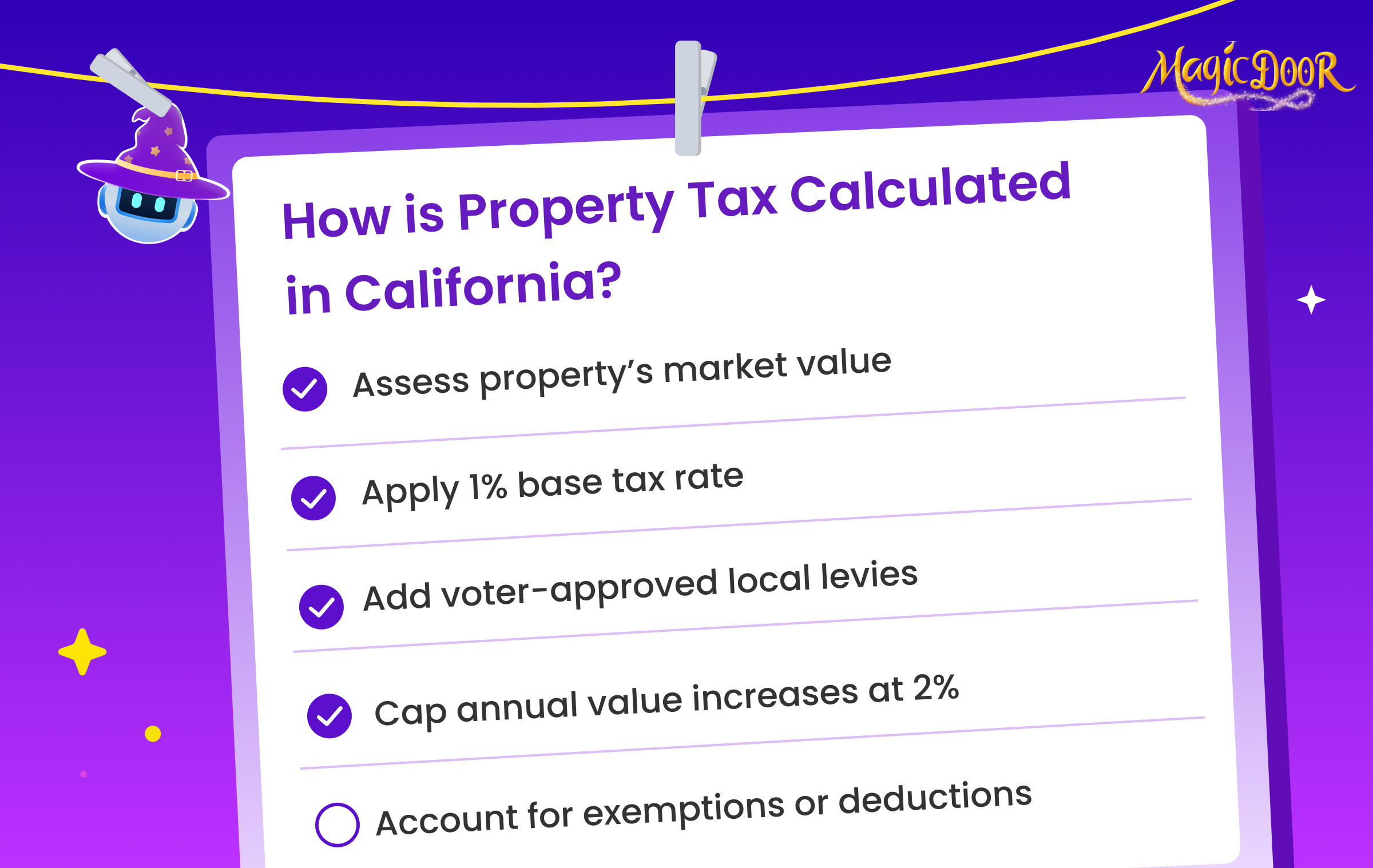
Proposition 13 established an “acquisition value” system, meaning that a property’s taxable value is based on its purchase price or the value at which it was last assessed. This “base year value” is the foundation of your property tax bill. For properties purchased after 1975, the initial base year value is typically the fair market value at the time of transfer or completion of new construction. This differs significantly from states that reassess property values based on current market rates every few years, regardless of when it was purchased. For homeowners, this means a predictable tax burden that doesn’t fluctuate wildly with market booms, providing stability for their lifestyle budget.
Annual Inflationary Adjustments
While the base year value is fixed, it is not entirely static. Proposition 13 allows for annual increases to the base year value by an inflation factor, capped at a maximum of 2% per year. This adjustment is tied to the California Consumer Price Index. Even if your property’s market value skyrockets by 10% or more in a year, your taxable value can only increase by a maximum of 2%, providing substantial long-term tax savings for homeowners who remain in their properties for many years. This cap is a major component in fostering a stable, long-term homeowner lifestyle in high-value areas like Los Angeles County or San Francisco.
Factors Influencing Your Tax Bill and Lifestyle Budget
Beyond the base year value and the 2% cap, several other factors contribute to the total property tax bill, each impacting a homeowner’s financial lifestyle and planning.
Base Year Value and Reassessment Triggers
A property’s base year value can be reassessed, leading to a new, higher tax bill, under specific circumstances:
- Change in Ownership: When a property is sold or transferred, its base year value is typically reassessed to the new market value at the time of sale. This is why new homeowners often face significantly higher property tax bills than the previous long-term owners.
- New Construction: Substantial new construction (e.g., adding a room, a second unit, or building a new home) can trigger a reassessment of the newly constructed portion or, in some cases, the entire property. Minor repairs or replacements (like re-roofing) generally do not trigger reassessment.
- Proposition 19: Passed in 2020, Proposition 19 brought significant changes, particularly regarding intergenerational transfers. While it allows homeowners aged 55+, or those severely disabled or wildfire victims, to transfer their existing Proposition 13 base year value to a replacement home anywhere in California, it also largely eliminated the ability to transfer a low base year value to children or grandchildren unless the property continues to be used as their primary residence. This has considerable implications for family wealth transfer and inheritance planning, directly affecting the lifestyle options of future generations.
Local Tax Rates and Mello-Roos Fees
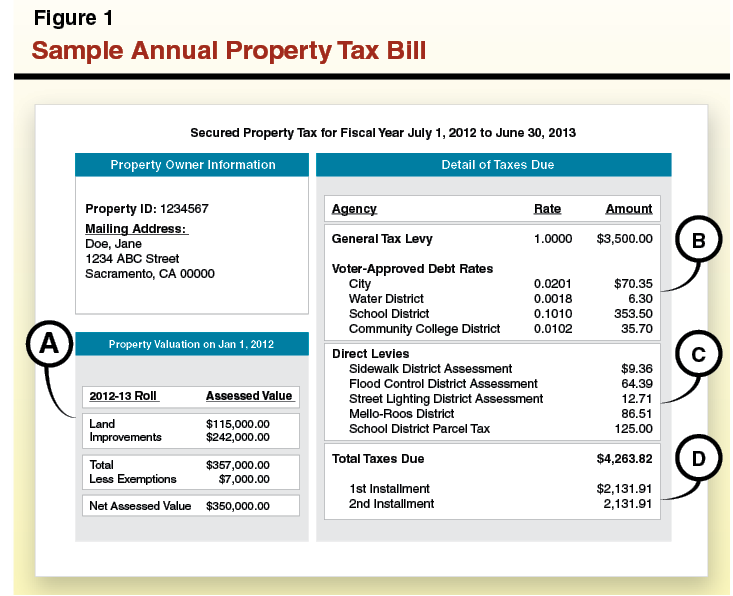
The actual property tax rate applied to your assessed value is not solely state-mandated. While Proposition 13 set a statewide general tax levy of 1% of the assessed value, local jurisdictions can add additional charges.
- Voter-Approved Bonds and Special Assessments: Local communities, such as cities and counties (e.g., San Diego County or Orange County), and special districts often pass bonds for specific projects like schools, parks, or infrastructure improvements. These bonds are funded by additional property tax levies, which are added to the 1% base rate.
- Mello-Roos Community Facilities Districts: Many newer developments in California are located within Mello-Roos Community Facilities Districts. These districts levy special taxes on properties to finance public facilities and services, such as schools, roads, water, sewer, and police protection. Mello-Roos taxes are not capped by Proposition 13’s 2% annual increase and can add thousands of dollars to an annual tax bill, significantly impacting the cost of living and the financial viability of a lifestyle in these areas.
Exemptions and Relief Programs
California offers several exemptions and relief programs that can reduce a homeowner’s property tax burden, directly impacting their disposable income and lifestyle choices.
- Homeowners’ Exemption: The most common exemption, available for homeowners who occupy their property as their principal residence. It reduces the assessed value by $7,000, which translates to an annual tax saving of approximately $70. While seemingly modest, this regular saving is a welcome relief for many.
- Disabled Veterans’ Exemption: A more substantial exemption for eligible disabled veterans and their spouses, which can significantly reduce the assessed value, offering substantial financial relief.
- Disaster Relief: Property owners whose homes are damaged or destroyed by natural disasters may be eligible for property tax relief, ensuring that unforeseen circumstances do not completely derail their financial stability and ability to rebuild their lifestyle.
- Senior and Disabled Persons’ Property Tax Postponement Program: This program allows eligible low-income seniors and disabled individuals to postpone payment of property taxes on their primary residence. While not an exemption, it provides critical liquidity, allowing them to maintain their lifestyle without the immediate burden of property tax payments.

Navigating the Assessment Process as a California Property Owner
Understanding the procedural aspects of property tax assessment is key to being an informed California property owner and confidently managing your financial lifestyle.
The Role of the County Assessor
Each of California’s 58 counties has an Assessor’s Office responsible for determining the assessed value of properties within its jurisdiction. The Assessor identifies all taxable property, establishes its fair market value (for new acquisitions or construction), applies Proposition 13 limitations, and administers exemptions. They maintain assessment rolls, which are essentially lists of all taxable properties and their assessed values. Staying informed about your county’s assessor’s guidelines, whether in Riverside County or Santa Clara County, is a vital part of proactive property management.
Receiving Your Annual Tax Bill
Property tax bills in California are typically issued by the County Tax Collector, not the Assessor. They are generally mailed in the fall (around September/October) and are payable in two installments:
- First Installment: Due by November 1st, delinquent if not paid by December 10th.
- Second Installment: Due by February 1st, delinquent if not paid by April 10th.
Paying on time is crucial to avoid penalties, which can quickly add up and disrupt careful lifestyle budgeting.
Appealing Your Property Assessment
If a property owner believes their assessed value is incorrect, they have the right to appeal. This is particularly relevant for new property acquisitions where the initial market valuation might be disputed, or if a property’s market value has significantly declined below its Proposition 13 adjusted base year value (known as a “decline in value” or “Prop 8” reduction). Appeals must generally be filed with the County Assessment Appeals Board between July 2nd and November 30th of the assessment year. Successfully appealing an assessment can lead to significant tax savings, directly impacting the long-term affordability and viability of one’s chosen lifestyle.
Strategic Lifestyle Planning: Property Tax Implications
Understanding California property taxes is not merely about paying bills; it’s about strategic lifestyle and financial planning.
Long-Term Ownership and Wealth Building
Proposition 13 significantly incentivizes long-term property ownership. The 2% cap on annual increases means that after many years, a long-term owner’s property tax burden will be considerably lower, relative to market value, than that of a new buyer. This benefit contributes to wealth building and allows homeowners to allocate more of their income to other aspects of their California lifestyle, whether it’s travel, retirement savings, or home improvements.
Impact on Buying and Selling Decisions
For prospective buyers, understanding the property tax implications is vital. A property’s historical tax bill can be misleading; the new owner will face taxes based on the current purchase price. Factoring the projected annual tax bill, including any Mello-Roos or special assessments, into the overall budget is critical for making informed buying decisions and ensuring the new property aligns with their financial lifestyle goals. Similarly, sellers should be aware of how the property tax reset might affect potential buyers’ affordability calculations.
Estate Planning and Intergenerational Transfers
The changes introduced by Proposition 19 have made property tax considerations central to estate planning. While the ability to transfer a low base year value to a replacement home benefits qualifying seniors and disabled persons, the restrictions on parent-child transfers mean that inherited properties often trigger a reassessment to current market value, unless the child uses it as their primary residence. This can lead to a substantial increase in property taxes for beneficiaries, potentially making inherited homes unaffordable and forcing sales that might not have been necessary under the old rules. Strategic estate planning is now more crucial than ever to preserve family wealth and property within the context of California’s unique tax landscape, ensuring that family legacies and desired lifestyles can continue across generations.
In conclusion, property tax determination in California is a complex yet stable system, largely thanks to Proposition 13. For anyone living or planning to live in California, understanding these nuances is essential for responsible financial management, sound investment decisions, and ultimately, building and sustaining the desired lifestyle in this vibrant state.
LifeOutOfTheBox is a participant in the Amazon Services LLC Associates Program, an affiliate advertising program designed to provide a means for sites to earn advertising fees by advertising and linking to Amazon.com. Amazon, the Amazon logo, AmazonSupply, and the AmazonSupply logo are trademarks of Amazon.com, Inc. or its affiliates. As an Amazon Associate we earn affiliate commissions from qualifying purchases.