
Unearthing your ancestry can be a rewarding journey, and in the state of Texas, a crucial piece of that puzzle might be a marriage record. These vital documents offer a window into familial connections, historical timelines, and personal narratives. Whether you are a genealogist meticulously tracing your lineage, a historian exploring social customs, or simply a curious individual seeking to understand your family’s past, knowing how to navigate the process of accessing marriage records in Texas is an invaluable skill. This guide will demystify the procedures, outline the various resources available, and provide practical tips to ensure your search is both efficient and successful.

Understanding Texas Marriage Records
In Texas, marriage records are generally considered public information, though access may be restricted in certain circumstances to protect the privacy of individuals involved. These records typically contain vital details such as the full names of both parties, their ages, dates and places of birth, the date and county of the marriage, and sometimes information about their parents. The authority responsible for maintaining these records can vary depending on the date of the marriage. For marriages that occurred from January 1, 1966, to the present, the Texas Department of State Health Services (DSHS) is the primary custodian of these records. For marriages that took place prior to January 1, 1966, the records are generally held at the county level, specifically with the County Clerk in the county where the marriage license was issued. This distinction is fundamental to your search strategy.
Types of Marriage Records
When you think of marriage records, you might immediately envision a marriage certificate. However, the process of obtaining a marriage involves several stages, and records can be found at different points.
- Marriage License Application: This is the document filed by the couple before they get married, signifying their intent to wed. It often contains similar information to the certificate but may also include details about residency and any prior marriages.
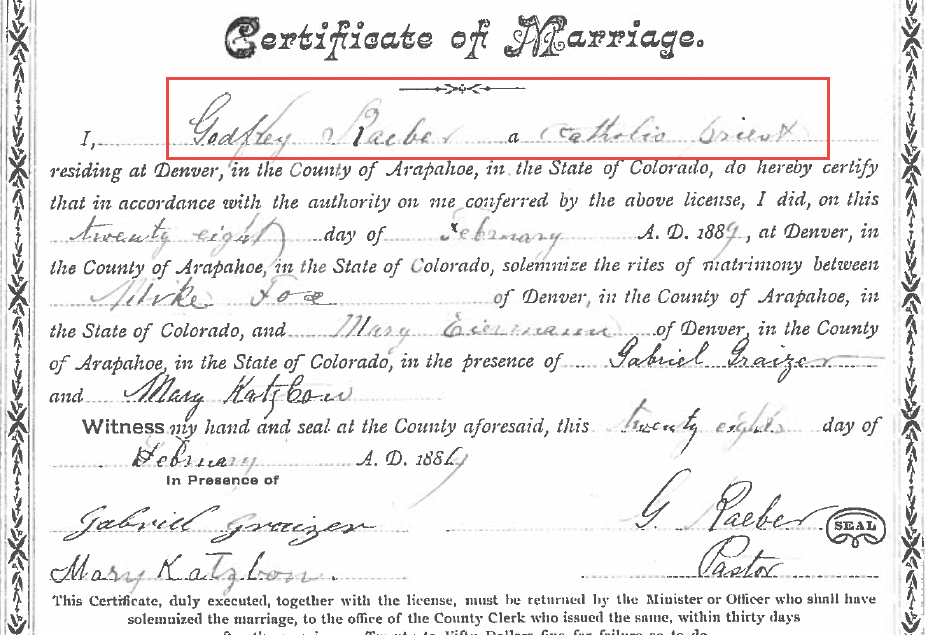
- Marriage Certificate: This is the official document issued after the marriage ceremony has taken place and has been legally recorded. It serves as proof of the marriage and is the most commonly sought-after record.
- Divorce Records: While not strictly marriage records, divorce records are intrinsically linked and may be necessary for genealogical research, especially if you are trying to understand marital histories. These are also typically held at the county level.
Legal Access and Restrictions
The Texas Vital Statistics Act governs access to vital records, including marriage records. Generally, certified copies of marriage certificates are available to the individuals named on the certificate, their parents, or their legal representatives. For genealogical purposes, access to older records is more open. However, it is crucial to be aware of any specific privacy protections that might be in place, especially for more recent marriages. The DSHS and county clerks have procedures to verify your relationship to the individual whose record you are requesting, particularly if you are seeking a certified copy for legal purposes.
Locating Marriage Records at the County Level
For marriages that occurred before January 1, 1966, your primary point of contact will be the County Clerk’s office in the county where the marriage license was issued. Texas has 254 counties, and each maintains its own historical records. This can present a significant challenge if you are unsure of the exact county of marriage.
Identifying the Correct County
If you have a strong suspicion about the county but are not certain, there are several strategies you can employ.
- Family Knowledge: The most direct approach is to consult with older family members. They may recall where a wedding took place or where the couple resided at the time.
- Other Vital Records: Birth certificates of children born to the couple, or death certificates of the individuals themselves, often list the parents’ marriage date and county. These can be valuable clues.
- Census Records: Federal census records, available through sites like the National Archives and subscription genealogy websites, can provide information about a couple’s residence at various points in time, which may help narrow down the county.
- Historical Societies and Libraries: Local historical societies and public libraries within Texas often have extensive collections of local records, including marriage indexes or even original documents.
Contacting the County Clerk
Once you have identified the likely county, the next step is to contact the County Clerk’s office. Many County Clerk offices have websites that provide information on how to request vital records.
- Online Searchable Indexes: Some counties offer online searchable indexes of their marriage records. This can be a quick way to determine if the record you are looking for exists within their archives.
- Mail-In Requests: If online indexes are not available, you will likely need to submit a written request by mail. This request should include as much detail as possible about the individuals and the marriage, such as their full names, approximate marriage date, and the county.
- In-Person Visits: For those who are physically able to travel, visiting the County Clerk’s office in person can sometimes expedite the process and allow you to search records directly. You may need to make an appointment.
- Fees: Be prepared for fees associated with searching and obtaining copies of records. These fees vary by county.
What to Include in Your Request
When submitting a request, whether by mail or online, ensure you provide:
- Full names of both parties at the time of marriage.
- Approximate date of marriage.
- The county where the marriage is believed to have occurred.
- Your relationship to the individuals (if applicable for certified copies).
- Your contact information.
Accessing Records from the Texas Department of State Health Services (DSHS)
For marriages that occurred from January 1, 1966, to the present, the Texas Department of State Health Services (DSHS) is the central repository. This consolidates records from across the state, making it a more streamlined process for recent marriages.

DSHS Online Resources
The DSHS website is the primary portal for accessing these records. They offer various ways to request and search for marriage certificates.
- Online Ordering System: The DSHS often has an online system where you can search for and order certified copies of marriage certificates. This is typically the most convenient method.
- Mail-In Request Forms: Downloadable request forms are usually available on the DSHS website. These forms should be completed thoroughly and mailed with the required payment and documentation.
- Fees and Processing Times: Like county offices, the DSHS charges fees for certified copies and has specific processing times, which can vary based on the volume of requests. It is advisable to check their website for the most current fee schedule and estimated turnaround times.
Requirements for Ordering from DSHS
To order a marriage certificate from the DSHS, you will generally need to provide:
- Full names of both parties (including maiden names if applicable).
- Date of marriage.
- County of marriage.
- Your relationship to the registrant and your reason for the request.
- A copy of your valid government-issued photo identification.
- The required fee.
Genealogical vs. Certified Copies
It is important to distinguish between a “certified copy” and a “genealogical copy” or “informational copy.” Certified copies are official documents suitable for legal purposes and often require a closer relationship to the individuals. Genealogical copies might be available for older records and may contain less identifying information or be marked as “informational only.” For genealogical research, an informational copy can still be highly valuable, providing the necessary dates and names without the stringent identity verification required for certified copies. Always clarify what type of copy you are requesting and what your intended use is.
Tips for a Successful Search
Navigating the landscape of vital records can sometimes feel like a treasure hunt. Here are some tips to make your search for Texas marriage records more effective:
Be Prepared for Variations in Information
Names can be misspelled, nicknames can be used, and dates might be slightly off. Be flexible in your search criteria. If an initial search yields no results, try variations of names, different date ranges, or slightly different spellings.
Utilize Genealogy Websites and Databases
Subscription-based genealogy websites such as Ancestry.com, FamilySearch (which is free), and others often have indexed marriage records from Texas. These databases can be a fantastic starting point and may even link you directly to digitized images of original records. FamilySearch is particularly useful as it is a collaborative effort and often has extensive collections of microfilmed and digitized records.
Check Adjacent Counties
If you have a strong indication of the county where the marriage occurred but are having trouble finding the record, consider searching the records of adjacent counties. Couples may have traveled to a neighboring county to obtain a license or have the ceremony performed, especially in more rural areas.
Document Your Findings
Keep meticulous records of your search. Note down the sources you have checked, the information you found (or didn’t find), the dates you made requests, and any correspondence you have with record custodians. This organized approach will prevent you from duplicating efforts and help you track your progress.
Understand Privacy Laws
Remember that privacy laws protect recent vital records. If you are researching a marriage that occurred within the last 50-75 years (the exact period can vary by state and record type), you may encounter restrictions on who can access certified copies. Informational copies might still be available, but be prepared for potential limitations.
Consider Professional Assistance
If you have exhausted your own resources or are facing significant roadblocks, consider hiring a professional genealogist or a local researcher in Texas. They have specialized knowledge of record repositories and search strategies that can be invaluable for complex cases.
By understanding the structure of record-keeping in Texas, utilizing the available resources at both the county and state levels, and employing a systematic approach, you can successfully uncover the marriage records that hold the key to your family’s history. Each record is a story waiting to be told, and the pursuit of these documents is often as enriching as the information they contain.
LifeOutOfTheBox is a participant in the Amazon Services LLC Associates Program, an affiliate advertising program designed to provide a means for sites to earn advertising fees by advertising and linking to Amazon.com. Amazon, the Amazon logo, AmazonSupply, and the AmazonSupply logo are trademarks of Amazon.com, Inc. or its affiliates. As an Amazon Associate we earn affiliate commissions from qualifying purchases.