
Florida, renowned as the “Fishing Capital of the World,” draws anglers from across the globe to its pristine beaches, vast freshwater lakes, and abundant saltwater fisheries. Whether you’re casting a line from a pier in Key West, exploring the mangroves of the Everglades National Park, or venturing offshore for a deep-sea adventure, the Sunshine State offers unparalleled fishing experiences. However, before you pack your tackle box and head out, understanding Florida’s fishing license regulations is paramount. Navigating these rules ensures a seamless and enjoyable angling trip, preventing potential fines and allowing you to fully immerse yourself in the pursuit of your next catch. This guide aims to demystify Florida’s fishing license requirements, outlining who needs one, the various types available, and essential considerations for both residents and visitors.
Understanding Florida’s Fishing License Framework
The Florida Fish and Wildlife Conservation Commission (FWC) is the governing body responsible for managing Florida’s diverse fish populations and enforcing fishing regulations. Their primary objective is to ensure the sustainability of these resources for future generations while providing regulated recreational opportunities. At its core, the requirement for a fishing license hinges on an individual’s age and the type of fishing they intend to pursue.
Age Requirements and Exemptions
Generally, anyone 16 years of age or older is required to possess a valid Florida fishing license when fishing in freshwater or saltwater. This applies whether you are fishing from the shore, a boat, or a public pier. However, there are several key exemptions to this rule that are crucial for anglers to be aware of:
- Children Under 16: Individuals younger than 16 years old are not required to have a fishing license. They can fish under the supervision of a licensed adult.
- Seniors (Age 65 and Older): Florida residents who are 65 years of age or older can obtain a discounted resident fishing license. For those who have been Florida residents for more than 30 consecutive days, a Gold Sportsman’s License can be purchased, which covers freshwater and saltwater fishing, hunting, and even includes a wildlife management area permit. Permanent Florida residents 65 and older can also get a “Permanent Florida Resident” license.
- Active Duty Military Personnel: Florida offers free licenses for active duty members of the U.S. Armed Forces who are stationed in Florida or are residents of Florida. They must possess valid identification.
- Certain Disability Exemptions: Florida offers specific license exemptions for individuals with certain disabilities, which are detailed on the FWC website. These often require proof of disability and residency.
- Fishing from Licensed Charter Vessels: If you are fishing on a licensed charter boat or a professionally operated vessel that already possesses a valid charter license, you may be covered by the vessel’s license. However, it is always best to confirm with the captain or operator beforehand, as there can be nuances to this exemption, particularly if you are targeting specific species or fishing in certain areas. The charter license typically covers recreational fishing for its passengers, but it’s wise to verify the scope.
- Fishing in Private Ponds: If you are fishing in a private pond on your own property, and the pond is not stocked by the state, you generally do not need a fishing license. This exemption does not apply to ponds on private property that are accessible to the public or are part of a larger managed area.
- “Fishing for Fun” License: For those who primarily practice catch-and-release fishing, there’s a special “Fishing for Fun” license that can be purchased. This license allows the holder to catch and release fish and does not require a federal stamp.
Resident vs. Non-Resident Licenses
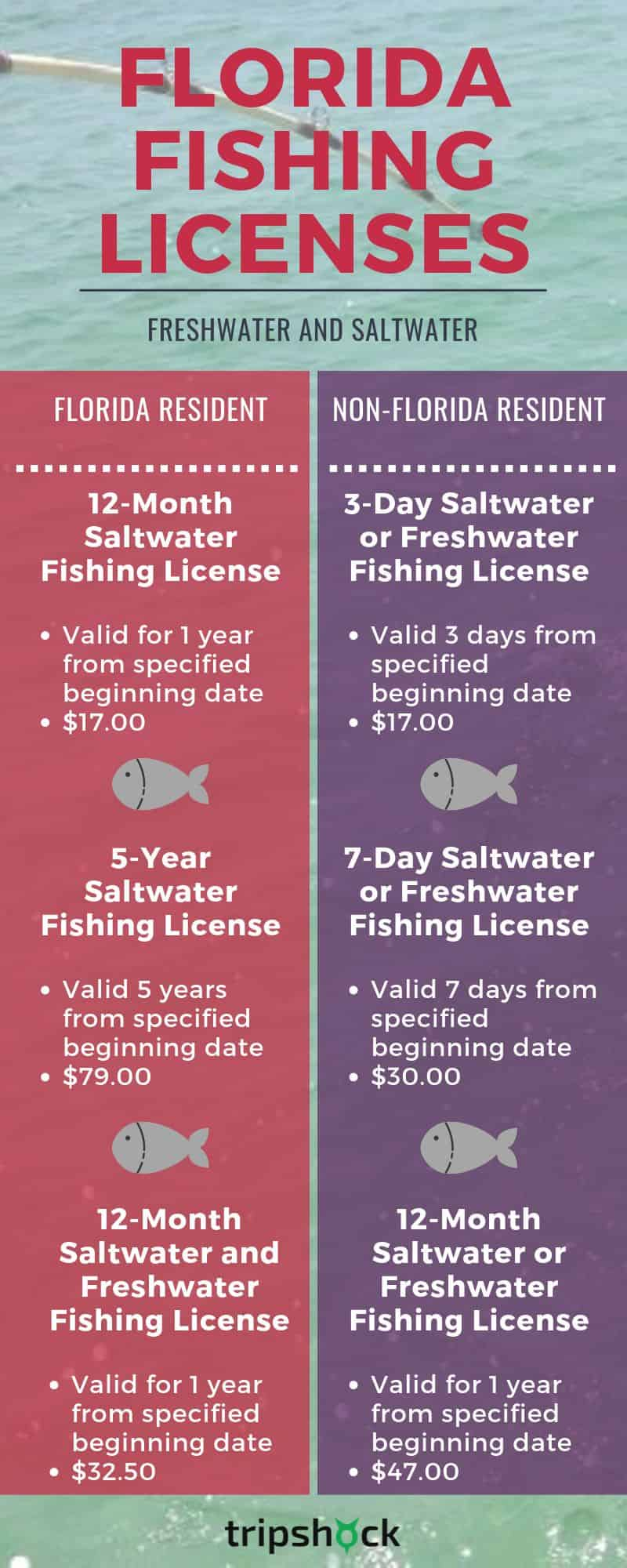
Florida differentiates between resident and non-resident fishing licenses. To qualify for a resident license, you must have resided in Florida for at least six consecutive months prior to purchasing the license. Proof of residency, such as a valid Florida driver’s license, Florida identification card, or voter registration, is typically required. Non-residents will pay a higher fee for equivalent licenses, reflecting the state’s resource management efforts.
Types of Fishing Licenses in Florida
Florida offers a variety of fishing licenses tailored to different needs and fishing preferences. Understanding these options ensures you purchase the most appropriate and cost-effective license for your planned activities.
Freshwater vs. Saltwater Licenses
The fundamental distinction in Florida fishing licenses is between freshwater and saltwater.
- Freshwater Fishing License: This license is required for anyone 16 or older fishing in lakes, rivers, streams, canals, and other inland bodies of freshwater. This includes popular fishing destinations like Lake Okeechobee and the numerous springs found throughout central Florida.
- Saltwater Fishing License: This license is necessary for individuals 16 years or older fishing in saltwater environments. This encompasses the Gulf of Mexico, the Atlantic Ocean, bays, estuaries, and tidal rivers where saltwater intrusion occurs. This is crucial for anglers targeting species like redfish, snook, tarpon, and various offshore game fish.
Combined Saltwater and Freshwater Licenses
For anglers who plan to fish in both freshwater and saltwater environments during their visit or throughout the year, a combined license offers convenience and potential cost savings.
- Saltwater/Freshwater Combination License: This single license covers fishing in both freshwater and saltwater bodies across the state. It’s an ideal choice for versatile anglers who want the freedom to explore all that Florida’s diverse fisheries have to offer.
Annual and Short-Term Licenses
Florida provides options for both annual and short-term fishing licenses to accommodate various durations of stay and fishing habits.
- Annual Licenses: These licenses are valid for one year from the date of purchase and are the most economical choice for residents or frequent visitors. They come in both resident and non-resident variations.
- Short-Term Licenses: For tourists or individuals who only plan to fish for a few days, Florida offers short-term licenses. These include:
- 3-Day Resident and Non-Resident Licenses: Perfect for a weekend getaway or a short fishing trip.
- 7-Day Resident and Non-Resident Licenses: Suitable for longer vacation stays.
Special Stamps and Permits
In addition to basic fishing licenses, certain species or fishing methods may require special stamps or permits. These fees contribute directly to the conservation and management of the specific species or habitats.
- Dolphin, Wahoo, and Kingfish (DWK) Stamp: Required for recreational anglers harvesting dolphin, wahoo, or king mackerel on board a vessel that has a commercial king mackerel or Spanish mackerel vessel permit.
- Crawfish Stamp: Necessary for taking crawfish (spiny lobster) in Florida’s waters.
- Tarpon, Snook, and Redfish (TSR) Permit: A special permit is required to possess tarpon, snook, or redfish. Even if you intend to release these fish, you must have the appropriate permit to be in lawful possession. This permit is often purchased in conjunction with a fishing license and contributes to the management and research of these highly sought-after species.
- Manatee County Fishing Stamp: If you are fishing in certain waters within Manatee County, a local stamp might be required in addition to your state fishing license. Always check local regulations for specific county requirements.
Where to Purchase Your Florida Fishing License
Obtaining a Florida fishing license is a straightforward process with several convenient options available:
Online Purchase
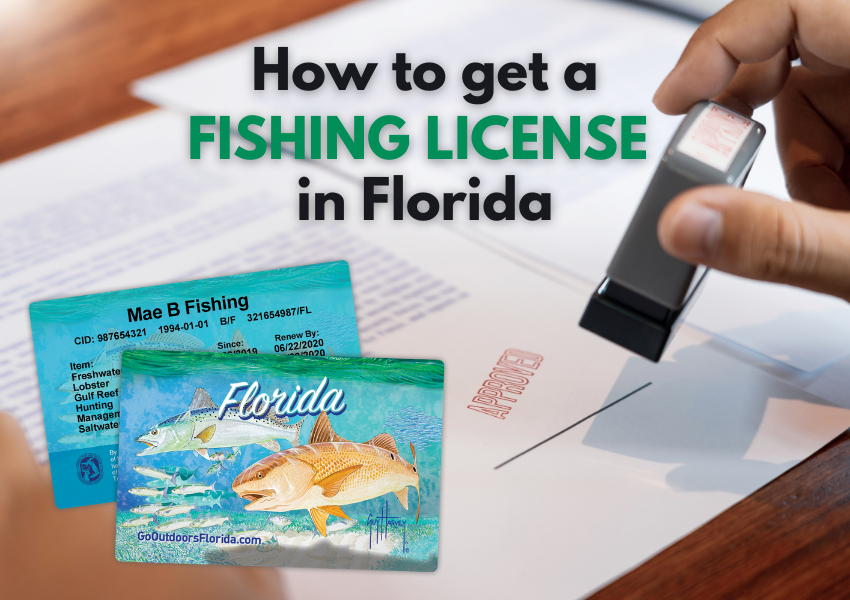
The most efficient method for purchasing a fishing license is through the official Florida Fish and Wildlife Conservation Commission website. The online portal is user-friendly and allows you to select the appropriate license, enter your details, and complete the transaction securely. Once purchased, you can print a temporary license or have it accessible on your mobile device.
In-Person Purchase
For those who prefer an in-person transaction, licenses can be bought at various authorized locations across Florida:
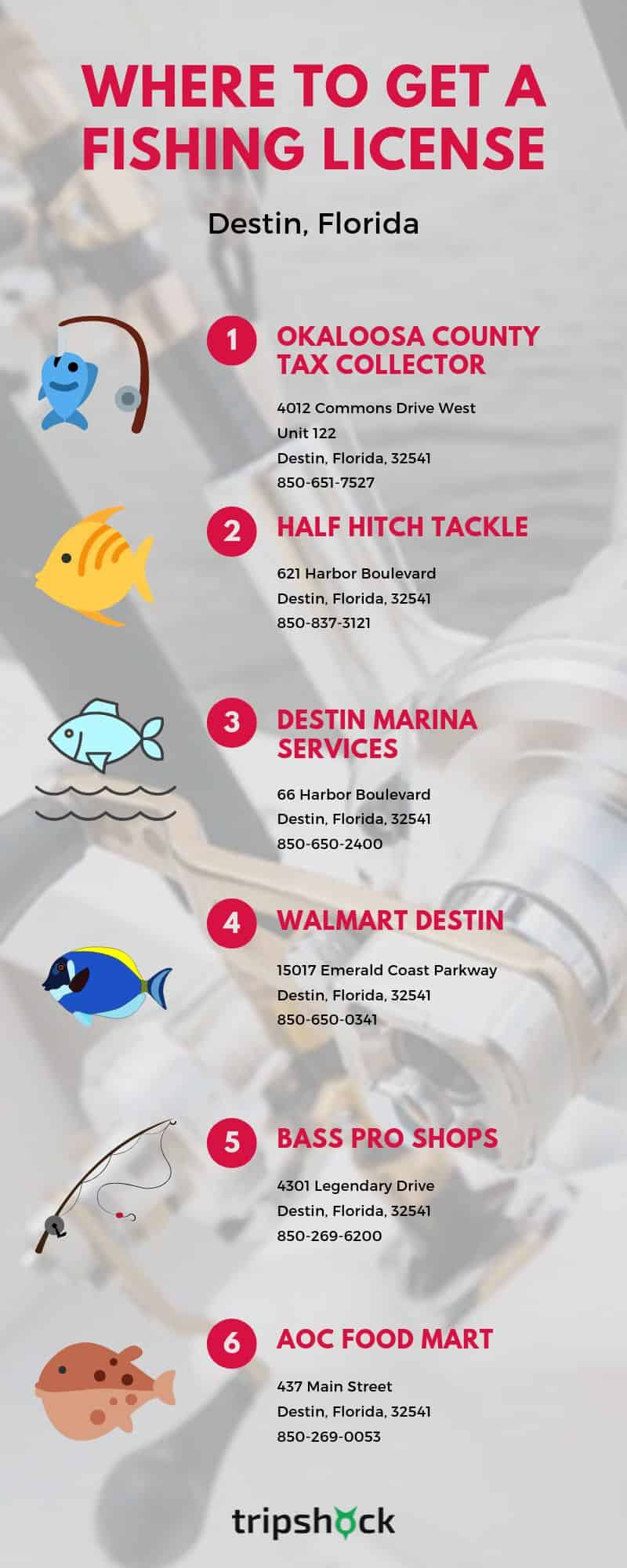
- County Tax Collector Offices: Most county tax collector offices are authorized to issue fishing licenses.
- Sporting Goods Stores: Many retailers that sell fishing equipment, such as Bass Pro Shops or Academy Sports + Outdoors, are authorized license vendors.
- Bait and Tackle Shops: Numerous local bait and tackle shops throughout Florida serve as license vendors, offering the added benefit of local fishing advice.
- Florida Parks: Some state parks may also offer fishing licenses for sale.
By Phone
You can also purchase a fishing license over the phone by calling the FWC’s licensing division. This can be a convenient option if you are already on your way to your fishing destination and need to secure your license quickly.
Essential Considerations for Anglers
Beyond understanding who needs a license, several other factors are crucial for a responsible and legal fishing experience in Florida.
Reciprocity Agreements
Florida has reciprocity agreements with some other states, meaning that residents of those states may be able to use their home state fishing license when fishing in Florida. However, these agreements are often limited and may not cover all types of fishing or all species. It is imperative to verify the specific terms of any reciprocity agreement with the FWC before relying on your out-of-state license.
Saltwater Fishing Regulations
Saltwater fishing in Florida is subject to a complex web of regulations, including size limits, bag limits, and seasonal closures for various species. These regulations are designed to protect fish populations and ensure sustainable harvesting. It is the angler’s responsibility to be aware of and adhere to these rules for every species they intend to keep. The FWC website provides comprehensive and up-to-date information on these regulations.
Freshwater Fishing Regulations
Similarly, freshwater fishing in Florida has its own set of rules, which can vary significantly depending on the body of water. Different lakes and rivers may have unique size, bag, and season regulations for specific fish species like bass, crappie, or catfish. Always consult the FWC’s freshwater fishing regulations guide for the specific area you plan to fish.
Striped Bass and Other Protected Species
Florida has specific regulations for certain species, such as striped bass, which have strict catch-and-release or no-possession rules in many areas to aid their recovery. Understanding these protected species is vital to avoid accidental violations.
Reporting Your Catch
For certain game fish, especially those targeted by the TSR permit, anglers may be required to report their catch to the FWC, even if released. This data is invaluable for scientific research and fisheries management. Familiarize yourself with any reporting requirements for the species you are pursuing.
Fishing with Children
As mentioned, children under 16 do not need a license. However, it’s an excellent opportunity for adults to introduce young ones to the joys of fishing. Teaching them about the regulations, responsible angling practices, and respect for the environment from an early age is a valuable lesson that fosters a lifelong appreciation for aquatic ecosystems.
Fishing Tournaments and Special Events
Participation in organized fishing tournaments may have specific licensing requirements or affiliations with the tournament organizer’s permits. Always check the rules and regulations of any tournament you plan to enter.
Understanding the “No License” Areas
While most of Florida’s waters require a license for anglers 16 and older, there are a few exceptions. For example, fishing from a licensed fishing pier may, in some cases, be covered by the pier’s blanket license, though this is not universal. Always confirm with the pier management. Similarly, the exemption for fishing in private ponds has specific criteria. When in doubt, it is always best to err on the side of caution and obtain the necessary license.
In conclusion, a Florida fishing license is a key component of a responsible and legal angling experience. Whether you are a seasoned angler or a curious beginner, understanding the requirements, exemptions, and available license types ensures you can fully enjoy the incredible fishing opportunities Florida has to offer. By obtaining the correct license and adhering to the regulations, you contribute to the conservation of these precious natural resources and help maintain Florida’s status as a premier fishing destination for generations to come.
LifeOutOfTheBox is a participant in the Amazon Services LLC Associates Program, an affiliate advertising program designed to provide a means for sites to earn advertising fees by advertising and linking to Amazon.com. Amazon, the Amazon logo, AmazonSupply, and the AmazonSupply logo are trademarks of Amazon.com, Inc. or its affiliates. As an Amazon Associate we earn affiliate commissions from qualifying purchases.