
The question of “how many people live in New York City?” is more than just a demographic curiosity; it’s a fundamental aspect that shapes the very essence of the city. From the bustling streets of Manhattan to the diverse neighborhoods of Queens and Brooklyn, the sheer volume of its inhabitants influences everything from public transportation and housing markets to cultural trends and the city’s vibrant energy. Understanding the population of New York City provides crucial context for anyone planning a visit, considering a move, or simply seeking to grasp the magnitude of this global metropolis.

The Ever-Evolving Population Landscape
New York City is renowned for its constant flux, a dynamic urban organism that attracts people from all corners of the globe. Its population figures are not static; they are a reflection of complex economic forces, immigration patterns, and evolving lifestyle choices.
Official Census Data and Projections
The most authoritative source for population data is the decennial U.S. Census. According to the 2020 Census, the population of New York City stood at approximately 8,804,190 residents. This figure represents a slight decrease from the 2010 Census, a trend that has sparked considerable discussion and analysis among urban planners and demographers.
However, population figures are always estimates between census years. Various organizations and government agencies provide projections based on birth rates, death rates, and migration patterns. These projections often indicate a slight recovery or stabilization in population numbers in the years following the 2020 Census, particularly as the city rebounds from the impacts of the COVID-19 pandemic.
Factors Influencing Population Change
Several key factors contribute to the fluctuations in New York City‘s population:
- Economic Opportunities: As a global hub for finance, technology, arts, and culture, New York City continues to attract individuals seeking career advancement and specialized employment. The presence of major corporations and burgeoning industries creates a constant draw.
- Immigration: Historically, New York City has been a gateway for immigrants. While immigration patterns have shifted over the decades, the city remains a significant destination for people seeking new beginnings and opportunities. This diversity is a cornerstone of the city’s identity.
- Cost of Living: The high cost of housing and general living expenses in New York City is a significant factor that can influence population growth and retention. Many individuals and families find it challenging to afford the lifestyle they desire, leading some to seek more affordable alternatives in surrounding areas or other cities.
- Quality of Life and Urban Exodus: During periods of economic downturn or heightened urban challenges, there can be a tendency for some residents to relocate to suburban or rural areas. The COVID-19 pandemic, for instance, prompted a temporary but significant movement of people away from densely populated urban centers, a trend that New York City experienced to some degree.
- Birth and Death Rates: Like any population, the natural increase or decrease in New York City’s residents is influenced by birth and death rates. These rates are generally stable but contribute to the overall demographic shifts.
Population Distribution Across Boroughs
New York City is comprised of five distinct boroughs, each with its own unique character and population density. Understanding the distribution reveals the diverse fabric of the metropolis.
Manhattan: The Urban Core
Manhattan, the smallest borough by land area, is the most densely populated. It is the economic and cultural heart of the city, attracting millions of tourists and commuters daily. As of the 2020 Census, Manhattan (New York County) had a population of around 1.6 million people. Its high-rise buildings, iconic landmarks like the Empire State Building and Central Park, and vibrant neighborhoods contribute to its status as a global icon.
Brooklyn: The Most Populous Borough
Brooklyn consistently holds the title of the city’s most populous borough. With a diverse mix of residential neighborhoods, vibrant arts scenes, and a growing economic base, Brooklyn is home to over 2.7 million residents according to the 2020 Census. Neighborhoods like Williamsburg, Park Slope, and Dumbo are popular residential areas, attracting a wide demographic.
Queens: The Largest and Most Ethnically Diverse
Queens is the largest borough by land area and is renowned for its unparalleled ethnic and linguistic diversity. It is a melting pot of cultures, reflecting a truly global population. The 2020 Census recorded a population of over 2.4 million residents in Queens. Its diverse communities are represented in neighborhoods such as Flushing, Jackson Heights, and Astoria.
The Bronx: A Borough of Rich History and Culture
The Bronx, the only mainland borough, boasts a rich history and a vibrant cultural heritage, particularly in its contributions to hip-hop music. The 2020 Census counted approximately 1.4 million residents in the Bronx. It is characterized by its diverse neighborhoods, including Riverdale, Concourse, and City Island.
Staten Island: The “Borough of Homes”

Staten Island, often referred to as the “Borough of Homes,” offers a more suburban feel compared to its counterparts. While it has the smallest population among the five boroughs, with just over 490,000 residents according to the 2020 Census, it provides a unique residential experience with ample green space and a distinct community identity.
Implications of Population Size for Visitors and Residents
The sheer number of people living in New York City has profound implications for both its inhabitants and those who visit.
Navigating Crowds and Commuting
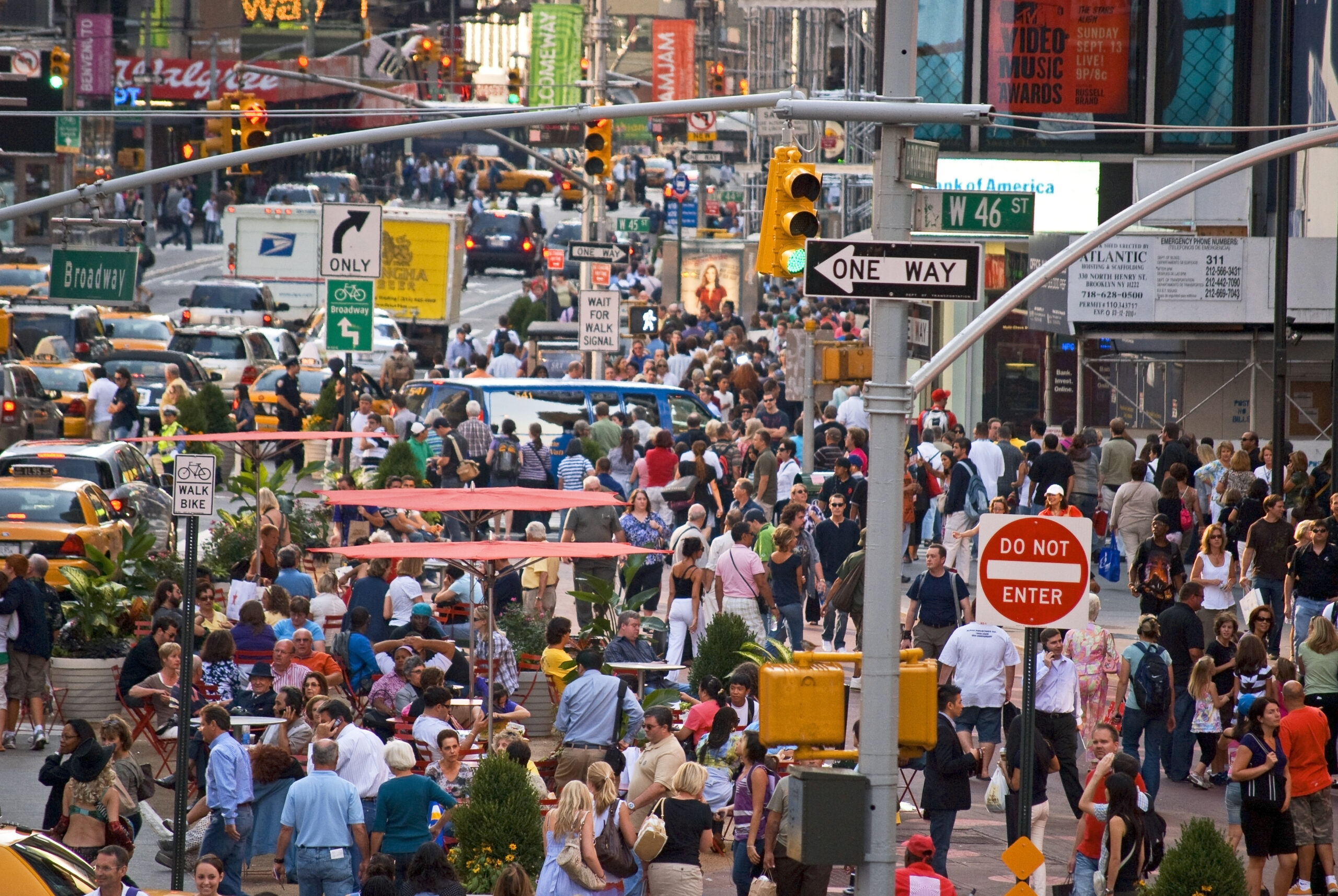
For tourists, understanding the population size is key to managing expectations regarding crowds. Popular attractions like Times Square, the Statue of Liberty, and museums such as the Metropolitan Museum of Art can experience significant visitor numbers, especially during peak seasons. Planning visits during off-peak hours or exploring less-crowded attractions can enhance the experience.
For residents, the large population translates into a complex and often challenging public transportation system. The Metropolitan Transportation Authority (MTA) operates an extensive network of subways and buses, but rush hour commutes can be lengthy and crowded. Understanding these dynamics is essential for efficient daily living.
The Vibrant Tapestry of Culture and Cuisine
The immense population is the engine behind New York City’s unparalleled cultural diversity. This translates into an incredible array of culinary experiences, from Michelin-starred restaurants to authentic ethnic eateries tucked away in various neighborhoods. The constant influx of people from different backgrounds ensures a dynamic and ever-evolving food scene.
Furthermore, the population fuels the city’s vibrant arts and entertainment landscape. World-class theaters on Broadway, countless art galleries, live music venues, and independent film screenings are all made possible by the passionate and diverse audience that calls New York City home.
Housing and Real Estate Dynamics
The high demand for housing, driven by a large and persistent population, significantly impacts the real estate market. New York City is known for its expensive housing, with rental and purchase prices often reaching astronomical figures, particularly in desirable neighborhoods. This affordability challenge is a constant consideration for both long-term residents and those considering a move to the city.
The types of housing available are as diverse as the population itself, ranging from luxury high-rise apartments in Manhattan and Brooklyn to more traditional brownstones and apartment buildings in other boroughs. The population density also influences the development of various housing models, including co-living spaces and micro-apartments, as developers seek to accommodate different needs and budgets.
Future Population Trends and Considerations
Looking ahead, the population of New York City is expected to remain a key subject of study and planning. Several trends will likely shape its future trajectory.
Demographic Shifts and Urban Planning
Demographers anticipate continued shifts in the age, ethnicity, and household composition of New York City’s population. Urban planners will need to adapt infrastructure, public services, and housing policies to meet the evolving needs of these demographic changes. This includes considerations for an aging population, growing numbers of single-person households, and the integration of new immigrant communities.
The Impact of Technology and Remote Work
The rise of remote work and the increasing reliance on technology may have a lasting impact on population distribution and commuting patterns. While New York City remains an attractive center for many industries, the flexibility offered by remote work could lead to a greater decentralization of the workforce, with some residents choosing to live further from the urban core or even in different regions while maintaining their employment in the city. This could influence the demand for housing in different areas and alter the daily commute dynamics.
Sustainability and Urban Resilience
As New York City continues to be a major global hub, its population size will undoubtedly be a factor in discussions about sustainability and urban resilience. Managing resources, reducing environmental impact, and ensuring the city’s ability to withstand challenges like climate change and public health crises are all intertwined with the sheer number of people who live, work, and visit. Sustainable transportation initiatives, green building practices, and robust emergency preparedness plans become increasingly crucial as the population remains substantial.
In conclusion, the number of people living in New York City is a dynamic and multifaceted aspect of its identity. It shapes its culture, economy, and daily life, offering both immense opportunities and significant challenges. Whether you are a curious traveler, a potential resident, or simply an admirer of this iconic metropolis, understanding its population is key to appreciating the full scope of its remarkable existence.
LifeOutOfTheBox is a participant in the Amazon Services LLC Associates Program, an affiliate advertising program designed to provide a means for sites to earn advertising fees by advertising and linking to Amazon.com. Amazon, the Amazon logo, AmazonSupply, and the AmazonSupply logo are trademarks of Amazon.com, Inc. or its affiliates. As an Amazon Associate we earn affiliate commissions from qualifying purchases.