
Navigating the landscape of health insurance can feel complex, particularly when considering specific state regulations. For those residing in or planning extended stays in the Lone Star State, a common question arises: is health insurance required in Texas? The answer, while seemingly straightforward, involves understanding federal mandates and the unique legislative environment of Texas. This exploration delves into the current requirements, historical context, and practical considerations for residents seeking health coverage in Texas, with a focus on how it impacts lifestyle and travel within the state.
The Federal Mandate and Its Texas Application
The question of health insurance requirements often traces back to federal legislation, specifically the Affordable Care Act (ACA), also known as “Obamacare.” The ACA, enacted in 2010, aimed to expand health insurance coverage and introduced an individual mandate, which required most Americans to have health insurance or pay a penalty. However, the landscape of this mandate has evolved significantly.

The Individual Mandate Penalty: A Shifting Landscape
At the federal level, the individual mandate penalty was effectively eliminated starting in 2019. This means that while the ACA still encourages individuals to have health insurance, there is no longer a federal tax penalty for not being insured. This change has led to a common misconception that health insurance is no longer required anywhere in the United States.
Texas and the Federal Mandate
Crucially, Texas does not have its own state-level individual mandate that imposes a penalty for being uninsured. Therefore, as of current federal law and Texas state law, there is no legal requirement for an individual to carry health insurance in Texas to avoid a state-imposed penalty. This applies to residents of all Texas cities, from the bustling streets of Dallas to the vibrant culture of Austin, and the historic charm of San Antonio.
This lack of a state mandate can be a point of discussion for many. Some may interpret this as a freedom to forgo insurance, while others emphasize the financial risks associated with being uninsured. Understanding the implications beyond just legal requirements is paramount for making informed decisions about personal well-being and financial security.
The Practicalities of Being Uninsured in Texas
While there might not be a legal obligation to carry health insurance in Texas, the practical consequences of remaining uninsured can be significant, especially when considering lifestyle choices such as travel or engaging in various activities across the state.
Medical Emergencies and Unexpected Costs
The most significant risk of not having health insurance is the potential for overwhelming medical debt. A sudden illness, an accident, or a serious injury can result in substantial medical bills. Without insurance, individuals are solely responsible for these costs, which can include emergency room visits, hospital stays, surgeries, and prescription medications. These expenses can quickly escalate, leading to financial ruin and impacting one’s ability to enjoy life’s experiences.
Consider a scenario where a tourist visiting the Alamo in San Antonio experiences a fall and requires immediate medical attention. The cost of an ambulance ride, emergency room assessment, and potential follow-up care can easily run into thousands of dollars, a burden that could be significantly mitigated by having health insurance. Similarly, a traveler enjoying the beaches of Galveston might face unexpected medical needs that would be far more manageable with a safety net of insurance coverage.
Access to Preventative Care and Routine Services
Health insurance is not just about covering emergencies; it also provides access to vital preventative care and routine medical services. These include annual check-ups, vaccinations, screenings for diseases like cancer and diabetes, and management of chronic conditions. Without insurance, individuals may delay or forgo these services, leading to potentially more serious health issues down the line that are costlier to treat and can impact overall quality of life and the ability to travel and explore.
Impact on Travel and Lifestyle in Texas
The decision to be uninsured in Texas can have a direct impact on one’s lifestyle, particularly concerning travel and recreational activities.

Staying Healthy on the Road
Texas offers a vast array of travel experiences, from the sprawling ranches of West Texas to the historic missions of South Texas, and the vibrant city life of Houston. While exploring these diverse destinations, health can be unpredictable. Having health insurance provides peace of mind, knowing that if a medical issue arises during a trip to Big Bend National Park or a weekend getaway to the Texas Hill Country, access to care is readily available, and the financial burden will be managed.
Engaging in Activities Without Worry
Many popular activities in Texas, such as hiking in the Palo Duro Canyon State Park, participating in rodeos, or enjoying water sports on Lake Travis, carry inherent risks of injury. While it’s important to take precautions, health insurance acts as a critical safeguard, allowing individuals to engage in these pursuits with less financial anxiety should an accident occur.
Employer-Sponsored Insurance and Marketplace Options
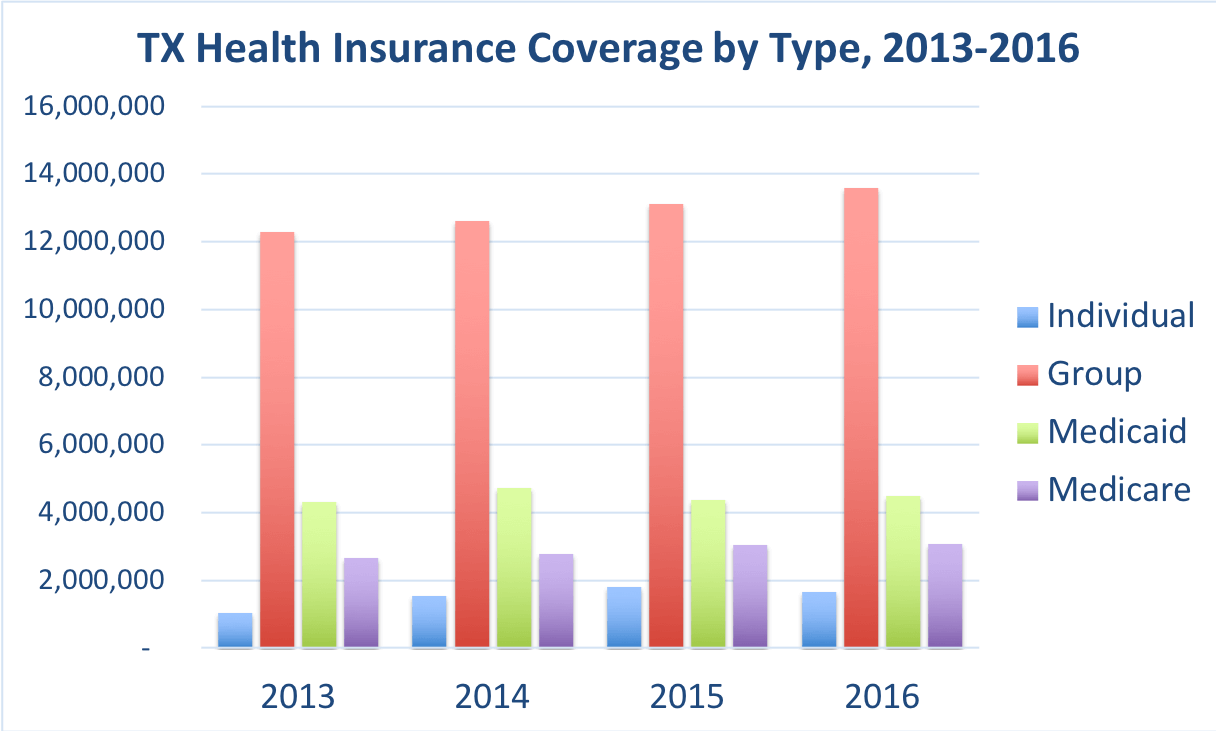
For many Texans, health insurance is obtained through an employer. Employer-sponsored health plans are a significant part of the insurance landscape and are often seen as a primary avenue for coverage. These plans typically offer a range of benefits and can be more affordable due to employer contributions.
For individuals who do not have access to employer-sponsored insurance, the Health Insurance Marketplace (established by the ACA) provides another avenue for obtaining coverage. Through the Marketplace, individuals can compare different health plans, understand their benefits, and may be eligible for financial assistance in the form of premium tax credits and cost-sharing reductions, making insurance more accessible and affordable.
Residents can explore plans that best suit their needs, considering factors such as deductibles, copayments, coinsurance, and provider networks. Choosing a plan that aligns with one’s health needs and budget is crucial for both everyday well-being and ensuring that travel and lifestyle activities are not hampered by potential medical expenses.
The Nuance of Other Health Coverage Requirements
While a universal individual mandate for health insurance doesn’t exist in Texas, there are specific situations and programs where health coverage is either required or implicitly necessary for participation or benefit.
Medicaid and Children’s Health Insurance Program (CHIP)
Programs like Medicaid and the Children’s Health Insurance Program (CHIP) provide health coverage to low-income individuals and families, including children. Eligibility for these programs is based on income and other factors. While not an “insurance requirement” in the same sense as an individual mandate, participation in these programs necessitates meeting eligibility criteria, which often include having a demonstrable need for health coverage.
Medicare for Seniors
Medicare is a federal health insurance program primarily for people aged 65 or older, as well as younger people with certain disabilities. Enrollment in Medicare is a significant life event for eligible individuals, and while not mandatory to enroll, it is a crucial form of health coverage for this demographic. Failure to enroll when first eligible can result in late enrollment penalties.
Specific Visa or Immigration Requirements
For individuals entering the United States on certain visas or seeking to immigrate, health insurance requirements might be a component of their application process. While Texas itself doesn’t impose these, federal immigration policies can necessitate proof of health coverage.
Conclusion: Informed Choices for Texans
In conclusion, the direct answer to whether health insurance is required in Texas is no, in terms of a state or federal mandate with penalties for non-compliance. However, this legal standing does not negate the profound importance of health insurance for maintaining financial security and enabling a full, active lifestyle. From exploring the vast natural beauty of Texas to enjoying its rich cultural tapestry, having adequate health coverage provides the peace of mind necessary to fully embrace all that the state has to offer.
The absence of a mandate presents an opportunity for individuals to make informed choices based on their personal circumstances, risk tolerance, and financial planning. Whether through employer-provided plans, the Health Insurance Marketplace, or other avenues, securing health insurance remains a cornerstone of responsible living and a critical enabler of the vibrant Texas lifestyle. It is an investment in one’s well-being, ensuring that the adventures and experiences across Texas can be pursued with confidence, knowing that unexpected health challenges are managed effectively.
LifeOutOfTheBox is a participant in the Amazon Services LLC Associates Program, an affiliate advertising program designed to provide a means for sites to earn advertising fees by advertising and linking to Amazon.com. Amazon, the Amazon logo, AmazonSupply, and the AmazonSupply logo are trademarks of Amazon.com, Inc. or its affiliates. As an Amazon Associate we earn affiliate commissions from qualifying purchases.