
Texas, a state synonymous with vast ranches, scorching summers, and a fierce independent spirit, might not be the first place that springs to mind when considering a winter wonderland. Yet, the Lone Star State, in its characteristic unpredictability, occasionally surprises even its most seasoned residents with a dusting of the white stuff. While not a commonplace occurrence like the balmy breezes of the Gulf Coast or the arid heat of the West Texas desert, snow in Texas is a phenomenon that evokes a unique blend of excitement, disruption, and shared experience. Understanding when and where this winter magic might appear, and how Texans navigate its arrival, offers a fascinating glimpse into the state’s diverse climate and its people’s resilient adaptability.

The Peculiarities of Texas Winter Weather
Texas experiences a wide range of climatic zones, from the subtropical humidity of the East Texas Piney Woods to the arid Chihuahuan Desert of West Texas. This geographical diversity directly influences its winter weather patterns. While South Texas often enjoys mild, spring-like conditions even in December and January, the northern and western parts of the state are more susceptible to cold fronts that can bring freezing temperatures and precipitation.
The key to understanding snow in Texas lies in the intersection of two critical weather elements: cold air and moisture. Arctic blasts, originating from the polar regions, can sweep down into Texas, often heralded by a sharp drop in temperature and a change in wind direction. If these cold air masses coincide with atmospheric moisture—often delivered by low-pressure systems or upper-level disturbances—the stage is set for winter precipitation.
Factors Influencing Snowfall
- Arctic Cold Fronts: These are the primary drivers of freezing temperatures. When a strong cold front pushes south, it can dramatically lower the mercury across large swaths of the state. The intensity and duration of these fronts are key determinants of whether temperatures will remain below freezing long enough for snow to form and accumulate.
- Moisture Availability: Cold air alone doesn’t produce snow. A sufficient supply of moisture in the atmosphere is crucial. This can come from systems developing in the Gulf of Mexico (though this is more common for rain) or from disturbances moving across the country from the Pacific. The timing of these moisture plumes relative to the arrival of cold air is paramount.
- Elevation and Latitude: Higher elevations and more northerly latitudes within Texas are naturally more prone to snowfall. The Texas Panhandle, for instance, with its higher average elevation and proximity to the Rocky Mountains’ influence, receives more consistent winter precipitation than the southern tip of the state.
The rarity of significant snowfall in many parts of Texas contributes to its unique impact. Unlike regions accustomed to regular winter conditions, Texan cities and towns may not have the infrastructure or experience to handle prolonged snow events, leading to a heightened sense of novelty and, at times, considerable disruption.
Where and When Does Snow Typically Fall?
While generalizations can be misleading, certain areas of Texas have a higher propensity for experiencing snow. The northern plains and the Texas Panhandle are the most frequent recipients of winter precipitation. Cities like Amarillo and Lubbock can see several inches of snow in an average winter.
Further south and east, snow becomes a less predictable and often more fleeting visitor. The Dallas-Fort Worth metroplex, while experiencing occasional snow, is more likely to see a trace amount or a brief flurry rather than a substantial accumulation. Even more southerly cities like Houston and San Antonio can witness snow, but these events are rare, often making national news when they do occur, and typically melt within hours.
Notable Snowfall Zones

- The Panhandle and North Texas: This region sees the most consistent snow. Winters here can be harsh, with temperatures frequently dipping below freezing and snow accumulating on the ground for days.
- Central Texas: Cities like Austin and Waco can experience winter storms that bring a mix of sleet, freezing rain, and sometimes snow. These events are often disruptive due to the lack of preparedness for icy conditions.
- East Texas: While closer to the Gulf, the higher elevations and piney woods of East Texas can sometimes catch enough cold air and moisture to produce light snow.
- South Texas: Snowfall in South Texas, including areas like Corpus Christi and the Rio Grande Valley, is exceptionally rare, making it a truly extraordinary event.
The timing of these events generally falls within the winter months, from late November through February. However, early season snows in late October or late-season snows in early March are not entirely unheard of, adding to the state’s weather mystique.
The Texan Reaction to Snowfall
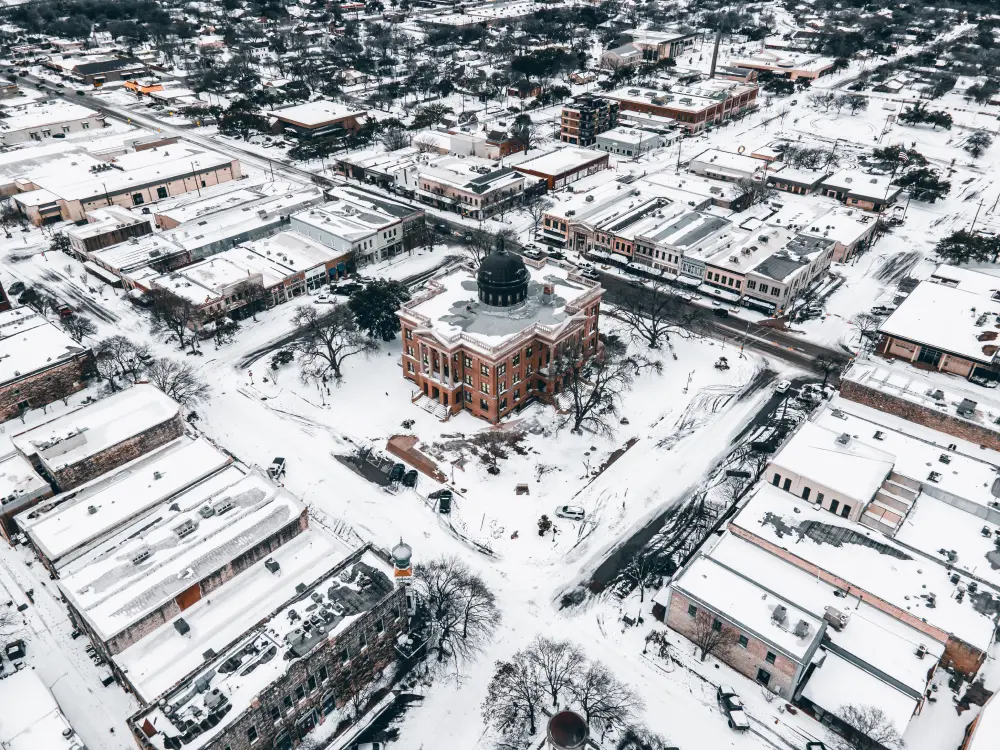
When snow does fall in Texas, the reaction is invariably a mixture of delight and mild chaos. For many, it’s a novelty, a chance to experience something unusual in their familiar environment. Children, in particular, revel in the opportunity for snow days, building snowmen (often with limited success given the quality of the snow), and enjoying the unexpected break from routine. Adults, too, find a certain charm in the transformation of the landscape, as familiar sights are temporarily blanketed in white.
However, this delight is often tempered by practical challenges. Texas infrastructure is largely designed for heat and occasional heavy rain, not for prolonged freezing temperatures or icy roads.
Navigating the White Blanket
- Transportation Disruptions: Roads can become treacherous, and driving conditions can deteriorate rapidly. Without the widespread use of salt or extensive snow-removal equipment common in colder climates, even a few inches of snow can bring traffic to a standstill. This often leads to school closures and delays for commuters.
- Power Outages: Deep freezes, coupled with increased demand for heating, can strain the Texas power grid. While not directly caused by snow, the cold weather that brings snow can exacerbate vulnerabilities in the energy infrastructure.
- The “Snow Day” Phenomenon: For schools and some businesses, snow presents an opportunity for unexpected closures. This is often met with enthusiasm by students and those who can take advantage of the reprieve.
- A Shared Experience: Despite the disruptions, snow events in Texas often foster a sense of community. Neighbors might check on each other, and the shared novelty of the weather brings people together, often through social media posts showcasing their rare wintery scenes.
The anticipation and sporadic nature of snow in Texas mean that when it arrives, it’s often celebrated, even amidst the inconveniences. It’s a reminder of the planet’s vast meteorological range and Texas’s own unique place within it.
Preparing for the Unexpected: Tips for Winter Travel in Texas
While a full-blown blizzard is unlikely in most of the state, visitors and even long-time residents should remain aware of the potential for winter weather, especially when traveling through northern or western Texas.
Seasonal Considerations for Travelers
- Monitor Weather Forecasts: Always check the local weather forecast before and during your trip, especially during the winter months. Be aware of any incoming cold fronts or winter storm watches.
- Vehicle Preparedness: Ensure your vehicle is in good condition. Check tire pressure, tire tread, and antifreeze levels. For travel in the Panhandle, consider carrying a winter emergency kit with blankets, water, non-perishable food, a flashlight, and jumper cables.
- Road Conditions: Pay close attention to official road condition reports from the Texas Department of Transportation (TxDOT). They provide real-time updates on hazardous driving conditions.
- Flexibility is Key: If your itinerary involves areas prone to winter weather, build some flexibility into your plans. Be prepared to adjust your travel dates or routes if severe weather is predicted.
- Accommodation Choices: If traveling during winter, consider hotels or accommodations with reliable heating and backup power, especially if staying in more remote areas. Look for amenities like heated pools or indoor common areas for added comfort.
The question “Is it snow in Texas?” is not a simple yes or no. It’s a question that speaks to the state’s dynamic climate and the occasional, delightful interruption of its typically warm reputation. Whether it’s a fleeting flurry or a significant accumulation, snow in Texas is a memorable event, reminding everyone of the diverse and often surprising beauty of the Lone Star State.
LifeOutOfTheBox is a participant in the Amazon Services LLC Associates Program, an affiliate advertising program designed to provide a means for sites to earn advertising fees by advertising and linking to Amazon.com. Amazon, the Amazon logo, AmazonSupply, and the AmazonSupply logo are trademarks of Amazon.com, Inc. or its affiliates. As an Amazon Associate we earn affiliate commissions from qualifying purchases.