
Changing your legal name in California is a significant undertaking, but one that can be essential for personal identity, aligning with life changes, or even for facilitating a smoother travel experience. While the process might seem complex, understanding the steps involved can demystify the procedure and empower you to navigate it successfully. This guide outlines the primary pathways to legally alter your name within the Golden State, focusing on the common petition process.
Understanding the Legal Name Change Process in California
The most common method for changing your legal name in California is through a court order. This involves filing a formal petition with the Superior Court in your county of residence. The process is designed to be accessible to most residents, though certain restrictions apply.
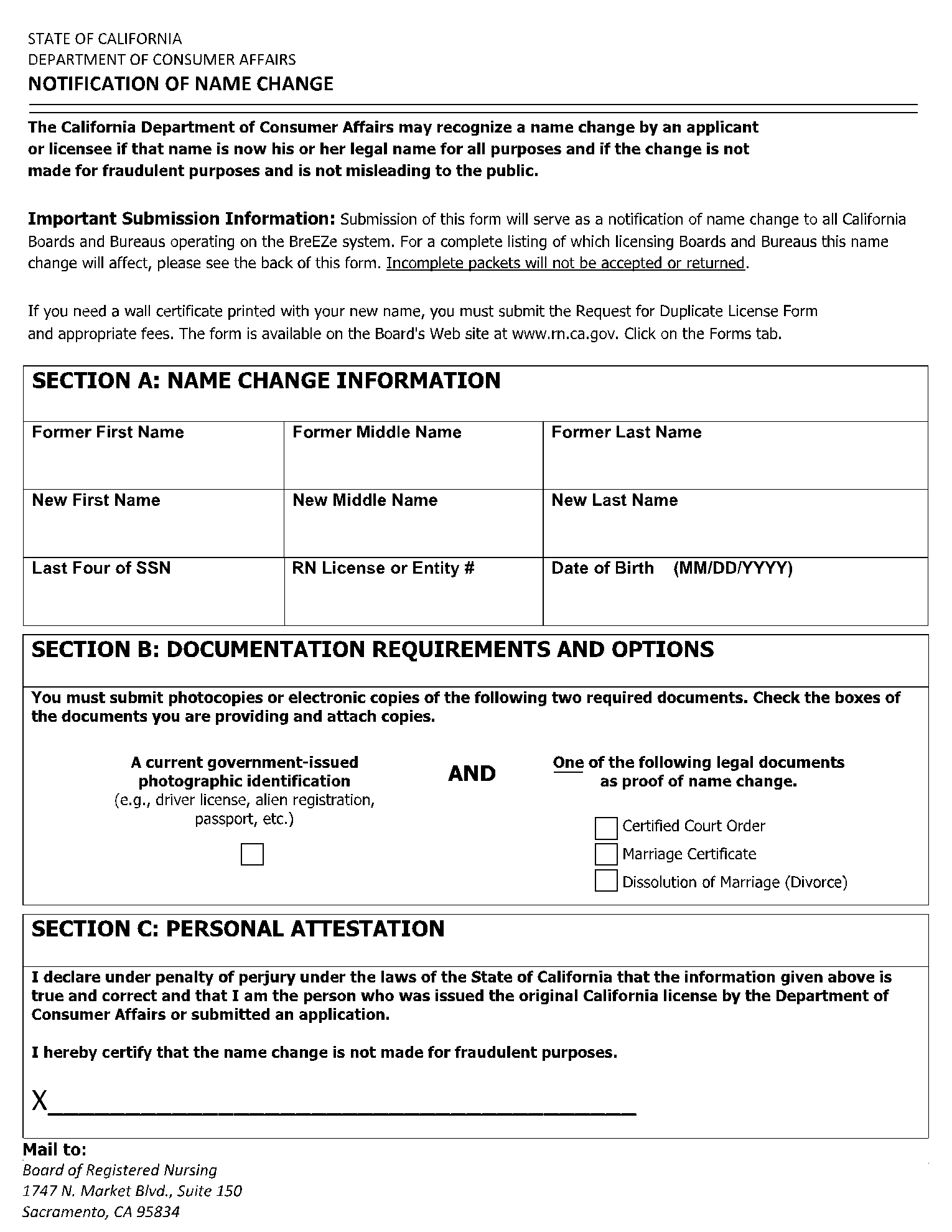
Eligibility and Restrictions
To be eligible for a legal name change in California, you must be a resident of the state for at least three months and have resided in the county where you plan to file for at least six weeks. There are specific reasons why a court may deny a name change petition. These often include:
- Fraudulent Intent: If the court suspects you are trying to change your name to evade debts, escape criminal prosecution, or commit fraud, your petition will likely be denied. For instance, attempting to change your name to avoid paying child support or to elude law enforcement would be grounds for rejection.
- Infringement on Existing Rights: You cannot change your name to impersonate someone else or to infringe upon their rights, such as using a famous brand name or the name of a celebrity with the intent to deceive.
- Offensive or Inappropriate Names: While California allows for a wide range of name choices, courts may reject names that are excessively long, contain numerals or symbols, are intended to be obscene, or are otherwise deemed offensive or confusing.
The Petition and Court Order
The core of the legal name change process is the filing of a Petition for Change of Name. This document requires detailed information about you, including your current name, the desired new name, your address, and the reasons for the change.
Key Forms and Documentation
The essential forms you will need to complete are:
- Petition for Change of Name (Form NC-100): This is the primary document where you state your request.
- Order to Show Cause for Change of Name (Form NC-120): This document, once signed by a judge, sets a date for a court hearing and requires you to notify the public of your intended name change.
- Civil Case Cover Sheet (Form CM-010): This form provides basic information about the case for court record-keeping.
You will also need to provide supporting documents, which might include a copy of your birth certificate and proof of residency in the county.
Publication Requirements
A crucial step in the California name change process is public notification. This requirement aims to prevent fraud and allow anyone with a valid objection to come forward.
Newspaper Publication
After filing your petition and obtaining a signed Order to Show Cause (Form NC-120), you must publish this order in a newspaper of general circulation in your county. The court will typically designate an approved newspaper. The publication must occur for a specific number of weeks before your court hearing, as stipulated in the order. You will need to obtain an affidavit from the newspaper confirming that the order was published.
Objections and Hearing
If no objections are filed by the deadline, the court will likely grant your petition at the hearing. However, if someone objects to your name change, a more involved hearing will be scheduled. During this hearing, you will have the opportunity to present your case, and the objecting party will present theirs. The judge will then make a decision based on the evidence and legal arguments.
The Court Hearing
The court hearing itself is usually brief if there are no objections. You will need to attend the hearing and be prepared to answer any questions the judge might have. If all requirements have been met and there are no objections, the judge will sign a Decree Changing Name (Form NC-130), legally changing your name.
Alternatives to the Court Petition Process
While the court petition is the most common and comprehensive method, California offers alternative routes for name changes in specific circumstances.
Marriage and Divorce
- Marriage: When you get married in California, you can elect to change your last name (or a portion of it) to that of your spouse or create a new hyphenated name simply by stating your desired new name on the marriage license and using it consistently thereafter. While no court order is strictly necessary for this specific type of name change, you will still need to update your identification and other official documents, often using your marriage certificate as proof.
- Divorce: Upon filing for divorce, you can request to resume your former name. This is typically done as part of the divorce proceedings, and the judge will include the name restoration in the final divorce decree. This also serves as legal documentation for your name change.

Minor Name Changes
Changing the name of a minor in California involves a slightly different process, primarily requiring the consent of both parents or a court order demonstrating it’s in the child’s best interest.
Parental Consent
Generally, both parents must consent to a minor’s name change. If one parent is unavailable, deceased, or their parental rights have been terminated, their consent may not be necessary, but you will need to demonstrate this to the court. A Petition for Change of Name (Form NC-100) is filed, and the court will require proof of service on the non-petitioning parent.
Best Interest of the Child
The court’s primary consideration when ruling on a minor’s name change is the best interest of the child. Factors such as the child’s age, their preference (if old enough to express one), the potential for confusion or embarrassment, and the reasons for the change will be evaluated.
Updating Your Name on Official Documents
Once you have legally changed your name, the work isn’t over. The most critical follow-up is updating your name on all essential identification and official documents. This ensures your legal identity matches your everyday life and is crucial for various activities, including travel.
Social Security Administration
Your first stop should be the Social Security Administration (SSA). You will need to complete an Application for a Social Security Card (Form SS-5) and provide your certified Decree Changing Name (or marriage/divorce certificate if applicable) and proof of identity. Updating your Social Security record is fundamental as many other agencies and institutions rely on this information.
Department of Motor Vehicles (DMV)
Next, you’ll need to visit the California Department of Motor Vehicles (DMV) to update your driver’s license or state identification card. Bring your certified court order, your old license/ID, and proof of your Social Security number update (if available). You will need to pay a fee for the updated identification.
Passport Services
If you hold a U.S. passport, you will need to apply for a new one with your updated name. The process and required documents depend on when your current passport was issued. For passports issued less than a year ago, you can generally use Form DS-5504 for a free update. For passports issued more than a year ago, you will need to use Form DS-82 to renew by mail and pay the renewal fee. Always check the latest guidelines on the U.S. Department of State website.
Other Important Updates
Beyond these primary documents, you must remember to update your name with numerous other entities:
- Banks and Financial Institutions: Update your name on all bank accounts, credit cards, and loan documents.
- Employer: Inform your employer and ensure your payroll and HR records are updated.
- Insurance Providers: Update your name on health, auto, home, and life insurance policies.
- Voter Registration: Update your voter registration to reflect your new name.
- Landlord or Mortgage Company: Notify your landlord or mortgage lender.
- Utilities and Service Providers: Update your name with providers for electricity, gas, water, internet, and phone services.
- Professional Licenses and Certifications: If you hold any professional licenses (e.g., medical, legal, real estate), you must update them with the relevant licensing boards.
Keeping meticulous records and systematically working through this list will ensure a smooth transition and prevent potential complications in your daily life and future travel endeavors.
The Impact on Travel and International Experiences
Legally changing your name can have significant implications for international travel. It is paramount that your name on your passport matches your legal name. If you have changed your name and your passport still bears your old name, you will face significant challenges at border crossings and when booking flights or accommodations.
Passport and Visa Requirements
Before traveling internationally, ensure your passport is updated to reflect your current legal name. If you are applying for visas, the name on your visa application must also match your passport and other travel documents. Failure to do so can result in denied boarding, entry refusal, or extensive delays.
Booking Flights and Hotels
When booking airline tickets or hotel reservations, always use the name that appears on your passport. Even a slight discrepancy, such as a middle initial versus a full middle name, can cause issues. After your name change is legally recognized and your passport is updated, you can begin using your new name for all bookings.

Maintaining Consistency
The key to hassle-free travel post-name change is consistency. Once your legal name is updated across all essential documents, ensure that every booking and reservation uses this updated name. This prevents confusion and ensures a seamless travel experience, allowing you to focus on enjoying your destination, whether it’s exploring the vibrant culture of Kyoto or relaxing at a resort in Maui. The legalities of a name change, while sometimes burdensome, ultimately serve to align your outward identity with your true self, facilitating smoother interactions in all aspects of life, including your journeys abroad.
LifeOutOfTheBox is a participant in the Amazon Services LLC Associates Program, an affiliate advertising program designed to provide a means for sites to earn advertising fees by advertising and linking to Amazon.com. Amazon, the Amazon logo, AmazonSupply, and the AmazonSupply logo are trademarks of Amazon.com, Inc. or its affiliates. As an Amazon Associate we earn affiliate commissions from qualifying purchases.