
Texas, a state renowned for its vast landscapes and diverse climate, boasts a rich agricultural heritage. From the Panhandle’s fertile plains to the Gulf Coast’s humid warmth, a wide array of crops thrives under the Texan sun. Understanding these agricultural staples offers a fascinating glimpse into the state’s economy, culture, and culinary traditions. This exploration delves into the primary crops that define Texas agriculture, highlighting their significance and the regions where they are most prominently cultivated.
Grains and Field Crops: The Backbone of Texas Agriculture
The sheer volume and economic impact of grains and field crops in Texas are substantial. These agricultural giants form the bedrock of the state’s farming industry, feeding both domestic and international markets.
Corn: A Versatile Staple
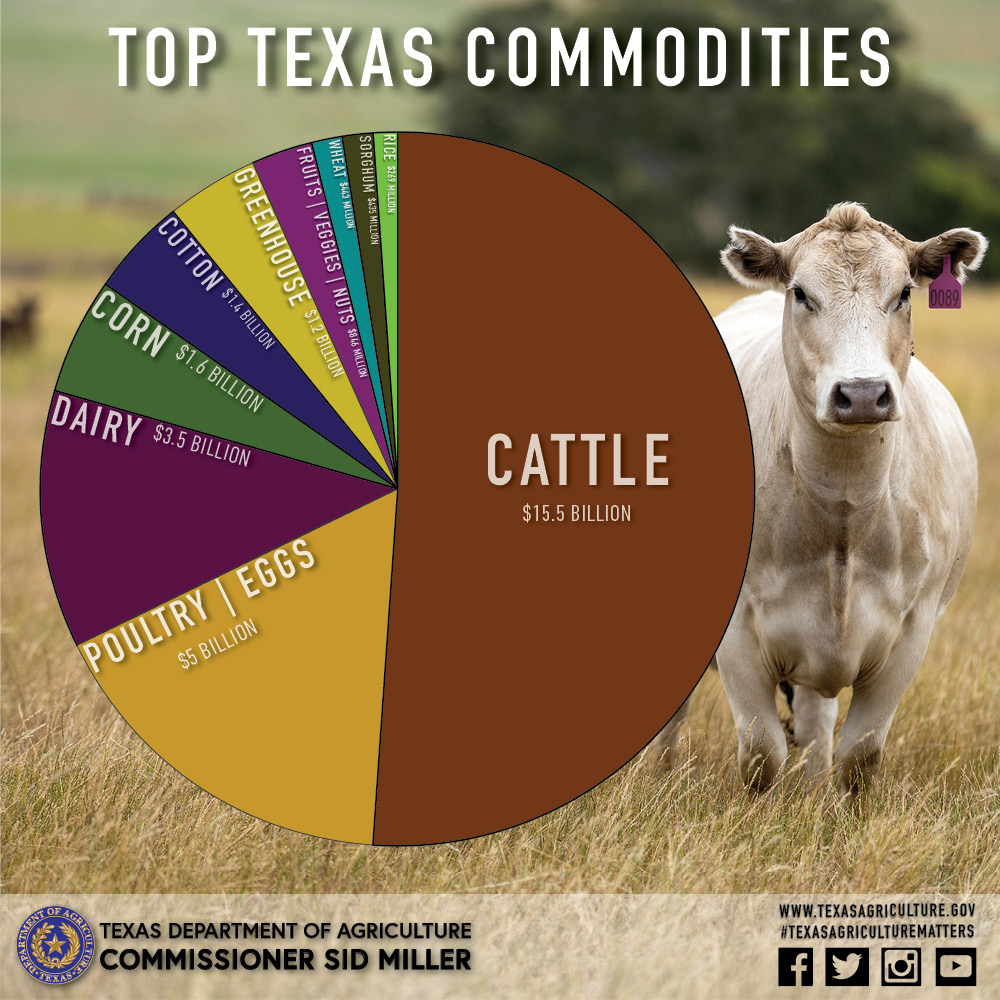
Corn is a major player in Texas agriculture, with significant production concentrated in the northern and central regions, particularly the Black Prairie and High Plains. This versatile grain is primarily grown for livestock feed, but it also finds its way into human consumption as sweet corn and is a key ingredient in many processed foods and industrial products like ethanol. The favorable climate and fertile soils in these areas provide ideal conditions for high yields. Farmers often utilize advanced irrigation techniques to ensure consistent growth, especially in the drier parts of the state. The economic contribution of corn is multifaceted, supporting not only growers but also related industries involved in processing, transportation, and manufacturing.
Cotton: The “White Gold” of Texas
Cotton is perhaps the most iconic crop associated with Texas, often referred to as “white gold.” The state consistently ranks as a top producer of cotton in the United States. The primary cotton-growing regions include the South Plains, Rolling Plains, and parts of the Blackland Prairie. Texas cotton is known for its high quality and is used globally in the textile industry. The cultivation of cotton is deeply ingrained in the state’s history and economy, shaping its rural landscapes and providing livelihoods for many. Modern farming practices, including precision agriculture and drought-resistant varieties, have been crucial in maintaining Texas’s dominance in this sector, despite challenges like water scarcity and fluctuating market prices.
Sorghum: A Hardy Alternative
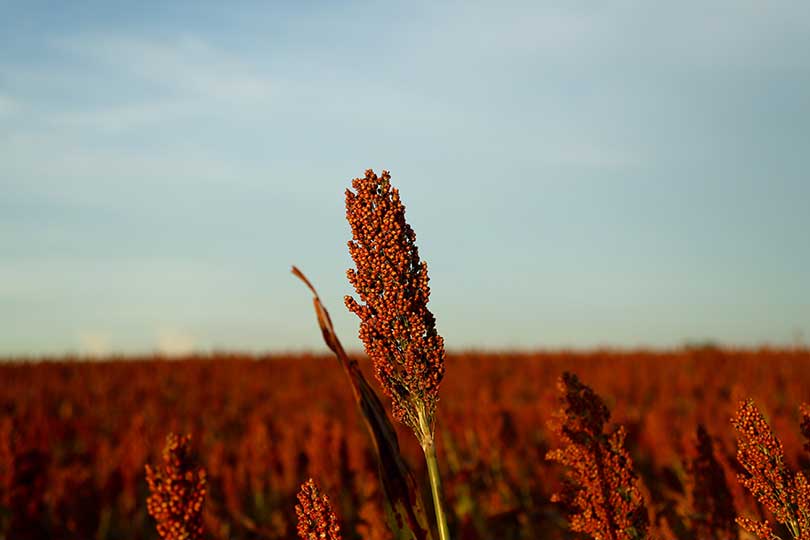
Sorghum, also known as milo, is another critical grain crop grown extensively in Texas, particularly in the Panhandle and the South Plains. Its remarkable resilience to drought and heat makes it an excellent choice for regions where water conservation is paramount. Sorghum serves various purposes, including animal feed, human food (especially in its whole grain form), and as a feedstock for ethanol production. Its ability to thrive in challenging conditions makes it a vital component of Texas’s diversified agricultural portfolio, offering a reliable alternative to corn in many areas.
Wheat: A Cool-Season Crop
While often associated with warmer climates, wheat cultivation is significant in Texas, primarily in the northern and western parts of the state, including the Rolling Plains and High Plains. Winter wheat is planted in the fall and harvested in late spring or early summer, capitalizing on the cooler seasons and winter moisture. This grain is a staple for bread, pastries, and other baked goods, as well as animal feed. The success of wheat farming in these regions often depends on timely rainfall and effective management of soil health.
Fruits and Vegetables: Adding Flavor and Freshness to Texas
Beyond the large-scale production of grains, Texas cultivates a vibrant array of fruits and vegetables, contributing to the state’s culinary richness and providing fresh produce to local markets and beyond.
Citrus Fruits: A Taste of South Texas
The Rio Grande Valley in South Texas is synonymous with citrus production. Oranges, grapefruits, and tangelos thrive in the subtropical climate of this region. The warm temperatures and abundant sunshine create ideal conditions for these juicy fruits to mature and develop their characteristic sweetness. While facing challenges from diseases and freezes, the citrus industry remains a vital part of the South Texas economy, offering delicious produce for fresh consumption and juice production. Towns like McAllen and Harlingen are central to this agricultural hub.

Watermelons: A Summer Delight
Few crops evoke the feeling of summer quite like watermelons. Texas is a leading producer of this popular fruit, with significant cultivation occurring in East Texas, particularly around cities like Lufkin and College Station. The sandy soils and warm weather in these areas are perfect for growing sweet, crisp watermelons. Texas watermelons are a common sight at roadside stands and farmers’ markets throughout the warmer months, providing a refreshing treat for residents and visitors alike.
Onions: A Pungent Powerhouse
Onions are a significant crop for Texas, with the city of Uvalde in South Texas being famously known as the “Uvalde Onion Capital of the World.” The region’s mild winters and fertile soils allow for successful onion cultivation. Texas onions are prized for their flavor and versatility in a wide range of culinary applications, from savory dishes to fresh salads. The harvesting and marketing of onions contribute substantially to the local agricultural economy.
Pecans: The Official State Nut
Pecans, Texas’s official state nut, are cultivated extensively throughout the state, with major production areas in Central and West Texas. These native trees have been a valuable food source for centuries and are now a significant commercial crop. Texas pecans are highly sought after for their rich flavor and are used in a variety of desserts, baked goods, and snacks. The pecan industry supports numerous jobs and is an integral part of the state’s agricultural identity. Cities like San Saba, known as the “Pecan Capital of Texas,” are central to this industry.
Tomatoes and Other Vegetables
Beyond the prominent crops, Texas also produces a diverse range of other vegetables. Tomatoes are grown in various parts of the state, with South Texas being a key producer, especially for early-season harvests. Other vegetables like potatoes, carrots, and various leafy greens are cultivated to meet local demand and contribute to the state’s vibrant food scene. The accessibility of these fresh produce items at local farmers’ markets and grocery stores across Texas is a testament to the state’s agricultural bounty.
Specialty Crops and Emerging Trends
While grains and traditional produce dominate, Texas agriculture is also characterized by a growing interest in specialty crops and innovative farming techniques that cater to evolving market demands and sustainability goals.
Grapes and Viticulture
The Texan wine industry is experiencing a renaissance, with vineyards expanding across several regions, most notably the Texas Hill Country, the High Plains, and the Gulf Coast. Grapes for wine production, such as Tempranillo, Roussanne, and Chenin Blanc, are being successfully cultivated. The diverse terroirs within Texas offer unique characteristics for winemaking, and the growing number of wineries and tasting rooms are becoming popular tourist destinations. This burgeoning industry not only contributes economically but also enhances the state’s gastronomic landscape.
Nursery and Greenhouse Products
The nursery and greenhouse sector is a significant, albeit often overlooked, component of Texas agriculture. This industry focuses on producing ornamental plants, flowers, trees, and shrubs for landscaping, gardening, and retail. The demand for these products is year-round, supported by Texas’s growing population and its residents’ passion for outdoor living and home beautification. Cities like Houston and Dallas have large markets for these goods, reflecting the broad appeal of horticultural products.
Specialty Produce and Organic Farming
There is a growing trend towards cultivating specialty produce, including exotic fruits, herbs, and organic vegetables. As consumer interest in healthy eating and locally sourced food increases, Texas farmers are diversifying their operations to meet this demand. Organic farming practices are gaining traction, with farmers embracing sustainable methods to produce high-quality, environmentally friendly crops. This segment of agriculture showcases innovation and a commitment to meeting the diverse needs of the modern consumer.
In conclusion, the agricultural landscape of Texas is a testament to the state’s diverse geography, climate, and the ingenuity of its farmers. From the vast fields of corn and cotton to the fruitful orchards and vibrant vegetable patches, these crops are not just commodities; they are woven into the fabric of Texas identity, contributing to its economy, culture, and the plates of millions.
LifeOutOfTheBox is a participant in the Amazon Services LLC Associates Program, an affiliate advertising program designed to provide a means for sites to earn advertising fees by advertising and linking to Amazon.com. Amazon, the Amazon logo, AmazonSupply, and the AmazonSupply logo are trademarks of Amazon.com, Inc. or its affiliates. As an Amazon Associate we earn affiliate commissions from qualifying purchases.