
Navigating the landscape of employment for younger individuals can be a complex endeavor, particularly when it comes to understanding the legal frameworks that govern their participation in the workforce. In Texas, as in all states across the United States, specific regulations are in place to ensure the safety and well-being of minors engaged in employment. These rules are primarily dictated by federal laws, most notably the Fair Labor Standards Act (FLSA), but also incorporate state-specific provisions that can offer additional protections or clarify certain aspects of youth employment. For families considering part-time work for their teenagers, for instance, or for businesses looking to hire younger staff, a clear understanding of these minimum age requirements is paramount. This guide will delve into the intricacies of the minimum age to work in Texas, exploring the different age brackets, the types of work permitted, and the crucial hours of operation that apply to young workers.

Federal Regulations: The Foundation of Youth Employment Laws
The Fair Labor Standards Act (FLSA) establishes the baseline for minimum wage, overtime pay, recordkeeping, and youth employment standards that affect employers in both the public and private sectors. When it comes to young workers, the FLSA sets forth age-specific restrictions on the types of jobs they can perform and the hours they can work. These protections are designed to prevent hazardous working conditions and ensure that employment does not interfere with a child’s education or overall development.
14 and 15-Year-Olds: Entry-Level Opportunities with Restrictions
For individuals aged 14 and 15, the FLSA imposes the most significant limitations on their employment. These young workers are generally permitted to work outside of school hours in a limited number of occupations. However, even within these permissible roles, there are strict guidelines regarding the number of hours they can work and the times of day during which they can be employed.
Permissible Occupations for 14 and 15-Year-Olds
The FLSA outlines a list of occupations that are considered non-hazardous and thus suitable for 14 and 15-year-old workers. These often include roles in the retail, food service, and office sectors. Examples include:
- Clerical work: Performing tasks such as filing, answering phones, and data entry in office environments.
- Food service: Working as a cashier, busser, or host in restaurants and similar establishments, provided the work does not involve cooking with grease-type fryers or open flames, or other hazardous equipment.
- Retail: Stocking shelves, bagging groceries, and assisting customers in shops and supermarkets.
- Gas stations: Performing non-hazardous duties like pumping gas and cleaning windshields, but not working in the repair bays or around certain machinery.
- Supermarkets: Bagging groceries, stocking shelves, and working as cashiers.
It is critical to note that even within these broadly defined categories, certain specific tasks may be prohibited if they are deemed hazardous. For example, operating heavy machinery, working with power-driven tools, or handling hazardous materials are strictly forbidden. The U.S. Department of Labor provides detailed fact sheets and lists of hazardous occupations that are off-limits to minors.
Hour Restrictions for 14 and 15-Year-Olds
The FLSA imposes stringent limits on the hours that 14 and 15-year-old workers can be employed to safeguard their academic pursuits and prevent overexertion.
-
During the school year:
- They can work a maximum of 18 hours per week.
- They are limited to 3 hours per day.
- Work can only occur between 7 a.m. and 7 p.m. (with an extension to 9 p.m. during the summer months and on school holidays).
-
During school vacation periods (summer break and other school holidays):
- They can work a maximum of 40 hours per week.
- They are limited to 8 hours per day.
- Work can occur between 7 a.m. and 9 p.m.
These hour restrictions are designed to ensure that young workers have ample time for schoolwork, extracurricular activities, and rest, preventing their jobs from negatively impacting their educational outcomes or overall well-being.
16 and 17-Year-Olds: Broader Opportunities with Hazard Restrictions
Once individuals reach the age of 16, the restrictions on the types of jobs they can perform are significantly relaxed. The FLSA permits 16 and 17-year-olds to work in any occupation that is not declared hazardous by the Secretary of Labor. This opens up a much wider array of employment opportunities compared to their younger counterparts.
Permissible Occupations for 16 and 17-Year-Olds
While the list of prohibited occupations for 16 and 17-year-olds is considerably shorter than for younger workers, it remains crucial to be aware of the specific roles that are off-limits due to inherent risks. These typically include:
- Operating most power-driven woodworking machines.
- Exposure to radioactive substances.
- Operating power-driven bakery machines.
- Operating paper products machines.
- Operating circular saws, band saws, and guillotine shears.
- Dismantling, processing, and packaging of explosives.
- Driving a motor vehicle and being passenger in a pickup truck outside of the immediate worksite.
- Coal mining.
- Logging and sawmilling.
- Roofing operations.
- Excavation operations.
Employers hiring 16 and 17-year-olds must ensure that the work environment and tasks assigned do not fall into these hazardous categories. The U.S. Department of Labor’s Hazardous Occupations Orders (HOs) are the definitive source for understanding these prohibitions.
Hour Restrictions for 16 and 17-Year-Olds
Unlike 14 and 15-year-olds, the FLSA does not impose strict hour limitations on 16 and 17-year-olds regarding the number of hours per day or week they can work, nor does it set specific daily start and end times. However, these young workers are still entitled to federal minimum wage and overtime pay protections, including time-and-a-half for hours worked over 40 in a workweek.
While federal law doesn’t limit their hours, employers should still be mindful of the potential impact of extensive work on a minor’s education and well-being. Many school districts and individual school policies may have their own guidelines or recommendations regarding the number of hours students can work while still attending school.
State-Specific Provisions in Texas
While the FLSA sets the federal minimum standards, individual states may enact their own laws that provide greater protections for young workers or establish additional requirements. In Texas, the Texas Child Labor Act governs the employment of minors. This state law generally aligns with federal regulations but can have specific nuances.
Texas Child Labor Act Overview
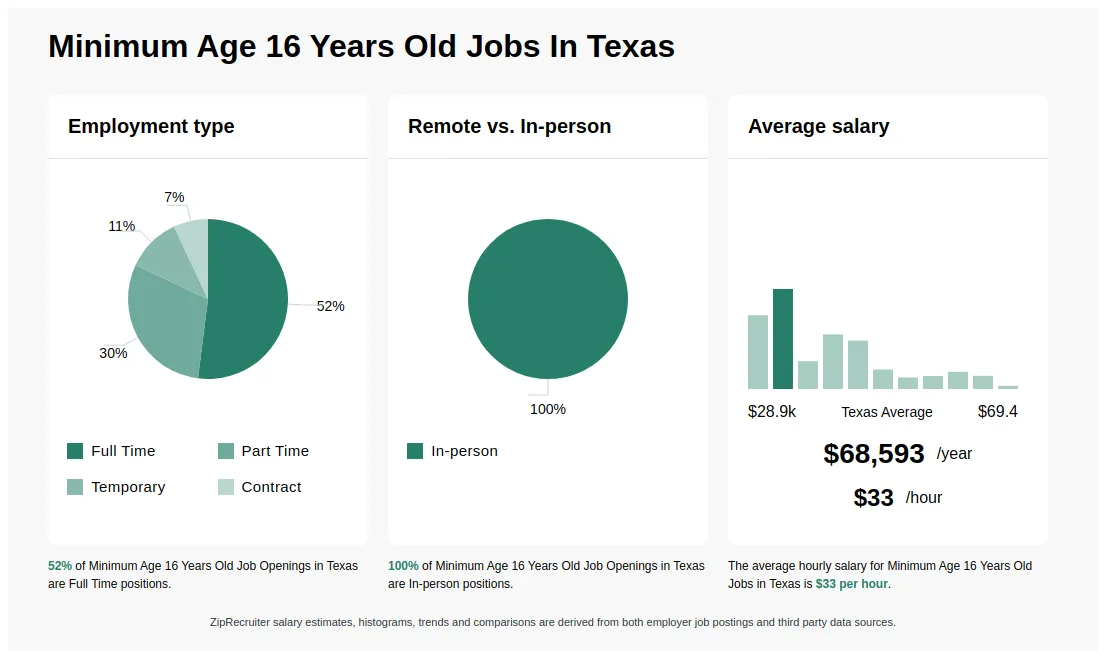
The Texas Child Labor Act, administered by the Texas Workforce Commission (TWC), echoes the federal guidelines for age-based restrictions and hour limitations. The TWC provides resources and guidance for both employers and young workers to ensure compliance.
Age Limits and Work Restrictions in Texas
Similar to federal law, the Texas Child Labor Act defines permissible work for minors based on their age.
- Under 14 Years Old: Employment is generally prohibited, with very few exceptions, such as newspaper delivery, acting, or performing in theatrical productions. These exceptions often require special permits.
- 14 and 15-Year-Olds: The restrictions mirror those of the FLSA. They can work in non-hazardous occupations only outside of school hours, with limitations on daily and weekly hours, and specific time-of-day restrictions (typically not before 7 a.m. or after 7 p.m. during the school year, extending to 9 p.m. during school holidays and summer).
- 16 and 17-Year-Olds: They can work in any occupation other than those deemed hazardous by federal law. Hour restrictions are generally not imposed by the state, but they are subject to federal minimum wage and overtime laws.
Required Work Permits in Texas
A significant aspect of the Texas Child Labor Act is the requirement for minors to obtain a Work Permit (also known as a Statement of Age) if they are under 18 years of age and working in Texas.
- The Statement of Age: This document serves as proof of age for employment purposes and is issued by the school the minor attends.
- Process: The minor must present proof of age (such as a birth certificate or state-issued ID) to their school. The school then issues the Statement of Age, which the minor provides to their employer.
- Employer Responsibility: Employers are required to keep these Statements of Age on file for all employees under 18. This helps ensure that minors are not working in violation of age or hour restrictions.
It is important for both employers and young workers to understand that failure to comply with these work permit requirements can result in penalties.
Hazardous Occupations and Prohibited Work
Both federal and state laws place a strong emphasis on identifying and prohibiting work that poses a risk to minors. The U.S. Department of Labor’s Hazardous Occupations Orders (HOs) are the primary source for understanding these restrictions. These orders are designed to protect young people from engaging in jobs that could lead to severe injury, disfigurement, or even death.
Understanding Hazardous Occupations Orders (HOs)
The FLSA outlines 17 specific Hazardous Occupations Orders that restrict minors under 18 from performing certain jobs. These orders cover a wide range of industries and activities, including:
- Manufacturing and Mining: Jobs involving the operation of many types of machinery, working in mines, or handling explosives.
- Construction: Working on roofs, excavation sites, or operating heavy construction equipment.
- Transportation and Storage: Driving motor vehicles, working as a fire lookout, or in power plants.
- Agriculture: Operating certain farm machinery and working with hazardous pesticides.
The rationale behind these prohibitions is clear: minors may lack the maturity, experience, or physical capacity to safely navigate the risks associated with these occupations. Employers must diligently review these HOs to ensure that no minor under 18 is assigned to any prohibited task.
Exceptions and Special Circumstances
While the general rules are strict, there can be limited exceptions or special circumstances where minors might be permitted to engage in certain types of work that might otherwise be restricted. These often involve:
- Apprenticeship Programs: Minors participating in bona fide apprenticeship programs, which are supervised and structured to provide training, may be allowed to perform tasks that would normally be prohibited. These programs must meet specific federal or state approval criteria.
- Vocational Training: Similar to apprenticeships, minors in approved vocational training programs may be exposed to certain machinery or environments under strict supervision.
- Family Businesses: In some limited cases, minors might be permitted to work in a non-hazardous capacity within a family-owned business, though this often still requires adherence to hour and time restrictions. However, work in hazardous occupations is generally still prohibited, even in family businesses.
These exceptions are narrowly defined and typically require explicit authorization or adherence to rigorous standards. It is always advisable to consult with the U.S. Department of Labor or the Texas Workforce Commission for clarification on specific situations.
Employer Responsibilities and Compliance
For businesses in Texas that employ or plan to employ individuals under the age of 18, understanding and adhering to child labor laws is not just a legal obligation but a critical aspect of responsible business practice. Compliance ensures the safety and well-being of young workers, prevents legal entanglements, and contributes to a positive workplace environment.
Key Compliance Requirements
Employers must be diligent in several areas to ensure they are meeting their obligations under federal and state child labor laws:
- Age Verification: Employers must accurately determine the age of their minor employees. This is primarily done through the Statement of Age issued by the school for those under 18 in Texas. Retaining these documents is crucial.
- Adherence to Hour Restrictions: Strict monitoring of work hours for 14 and 15-year-olds is essential. This includes daily limits, weekly limits, and adhering to permitted times of day. For older minors, while hour limits are not as strict, overtime pay regulations must be followed.
- Assignment of Non-Hazardous Work: Employers must be thoroughly familiar with the list of hazardous occupations prohibited for minors and ensure that no minor is assigned to such tasks. This requires careful job analysis and employee training.
- Recordkeeping: Maintaining accurate records of hours worked, wages paid, and age verification documents is a fundamental requirement for all employers, including those employing minors.
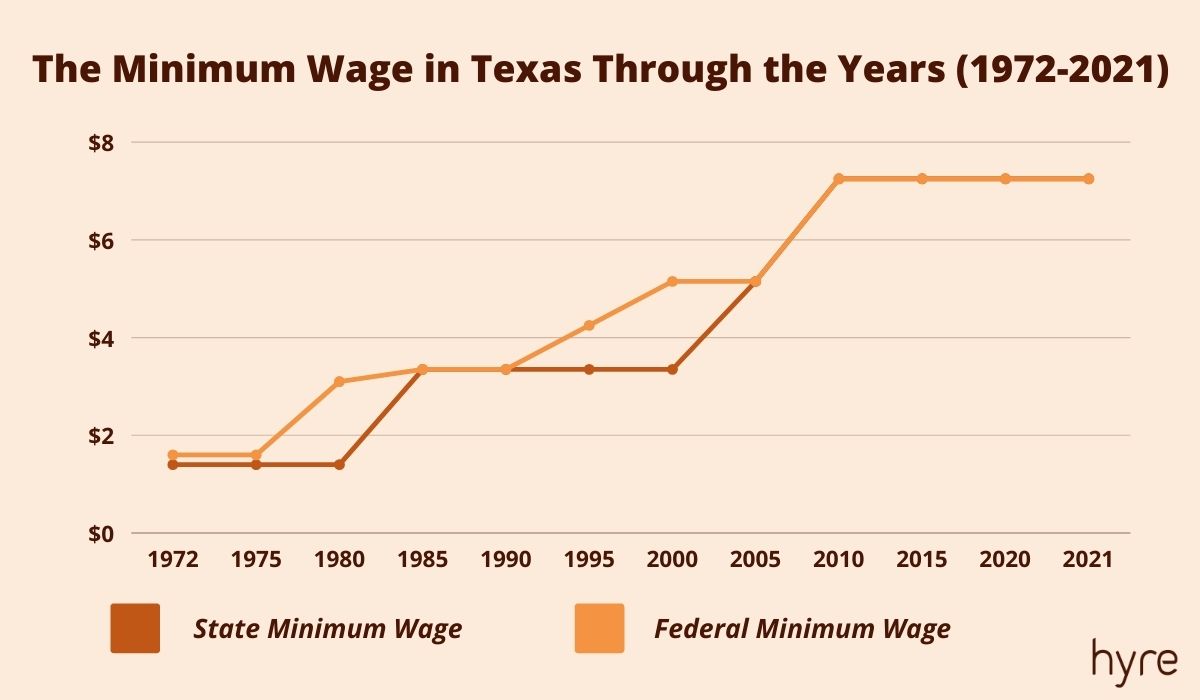
- Wage and Hour Laws: Minors are entitled to the federal minimum wage and, if applicable, overtime pay, just like adult employees.
Penalties for Non-Compliance
The consequences of violating child labor laws can be severe. Employers who fail to comply with the FLSA or state child labor laws can face:
- Civil Money Penalties: The Department of Labor can impose significant fines for each violation. These penalties can increase for repeated or willful violations.
- Back Wages: Employers may be required to pay back wages owed to minors, including any unpaid overtime.
- Injunctions: In cases of serious or repeated violations, the Department of Labor may seek court orders to stop employers from continuing their illegal practices.
- Criminal Prosecution: In egregious cases, employers may face criminal charges.
For businesses in Texas, working closely with the Texas Workforce Commission and the U.S. Department of Labor can help ensure full understanding and compliance, fostering a safe and legal environment for young workers.
LifeOutOfTheBox is a participant in the Amazon Services LLC Associates Program, an affiliate advertising program designed to provide a means for sites to earn advertising fees by advertising and linking to Amazon.com. Amazon, the Amazon logo, AmazonSupply, and the AmazonSupply logo are trademarks of Amazon.com, Inc. or its affiliates. As an Amazon Associate we earn affiliate commissions from qualifying purchases.