
Understanding the Demographic Landscape of the Lone Star State
The question “What is the population for Texas?” is more than a simple demographic inquiry; it’s an invitation to explore the dynamic forces shaping one of America’s most populous and rapidly growing states. Texas, a land of vast prairies, bustling metropolises, and rich cultural heritage, draws millions to its borders for a multitude of reasons, from economic opportunity to unparalleled natural beauty and vibrant city life. Understanding its population is key to appreciating its influence on national trends, its infrastructural demands, and the diverse tapestry of its communities. As of recent estimates, the population of Texas stands as a significant and ever-increasing figure, reflecting its status as a premier destination for both new residents and visitors alike.

Key Demographic Trends and Growth Drivers
Texas’s population growth is a multifaceted phenomenon driven by a confluence of factors. Historically, the state has attracted individuals and families seeking new beginnings, often propelled by its robust economy and diverse employment sectors. This influx continues to reshape its demographic profile, contributing to a younger average age and an increasingly diverse populace.
Economic Magnetism
The economic engine of Texas is a primary driver of its population growth. Industries such as oil and gas, technology, aerospace, healthcare, and advanced manufacturing consistently create a high demand for skilled labor. Major metropolitan areas like Houston, Dallas, Austin, and San Antonio serve as hubs for these industries, attracting a steady stream of professionals and their families. The comparatively lower cost of living, especially in housing, compared to other major economic centers in the United States, also plays a crucial role in making Texas an attractive place to settle.
Natural Increase and Net Migration
Population growth in Texas is fueled by two primary components: natural increase (births exceeding deaths) and net migration (more people moving in than out). Texas has consistently experienced a strong rate of natural increase, contributing significantly to its overall expansion. However, net migration has become an increasingly dominant factor, with people relocating to Texas from other states and even from abroad. This migratory trend is often linked to the aforementioned economic opportunities, but also to lifestyle factors, educational institutions, and a general perception of Texas as a land of opportunity and a desirable place to live.
Urbanization and Suburban Expansion
The population boom in Texas is not uniformly distributed. There’s a pronounced trend of urbanization, with major cities experiencing substantial growth. However, this expansion often spills over into surrounding suburban areas, creating sprawling metropolitan regions. Cities like Austin, known for its vibrant music scene and tech industry, and Fort Worth, with its Western heritage, are seeing rapid development. This growth necessitates continuous investment in infrastructure, housing, and public services to accommodate the burgeoning population and the associated increase in tourism and economic activity.
The Texas Population in Numbers
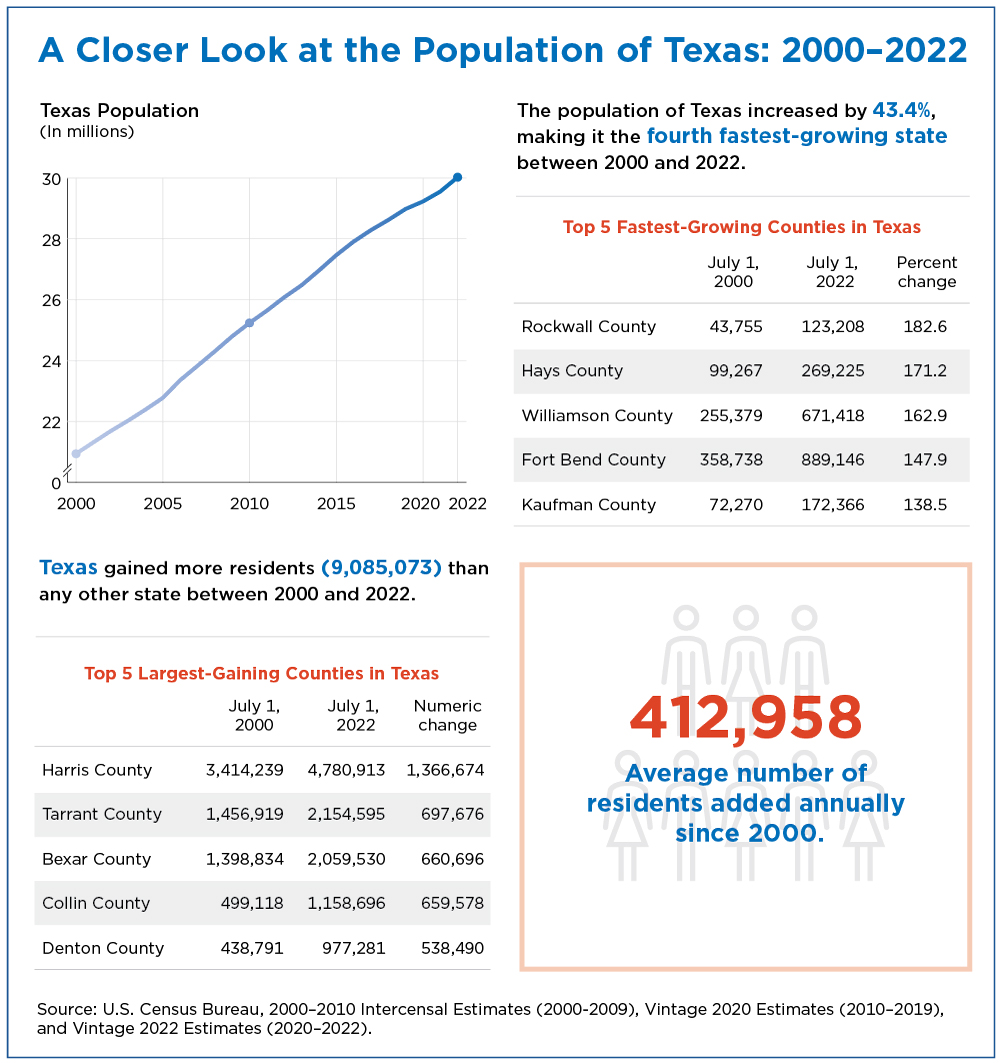
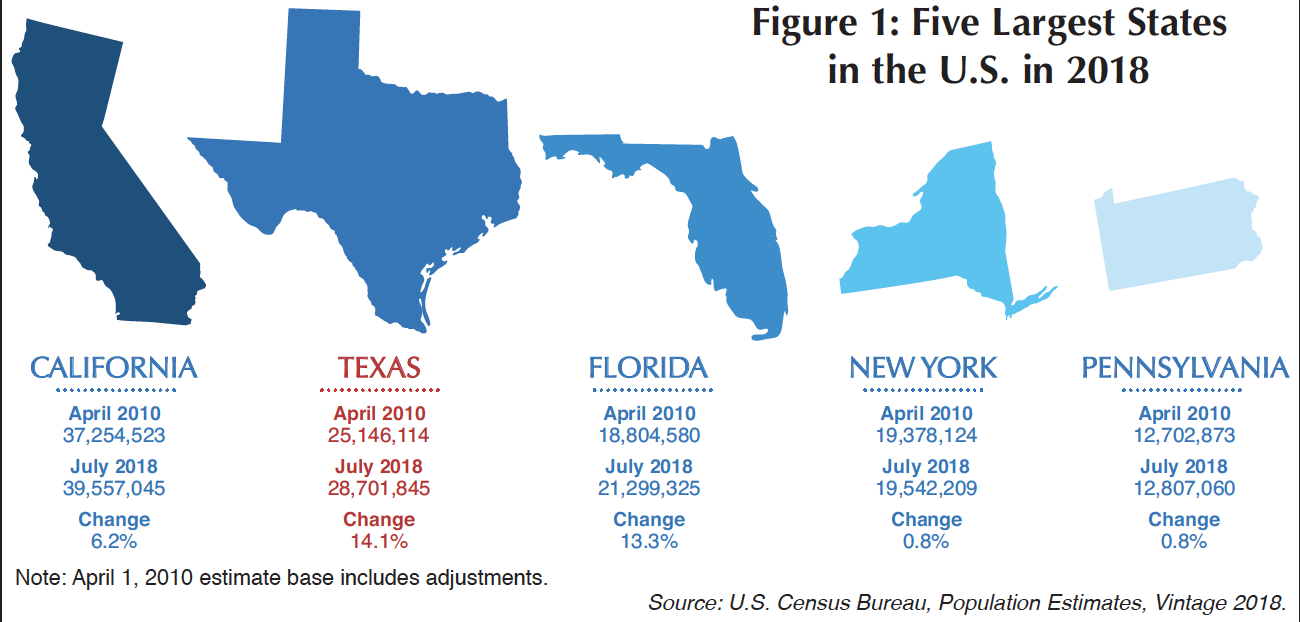
Pinpointing an exact, real-time population figure for Texas is a dynamic challenge, as the number fluctuates constantly. However, based on the latest available data from reputable sources such as the U.S. Census Bureau, the population of Texas is well into the tens of millions, making it the second most populous state in the United States, trailing only California.
Official Census Data and Projections
The official count from the decennial census provides a foundational understanding of the state’s population. However, these numbers are constantly updated with estimates and projections that account for births, deaths, and migration patterns between censuses. These projections consistently indicate a continued upward trajectory for Texas’s population, with the state expected to grow significantly in the coming years. This sustained growth underscores Texas’s importance as a demographic powerhouse within the nation.
Population Density and Distribution
While Texas is a geographically large state, its population is not evenly distributed. The major urban centers and their surrounding areas are densely populated, while vast stretches of West Texas and other rural regions have significantly lower population densities. This disparity influences everything from transportation networks to the availability of amenities and the nature of tourism experiences. Visitors exploring different parts of Texas will encounter vastly different population characteristics, from the urban energy of Dallas to the wide-open spaces near Big Bend National Park.
Implications for Tourism and Lifestyle
The sheer size and growth of the Texas population have profound implications for the tourism and lifestyle sectors within the state. A larger population means a larger pool of potential travelers, both domestic and international, seeking unique experiences.
Diverse Tourist Demographics
The diverse population of Texas itself contributes to a rich cultural mosaic that attracts tourists. Whether one is interested in the vibrant arts scene of Austin, the historical significance of the Alamo in San Antonio, the culinary delights of Houston, or the natural beauty of the Texas Hill Country, there is something to appeal to every visitor. The growing number of residents also means a constant demand for new and evolving tourist attractions, restaurants, and entertainment venues.
The “Texas Lifestyle” Appeal
The concept of a “Texas lifestyle” is multifaceted and draws many to the state. It encompasses a sense of independence, a love for the outdoors, a strong sense of community, and a vibrant cultural scene. This appeal extends to various demographics, from families seeking a stable environment to young professionals drawn by career opportunities and a dynamic social life. The tourism industry actively taps into these lifestyle elements, promoting everything from rodeos and country music festivals to luxury resorts and fine dining experiences, catering to a broad spectrum of interests and budgets.
Infrastructure and Visitor Experience
As the population grows, so does the demand on infrastructure, including airports, highways, and public transportation. This can impact the visitor experience, particularly in peak travel seasons. However, the continuous investment in these areas aims to facilitate smoother travel and enhance accessibility to the state’s numerous attractions. Planning a trip to popular destinations like Galveston Island or attending events such as the State Fair of Texas often requires advance consideration of travel times and accommodation availability due to the high volume of both residents and tourists.
Exploring Texas’s Major Population Centers
To truly grasp the population of Texas, it’s essential to look at its major metropolitan areas, each with its distinct character and contribution to the state’s overall demographic picture. These cities are not just population hubs; they are centers of commerce, culture, and tourism.
Houston: The Energy Capital and Culinary Hotspot
Houston, the most populous city in Texas and the fourth-largest in the United States, is a global center for the energy industry. Beyond its economic significance, Houston is renowned for its incredibly diverse culinary scene, its world-class museums, and its thriving arts community. The city’s population is a melting pot of cultures, reflected in its neighborhoods, festivals, and, of course, its food. Major attractions include the Space Center Houston and the Museum District.
Dallas-Fort Worth Metroplex: Business and Entertainment Nexus
The Dallas-Fort Worth (DFW) Metroplex is the largest metropolitan area in Texas and one of the largest in the nation. This region is a powerhouse of business, finance, and transportation. Dallas itself is known for its modern skyline, upscale shopping, and vibrant arts scene, while Fort Worth embraces its Western heritage with its historic Stockyards and renowned rodeos. The DFW area attracts millions of visitors annually for business, leisure, and major sporting events, such as those hosted by the Dallas Cowboys.
Austin: The Live Music Capital of the World
Austin, the state capital, has experienced explosive growth, largely driven by its booming tech industry and its legendary live music scene. Known as the “Live Music Capital of the World,” Austin offers a unique blend of counter-culture charm and entrepreneurial spirit. Its vibrant downtown, numerous parks, and the scenic Lady Bird Lake make it a popular destination for both residents and tourists. The city also hosts major festivals like South by Southwest (SXSW).
San Antonio: A Blend of History and Culture
San Antonio offers a rich historical narrative, most famously embodied by the Alamo and the San Antonio Missions National Historical Park. Its River Walk is a major tourist attraction, lined with restaurants, shops, and hotels, creating a unique urban experience. The city’s population reflects a strong Hispanic heritage, which permeates its culture, cuisine, and festivals, drawing visitors seeking authentic Texan and Mexican-American experiences.
The population of Texas is a testament to its enduring appeal and its dynamic evolution. It’s a state that continues to grow, innovate, and welcome new inhabitants and visitors, shaping a continuously unfolding story of opportunity, culture, and vast landscapes. Understanding these numbers provides a vital lens through which to appreciate the magnitude and diversity of the Lone Star State.
LifeOutOfTheBox is a participant in the Amazon Services LLC Associates Program, an affiliate advertising program designed to provide a means for sites to earn advertising fees by advertising and linking to Amazon.com. Amazon, the Amazon logo, AmazonSupply, and the AmazonSupply logo are trademarks of Amazon.com, Inc. or its affiliates. As an Amazon Associate we earn affiliate commissions from qualifying purchases.