
Navigating the intricacies of vehicle registration can often feel like traversing a labyrinth, especially when dealing with vehicles that carry a less-than-pristine history, such as those with a salvage title. For residents of Alabama, understanding the specific regulations surrounding these vehicles is crucial for legal operation on the state’s roadways. This guide delves into the Alabama laws and procedures that govern the registration of salvage title vehicles, offering clarity and actionable advice for owners.
Understanding Salvage Titles in Alabama
A salvage title is assigned to a vehicle that has been declared a total loss by an insurance company due to an accident, theft, flood, or other significant damage. This designation does not automatically render the vehicle illegal to own or repair, but it does introduce a more rigorous process for re-titling and registering it for road use. In Alabama, the Department of Revenue oversees vehicle titling and registration, and their rules are designed to ensure public safety and prevent the registration of unsafe vehicles.

What Constitutes a “Total Loss”?
In the eyes of an insurance provider, a vehicle is declared a total loss when the cost of repairs exceeds a certain percentage of the vehicle’s pre-damage market value. This threshold varies by state and by insurance company, but generally falls between 70% and 90%. Once declared a total loss, the insurance company typically pays the owner the market value of the vehicle and takes possession of it. These vehicles are then often sold at salvage auctions.
Differentiating Salvage from Rebuilt Titles
It is essential to distinguish between a “salvage” title and a “rebuilt” title. A salvage title indicates the vehicle’s status as having been declared a total loss. A rebuilt title, on the other hand, signifies that a vehicle with a previous salvage title has undergone substantial repairs and has passed a state-mandated inspection to be deemed roadworthy. In Alabama, you cannot directly register a vehicle with a salvage title for public road use. The vehicle must first be repaired and then obtain a rebuilt title.
The Process for Registering a Salvage Title Vehicle in Alabama
The path from a salvage title to a registered, roadworthy vehicle in Alabama involves several distinct stages. This process is designed to be thorough, ensuring that repairs have been completed correctly and that the vehicle meets safety standards.
Repairing the Vehicle
Once a vehicle with a salvage title is acquired for repair, the owner must undertake the necessary fixes. It is highly recommended to use certified mechanics and quality parts to ensure the structural integrity and safety of the vehicle. Documenting all repairs is a critical step. This includes keeping detailed records of parts purchased, labor performed, and receipts for all expenses. This documentation will be vital when applying for a rebuilt title.
Obtaining a Salvage Vehicle Inspection Certificate
Before a salvage title can be converted to a rebuilt title, the repaired vehicle must undergo a rigorous inspection. In Alabama, this inspection is conducted by the Alabama Law Enforcement Agency (ALEA) or a designated inspection station. The purpose of this inspection is to verify that the vehicle has been repaired to a safe operating condition and that all critical components, such as brakes, steering, lights, and structural elements, meet safety standards. The inspector will also check for any signs of prior theft or odometer tampering.
Upon successful completion of the inspection, the owner will receive a Salvage Vehicle Inspection Certificate. This certificate is a prerequisite for applying for a rebuilt title.
Applying for a Rebuilt Title
With the Salvage Vehicle Inspection Certificate in hand, the owner can then proceed to the Alabama Department of Revenue to apply for a rebuilt title. This process requires submitting several documents:
- Proof of Ownership: This will typically be the original salvage title, along with bills of sale for any major components purchased.
- Completed Application for Certificate of Title: This form can usually be obtained from the Department of Revenue or their website.
- Salvage Vehicle Inspection Certificate: The original certificate received after passing the inspection.
- Proof of Insurance: Alabama requires all registered vehicles to have liability insurance.
- Payment of Applicable Fees: There are fees associated with title transfer and application.
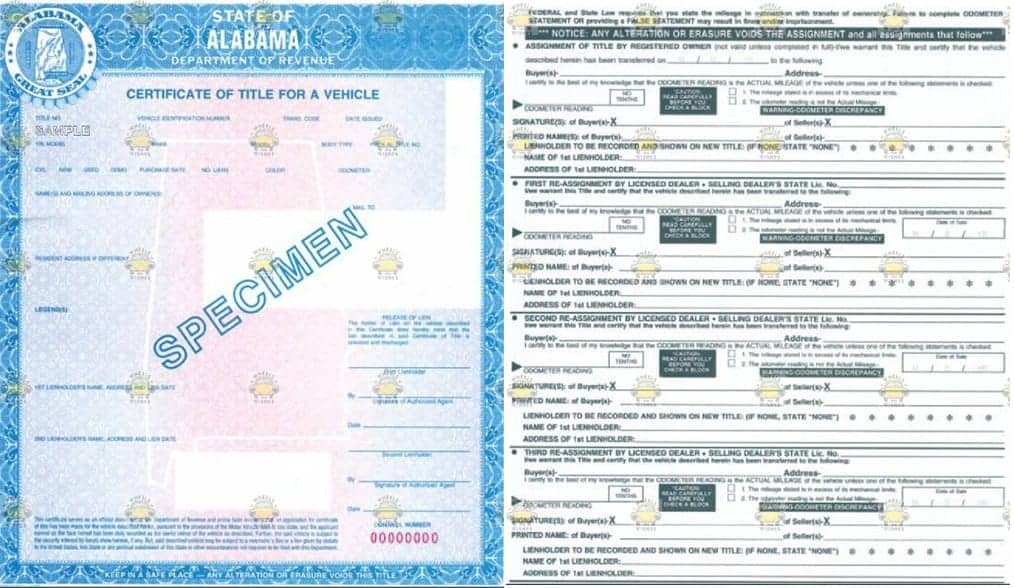
Once the application is processed and approved, the Department of Revenue will issue a new title marked as “Rebuilt.” This rebuilt title signifies that the vehicle has met the state’s safety and repair standards and can now be legally registered.
Registering the Rebuilt Vehicle
The final step is to register the vehicle with its newly issued rebuilt title. This is done at a county probate judge’s office or through the Alabama Department of Revenue’s online portal, if available. The registration process involves:
- Presenting the Rebuilt Title: This is the primary document required.
- Proof of Insurance: As mentioned, Alabama mandates minimum liability coverage.
- Payment of Registration Fees and Ad Valorem Tax: These vary based on the vehicle’s age, value, and weight.
- Obtaining License Plates: Upon successful registration, the owner will be issued license plates for the vehicle.
It is important to note that a vehicle with a rebuilt title may have limitations on its use or may be subject to further inspections in the future, depending on specific state regulations.
Potential Challenges and Considerations
While it is possible to register a salvage title vehicle in Alabama after it has been rebuilt and inspected, there are several potential challenges and considerations to keep in mind.
Cost of Repairs
The cost of repairing a salvage vehicle can often exceed the initial expectations. The extent of the damage may be more severe than it initially appears, and specialized parts or labor might be required. It is advisable to get thorough estimates and budget accordingly, factoring in the potential for unexpected expenses.
Difficulty in Obtaining Insurance
Some insurance companies may be hesitant to insure vehicles with a rebuilt title. They may charge higher premiums or require a more comprehensive inspection of the vehicle before offering coverage. It is recommended to shop around for insurance providers that are experienced with insuring rebuilt vehicles.
Resale Value
Vehicles with a rebuilt title typically have a lower resale value compared to vehicles with a clean title. Buyers may be wary of purchasing a vehicle that has a history of significant damage, even if it has been repaired and inspected. This is an important factor to consider if the intention is to sell the vehicle in the future.
Legal and Ethical Implications
It is paramount to ensure that all repairs are conducted honestly and that the inspection process is not circumvented. Tampering with titles or falsifying inspection reports can lead to severe legal penalties, including fines and imprisonment. The goal of the salvage and rebuilt title process is to ensure vehicle safety, and it should be approached with integrity.
Specific Component Requirements
Depending on the nature of the damage, certain components may have specific repair or replacement requirements to pass the inspection. For instance, if the frame was damaged, repairs must be meticulously documented and certified. Similarly, if the vehicle was stolen, all identification numbers (VINs) must be verified.

Conclusion: A Viable Path with Diligence
Registering a salvage title vehicle in Alabama is a multi-step process that requires significant effort, investment, and adherence to state regulations. By understanding the distinction between salvage and rebuilt titles, diligently following the repair and inspection procedures, and being prepared for the associated costs and potential challenges, owners can successfully navigate the system. The rebuilt title signifies that a vehicle, once deemed a total loss, has been restored to a safe and legal standard, allowing it to once again contribute to the vibrant automotive landscape of the Heart of Dixie. It’s a path that, while demanding, can offer a rewarding outcome for those who are committed to the meticulous restoration of their vehicle.
LifeOutOfTheBox is a participant in the Amazon Services LLC Associates Program, an affiliate advertising program designed to provide a means for sites to earn advertising fees by advertising and linking to Amazon.com. Amazon, the Amazon logo, AmazonSupply, and the AmazonSupply logo are trademarks of Amazon.com, Inc. or its affiliates. As an Amazon Associate we earn affiliate commissions from qualifying purchases.