
Embarking on a transatlantic journey from New York to London is a classic travel experience, bridging two of the world’s most dynamic cities. While the question of flight duration might seem straightforward, several factors contribute to the actual time spent in the air, and consequently, the overall travel experience. Understanding these elements can help you plan your trip more effectively, from booking your flights to managing expectations upon arrival.
Direct Flight Durations: The Standard Route
For most travelers, the primary consideration is the non-stop flight. These direct services offer the most efficient way to traverse the Atlantic, minimizing transit times and the potential for travel disruptions.
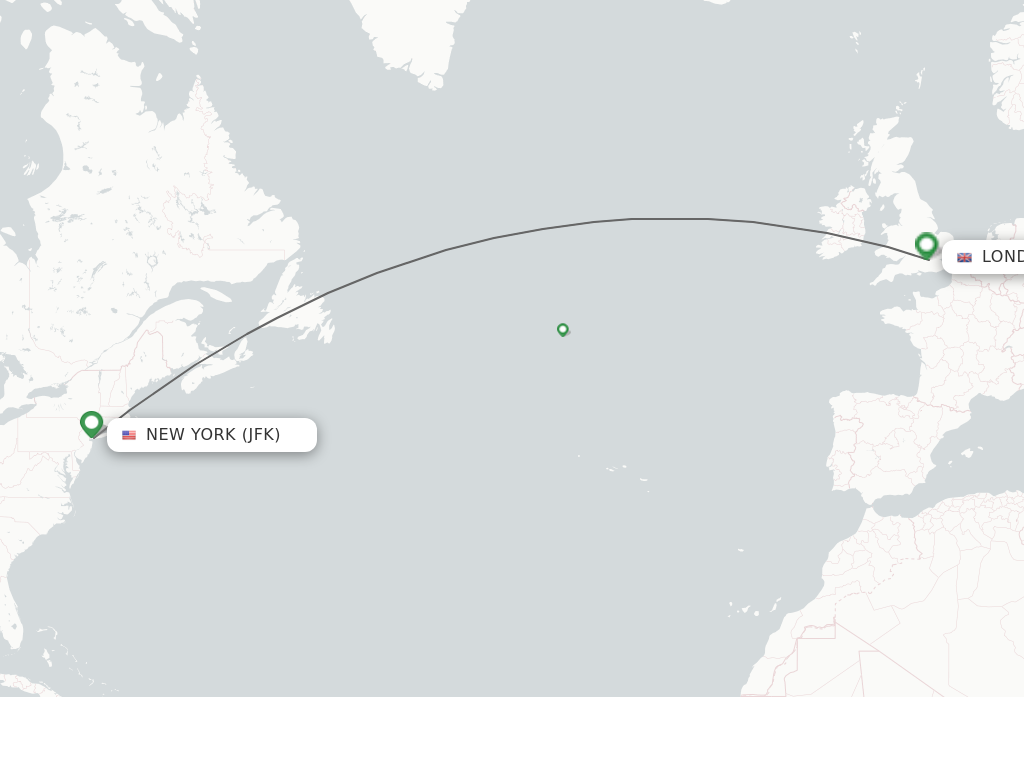
Average Flight Time
On average, a direct flight from a major New York airport, such as John F. Kennedy International Airport (JFK) or Newark Liberty International Airport (EWR), to a major London airport, like Heathrow Airport (LHR) or London Gatwick Airport (LGW), clocks in at approximately 7 to 8 hours. This figure represents the time spent airborne.
The Impact of Jet Stream
The transatlantic jet stream plays a significant role in determining flight times. This powerful band of wind, flowing from west to east at high altitudes, can either accelerate or decelerate aircraft.
- Westbound Flights (London to New York): Flights traveling from London to New York are typically longer. This is because they are flying against the prevailing westerly winds of the jet stream. Consequently, these eastbound journeys often take closer to 8 to 9 hours.
- Eastbound Flights (New York to London): Conversely, flights heading from New York to London benefit from the tailwind of the jet stream. This push significantly reduces flight time, bringing the average closer to the 7-hour mark, and sometimes even a few minutes less.
Airlines and pilots closely monitor the jet stream to optimize flight paths and minimize fuel consumption, which can lead to slight variations in recorded flight times even on the same routes.
Airline Variations
While the average is a good guideline, different airlines might have slightly different scheduled flight times. This can be due to factors such as the specific aircraft model used, the chosen flight path, and operational procedures. For instance, a Boeing 747 might have a different cruising speed and optimal altitude compared to a Boeing 777 or an Airbus A350, subtly influencing the overall journey time.
Factors Influencing Flight Duration Beyond the Direct Route
Beyond the core flight time, several other elements contribute to the total travel duration when flying from New York to London. These are crucial to consider for comprehensive travel planning.
Connecting Flights
Many travelers opt for connecting flights for various reasons, including cost savings or the desire to visit an intermediate city. However, this inevitably adds to the total travel time.
- Layover Duration: The length of your layover is the most significant contributor to extended travel time. A short layover of an hour or two will add less to your journey than a layover of six hours or more.
- Connection Airports: The efficiency of the connecting airport also plays a role. Navigating larger, busier airports like Amsterdam Airport Schiphol or Paris Charles de Gaulle Airport can take more time than smaller hubs.
- Number of Connections: Flights with multiple connections will naturally result in the longest overall travel times, potentially extending a journey to 15 hours or more, including all flight segments and layovers.
Airport Procedures
The time spent at airports before departure and upon arrival is a critical component of the total travel experience, even if not part of the airborne flight.
- Check-in and Security: Arriving at major international airports like JFK or Heathrow well in advance is essential. For international flights, recommended arrival times are typically 3 hours before departure. This allows ample time for check-in, baggage drop, and navigating security checkpoints, which can experience significant queues, especially during peak travel seasons.
- Immigration and Customs: Upon arrival in London, you will need to clear immigration and customs. The time this takes can vary greatly depending on the volume of arriving flights and the efficiency of the border control process. For Heathrow, particularly Terminal 5, dedicated queues for different passport holders and the availability of e-gates can influence this duration.
- Baggage Claim: Waiting for checked luggage can add another 15 to 45 minutes or more to your arrival process.
- Travel to/from Airports: Remember to factor in travel time to and from the airports at both ends of your journey. This can range from 30 minutes to over an hour, depending on traffic conditions and your specific location within New York or London. For instance, traveling from Manhattan to JFK can take longer than from certain parts of Queens. Similarly, getting from Heathrow into central London via the Heathrow Express is faster but more expensive than using the Piccadilly Line on the Underground.
Preparing for Your Transatlantic Flight
Maximizing comfort and minimizing the impact of jet lag are key considerations for any long-haul flight. Understanding the flight duration is the first step.
Choosing Your Flight
When booking your flight from New York to London, carefully review the total travel time, including layovers if applicable. Direct flights are almost always the quickest option. Look at the specific departure and arrival times to ensure they align with your schedule and help you adapt to the local time upon arrival. Flying eastbound, departing New York in the evening and arriving in London the following morning, is a popular choice for minimizing disruption to your sleep schedule.
In-Flight Comfort and Experience
While the flight duration is fixed by physics and routing, your in-flight experience can be enhanced.
- Airline Choice: Different airlines offer varying levels of service, seat comfort, and entertainment options. Consider premium economy or business class for enhanced comfort on such a significant journey. Airlines like British Airways and Virgin Atlantic are well-known for their transatlantic services.
- Seat Selection: Choosing a window seat can offer a distraction with the views, while an aisle seat provides easier access to the lavatory and to stretch your legs. Being in front of the wings often provides a slightly smoother ride.
- Entertainment: Most long-haul flights offer a selection of movies, TV shows, and music. Bringing your own downloaded content or a good book can supplement this.
- Comfort Items: Investing in a good neck pillow, eye mask, and noise-canceling headphones can make a significant difference in your ability to rest during the flight.
- Hydration and Movement: Staying hydrated by drinking plenty of water and moving around the cabin periodically can help combat the effects of dry cabin air and reduce the risk of deep vein thrombosis.
Jet Lag Management
The 5-hour time difference between New York and London means jet lag is a common concern.
- Adjust Your Sleep Schedule: A few days before your flight, start adjusting your sleep schedule to align with London time. Go to bed and wake up an hour earlier each day.
- During the Flight: Try to sleep on the plane if it’s nighttime in London. Avoid excessive alcohol and caffeine, which can disrupt sleep patterns.
- Upon Arrival: Upon landing in London, expose yourself to natural daylight as much as possible. Stick to the local meal and sleep times. Resist the urge to nap for extended periods during the day.
Finalizing Your Travel Plans
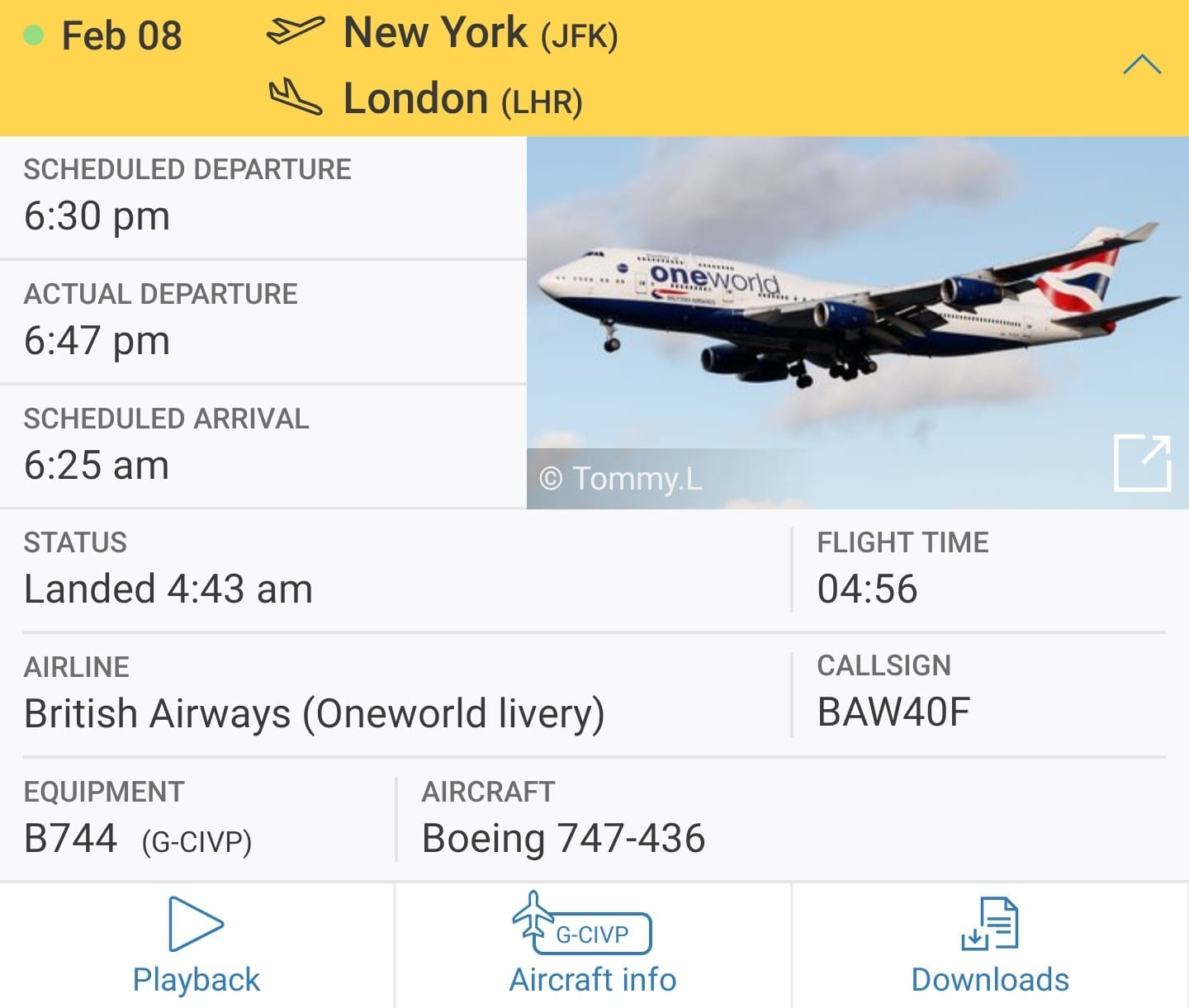
The flight from New York to London is a substantial journey, typically ranging from 7 to 9 hours in the air for direct flights. However, the total travel time, from leaving your doorstep to reaching your London accommodation, can easily extend to 12-15 hours or more when considering airport procedures and potential layovers. By understanding the contributing factors – from the powerful jet stream to the intricacies of airport operations – and by preparing adequately, travelers can ensure a smoother and more enjoyable transatlantic adventure, arriving in London ready to explore the rich tapestry of experiences the city offers, from historical landmarks like the Tower of London to vibrant West End shows.
LifeOutOfTheBox is a participant in the Amazon Services LLC Associates Program, an affiliate advertising program designed to provide a means for sites to earn advertising fees by advertising and linking to Amazon.com. Amazon, the Amazon logo, AmazonSupply, and the AmazonSupply logo are trademarks of Amazon.com, Inc. or its affiliates. As an Amazon Associate we earn affiliate commissions from qualifying purchases.