
When planning a visit to the vibrant metropolis of Chicago, understanding the local time is a fundamental yet crucial aspect for seamless travel. More than just knowing the hour, it’s about aligning with the rhythm of the city, from its early morning cultural awakenings to its late-night entertainment offerings. Chicago operates on Central Time, which has two distinct periods: Central Standard Time (CST) and Central Daylight Time (CDT). This temporal duality is a cornerstone for travelers, impacting everything from flight schedules and hotel check-ins to the timing of popular attractions and dining reservations.
Understanding Chicago’s Time Zone: Central Time
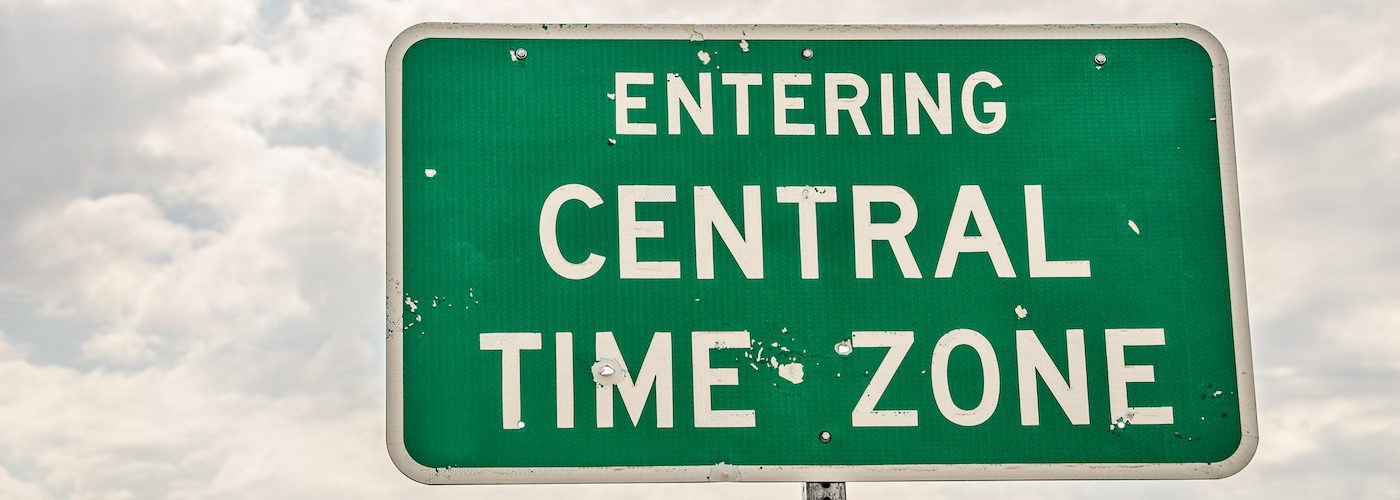
Chicago is situated within the Central Time Zone of North America. This zone spans a broad geographical area, encompassing states from Texas to North Dakota. The consistent application of Central Time ensures that businesses, transportation networks, and daily life operate in sync across this vast region. For any visitor, regardless of their point of origin, grasping the intricacies of this time zone is the first step in navigating the city effectively.

Central Standard Time (CST)
During the fall and winter months, Chicago observes Central Standard Time (CST). This period typically begins on the first Sunday in November and concludes on the second Sunday in March. CST is UTC-6, meaning it is six hours behind Coordinated Universal Time. When planning a trip during these colder months, remember that clocks will be set back from Daylight Saving Time. This means if you are traveling from a region that observes a different time-saving schedule, you’ll need to account for this shift. For instance, a traveler from New York, which observes Eastern Standard Time (EST) and is UTC-5, will find Chicago one hour behind. Conversely, someone arriving from Los Angeles, which is on Pacific Standard Time (PST) and UTC-8, will find Chicago three hours ahead. This understanding is vital for coordinating with local contacts, booking tours, and ensuring you don’t miss any pre-arranged activities.
Central Daylight Time (CDT)
As spring transitions into summer and the days lengthen, Chicago switches to Central Daylight Time (CDT). This shift, known as Daylight Saving Time, generally starts on the second Sunday in March and ends on the first Sunday in November. CDT is UTC-5, one hour ahead of CST. During this period, Chicago is on the same time as New York (which observes EDT during this period). This temporal adjustment is common in many parts of the United States and Canada, and it’s essential for travelers to be aware of when this transition occurs to avoid confusion. For international travelers, understanding the relationship between CDT and UTC is critical for accurate time calculations. For example, a traveler from London, which observes Greenwich Mean Time (GMT) or British Summer Time (BST), will need to calculate the difference accordingly.
Navigating Chicago with Time Zone Awareness
The practical implications of Chicago’s time zone extend far beyond simply knowing the hour. It influences the entire tourist experience, from the timing of popular activities to the operational hours of various establishments.
Optimizing Your Itinerary
When mapping out your days in Chicago, consider how the time zone affects your schedule. For example, if you’re eager to catch a sunrise over Lake Michigan, its timing will vary depending on whether Daylight Saving Time is in effect. Similarly, the best times for popular outdoor activities, such as a stroll through Millennium Park or a boat tour along the Chicago River, are often best enjoyed during daylight hours, and the exact times of sunrise and sunset will shift throughout the year. Evening entertainment, from Broadway shows at the CIBC Theatre to jazz clubs in the Loop, also operates on local time, and knowing the time zone helps in planning your evenings and any dinner reservations.
Coordinating with Local Services

Transportation, whether it’s booking airport transfers or understanding public transit schedules, relies heavily on accurate timekeeping. If you are arriving at O’Hare International Airport or Midway International Airport, ensure your booking confirmations and pickup times are aligned with Chicago’s local time. Similarly, if you’ve arranged for any guided tours or excursions, double-check that all meeting times are specified in Central Time. Many tour operators, especially those offering early morning or late evening experiences, will explicitly state their times in CDT or CST. For those staying in hotels, understanding the local time is also crucial for check-in and check-out procedures, as well as for accessing hotel amenities like spas or restaurants that may have specific operating hours.
Embracing the Local Pace
Beyond logistics, understanding the time zone can also help you connect with the local rhythm of Chicago. The city has a distinct energy that ebbs and flows with the hours. Early mornings might find locals and early birds enjoying coffee in neighborhoods like Lincoln Park or grabbing breakfast before heading to iconic museums like the Art Institute of Chicago. Midday is often bustling with activity, from business meetings to lunchtime crowds at popular eateries in the West Loop. Evenings are a time for cultural immersion, with theaters, live music venues, and world-class restaurants coming alive. By being attuned to Chicago’s temporal patterns, you can more fully immerse yourself in the city’s dynamic atmosphere and truly experience what makes it such a compelling destination.
Frequently Asked Questions About Chicago Time
As travelers prepare for their journeys, several common questions arise regarding Chicago’s time zone. Addressing these proactively can alleviate potential confusion and ensure a smoother travel experience.
When Does Chicago Change to Daylight Saving Time?
Chicago observes Daylight Saving Time annually. The transition to Central Daylight Time (CDT) occurs on the second Sunday in March, when clocks are moved forward by one hour. This means that the early morning hours of that Sunday will see a shift from 2:00 AM CST to 3:00 AM CDT. Conversely, the return to Central Standard Time (CST) happens on the first Sunday in November, when clocks are set back by one hour at 2:00 AM local time. Staying aware of these specific dates is important for travelers whose visits coincide with these transition periods.
What is the Time Difference Between Chicago and New York?
The time difference between Chicago and New York depends on whether Daylight Saving Time is active in both cities. When both cities are observing their standard times (CST and EST), Chicago is one hour behind New York. Once both cities move to Daylight Saving Time (CDT and EDT), Chicago remains one hour behind New York. This consistent one-hour difference simplifies coordination between these two major hubs.
Is Chicago on the Same Time as Los Angeles?
No, Chicago and Los Angeles are in different time zones. Chicago observes Central Time (CST/CDT), while Los Angeles observes Pacific Time (PST/PDT). When both cities are on standard time, Chicago is three hours ahead of Los Angeles. During Daylight Saving Time, Chicago is still three hours ahead of Los Angeles, as both regions adjust their clocks by one hour. This significant difference is crucial to remember for scheduling calls or planning travel between these locations.
How Do I Know the Current Time in Chicago?
The most straightforward way to know the current time in Chicago is to check a reliable time source, such as your smartphone’s clock (if set to automatic updates and in the correct time zone), a world clock website, or by asking a local. Most digital devices will automatically adjust to the local time zone when connected to the internet, but it is always wise to verify, especially when traveling internationally. Websites like TimeandDate.com or simply searching “current time in Chicago” on a search engine will provide instant and accurate information. For travelers arriving in Chicago, ensure your mobile device is set to automatically detect the time zone upon arrival.
LifeOutOfTheBox is a participant in the Amazon Services LLC Associates Program, an affiliate advertising program designed to provide a means for sites to earn advertising fees by advertising and linking to Amazon.com. Amazon, the Amazon logo, AmazonSupply, and the AmazonSupply logo are trademarks of Amazon.com, Inc. or its affiliates. As an Amazon Associate we earn affiliate commissions from qualifying purchases.