
Navigating banking services while traveling through California can be a crucial aspect of a seamless trip, whether for leisure, business, or extended stays. Understanding the intricacies of bank operating hours, holiday schedules, and the availability of various financial services is paramount for managing finances effectively and avoiding unexpected inconveniences. California, a vast and diverse state, presents a varied landscape of banking options, from major financial institutions in bustling urban centers to smaller community banks in more rural or remote areas. Planning ahead, particularly for those relying on physical bank branches for transactions, can significantly enhance the travel experience.
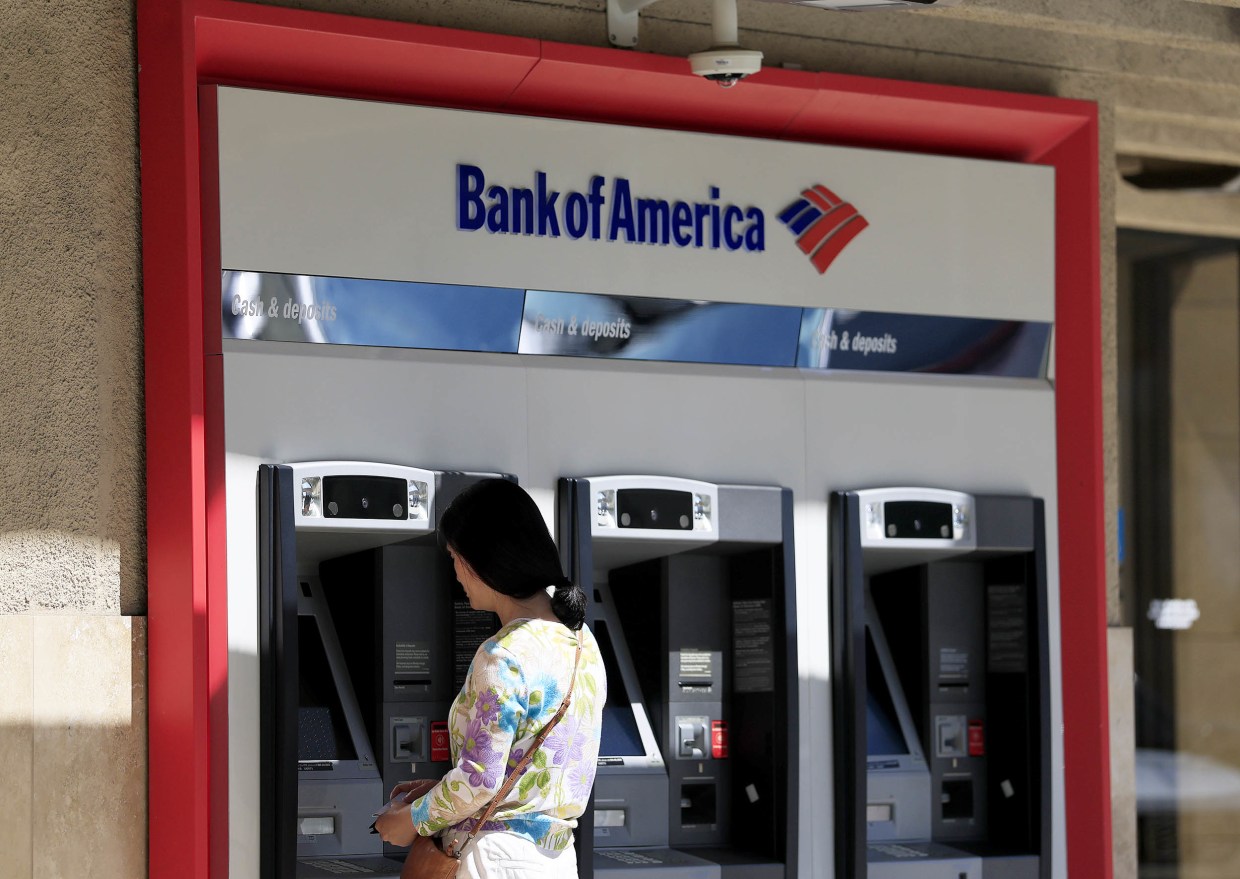
Understanding Banking Hours in California for Travelers
For visitors to California, one of the most common questions revolves around the accessibility of banking services. Unlike retail establishments that often have extended hours, banks adhere to a more standardized schedule, heavily influenced by federal and state regulations.
Standard Operating Hours and Weekends
Most banks in California, including major players like Bank of America, Wells Fargo, Chase, Citibank, and U.S. Bank, operate on a similar weekday schedule. Typically, branches are open from Monday to Friday, generally between 9:00 AM and 5:00 PM. Some branches, particularly those in high-traffic commercial districts or larger cities like Los Angeles or San Francisco, might offer slightly extended hours, perhaps opening at 8:30 AM or closing at 6:00 PM.
Saturday banking is less common but still available at many branches, often with reduced hours, such as 9:00 AM to 1:00 PM or 10:00 AM to 2:00 PM. It is highly advisable to check specific branch hours using the bank’s mobile app or website, especially if Saturday service is essential. Sundays are almost universally observed as non-banking days, with virtually all physical branches remaining closed. This uniformity across the state means that Sunday banking, outside of ATM access or digital services, is generally not an option for travelers.
Federal and State Holidays: What to Expect
A critical factor impacting bank availability is the observance of federal holidays. Banks operating under the Federal Reserve system, which includes most commercial banks, typically close on all federal holidays. This can significantly disrupt plans for travelers who rely on in-person banking services. Key federal holidays observed by banks include:
- New Year’s Day (January 1)
- Martin Luther King, Jr. Day (Third Monday in January)
- Presidents’ Day (Third Monday in February)
- Memorial Day (Last Monday in May)
- Juneteenth National Independence Day (June 19)
- Independence Day (July 4)
- Labor Day (First Monday in September)
- Columbus Day (Second Monday in October)
- Veterans Day (November 11)
- Thanksgiving Day (Fourth Thursday in November)
- Christmas Day (December 25)
When a federal holiday falls on a Saturday, banks typically observe it on the preceding Friday. If it falls on a Sunday, it’s usually observed on the following Monday. Travelers should always consult the official holiday schedule for the current year, often published on bank websites, and plan their financial transactions accordingly to avoid being caught without access to vital services.
Essential Banking Services for Tourists and Visitors
While the primary concern for many travelers is simply whether a bank is open, understanding the specific services available can further streamline their journey through California.
Cash Access: ATMs vs. Teller Services
For many visitors, especially international travelers, cash remains an important component of their travel budget. ATMs are ubiquitous across California, found at bank branches, convenience stores, gas stations, airports, and major tourist attractions. Most ATMs offer 24/7 access to cash withdrawals, balance inquiries, and sometimes deposits. However, it’s important to be aware of potential fees, especially if using an ATM outside your bank’s network. International travelers should also inquire about foreign transaction fees from their home bank.
Teller services, available only during branch operating hours, are essential for larger cash withdrawals, depositing checks, or handling more complex transactions that an ATM cannot facilitate. For visitors needing to exchange foreign currency or requiring specific denominations, a teller service is usually necessary.
Foreign Exchange and International Transactions
International visitors often need to exchange currency. While some larger banks in major cities like Los Angeles, San Francisco, or San Diego may offer foreign currency exchange services, it’s not a universal offering at every branch. Furthermore, the exchange rates offered by banks might not always be the most favorable. Travelers should research currency exchange options before their trip, considering dedicated exchange bureaus or utilizing their debit/credit cards for direct purchases, which often offer competitive exchange rates.
For international wire transfers or other cross-border financial services, a visit to a bank branch during operating hours is typically required. It’s prudent to contact the bank in advance to confirm their capabilities and any documentation needed.
Handling Lost or Stolen Cards While Abroad

Experiencing a lost or stolen credit/debit card can be a significant setback for any traveler. While a bank branch might seem like the natural place to seek help, the immediate action should always be to contact your bank’s 24/7 customer service line. Most major banks offer emergency services for cardholders, including reporting fraud, blocking cards, and arranging for emergency cash or card replacement. While a physical branch can assist with the follow-up, the initial reporting and security measures are best handled through the bank’s dedicated phone or online channels, irrespective of local branch hours.
Digital Banking Solutions: Your Best Travel Companion
In an increasingly digital world, relying solely on physical bank branches is often unnecessary and, for travelers, less convenient. Digital banking tools offer unparalleled flexibility and access, making them invaluable for managing finances on the go in California.
Mobile Banking Apps and Online Portals
Virtually all major banks provide robust mobile banking applications and online portals. These platforms allow travelers to perform a wide array of transactions from their smartphone or laptop, anytime and anywhere, provided they have an internet connection. Key functionalities include:
- Checking account balances and transaction history.
- Transferring funds between accounts.
- Paying bills (if applicable to your California expenses).
- Depositing checks remotely using a mobile device’s camera.
- Locating nearby ATMs or bank branches.
- Setting up transaction alerts and managing security features.
Before traveling, it is highly recommended to download your bank’s app, set up online access, and familiarize yourself with its features. Ensure your contact information with the bank is up to date, especially your phone number for two-factor authentication.
Peer-to-Peer Payment Systems and Digital Wallets
California, particularly its tech-forward cities like Palo Alto and San Francisco, embraces digital payment solutions. Services like Zelle, Venmo, and PayPal are widely used for peer-to-peer money transfers, and many businesses accept digital wallets such as Apple Pay, Google Pay, and Samsung Pay. These methods can reduce the need for physical cash or cards, offering an added layer of convenience and security. Travelers can link their debit or credit cards to these digital wallets, making payments quick and contactless, even when banks are closed.
Navigating Specific Banking Needs Across California’s Regions
The diverse geography and population density of California mean that banking access can vary significantly depending on your location within the state.
Urban Centers vs. Rural Areas
In metropolitan areas such as Los Angeles, San Francisco, San Diego, and Sacramento, bank branches are plentiful, and ATMs are readily available. You’ll find a wide selection of major banks, often with multiple branches within a small radius, making it easier to find one open during business hours.
Conversely, in more rural parts of California, such as the remote areas of Napa Valley, along the Big Sur coast, or near National Parks like Yosemite National Park, Sequoia National Park, or Death Valley National Park, bank branches are far scarcer. In these regions, ATMs might also be less frequent or located only in small towns. It is crucial to withdraw sufficient cash before heading into these less populated areas and to rely heavily on digital payment methods where accepted.
Major Bank Branches vs. Local Credit Unions
While major national banks like Bank of America, Wells Fargo, and Chase have a widespread presence, California also hosts numerous local and regional banks and credit unions. If you bank with one of these smaller institutions, their branch network might be limited. Travelers should verify if their bank has branches or partner ATMs in their travel itinerary. Many credit unions participate in a shared branching network, allowing members to conduct transactions at participating credit unions across the country, which can be a lifeline for members traveling through California.
Planning Ahead for Remote Destinations
For travelers venturing to truly remote destinations within California, such as wilderness areas or very small coastal towns, banking access could be severely restricted or nonexistent. Reliable internet and cell service might also be spotty, rendering digital banking less effective. In such scenarios, prudent planning involves:
- Withdrawing enough cash to cover expenses for several days.
- Carrying multiple payment methods (e.g., two different credit cards, a debit card).
- Informing your bank of your travel plans to prevent card issues due to unusual transaction locations.
- Having a backup plan for emergencies, such as a travel fund or access to a trusted family member’s financial support.
In conclusion, while “Are banks open today in California?” is a simple question, its answer involves understanding standard operating hours, federal holidays, and leveraging modern digital solutions. For any visitor to the Golden State, a little foresight and preparation regarding banking needs can significantly contribute to a more enjoyable and stress-free journey.
LifeOutOfTheBox is a participant in the Amazon Services LLC Associates Program, an affiliate advertising program designed to provide a means for sites to earn advertising fees by advertising and linking to Amazon.com. Amazon, the Amazon logo, AmazonSupply, and the AmazonSupply logo are trademarks of Amazon.com, Inc. or its affiliates. As an Amazon Associate we earn affiliate commissions from qualifying purchases.