
Understanding the rental market in Colorado is crucial for anyone considering a move to the Centennial State, whether for its renowned outdoor recreation, burgeoning tech scene, or vibrant cultural offerings. Colorado boasts a diverse range of living environments, from the bustling urban centers of Denver and Boulder to the charming mountain towns and sprawling rural landscapes. This variability significantly impacts rental prices, making a generalized answer elusive. Instead, a nuanced approach, considering location, property type, and amenities, is necessary to accurately gauge rental costs.
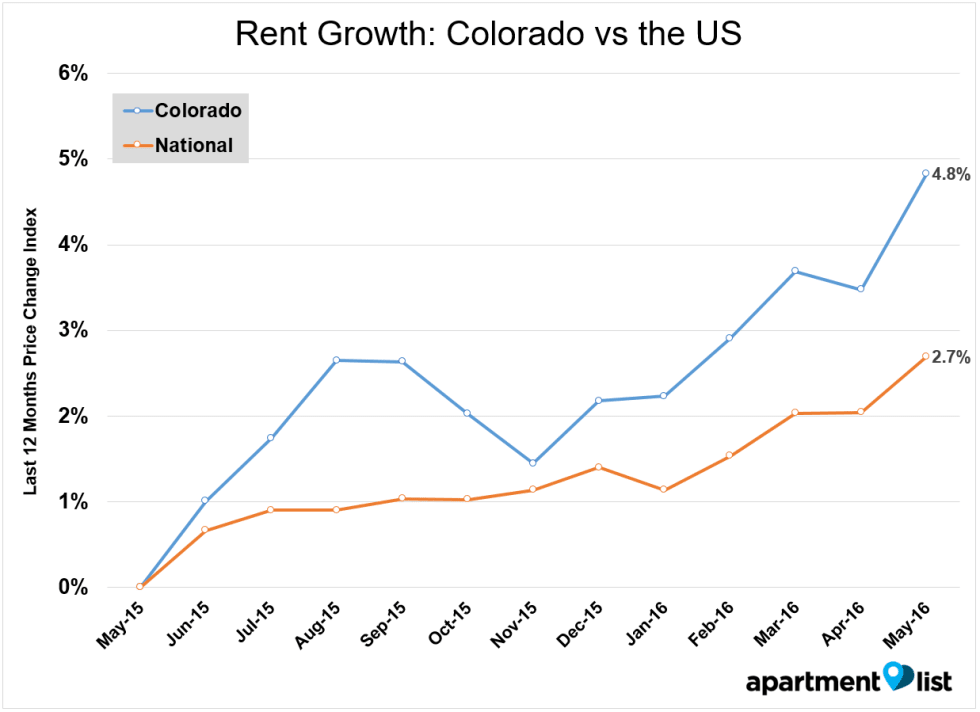
The state’s popularity has led to a consistent demand for housing, which, coupled with a slower-than-needed supply growth in many areas, has driven rental rates upward over the past decade. This trend is particularly pronounced in the Front Range corridor, the most populous region of Colorado. However, even within this corridor, significant price disparities exist. For instance, renting an apartment in downtown Denver will likely command a higher price than a similar unit in a suburban area or a smaller city like Fort Collins.
Factors Influencing Colorado Rental Prices
Several key factors contribute to the overall cost of renting in Colorado. Understanding these variables will empower prospective renters to better budget and search for suitable accommodations.
Location, Location, Location
The adage “location, location, location” holds immense weight in the Colorado rental market.
Major Metropolitan Areas vs. Smaller Cities
Major metropolitan areas such as Denver, Boulder, and Colorado Springs consistently feature higher rental rates. These cities offer more job opportunities, a wider array of entertainment and dining options, and generally more robust public transportation systems, all of which contribute to increased demand and, consequently, higher rents. For example, the average rent for a one-bedroom apartment in Denver can often exceed $1,700-$1,900 per month, while a similar unit in a smaller city like Pueblo might range from $1,100-$1,300.
Mountain Towns
Colorado’s picturesque mountain towns, such as Aspen, Vail, and Breckenridge, are known for exceptionally high rental costs, especially during peak tourist seasons. While these areas offer unparalleled access to skiing and outdoor adventures, the limited housing stock and high demand from both seasonal workers and affluent residents drive prices significantly higher than in the plains. Rental prices in these resort towns can easily surpass $2,500-$3,000 for even a modest apartment, and significantly more for larger homes or luxury accommodations.
Rural and Suburban Areas
Conversely, rental prices tend to be more affordable in rural areas and less central suburban neighborhoods. While these locations may offer a quieter lifestyle and more space, they often come with longer commutes to major employment centers and fewer local amenities. However, for those prioritizing affordability and a slower pace of life, these areas can provide significant cost savings.
Property Type and Size
The type and size of the rental property are direct determinants of cost.
Apartments and Condominiums
The most common rental options are apartments and condominiums. Studio apartments offer the lowest price point, followed by one-bedroom, two-bedroom, and larger units. The average rent for a studio apartment in Colorado might start around $1,200-$1,400 in less expensive areas and climb to $1,600-$1,800 or more in popular urban locales. A two-bedroom apartment, often sought after by families or roommates, can range from $1,500-$2,000 in smaller towns to $2,200-$2,800+ in cities like Denver.
Single-Family Homes
Renting a single-family home generally commands a higher price than an apartment of equivalent size due to the added space, privacy, and often, yard maintenance. The cost of a three-bedroom house can vary dramatically, from $1,800-$2,500 in more affordable regions to $3,000-$4,500 or even higher in desirable neighborhoods of Denver or Boulder.
Townhouses and Duplexes
Townhouses and duplexes often fall into a middle ground, offering more space than an apartment but less privacy than a detached home, with corresponding rental prices.
Amenities and Features
The amenities offered within a rental property and its surrounding community significantly influence its price.
In-Unit Amenities
Modern appliances, in-unit washer and dryer, updated finishes, and ample closet space are desirable features that can increase rental value. Properties with central air conditioning are also highly sought after, especially in Colorado’s warmer months.
Community Amenities
Rental communities that offer extensive amenities, such as swimming pools, fitness centers, dog parks, community lounges, and on-site management, typically charge higher rents to cover the costs of maintaining these facilities. Gated communities or those with enhanced security features also often command a premium.
Utilities Included
It’s important to clarify which utilities are included in the rent. Some apartments may include water, sewer, and trash, while others require tenants to pay for all utilities, including electricity, gas, and internet. Properties where more utilities are covered will naturally have a higher base rent.
Average Rental Costs Across Key Colorado Cities
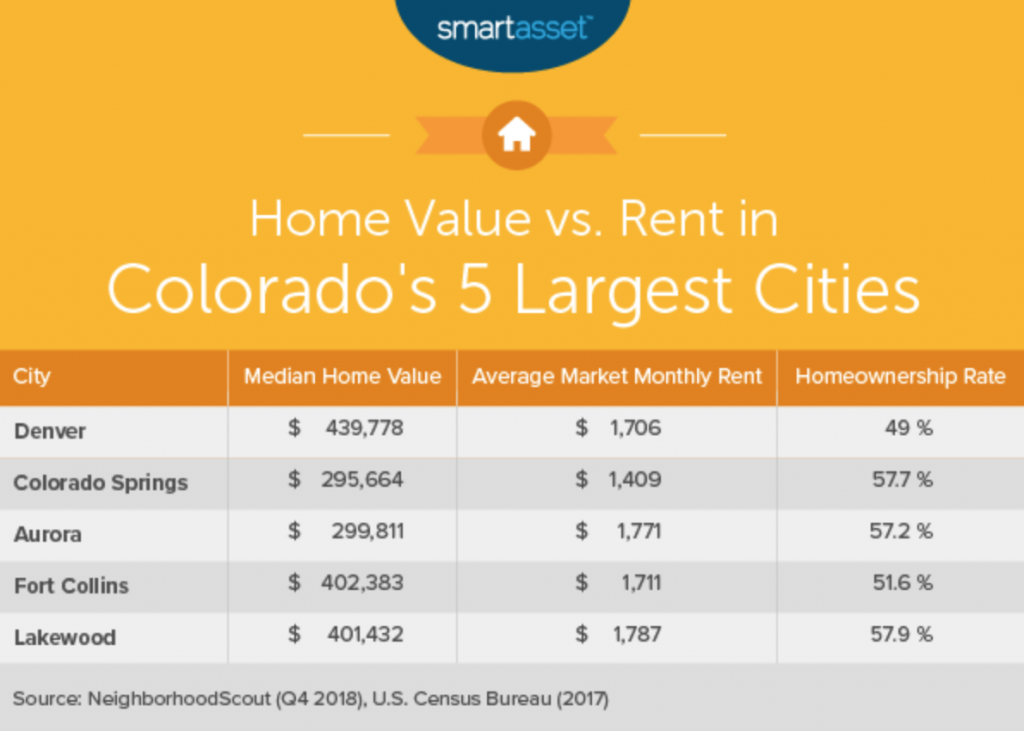
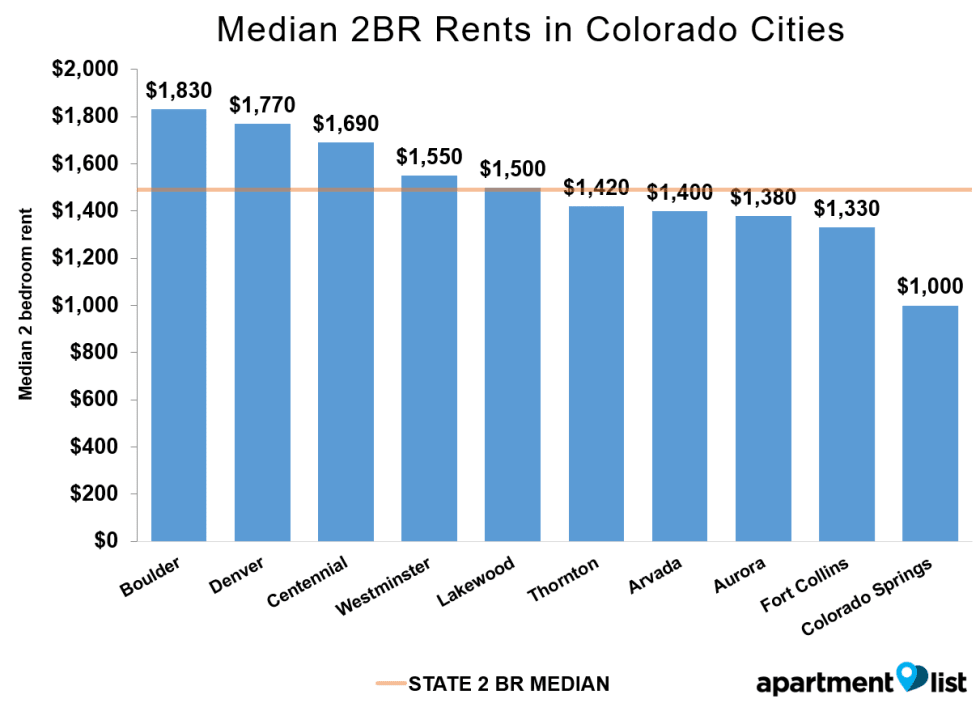
To provide a more concrete understanding, let’s examine average rental costs for a two-bedroom apartment in some of Colorado’s prominent cities. These figures are estimates and can fluctuate based on the specific neighborhood, building age, and current market conditions.
Denver Metro Area
As the state capital and largest city, Denver is a hub of activity and economic growth, leading to significant rental demand.
- Downtown Denver / Cherry Creek: Expect to pay upwards of $2,500 – $3,200+ for a two-bedroom apartment in these upscale and central districts.
- Denver Suburbs (e.g., Aurora, Lakewood, Centennial): Rents in these areas typically range from $2,000 – $2,600 for a two-bedroom unit.
- North Denver / Westminster: Prices can be slightly more moderate, often between $1,900 – $2,400.
Boulder
Renowned for its natural beauty, outdoor lifestyle, and prestigious university, Boulder is one of the most expensive rental markets in Colorado.
- Central Boulder: A two-bedroom apartment here can easily cost $2,600 – $3,500+.
- Surrounding Areas: Even in nearby towns like Louisville or Lafayette, rents for comparable units will likely be in the $2,200 – $2,800 range.
Fort Collins
A vibrant university city with a strong craft beer scene and access to outdoor activities, Fort Collins offers a slightly more affordable alternative to Boulder or Denver.
- Average Two-Bedroom Rent: Expect prices to range from $1,800 – $2,300.
Colorado Springs
The second-largest city in [Colorado](https://lifeoutthrownbox.com/colorado Springs), known for its stunning natural landmarks like Garden of the Gods and proximity to Pikes Peak, offers relatively more affordable rental options.
- Average Two-Bedroom Rent: You can typically find two-bedroom apartments for $1,600 – $2,100.
Mountain Communities (e.g., Breckenridge, Aspen)
As mentioned, rental prices in popular mountain towns are exceptionally high due to limited supply and high demand.
- Average Two-Bedroom Rent: A two-bedroom unit in places like Breckenridge or Vail can range from $2,500 – $4,000+, with seasonal fluctuations. Aspen is consistently one of the most expensive real estate markets in the country, with rents reflecting this.
Tips for Navigating the Colorado Rental Market
Securing affordable and suitable accommodation in Colorado requires a strategic approach.
Start Your Search Early
The rental market, especially in popular areas, moves quickly. Begin your search at least 1-2 months before your desired move-in date to have the best selection.
Be Prepared with Documentation
Landlords and property managers typically require a rental application, proof of income (e.g., pay stubs, offer letters), credit checks, and references. Having these documents readily available can help you secure a property before others.
Factor in Additional Costs
Beyond monthly rent, be aware of potential additional costs such as security deposits (usually one month’s rent), pet fees, parking fees, and application fees.
Consider Roommate Situations
To mitigate high rental costs, especially in expensive cities like Denver or Boulder, consider finding roommates. Sharing a larger apartment or house can significantly reduce individual monthly expenses.
Explore Different Neighborhoods
Don’t limit your search to only the most desirable or central neighborhoods. Exploring slightly further-out areas or less trendy districts can yield more affordable options without sacrificing too much convenience.
Look Beyond Major Listing Sites
While popular websites like Zillow, Apartments.com, and Craigslist are valuable, also check local property management company websites and even local social media groups dedicated to rentals in specific Colorado communities.
By understanding the multifaceted nature of Colorado’s rental market and employing a proactive search strategy, prospective renters can successfully navigate the landscape and find a place to call home in this beautiful state.
LifeOutOfTheBox is a participant in the Amazon Services LLC Associates Program, an affiliate advertising program designed to provide a means for sites to earn advertising fees by advertising and linking to Amazon.com. Amazon, the Amazon logo, AmazonSupply, and the AmazonSupply logo are trademarks of Amazon.com, Inc. or its affiliates. As an Amazon Associate we earn affiliate commissions from qualifying purchases.