
As travelers plan their journeys, understanding the financial implications of visiting or relocating to a new destination is paramount. For those considering a trip to the Deep South, particularly the state of Alabama, a crucial question often arises: Does Alabama have income tax? The answer has significant implications for both short-term visitors and those contemplating a longer stay, impacting budgets for everything from booking a cozy cabin near Lake Martin to managing finances during an extended exploration of historic Mobile. This guide delves into Alabama’s tax structure, focusing on how it might affect your travel experience and financial planning.
Understanding Alabama’s Tax Landscape for Visitors
The immediate answer to “Does Alabama have income tax?” is a nuanced yes, but with critical distinctions for tourists versus residents. For the vast majority of travelers whose visits are temporary and who are not earning income within the state, the presence of state income tax has minimal to no direct impact. This is because Alabama’s income tax is levied on income earned by individuals and corporations residing in or conducting business within the state.
Income Tax for Tourists: A Minimal Factor
If your primary purpose for visiting Alabama is leisure – exploring the beaches of Gulf Shores, visiting the USS Alabama Battleship Memorial Park in Mobile, or enjoying the vibrant music scene in Muscle Shoals – you will likely not encounter any direct income tax obligations. Your travel expenses, such as accommodation at a charming boutique hotel in Mountain Brook, dining at local restaurants, or purchasing souvenirs, are subject to sales tax, not income tax.
However, it’s prudent for any traveler to be aware of the general tax environment of their destination. While Alabama does not tax your income earned elsewhere, understanding its tax policies can provide a broader perspective on the state’s economy and its approach to revenue generation. This knowledge can be particularly helpful if you’re considering a longer-term stay, such as a winter escape to a warmer climate or a sabbatical exploring the state’s rich history.
The Role of Sales Tax and Other Levies
While income tax is not a primary concern for most temporary visitors, other taxes will undoubtedly affect your travel budget. Alabama has a state sales tax, which is then supplemented by local (county and municipal) sales taxes. This means the total sales tax rate can vary significantly depending on where you are within the state. For example, the combined sales tax rate in Birmingham will differ from that in Huntsville.
These sales taxes apply to a wide range of goods and services, including lodging, dining, retail purchases, and entertainment. When budgeting for your trip, it’s essential to factor in these local variations. Many online resources and travel guides provide estimated sales tax rates for popular tourist destinations within Alabama, allowing for more accurate financial planning for your stay at a resort or a vacation rental.
In addition to sales tax, travelers may encounter other fees, such as lodging taxes levied by cities and counties to support tourism initiatives, convention centers, or infrastructure improvements. These are typically incorporated into the overall cost of booking a hotel room or vacation rental and are generally transparent during the booking process.
Income Tax for Those Working or Relocating to Alabama
For individuals who are considering working in Alabama during their visit, or who are planning a longer-term relocation, understanding the state’s income tax policies becomes a critical aspect of financial planning.
Alabama’s Income Tax Structure
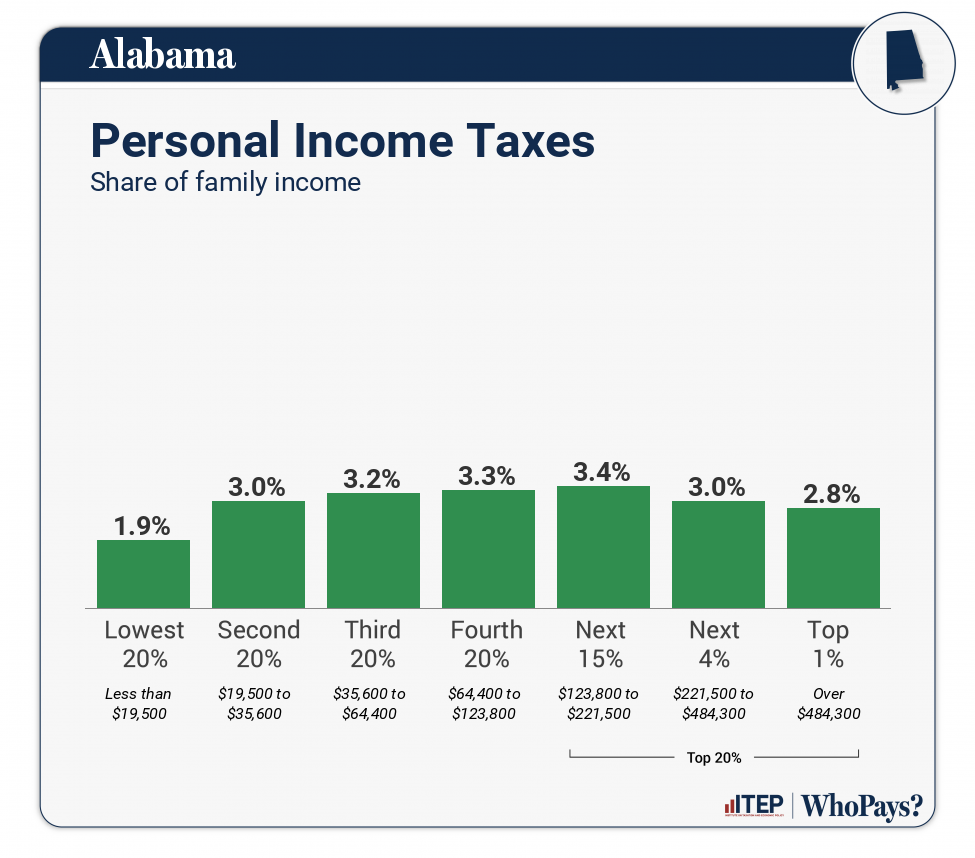
Alabama levies a progressive income tax, meaning that the tax rate increases as income increases. The tax rates are applied to taxable income, which is calculated after deductions and exemptions. The state has a graduated tax rate system, with several brackets.
- Key Components of Alabama Income Tax:
- Taxable Income: This is the portion of your gross income that is subject to taxation after accounting for allowable deductions (e.g., federal income tax deduction, certain retirement contributions) and exemptions (e.g., personal exemptions for yourself, spouse, and dependents).
- Tax Brackets: Alabama uses a system of tax brackets, where different portions of your taxable income are taxed at different rates.
- Filing Status: Your filing status (e.g., single, married filing jointly, head of household) will affect your tax liability.
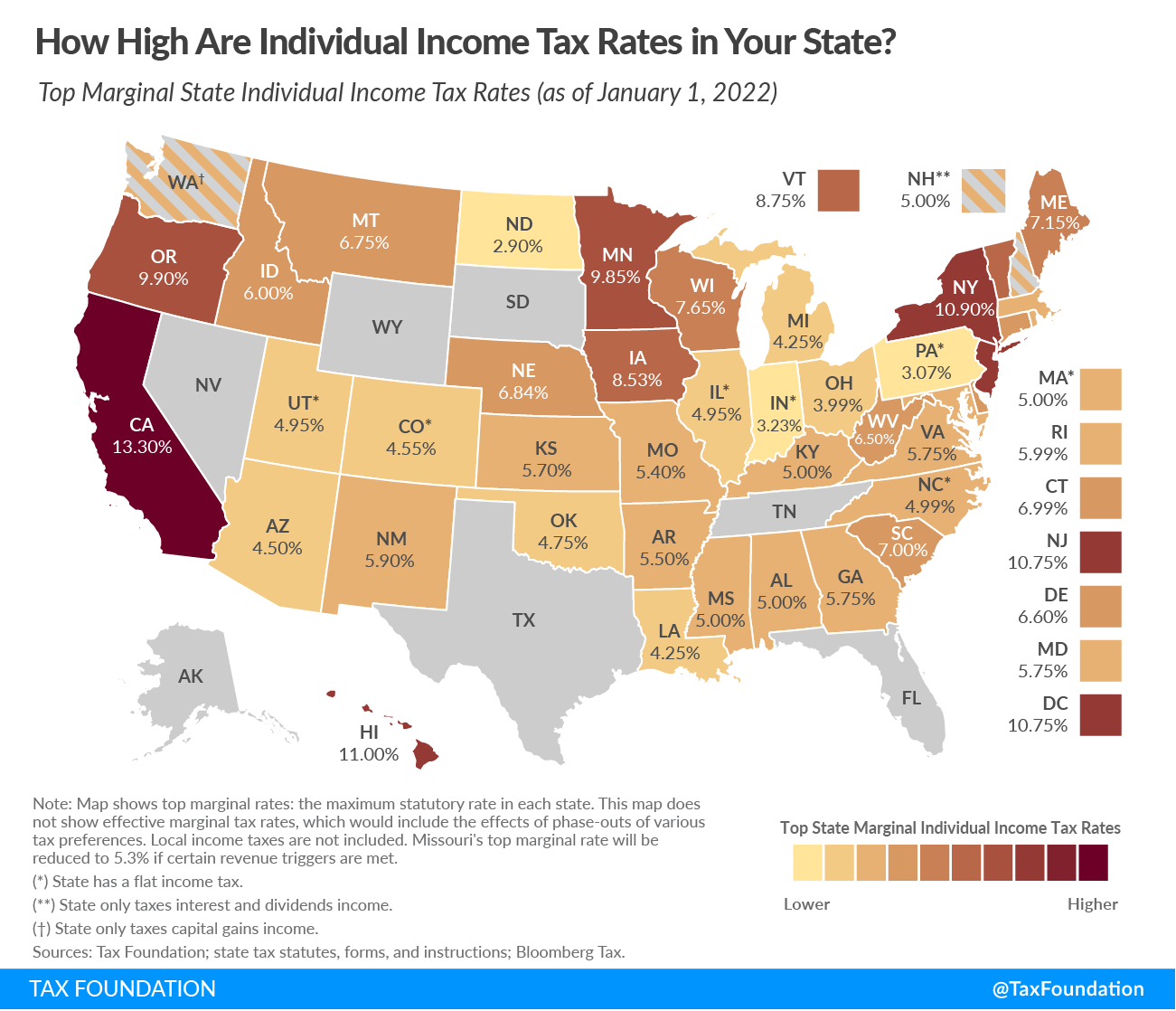
As of recent tax years, the top marginal tax rate for individuals in Alabama has been around 5%, with lower rates applying to lower income brackets. It’s important for anyone earning income in Alabama to consult the latest tax codes and guidelines from the Alabama Department of Revenue to ensure accurate filing and tax payment.
Implications for Extended Stays and Relocation
If your travel plans involve working remotely for an employer based outside of Alabama while staying in the state for an extended period, you may need to consult with a tax professional. Depending on the duration of your stay and the nature of your work, Alabama might consider you a tax resident, obligating you to pay state income tax on income earned during that period.
For individuals planning to relocate to Alabama, understanding the income tax implications is a vital part of the budgeting process. This includes:
- Moving Expenses: While some moving expenses can be deductible, the rules can be complex.
- Property Taxes: In addition to income tax, Alabama has property taxes, which vary widely by county and municipality. This is an important consideration when looking at potential homes or long-term rental apartments.
- Sales Tax: As mentioned earlier, sales tax will impact your day-to-day expenses.
The decision to move to or work in Alabama should involve a thorough review of its tax structure to ensure financial preparedness and compliance.
Navigating Tax-Related Travel Considerations
When planning a trip to Alabama, even for leisure, a general awareness of its tax policies can enhance your travel experience by helping you budget effectively and avoid unexpected costs.
Budgeting for Your Alabama Getaway
For most tourists, the primary tax considerations will revolve around sales tax and potential lodging taxes. When booking your accommodation, whether it’s a luxurious beachfront condo in Orange Beach or a historic inn in Tuscaloosa, always check the total price, which typically includes applicable taxes. Similarly, when dining out or shopping, be mindful that the listed prices do not include sales tax.
- Tip for Budgeting: Add an estimated 8-10% to your anticipated expenses for retail purchases and dining to account for sales tax, though this can vary. Check local tax rates for more precise figures.
Understanding Tourist Tax Incentives (If Any)
While less common for general tourism, some states or regions might offer tax incentives or rebates related to specific types of tourism or business investments. For Alabama, these are generally not applicable to standard leisure travel. However, for businesses considering investment or large-scale event planning, exploring potential economic development incentives through the Alabama Department of Commerce might be worthwhile.
Seeking Professional Advice for Specific Situations
If your travel plans are complex – for instance, if you’re a digital nomad working from Alabama for several months, or if you’re considering purchasing property for vacation rentals – it is highly advisable to consult with a tax professional. They can provide personalized guidance on your specific tax obligations based on your individual circumstances and the duration of your stay. This is particularly important when navigating the intricacies of state residency for tax purposes.

A State of Diverse Economic and Tax Realities
In conclusion, the question of “Does Alabama have income tax?” yields a clear answer for travelers: generally, no, for temporary leisure visitors. However, the state does have a progressive income tax that affects its residents and those who earn income within its borders.
For those planning a visit to explore the natural beauty of Little River Canyon National Preserve, the rich history of Selma, or the cultural attractions of Montgomery, the primary financial consideration will be sales tax. Understanding these distinctions allows for better preparation and a more informed travel experience, ensuring that your focus remains on enjoying all that the great state of Alabama has to offer. Whether you are seeking adventure, relaxation, or cultural immersion, planning your trip with an awareness of the local tax environment will contribute to a smoother and more enjoyable journey.
LifeOutOfTheBox is a participant in the Amazon Services LLC Associates Program, an affiliate advertising program designed to provide a means for sites to earn advertising fees by advertising and linking to Amazon.com. Amazon, the Amazon logo, AmazonSupply, and the AmazonSupply logo are trademarks of Amazon.com, Inc. or its affiliates. As an Amazon Associate we earn affiliate commissions from qualifying purchases.