
For many, the mention of Alabama conjures images of vibrant Southern culture, rich history, and the soulful sounds of blues and country music. Yet, for a significant segment of outdoor enthusiasts, Alabama is synonymous with premier deer hunting, an activity deeply woven into the state’s recreational tourism fabric. Tourists and seasoned hunters alike are drawn to the state’s diverse landscapes, from the rolling hills of the Southern Appalachians to the fertile grounds of the Black Belt Region, each offering unique challenges and opportunities for a memorable hunting experience. Understanding the intricacies of bag limits and regulations is paramount for anyone planning a hunting trip, ensuring both a successful outing and adherence to conservation principles that protect Alabama’s cherished wildlife resources.
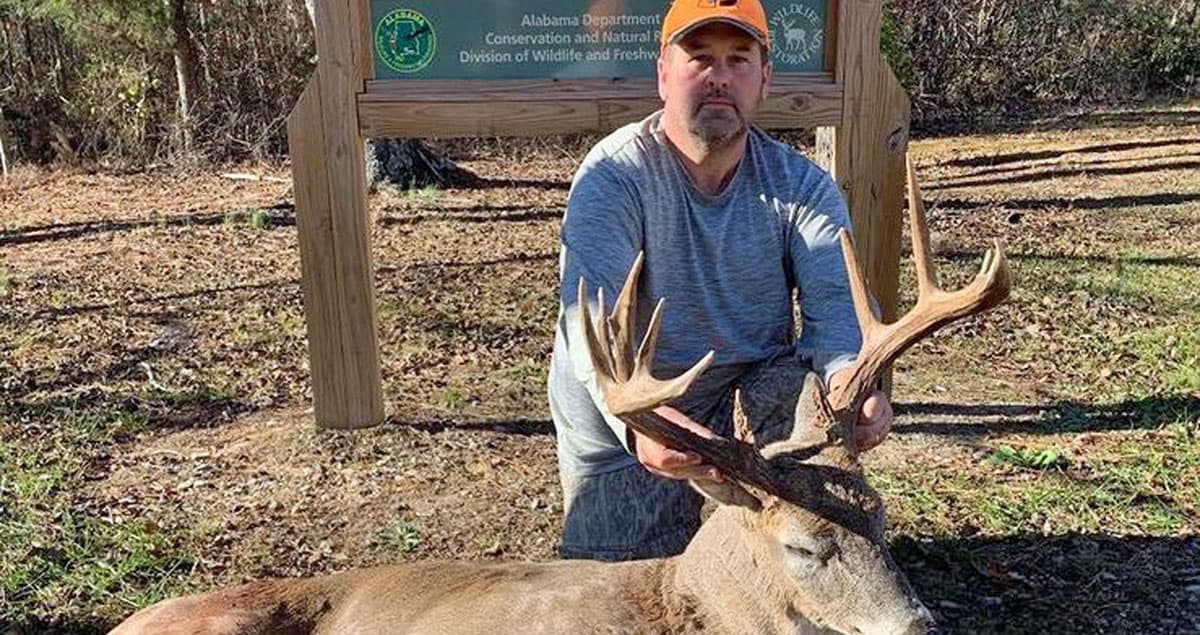
The Allure of Deer Hunting in Alabama
Alabama’s reputation as a top deer hunting destination is not accidental; it’s the result of abundant deer populations, diverse habitats, and a strong tradition of responsible wildlife management. The state attracts thousands of hunters annually, contributing significantly to local economies through permits, gear purchases, lodging, and other tourism-related expenditures. For many, a deer hunt in Alabama is more than just a pursuit of game; it’s an immersive cultural experience, a chance to connect with the land, and an opportunity to partake in a time-honored tradition passed down through generations. The varying terrain and distinct ecological zones mean that hunters can find different challenges and species adaptations across the state, adding to its appeal.
Why Alabama Stands Out
The state boasts one of the highest deer densities in the nation, particularly within its fertile central and southern regions. This abundance is supported by a rich mix of agricultural lands, mature timber forests, and well-managed private properties, providing ideal forage and cover for white-tailed deer. The long hunting seasons, extending from mid-October through early February, further enhance Alabama’s attractiveness, offering ample opportunity for visitors to plan their trips around their schedules. Moreover, the comparatively liberal bag limits, when understood and adhered to, often make Alabama a preferred choice for hunters seeking more substantial harvest opportunities compared to other states.
A Rich Hunting Tradition
Hunting in Alabama is more than a recreational activity; it’s a cultural cornerstone, fostering community and a deep respect for nature. Many rural communities in particular rely on the economic boost provided by visiting hunters, supporting local businesses, outfitters, and guides. This tradition has cultivated a strong ethos of conservation, where hunters actively participate in habitat improvement and wildlife population management. Visitors often find themselves welcomed into this community, learning from local experts and experiencing genuine Southern hospitality alongside their hunting adventure. The shared stories around the campfire or at a local diner in towns like Greensboro or Camden become as much a part of the tourism experience as the hunt itself.
Understanding Alabama’s Deer Hunting Regulations
Navigating the regulations set forth by the Alabama Department of Conservation and Natural Resources (ADCNR) is crucial for any hunter. These rules are designed to manage deer populations sustainably, ensure fair chase, and provide diverse hunting opportunities. The primary consideration for any hunter, especially those visiting, is the statewide bag limit, which dictates the maximum number of deer an individual can harvest during a single season. This limit is often broken down by sex and antler status, with specific provisions for different zones and types of hunting lands.
Statewide Bag Limits: Antlered Bucks
For antlered bucks, the statewide bag limit in Alabama is generally one antlered buck per day, with a seasonal limit of three antlered bucks. This means a hunter can harvest a maximum of three bucks over the entire deer season. It’s important to note that specific regulations may apply to antler size or point restrictions in certain areas, particularly on public lands like Wildlife Management Areas (WMAs) or within the Deer Management Assistance Program (DMAP) properties. Hunters must always consult the most current ADCNR regulations for any such area-specific rules before hunting.
Statewide Bag Limits: Unantlered Does
The limits for unantlered deer (does) are typically more flexible, reflecting the state’s strategy to manage overall herd size and health. The statewide bag limit for unantlered deer is usually one per day, with no seasonal limit, on private lands and areas open to either-sex hunting, unless specified otherwise. However, this general rule often has critical nuances based on the specific deer management zone. In some zones, the legal days for harvesting unantlered deer might be restricted, or specific permit systems might be in place. Always verify the regulations for the particular county or zone where you plan to hunt, as these can vary year to year to address local population dynamics.
The Importance of Zone-Specific Rules
Alabama is divided into several deer management zones, each with potentially distinct season dates and bag limits for unantlered deer. These zones are established based on ecological factors, deer population densities, and land-use patterns. For instance, areas with higher deer populations might have extended “doe days” or more liberal unantlered deer limits to help control herd growth and prevent overbrowsing. Conversely, zones recovering from environmental impacts or those with lower deer numbers might have more restrictive unantlered deer seasons. Ignoring these zone-specific rules can lead to legal penalties and undermines the state’s conservation efforts. Tourist hunters should pinpoint their exact hunting location, whether it’s near Montgomery, Birmingham, or a more rural setting, and then verify the specific zone regulations.
Special Permits and Licenses
Beyond the basic bag limits, hunters must possess valid hunting licenses, which are readily available online through the ADCNR website or at various retail locations throughout the state. Non-resident licenses are structured to allow visitors to participate legally. Additionally, hunters are typically required to obtain a harvest record, which is a crucial tool for recording all harvested deer as mandated by law. This data helps the ADCNR monitor harvest rates and make informed management decisions. Special permits might also be required for hunting on certain public lands like WMAs or for participating in managed hunts, which are often lottery-based opportunities. These permits contribute to the funding of Alabama’s wildlife programs, making every hunter a direct contributor to the state’s rich natural heritage.
Navigating Season Dates and Management Zones
The deer hunting season in Alabama is divided into various segments, each catering to different hunting methods. This staggered approach not only accommodates diverse hunter preferences but also helps manage hunting pressure and harvest rates throughout the season. Understanding these dates is as critical as knowing the bag limits, as hunting outside of legal seasons is a serious violation.
Archery Season Insights
The archery season typically kicks off in mid-October and runs well into the firearm season, often concluding in early February. This extended period offers bowhunters ample opportunity to pursue deer with traditional or compound bows. Archery hunting requires a different skill set and often more patience, appealing to those who seek a more primitive and challenging experience. The early start to the season allows hunters to target deer before they become heavily pressured by firearms, often resulting in unique encounters that add to the tourism draw for a quiet, nature-focused pursuit.
Muzzleloader Season Specifics

Following or sometimes overlapping with the archery season, the muzzleloader season provides another distinct hunting experience, usually commencing in late October or early November. Muzzleloaders offer a blend of traditional and modern hunting, appealing to those who enjoy the historical aspect of black powder firearms. This season is often shorter than the archery or firearm seasons but provides a specific window for hunters who prefer this method. The regulations for muzzleloader season generally align with the overall statewide bag limits, though specific dates and locations must always be confirmed.
Firearm Season Breakdown
The general firearm season is the most popular period, typically beginning in mid-November and extending through early February. This is when the majority of deer are harvested, and it often coincides with the peak of the rut in many areas. The firearm season is further broken down by specific zones and whether hunting is permitted on private land, WMAs, or other public access areas. Tourists traveling for firearm hunting will find that this period is the most active, with many guided hunting operations and lodges fully booked. It’s crucial to confirm exact dates for the specific zone and land type to ensure compliance.
The Deer Management Assistance Program (DMAP)
The Deer Management Assistance Program (DMAP) is a cooperative program between the ADCNR and landowners/lessees designed to improve deer herd quality and habitat conditions on private lands. Properties enrolled in DMAP often receive site-specific recommendations from state biologists regarding harvest strategies, including adjusted bag limits for both antlered and unantlered deer. Hunters on DMAP properties will follow specific rules provided by the landowner in accordance with the program’s guidelines, which may differ from statewide limits. This program highlights Alabama’s proactive approach to wildlife management and offers a unique, tailored hunting experience for those visiting these participating properties.
Ethical Hunting Practices and Conservation Efforts
Beyond simply adhering to legal limits, ethical hunting practices and a commitment to conservation are fundamental aspects of Alabama’s hunting culture. Responsible tourism in the hunting sector means understanding and supporting these principles, which ensure the long-term health of deer populations and their habitats.
Respecting the Resource
Ethical hunting involves more than just following the law; it encompasses a deeper respect for the animals, the land, and fellow hunters. This includes practicing fair chase, ensuring quick and humane harvests, properly handling and utilizing harvested game, and minimizing environmental impact. For visitors, engaging with local hunting guides or landowners can provide invaluable insights into these practices, enhancing the overall experience and fostering a greater appreciation for Alabama’s natural environment.
The Role of Hunter Education
Alabama mandates hunter education for individuals born on or after August 1, 1969. This requirement ensures that hunters are knowledgeable about firearm safety, wildlife management principles, hunting ethics, and state regulations. While out-of-state hunters may have completed similar courses in their home states, familiarizing oneself with Alabama’s specific laws and recommendations is always advisable. Many tourism operations focused on hunting will verify credentials and offer local briefings, demonstrating the state’s commitment to safety and responsibility.
Contributing to Conservation
Every hunting license, permit, and tax on hunting equipment contributes financially to wildlife conservation efforts in Alabama. These funds are crucial for habitat restoration, research, law enforcement, and public land management. By participating in deer hunting in Alabama, tourists are directly supporting these vital initiatives, playing a role in preserving the state’s natural beauty and wildlife for future generations. This symbiotic relationship between hunters and conservation underscores the sustainable nature of well-regulated hunting tourism.
Planning Your Alabama Deer Hunting Trip
Successfully planning a deer hunting trip to Alabama involves more than just knowing the bag limits; it requires thoughtful preparation to ensure a rewarding and compliant experience. From gear selection to understanding land access, a well-organized trip enhances the overall tourism adventure.
Essential Gear and Preparations
Beyond firearms or bows, hunters should consider Alabama’s varied climate. Early season hunts can be warm, requiring light clothing and insect repellent, while late season hunts can be surprisingly cold, necessitating insulated layers. Other essentials include a valid hunting license, harvest record, appropriate camouflage, sturdy boots, navigation tools, and a first-aid kit. For those flying in, understanding airline regulations for firearm transport is paramount. Many local outfitters in areas like Huntsville or Mobile offer rental equipment or can recommend local stores for last-minute purchases.
Finding Public and Private Hunting Lands
Alabama offers a mix of public and private lands for hunting. Public options include numerous Wildlife Management Areas (WMAs) and other state or federal lands, which often require specific permits and have unique regulations. For a more tailored experience, many private landowners and hunting lodges offer guided hunts or leases, providing access to prime habitat and often including accommodation and meals. These private operations are a significant draw for hunting tourism, offering a more structured and often higher-success-rate experience. Researching and booking these options well in advance is highly recommended.
Engaging Local Expertise
For tourists unfamiliar with Alabama’s terrain and deer behavior, hiring a local guide or booking with an established outfitter can dramatically improve the hunting experience. Local experts possess invaluable knowledge of deer movements, preferred habitats, and micro-climate conditions. They can also ensure that all legal requirements are met, making the trip stress-free and more enjoyable. These guides often provide insights into the local culture, transforming a simple hunt into a richer, more authentic Alabama tourism experience.

Beyond the Hunt: Experiencing Alabama Tourism
While deer hunting might be the primary draw, Alabama offers a wealth of other tourism opportunities for hunters and their companions. From exploring historical sites in Selma and Montgomery, enjoying the Gulf Coast beaches, visiting the U.S. Space & Rocket Center in Huntsville, or indulging in Southern cuisine, there’s much to discover. Incorporating these activities into a hunting trip extends the tourism value and offers a comprehensive view of what makes Alabama such a unique and welcoming destination.
LifeOutOfTheBox is a participant in the Amazon Services LLC Associates Program, an affiliate advertising program designed to provide a means for sites to earn advertising fees by advertising and linking to Amazon.com. Amazon, the Amazon logo, AmazonSupply, and the AmazonSupply logo are trademarks of Amazon.com, Inc. or its affiliates. As an Amazon Associate we earn affiliate commissions from qualifying purchases.