
California, a land renowned for its diverse landscapes, iconic cities like Los Angeles and San Francisco, and unparalleled natural beauty, has unfortunately become synonymous with wildfires in recent years. For prospective travelers, the question of whether these fires are “under control” is paramount, directly influencing travel plans and perceptions of safety. Understanding the complex nature of California’s wildfires requires a nuanced perspective, recognizing that control is rarely absolute and conditions can shift rapidly. This article delves into how wildfires impact travel experiences in the Golden State, offering insights for planning a safe and enjoyable journey.
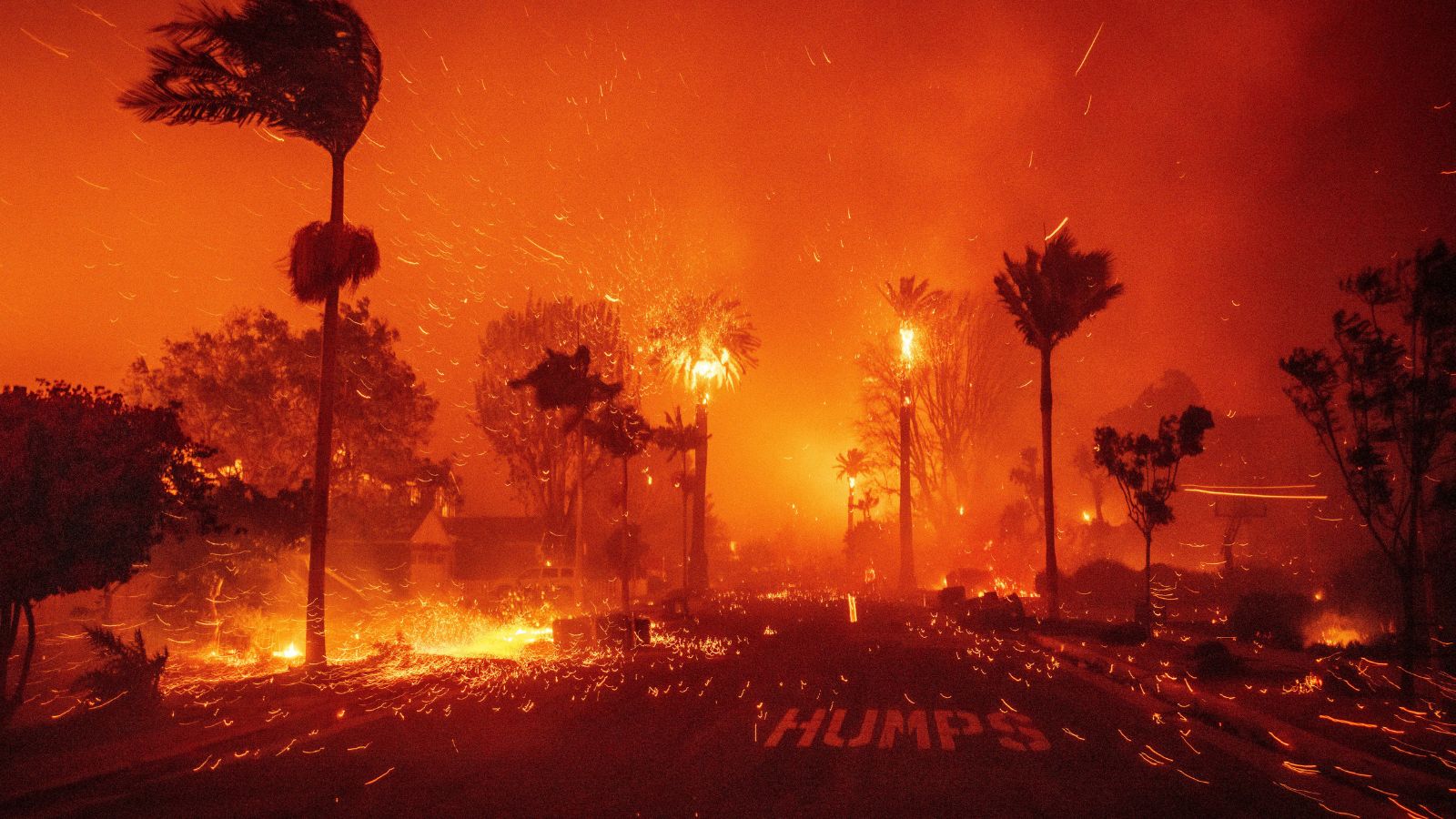
Understanding the Wildfire Landscape in California
Wildfires are a natural, albeit increasingly severe, part of California’s ecosystem. However, human factors and climate change have exacerbated their frequency and intensity, transforming them into a significant consideration for anyone planning to visit the state. For travelers, knowing the typical patterns and the broader impact is crucial for informed decision-making.
Seasonal Patterns and Contributing Factors
California’s wildfire season typically spans from late spring through late autumn, peaking in late summer and early fall. This period often coincides with hot, dry weather, low humidity, and the notorious Santa Ana winds in Southern California, or Diablo winds further north, which can rapidly spread flames. Long periods of drought, an abundance of dry vegetation, and, increasingly, higher temperatures linked to climate change are primary contributors. The state’s diverse topography, from dense forests to chaparral-covered hillsides, also presents varying levels of risk and challenges for containment. While agencies like CalFire and the U.S. Forest Service work tirelessly to detect, suppress, and manage these fires, achieving “control” often means bringing a fire to a point where it is contained within established lines and no longer actively expanding, rather than extinguished. Even then, extensive mop-up operations can continue for weeks.
The Impact on Natural Landscapes and Infrastructure
The most immediate and visible impact of wildfires is on the natural landscape. Forested areas, national parks, and state parks are often directly affected, leading to closures that can last for extended periods, sometimes years, to allow for ecological recovery and to mitigate hazards like falling trees or mudslides. Iconic destinations such as Yosemite National Park, Sequoia National Park, and areas around Lake Tahoe have all experienced significant fire activity. Beyond nature, wildfires can damage or destroy critical infrastructure, including roads, bridges, and power lines, disrupting travel routes and services. Smoke, even from distant fires, can also spread widely, impacting air quality hundreds of miles away, turning skies hazy, and making outdoor activities unpleasant or unsafe for sensitive individuals. This widespread impact underscores why travelers must consider not just the immediate vicinity of a fire, but broader regional conditions when planning their trips.
Navigating Travel Plans Amidst Wildfire Concerns
For travelers, the key to a successful California adventure during wildfire season lies in proactive planning, flexibility, and reliance on credible information. While some areas might be directly impacted, vast swathes of the state often remain unaffected and safe for tourism.
Key Regions and Their Varying Conditions
California is a vast state, and wildfire activity is rarely uniform across all regions. When considering travel, it’s helpful to break down the state into general areas:
- Northern California: This includes the Redwood Empire, Napa Valley and Sonoma County wine regions, and the Sierra Nevada mountains (home to Yosemite, Lake Tahoe). These areas are prone to fires, particularly in forested and rural areas. While wine regions have faced fires, they are often resilient, and recovery can be swift for wineries themselves, though surrounding landscapes may take longer.
- Central California: Encompassing the Central Valley and coastal areas like Big Sur and the Central Coast wine region. Big Sur and other coastal areas along the Pacific Coast Highway can be affected by fires, often leading to road closures that significantly impact travel.
- Southern California: From Los Angeles and San Diego to the desert regions like Palm Springs and Death Valley National Park. Urban centers are generally less likely to be directly impacted by major fires, though smoke and air quality can be issues. Canyon and hillside communities, especially those bordering open spaces, are at higher risk. Desert areas, while seemingly less susceptible, can experience flash fires after rare rain events lead to vegetation growth.
Travelers should monitor conditions specific to their intended destinations, rather than assuming statewide impacts. Often, a fire in one part of California has no bearing on travel to a region hundreds of miles away.
Essential Resources for Travelers
Staying informed is paramount. Before and during your trip, consult official and reputable sources:
- CalFire Incident Information: This is the most authoritative source for active wildfire incidents, providing detailed maps, containment percentages, and evacuation orders. Their website is regularly updated.
- National Park Service Websites: For specific national parks, check their official sites for real-time alerts, closures, and conditions. These parks often have their own fire management resources.
- Local County and City Emergency Services: Websites for local sheriff’s departments, county emergency management agencies, and city advisories offer localized information, including evacuation routes and shelter details.
- Air Quality Monitoring Sites: Websites like AirNow.gov provide current air quality index (AQI) readings, which are crucial for planning outdoor activities, especially for individuals sensitive to smoke.
- Caltrans QuickMap: For road closures and traffic impacts, the Caltrans QuickMap is an indispensable tool, offering real-time updates on state highways.
- Booking accommodations directly: Contact hotels, resorts, or rental properties in your desired area. They will have up-to-date local information on conditions and any potential disruptions.
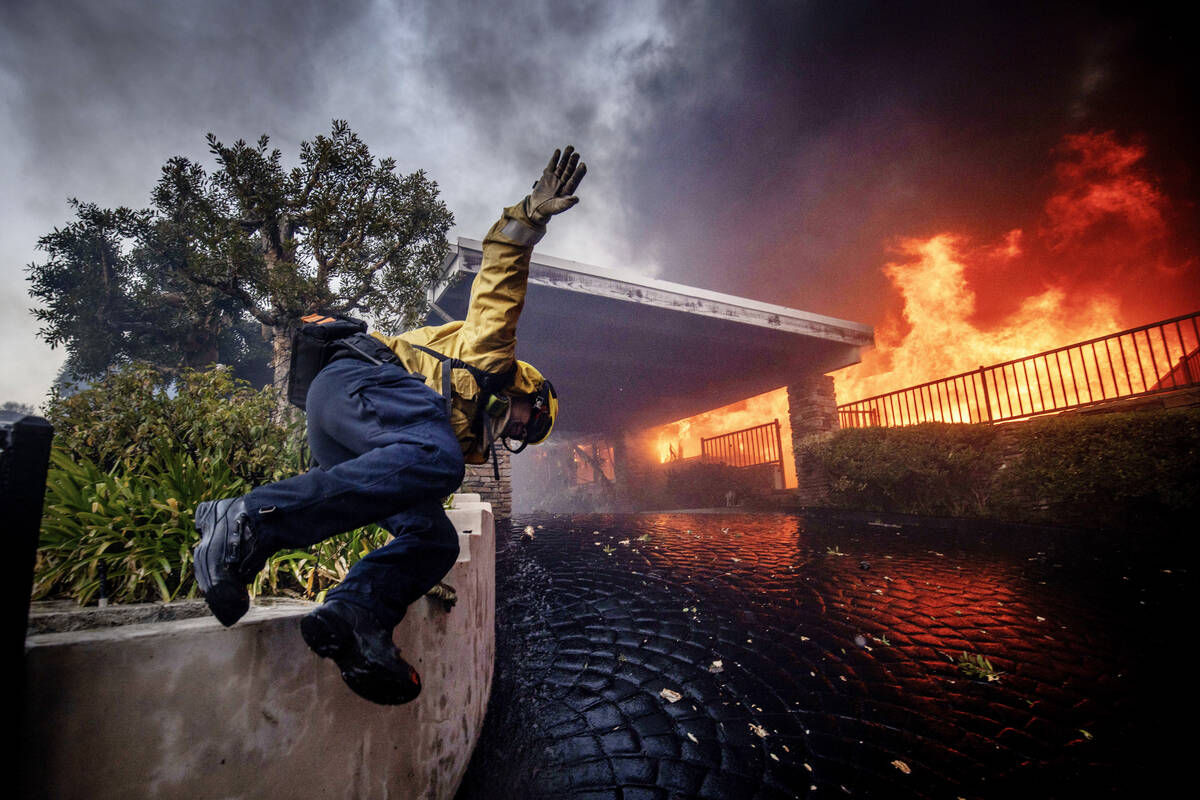
Always have multiple sources of information and be prepared to adjust your itinerary if conditions change. Flexibility is a traveler’s best asset during wildfire season.
Responsible Travel in Fire-Prone Areas
Traveling to California during wildfire season demands an elevated sense of responsibility. This extends beyond personal safety to considering the environmental impact and supporting the communities affected.
Prioritizing Safety and Preparedness
Traveler safety is non-negotiable. If you choose to travel to areas that might be adjacent to fire activity or are prone to wildfires:
- Stay Informed and Heed Warnings: Continuously monitor local news and official alerts. If an area is under an evacuation warning or order, do not enter, and if you are already there, leave promptly and safely.
- Know Your Routes: Plan alternative routes to your destination and keep a full tank of gas. Road closures can occur suddenly, making detours necessary.
- Maintain Situational Awareness: Be observant of your surroundings. Look for signs of fire, such as smoke plumes or ash. Understand that wind direction can shift, and a fire far away can become a threat quickly.
- Pack Essentials: Always have an emergency kit in your vehicle, including water, snacks, a first-aid kit, a flashlight, and a portable phone charger. N95 masks can also be beneficial for poor air quality.
- Respect Fire Bans and Restrictions: During periods of high fire danger, various restrictions are often put in place, such as campfire bans in national forests or limitations on off-road vehicle use. Adhere strictly to these rules to prevent accidental ignitions.
The safety of residents and emergency responders takes precedence. Your decisions as a traveler should always support, not hinder, their efforts.
Supporting Local Communities and Conservation
Wildfires devastate communities, impacting local economies heavily reliant on tourism. Even if a fire is “under control,” the long-term recovery efforts are immense. Travelers can play a role in supporting these areas:
- Visit Safely Affected Areas: If an area has recovered and is safe to visit, consider planning a trip there. Your tourism dollars can help local businesses, hotels, and restaurants get back on their feet.
- Purchase Local Products: Support local artisans, wineries, and shops directly. This helps stimulate the local economy and aids in recovery.
- Donate to Reputable Relief Funds: If you feel compelled to help, contribute to established charities and non-profits dedicated to wildfire relief and recovery efforts in California.
- Volunteer (if appropriate and safe): For longer stays, consider if there are safe and organized opportunities to volunteer with reforestation or community rebuilding efforts, but ensure you are not adding to resource strain.
- Practice “Leave No Trace” Principles: Always be mindful of your environmental impact, especially in areas recovering from fire. Stick to designated trails, properly dispose of waste, and avoid disturbing fragile ecosystems.
Responsible travel is about more than just enjoying a destination; it’s about being a positive force for the places you visit.
The Future of Travel in California: Resilience and Recovery
While wildfires present undeniable challenges for California travel, the state’s resilience and commitment to recovery are equally strong. Understanding the long-term outlook and how travelers can contribute paints a more complete picture.
Long-Term Outlook for Destinations
California’s natural landscapes and communities have a remarkable capacity for recovery. Many areas, even after severe fires, eventually reopen to the public, often with new landscapes to explore and renewed ecosystems. For instance, national parks and forests implement extensive rehabilitation projects, and affected towns rebuild with determination. This recovery can take time, sometimes years, but it underlines the enduring appeal and spirit of the state. Future travel to California will likely involve a continued awareness of fire risk, but it will also reveal the ongoing efforts in conservation, sustainable tourism practices, and community rebuilding. Travelers will find that while the fire conversation is always present, it doesn’t diminish the myriad other reasons to visit California, from its world-class cuisine and vibrant arts scene to its diverse cultural landmarks and breathtaking coastline.
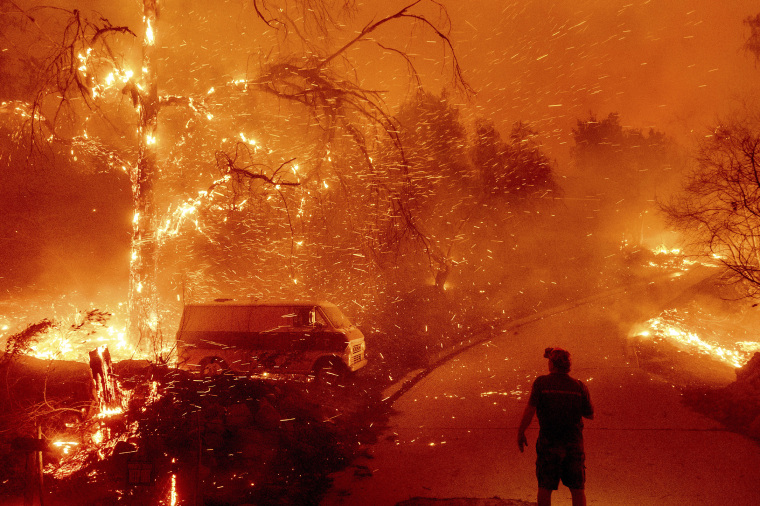
How Travelers Can Contribute to Rebuilding
Beyond immediate support, travelers contribute to California’s long-term resilience by choosing sustainable and informed travel practices. Engaging with local tour operators who prioritize environmental stewardship, staying in eco-conscious accommodations, and supporting businesses that invest in fire-safe practices all play a role. Education is also key; understanding the causes and impacts of wildfires fosters greater empathy and encourages behaviors that prevent human-caused ignitions. Ultimately, while the question of whether California’s wildfires are “under control” remains a dynamic one, the spirit of adventure and the allure of the Golden State persist. By staying informed, traveling responsibly, and supporting local recovery, visitors can continue to experience the magic of California while also contributing to its sustainable future.
LifeOutOfTheBox is a participant in the Amazon Services LLC Associates Program, an affiliate advertising program designed to provide a means for sites to earn advertising fees by advertising and linking to Amazon.com. Amazon, the Amazon logo, AmazonSupply, and the AmazonSupply logo are trademarks of Amazon.com, Inc. or its affiliates. As an Amazon Associate we earn affiliate commissions from qualifying purchases.