
The culmination of a sporting event, particularly one as emotionally charged and culturally significant as an Alabama football game, transcends mere numbers on a scoreboard. For many, the final score isn’t just an outcome; it’s a pivotal moment that influences lifestyle decisions, travel plans, and the collective mood of an entire fan base. In the world of college football, where allegiances run deep and traditions are sacred, understanding the broader impact of that definitive score reveals a fascinating tapestry of lifestyle choices shaped by passion and loyalty.
The Pulse of College Football Culture
College football, especially in the Southeastern Conference (SEC), is more than a sport; it’s a way of life. The anticipation leading up to an Alabama game, the intensity of game day, and the aftermath of the final whistle are ingrained in the lifestyle of millions. This deep-rooted connection transforms ordinary weekends into grand spectacles, where personal schedules, social gatherings, and even travel itineraries revolve around the crimson tide.
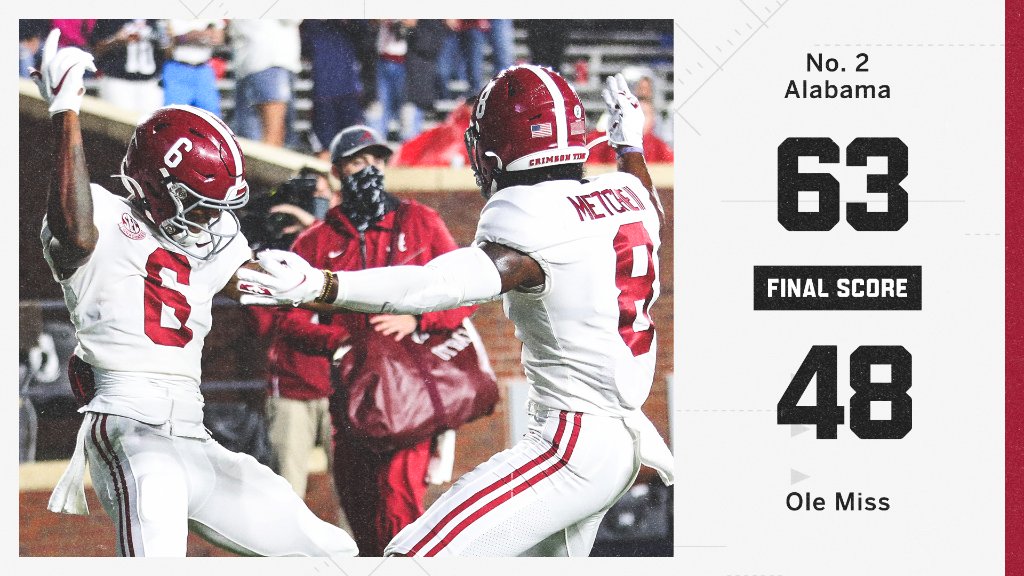
The Tradition and the Ritual
From the moment the schedule is released, fans begin planning their year around key matchups. Family vacations might be postponed, business trips strategically rescheduled, all to ensure presence, either in person at Bryant-Denny Stadium or in front of a television with fellow enthusiasts. The traditions are numerous: the specific tailgate spots claimed for generations, the lucky jerseys worn for every game, the pre-game rituals performed with almost religious fervor. These aren’t just quirks; they are fundamental components of a lifestyle built on shared identity and community. The roar of the crowd, the blast of the Rammer Jammer, and the sight of Coach Nick Saban patrolling the sidelines are all integral elements of an immersive experience that goes beyond the athletic contest itself. It’s a journey steeped in history, where legendary moments and historic rivalries, like those against Auburn or LSU, become part of personal narratives, shaping collective memories and future aspirations.
Fandom as a Lifestyle
Being an Alabama fan is a lifestyle choice that often dictates social circles, leisure activities, and even fashion. Merchandise sales soar, local businesses thrive on game weekends, and conversations inevitably drift to the team’s performance, upcoming challenges, and hypothetical scenarios. The ebb and flow of a season—the euphoric victories, the heartbreaking losses—mirror the emotional rollercoaster of life itself. For many, their team’s success provides a communal sense of accomplishment, a shared victory that resonates deeply and influences daily moods and interactions. It’s a lifestyle that fosters camaraderie, ignites passionate debates, and creates a powerful sense of belonging, making the pursuit of that final, favorable score a collective endeavor.
Travel and Tailgates: Crafting the Game Day Experience
The final score of an Alabama game is the ultimate determinant of joy or despair, but the journey to and from game day itself is an elaborate lifestyle production. Travel becomes a significant aspect, whether it’s a cross-state drive or an intercontinental flight, all aimed at immersing oneself in the unique atmosphere of college football.
Destination Tuscaloosa: More Than Just a Game
For home games, Tuscaloosa, Alabama, transforms into a bustling hub of activity. RVs begin rolling in days in advance, claiming prime tailgate real estate. Hotels book up months in advance, and local restaurants prepare for an influx of hungry fans. The city becomes a temporary destination for thousands, all drawn by the gravitational pull of the game. For visitors, it’s an experience that extends far beyond the stadium gates, encompassing the vibrant pre-game festivities, the celebratory (or commiseratory) post-game gatherings, and the exploration of local culture. It’s a microcosm of sports tourism at its finest, where the game acts as the central pillar for a weekend of dining, socializing, and exploring. The allure isn’t solely about the football; it’s about the entire game day ecosystem that defines a specific type of lifestyle travel.
Luxury Boxes and Budget-Friendly Bashes

The way fans experience game day also reflects diverse lifestyles. Some opt for the ultimate luxury travel experience: private jet charters, upscale hotel suites, and exclusive access to premium hospitality areas within the stadium. These fans enjoy gourmet catering, climate-controlled comfort, and unparalleled views, often using game attendance as a networking opportunity or a lavish family outing. On the other end of the spectrum, budget travel enthusiasts embrace the true spirit of tailgating: pitching tents, grilling their own food, and celebrating with an extensive community of fellow fans in sprawling parking lots. This democratic approach to game day fosters a different kind of camaraderie, where shared passion trumps social standing. Both approaches, however, are deeply woven into the fabric of the college football lifestyle, demonstrating how varied travel styles can converge around a singular event. Away games present another layer of lifestyle travel, as fans plan road trips or flights to support their team in opposing territories, turning football season into a de facto travelogue across the country, from a visit to the Rose Bowl to the Sugar Bowl, or even further afield for a National Championship game.
Post-Game Impact: Shaping Future Plans
The final score, once rendered, doesn’t just mark the end of a game; it sets in motion a chain of reactions that profoundly impacts the lifestyle choices of fans, affecting everything from mood to long-term planning.
Victory Laps and Vacation Planning
A decisive win, especially one with significant implications for conference standings or national rankings, often sparks spontaneous celebrations and revised travel plans. Fans might extend their stay in Tuscaloosa or their away game city, booking extra nights at hotels, visiting local attractions, and indulging in victory feasts. The positive energy from a win can even inspire future travel—planning for upcoming playoff games, bowl appearances, or even a trip to a potential National Championship venue like Atlanta‘s Mercedes-Benz Stadium. Conversely, a tough loss can cast a pall, leading to a subdued departure, canceled reservations, and a re-evaluation of emotional investments. The score, therefore, isn’t merely an abstract number; it’s a direct catalyst for immediate and future lifestyle decisions, from booking celebratory getaways to deciding whether to attend the next game.
The Ripple Effect on Local Tourism and Hospitality
The impact of an Alabama game’s final score extends beyond individual fans to the local economy. A winning season generates immense goodwill and drives continued fan engagement, leading to increased demand for travel, accommodation, and local services. Businesses in Tuscaloosa and other cities hosting away games benefit significantly from this influx. Hotels, restaurants, bars, and souvenir shops see spikes in revenue, demonstrating how a successful team can become a powerful engine for local tourism and economic growth. A string of victories can enhance a city’s reputation as a vibrant sports destination, encouraging more visitors to explore its offerings beyond just game day. This symbiotic relationship between sports success and local hospitality underscores how deep the roots of college football run, impacting the lifestyle and livelihood of entire communities.
The Emotional Investment: Beyond the Numbers
Ultimately, the question “What Is The Final Score Of The Alabama Game?” probes deeper than a simple factual inquiry. It touches upon the profound emotional investment fans make in their team, an investment that shapes their lifestyle and worldview. The score is the verdict, but the lifestyle it creates is the enduring story.
When a Score Defines a Season
Each game’s final score contributes to a larger narrative, shaping the team’s trajectory and the fan base’s hopes for the season. A critical win can ignite championship aspirations, leading to discussions about potential playoff berths, Heisman Trophy contenders, and the legacy of players and coaches. These narratives become woven into the daily lives of fans, influencing water cooler conversations, social media interactions, and even family dynamics. The pursuit of perfection, or at least a highly successful season, becomes a collective quest, with each score serving as a checkpoint on that journey. This shared emotional landscape defines a significant aspect of the Alabama football lifestyle, where collective triumphs and challenges are felt on a deeply personal level.
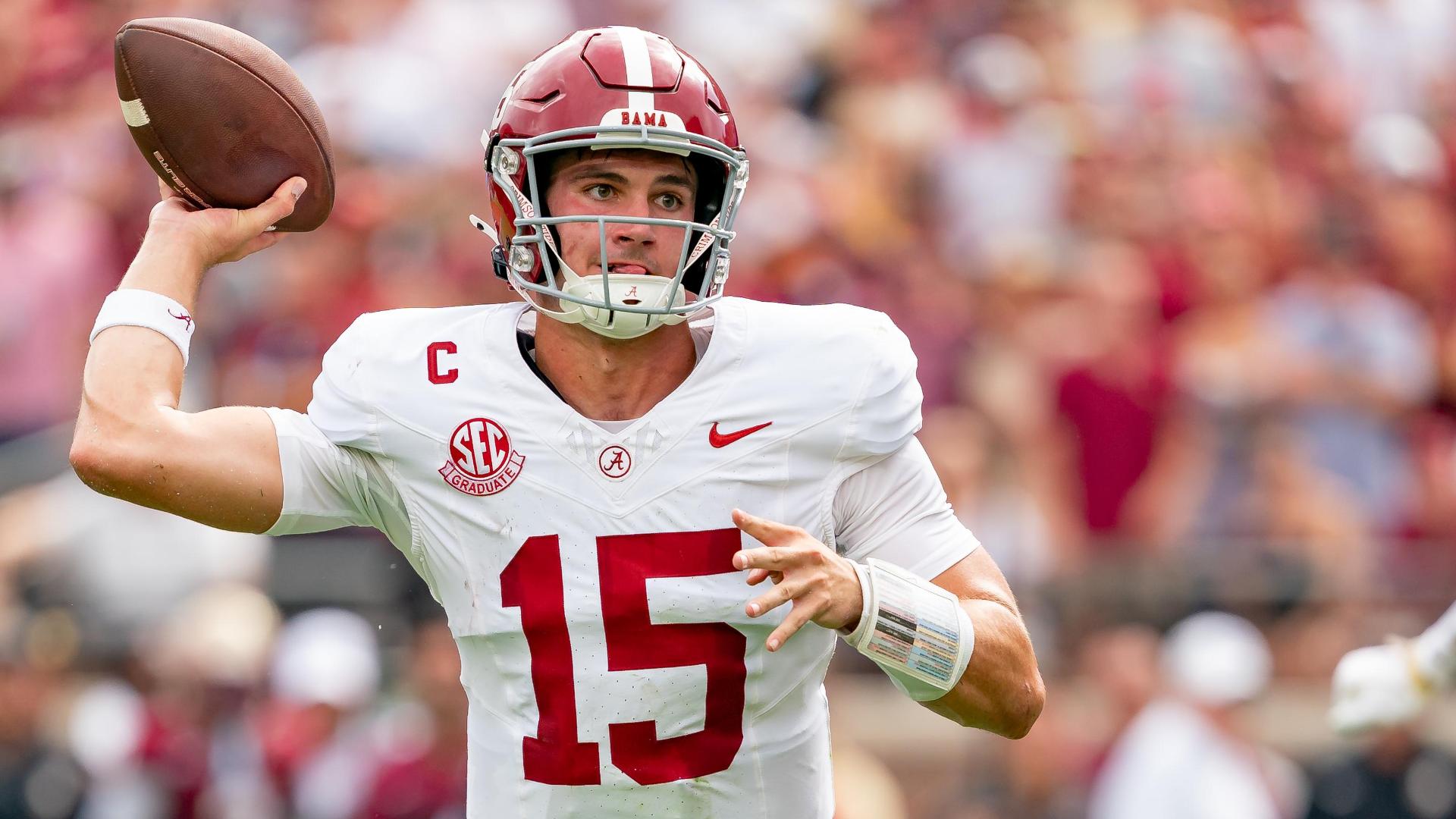
The Shared Journey of Alabama Football Fandom
The final score of an Alabama game is more than just a statistical record; it’s a cultural touchstone that encapsulates the hopes, dreams, and collective identity of millions. It impacts travel itineraries, influences social calendars, and shapes the emotional rhythm of an entire region. For those immersed in the lifestyle of college football, the score is not merely an endpoint but a launchpad for future plans, discussions, and continued engagement with a beloved tradition. It is a testament to how deeply sports can intertwine with personal lifestyle, transforming a simple game into a powerful, community-building force. The anticipation of the score, the celebration of victory, or the resilience in defeat are all integral parts of a lifestyle defined by unwavering loyalty and passion for the crimson tide.
LifeOutOfTheBox is a participant in the Amazon Services LLC Associates Program, an affiliate advertising program designed to provide a means for sites to earn advertising fees by advertising and linking to Amazon.com. Amazon, the Amazon logo, AmazonSupply, and the AmazonSupply logo are trademarks of Amazon.com, Inc. or its affiliates. As an Amazon Associate we earn affiliate commissions from qualifying purchases.